
Surah Al-Masad, the 111th chapter of the Quran and commonly known as Surah Al-Lahab, has only five verses. Writing on Channel i Online's religion page, Farzia Hossain explains that it carries a warning about the fate of Abu Lahab, the Prophet's (peace be upon him) uncle, and his wife.
When the Prophet began preaching Islam openly in Makkah, Abu Lahab opposed him despite being a close relative, and the surah was revealed in that context. It opens: may the hands of Abu Lahab perish, and may he perish; his wealth and what he earned will not avail him (Surah Al-Masad, 111:1-2).
These verses make clear, the writer says, that worldly wealth, social standing or family ties cannot protect anyone from accountability before God. Being the Prophet's uncle gave Abu Lahab no special privilege; in Islam, honour rests on faith, deeds and moral conduct.
The third verse says he will soon enter a blazing fire. The fourth calls his wife the 'carrier of firewood', and the fifth says there will be a twisted rope around her neck (111:3-5). Commentators link the 'carrier of firewood' to her hostility and role in opposing the Prophet.
The lesson, the writer concludes, is that wealth and power are not permanent; money, identity or position give no one the right to do wrong, and rejecting the truth knowingly is a grave matter. What counts is how a person uses wealth and position, and where they stand before the truth.
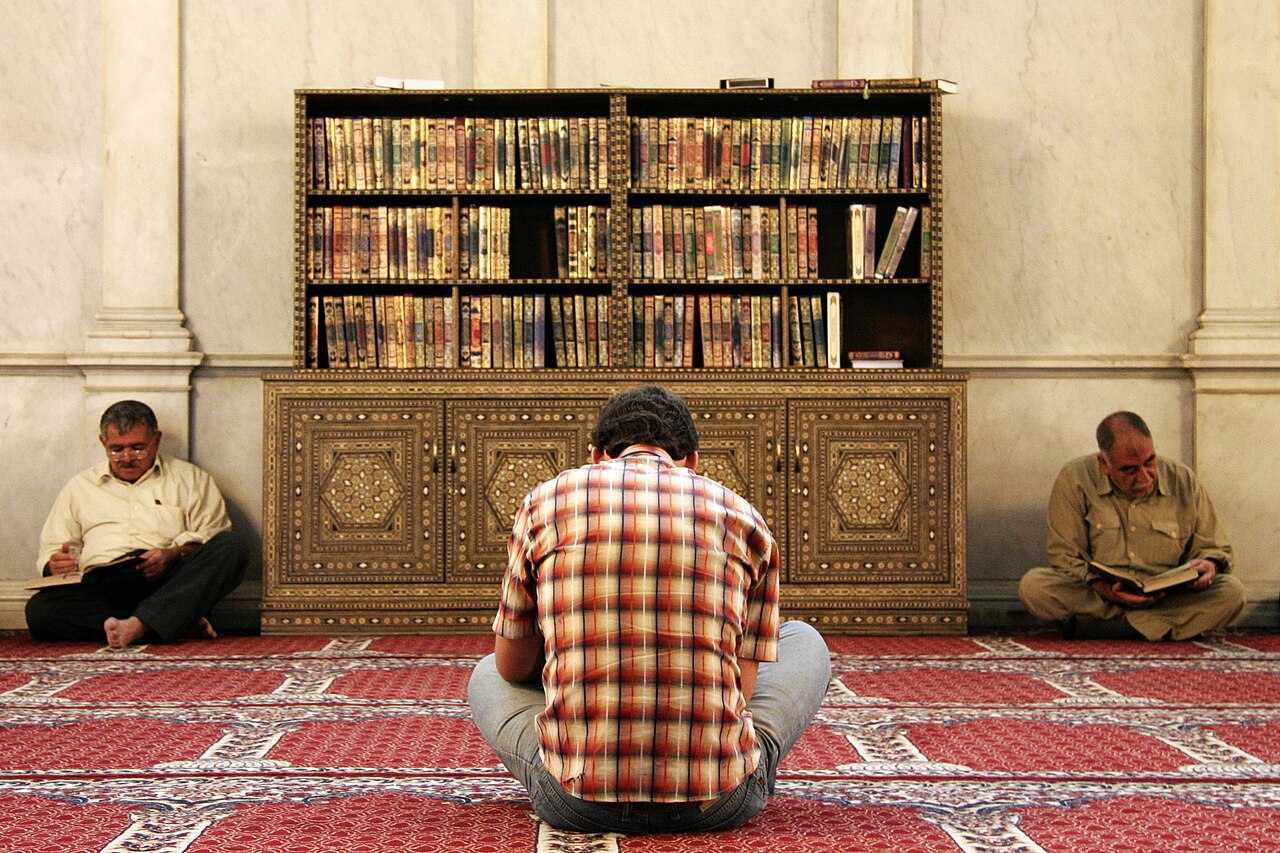
Photo: Erik Albers / Wikimedia Commons (CC0)
Source: Channel i Online


Comments
(0)