
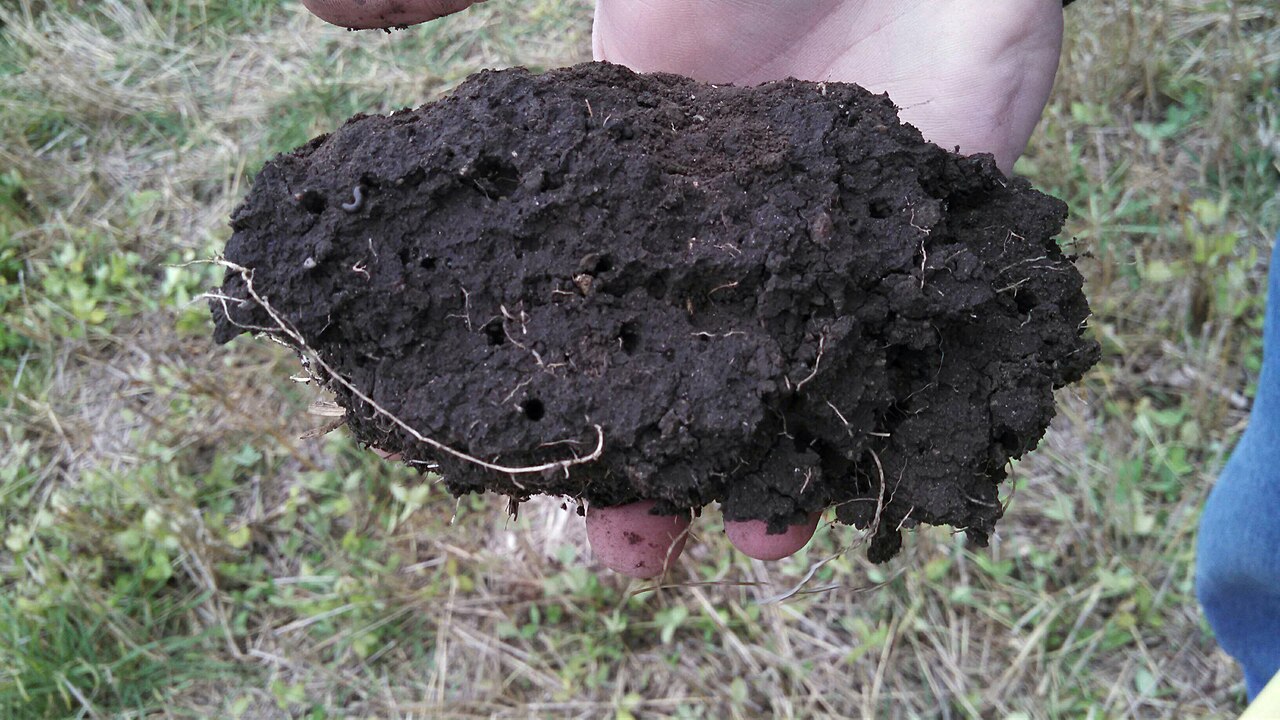
Many farmers buy phosphorus when it is cheap and bank it in the soil for later, on the reasoning that, unlike nitrogen, it stays put. South Dakota State University economists and agronomists asked whether that logic holds on the alkaline soils of central and western South Dakota, and the answer, for now, is no.
The study, by Sarah Sellars, SDSU Extension sustainable farm and food systems specialist, with Evelyn Prempeh, Whoi Cho, Jason Clark and Clarence Winter, used four years of corn and soybean data from a field at the Dakota Lakes Research Farm near Pierre with an average pH of 7.7. In soils above pH 7, phosphorus binds with calcium into forms crops struggle to use, and the trial found only about 45 percent of applied phosphorus carried over to the following year.
Three strategies were compared: no phosphorus, a small starter band at planting, and starter plus extra fertiliser to build and maintain soil-test levels. Building the soil did raise test values, but only slightly, and the extra fertiliser cost more than the yield it bought. Applying nothing was worst of all, as removal drew soil phosphorus down and eventually cut yields.
The starter band, at 18 lb of P2O5 per acre placed near the seed, came out most profitable, because the nutrient reaches the seedling before the soil can lock it up. It stayed on top at phosphorus prices of both $0.68 and $0.85 per lb of P2O5 and over both a four-year and a ten-year planning horizon. Corn and soybeans covered about 69 percent of South Dakota's harvested acres in 2025.
The authors are careful about the limits: one high-pH site, one rotation, and results that depend on assumptions about uptake, yield response and discount rate. Their advice is to soil-test and let the numbers, not the fertiliser price alone, decide whether to build. SDSU Extension's fertiliser recommendations are online.
Photo: USDA NRCS South Dakota / Wikimedia Commons (Public domain)
Source: Farms.com


Comments
(0)