
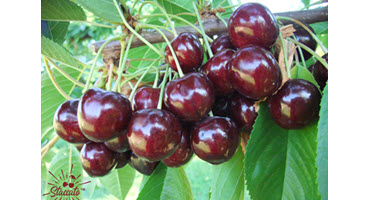
Canada's public tree-fruit breeding programme has closed a six-year intellectual-property battle over the Staccato cherry. Summerland Varieties Corp. (SVC), which manages rights for the breeders, and Agriculture and Agri-Food Canada (AAFC) announced a settlement with Washington State-based Monson Fruit Company in a US federal court case over trees and fruit sold as "Glory" or "Omega".
The case turned on whether Glory was in fact Staccato, a late-season cherry bred at AAFC's Summerland station in British Columbia. A 2024 bench trial found the two were the same variety, the Staccato patent was reinstated, and Monson stipulated that Glory infringed it. A further trial had been set for 14 September 2026.
Under the settlement Monson will pay what SVC calls substantial royalties on past and future Staccato tree sales, may not export the fruit outside the United States through 2032, and may not propagate new Staccato trees through 2029. Earlier settlements with other defendants required unauthorised trees to be destroyed and the Glory patent to be transferred to AAFC.
"This outcome reinforces the importance of respecting intellectual property rights and obtaining proprietary plant varieties through authorized channels," said Sean Beirnes, SVC's general manager. The proceeds will be reinvested in AAFC's tree-fruit development programme, which SVC says protects the money put in by taxpayers and licensed growers.
For growers the case is a reminder of what variety protection is worth: breeding programmes recover their costs through licences, and late-season varieties such as Staccato, grown mainly in BC's interior valleys, only pay for their development if the variety stays under control.
Photo: Summerland Varieties Corp.
Source: Farms.com
Comments
(0)