
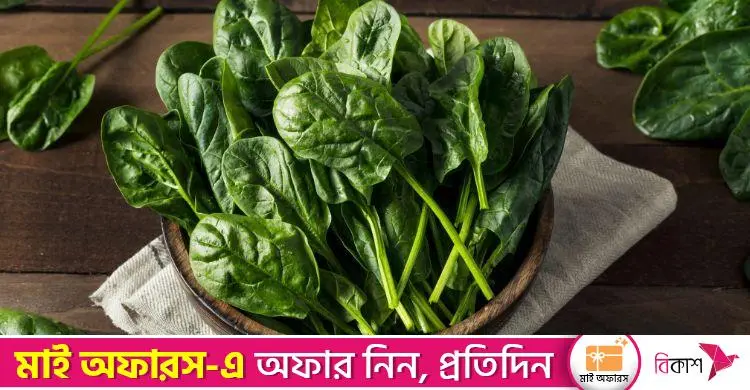
Spinach is cheap, easy to cook and has a unique taste. Yet this ordinary leafy green is nutritionally powerful, offering something to almost every organ in the body. For bones, eyes, blood and skin alike, it is a kind of natural shield.
The benefits of spinach
Spinach contains iron, folate and vitamin C, three nutrients needed to make blood, which play a large part in reducing anaemia. Many experts stress regular spinach especially for women. Vitamin C also increases iron absorption, so the iron in spinach is used better.
It contains vitamin K, calcium and magnesium, essential for strong bones. The risk of bone loss rises with age, especially in women. Eating spinach regularly increases bone density and somewhat lowers the risk of osteoporosis.
Spinach contains lutein and zeaxanthin, two antioxidants vital for the eyes. They protect the eyes from blue light, pollution and age-related damage, and eating spinach regularly lowers the risk of cataracts, macular degeneration and other eye problems.
The fibre in spinach aids digestion, reduces constipation and keeps you full for longer. It is a great side dish for anyone trying to lose weight: low in calories but full of nutrients — in short, more benefit for less cost.
The nitrates in spinach help widen blood vessels, lowering blood pressure and reducing strain on the heart. Its antioxidants also reduce inflammation in the body, which helps prevent heart disease.
Spinach helps break down toxins in the body. Its antioxidants keep the liver clean and help reduce the risk of fatty liver. In winter, when heavier food is eaten, spinach may help ease the load on the liver.
Vitamins A, C and E improve skin texture, and spinach contains enough of all three. Skin stays firm, blemishes fade and sunburn is reduced. Its iron and folate also help reduce hair loss.
Easy to add to meals
Spinach is cheap, widely available and can be cooked in many ways — soup, stir-fry, dal or smoothie — and the body benefits however it is eaten. Keeping spinach on the regular winter menu boosts immunity, keeps blood healthy, strengthens bones and protects the heart, so there is no reason to neglect it.
Sources cited: Harvard Medical School, American Heart Association, University of California, Davis.
Source: Jagonews24. First published in Bengali on The Agro News.



Comments
(0)