

Giving rural households more land is not enough to turn them into commercial farmers, according to a farming systems research team at the University of the Free State, writing in The Conversation and republished by FarmingPortal. South African policy documents, from the National Development Plan 2030 to the Agriculture and Agro-processing Master Plan, treat farming as the main engine of development in the former homelands.
The team worked with 132 small-scale farming households in Emmaus, near Bergville in northern KwaZulu-Natal, and Thaba Nchu, about 60 kilometres from Bloemfontein in the Free State, using surveys, life-history interviews, farm mapping and focus groups.
Farming mattered for food security and income, but was rarely the main source of income. Households mixed it with wages, small businesses and social grants, and often put that money back into farming. Only 16% of households in Emmaus and 19% in Thaba Nchu rose above the food poverty line of R868 (about $54) per person a month, and off-farm income contributed most.
Land was often not the biggest obstacle: many households could not use all the land they had. The researchers identified four constraints: too little labour, poor roads and water infrastructure in Emmaus, conflict over communal grazing in Thaba Nchu, and a preference for growing maize and beans to eat, which leaves less room for market crops.
Aspirations differ too. Only 12% of household heads in Emmaus and 36% in Thaba Nchu wanted to farm as a business, while 64% and 80% of dependants aged 18 to 32 wanted education, paid work or to migrate. The researchers argue for a farming systems approach that looks at labour, markets, institutions and aspirations together, and say better opportunities for young people may partly lie outside agriculture.
The article is by the University of the Free State research team, first published in The Conversation and carried by FarmingPortal.
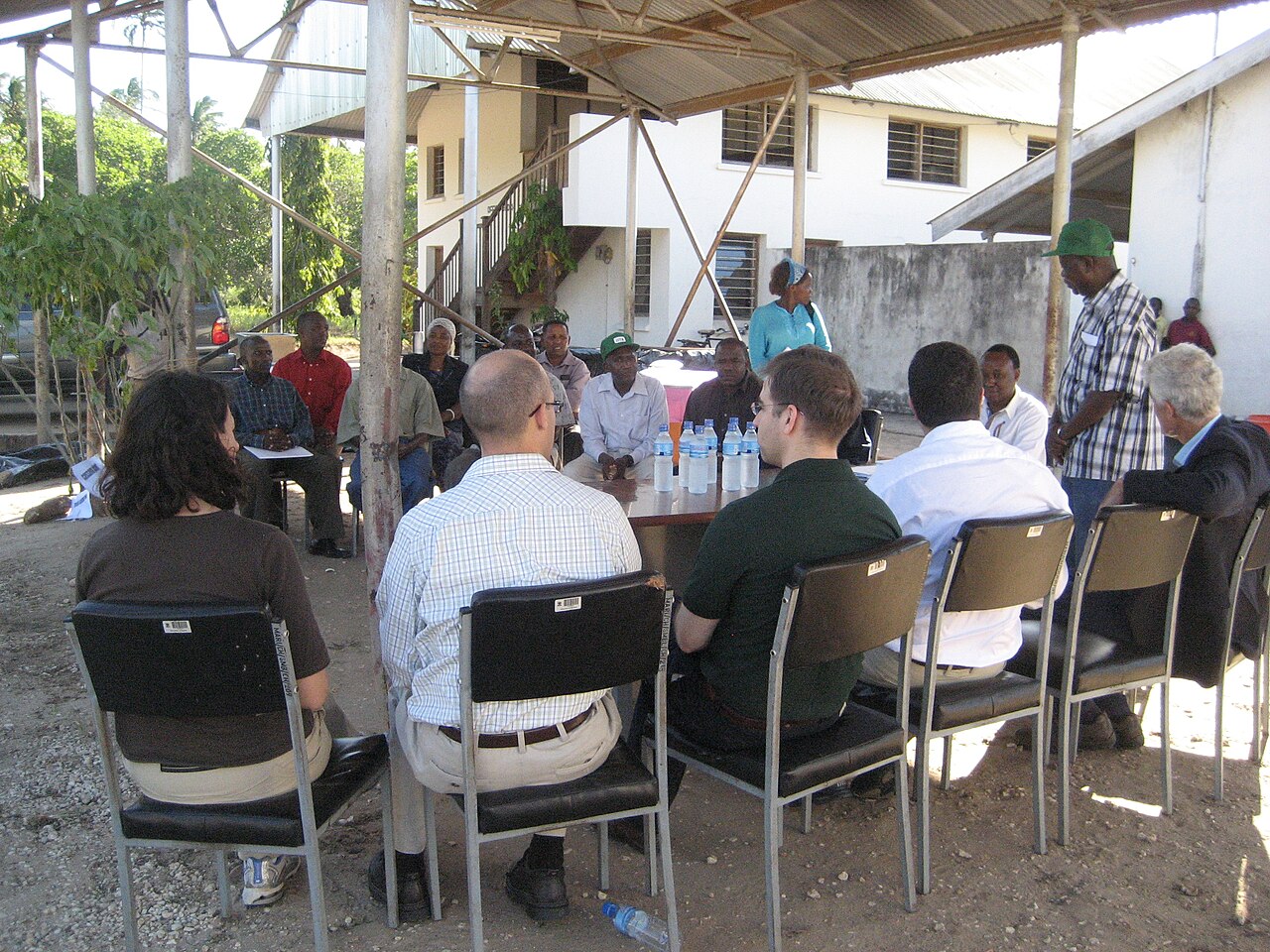
Photo: Ryanj93 / Wikimedia Commons (CC BY-SA 4.0)
Source: FarmingPortal

Comments
(0)