
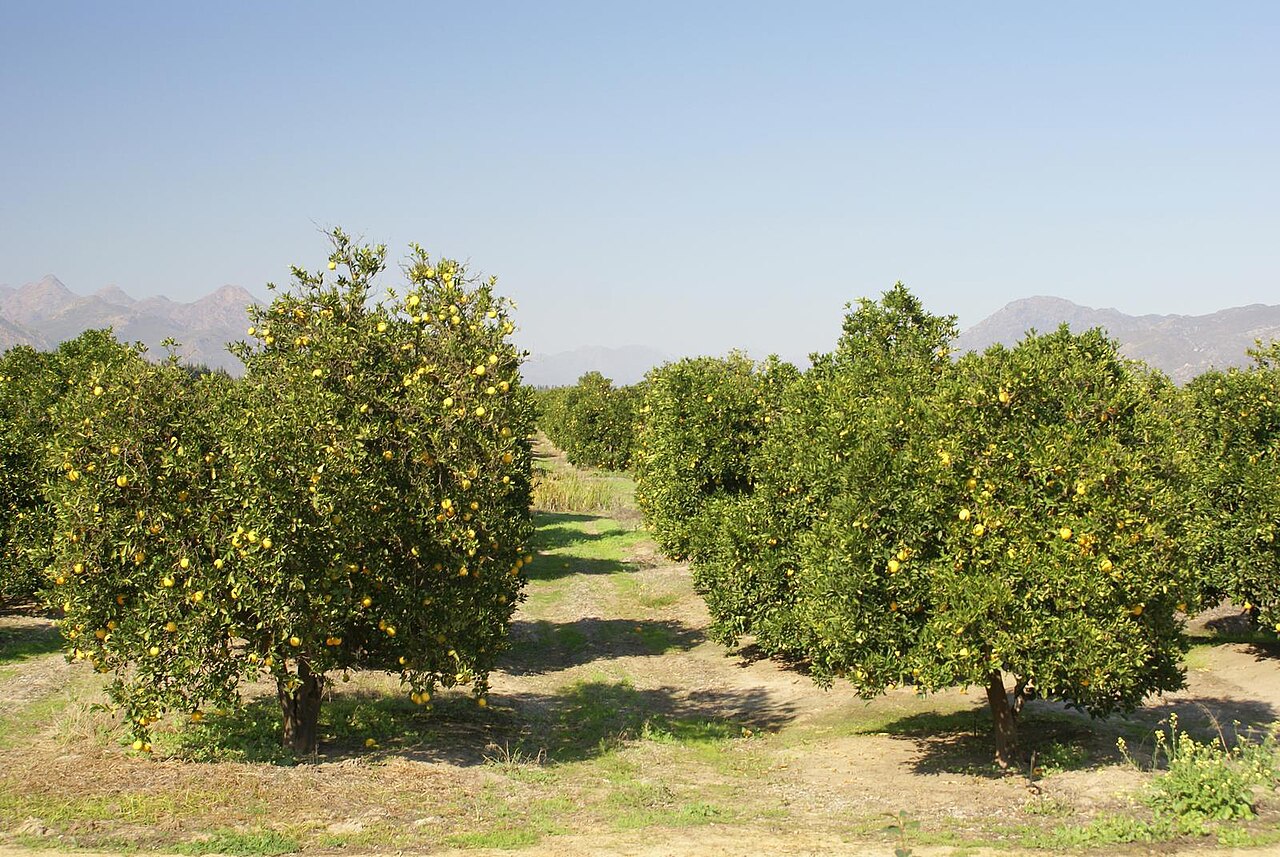
South Africa's fruit export industry has reached a point where producing more is no longer enough to secure better returns, according to Absa's AgriTrends 2026 Spring Edition report, launched at Nampo Cape in Bredasdorp, Farmer's Weekly reports.
"Citrus, for example, has now reached a point where volume is no longer the issue. South Africa is the world's largest citrus exporter, but markets are not sufficiently diversified," said Zama Sangweni, agricultural economist at Absa AgriBusiness. Citrus export earnings have risen from about US$80 million in 2001 to an estimated US$2.5 billion in 2025, but disruption in the Middle East this year closed off markets and forced exporters to look elsewhere. Lemons remain particularly exposed to the Middle East, oranges to competing supply, while soft citrus is better placed.
The 2025/26 season also brought rain and flooding in some regions that affected quality and harvest timing, and stronger competition from other producers in markets where South Africa is already established.
Table grapes showed the cost of logistics failures. Exports rose about 8% to almost 79 million cartons, but inefficiencies at the Port of Cape Town and strong winds delayed shipments in December and January, so fruit arrived at the same time as competitors' peak supply, prices fell and quality claims and dumping costs followed. Industry estimates put losses across the value chain at more than R3 billion.
Daneel Rossouw, head of agricultural sales at Nedbank, said he was not confident the port problems would be solved this year. The report concludes that reliable logistics and wider market access will decide whether production growth becomes profit growth.
Photo: Danie van der Merwe / Wikimedia Commons (CC BY 2.0)
Source: Farmers Weekly South Africa

Comments
(0)