
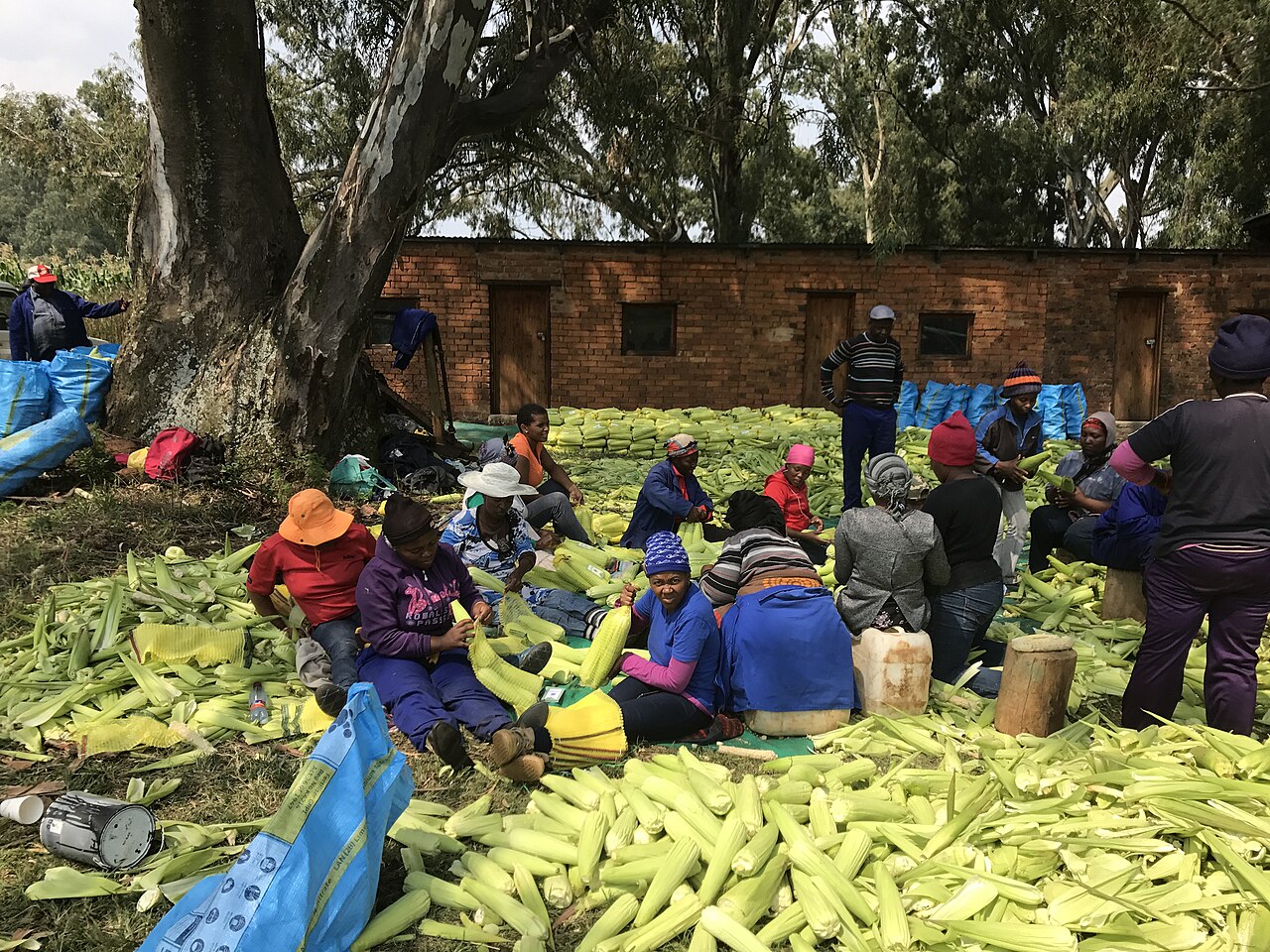
South Africa's agriculture sector lost 34,000 jobs in the third quarter of 2026, Food For Mzansi reported, citing Statistics South Africa's Quarterly Labour Force Survey. It was the second-largest fall of any industry between the second and third quarters, even as total national employment rose by 101,000 to 16.8 million.
Wandile Sihlobo, senior economist at Agbiz, said 911,000 people worked in primary agriculture in the third quarter, 4% fewer than in the second; in the same period last year the drop was about 1%. Employment fell year on year in most provinces except the Western Cape and Limpopo. Farmers, he said, point to rising input costs, especially fuel and fertiliser.
Sihlobo expects the El Niño drought to hit the 2026/27 season hard. "The prospects of employment improving in the agricultural sector remain fairly dim. We will start seeing job prospects in the sector when droughts end," he said. AgriSA put the quarterly drop at 3.6% and the annual fall at about 25,000 jobs, or 2.7%, noting that farm work is seasonal but that the year-on-year decline deserves watching.
On the ground the reasons are plain. Free State farmer Setjhaba Ramabenyane let three workers go, saying high input and diesel prices had tripled his running costs, on top of climate pressures. His neighbour Kyle-Jones Middleton kept his staff but said farmers are being squeezed: "The price of everything has gone up, and the Safex markets are only starting to price it in now, but it's not enough."
Middleton said producers without on-farm storage lost heavily on the 2025/26 maize harvest, when they had to sell into depressed prices, leaving most at a loss. With hot, dry weather now, some farmers have consolidated cattle herds and planted fewer hectares, so they need, and can afford, less labour.
Reporting by Lisakanya Venna for Food For Mzansi.
Photo: LMienie / Wikimedia Commons (CC BY-SA 4.0)
Source: Food for Mzansi

Comments
(0)