
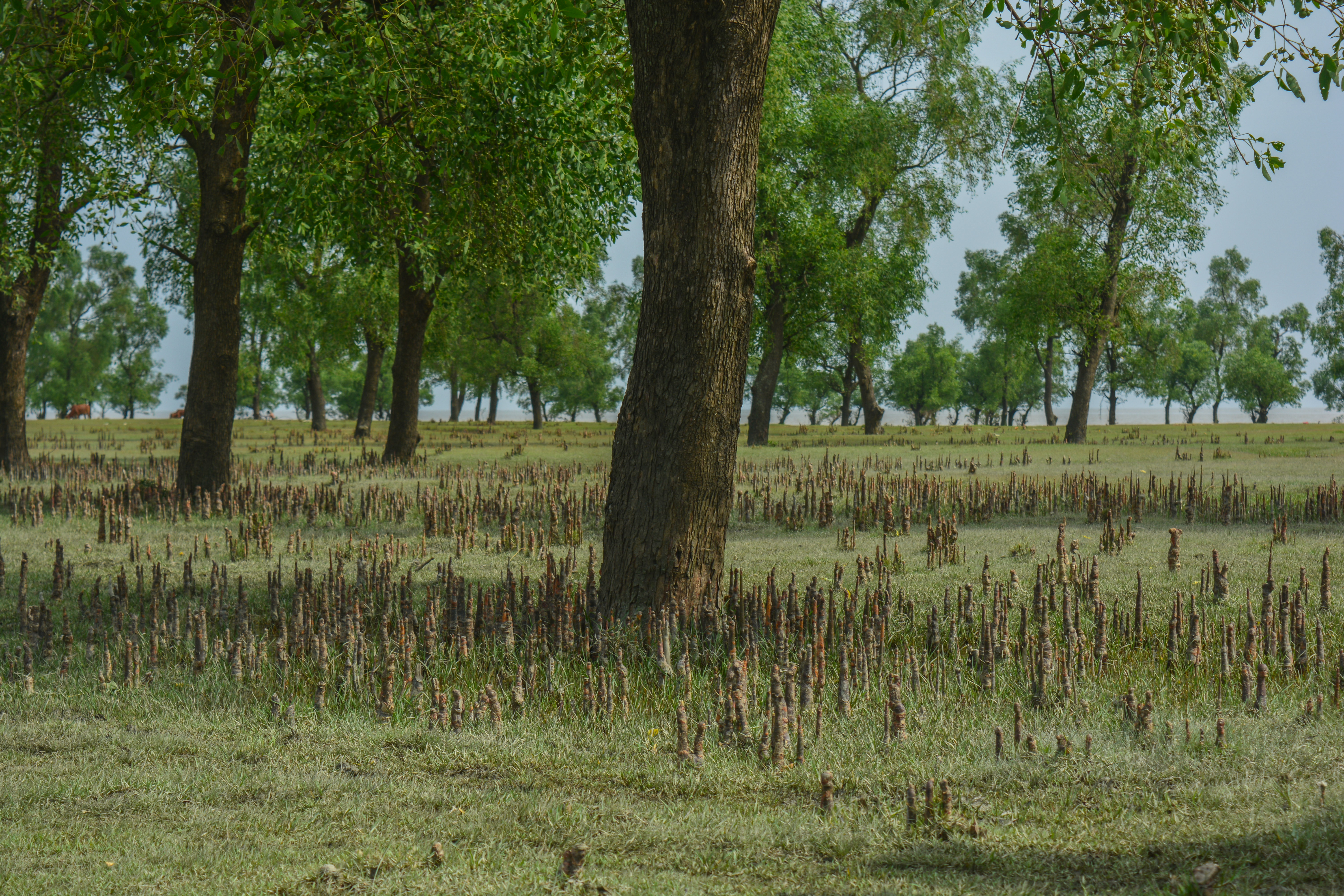
Floods and waterlogging from heavy rain in early July 2026 did extensive damage to agriculture, fisheries and livestock in Sitakunda upazila of Chattogram. Jagonews24 reported on 17 July that, after three dry days, the receding water was revealing the scale of the losses. Three upazila offices put the damage at about Tk 13 crore, but those affected said the real losses were close to Tk 30-35 crore. Within two weeks, vegetable prices rose by Tk 10 to 15 a kg.
Official figures and farmers' claims
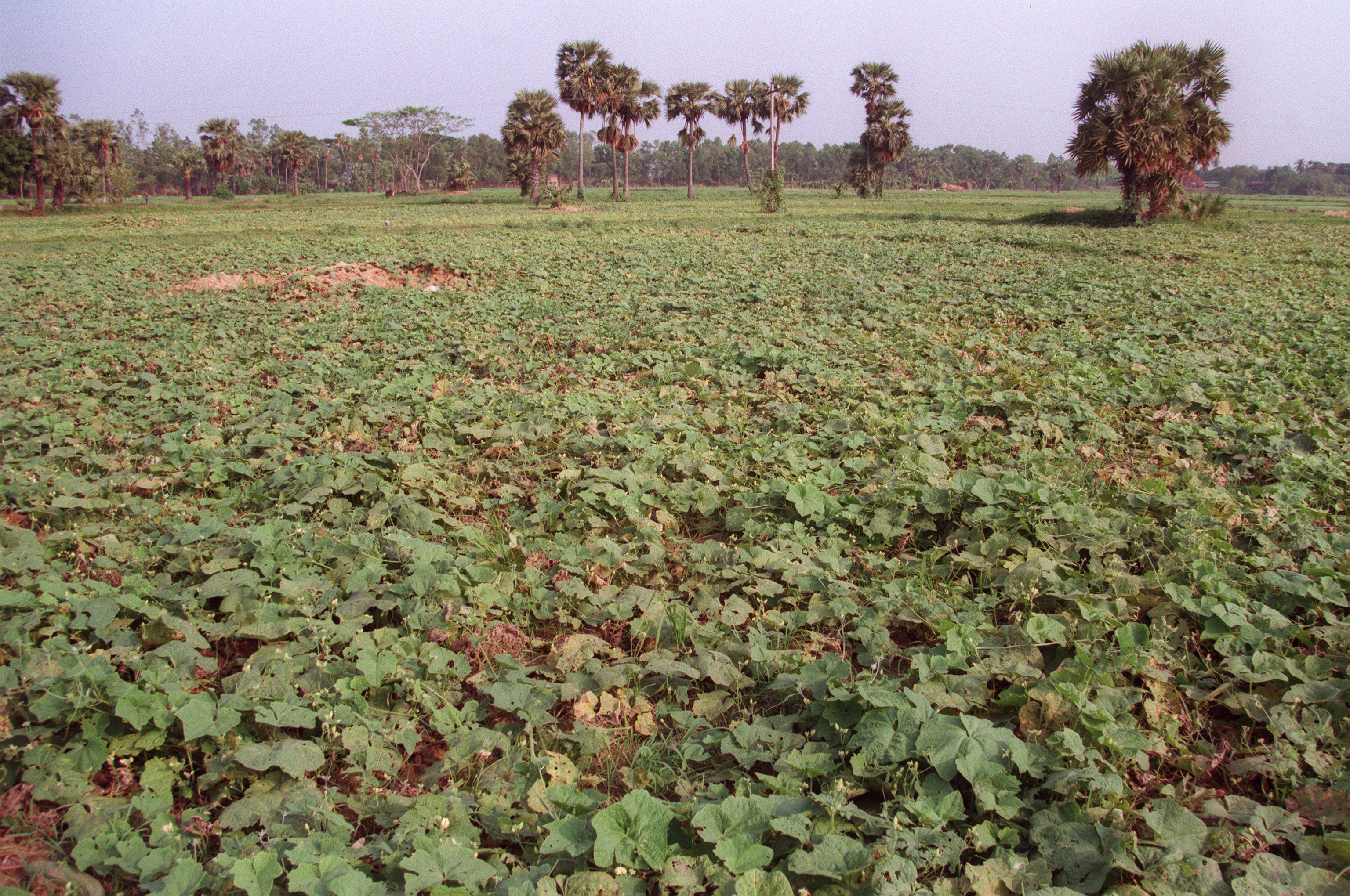
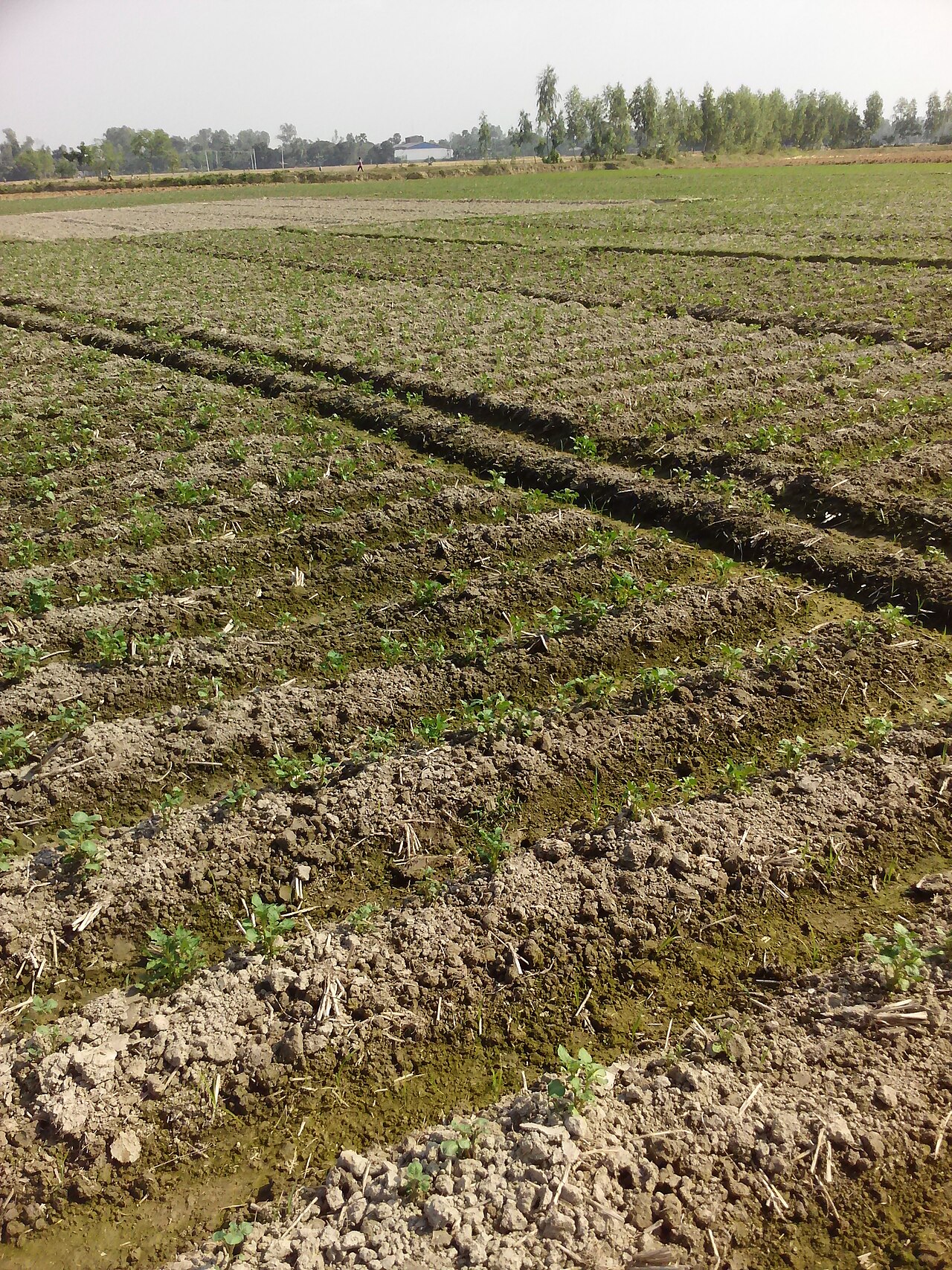
By the preliminary count of the upazila offices, losses were Tk 8 crore in agriculture, Tk 3 crore in fisheries and Tk 2 crore in livestock. A total of 176 ponds were damaged, along with 112 hectares of rice and 180 hectares of vegetables, while 160 acres of fodder grass were lost.
Most of the upazila's farming is in Syedpur, Baroiyardhala, Muradpur, Barabkunda and Banshbaria unions, and waterlogging was worst in the same five unions. Shah Alam, a farmer in Syedpur, said he had spent about Tk 25,000 growing ridge gourd on about 30 decimals of land. Just as it began to fruit, waterlogging burnt up the field, and no one from the agriculture office had come to inspect. After the water receded, he said, rice and vegetable plants were withering fast, as if something toxic had come in with the water.
Selim Uddin, a poultry farmer in Syedpur, said about 500 of the roughly 1,000 chicks he had stocked died when water entered his farm, a loss of Tk 40,000-45,000. Dipu Sharma of Baroiyardhala said all six large ponds he farms with two friends were flooded, a loss of about Tk 6 lakh.
Agriculturist Kalpana Rahman, upazila fisheries officer Md Muntasir Billah and livestock officer Dr Kallol Barua said the losses were being inspected and lists of those affected would go to the ministry, which would decide what action to take.
Sluice gates from 1962 and a low-lying west
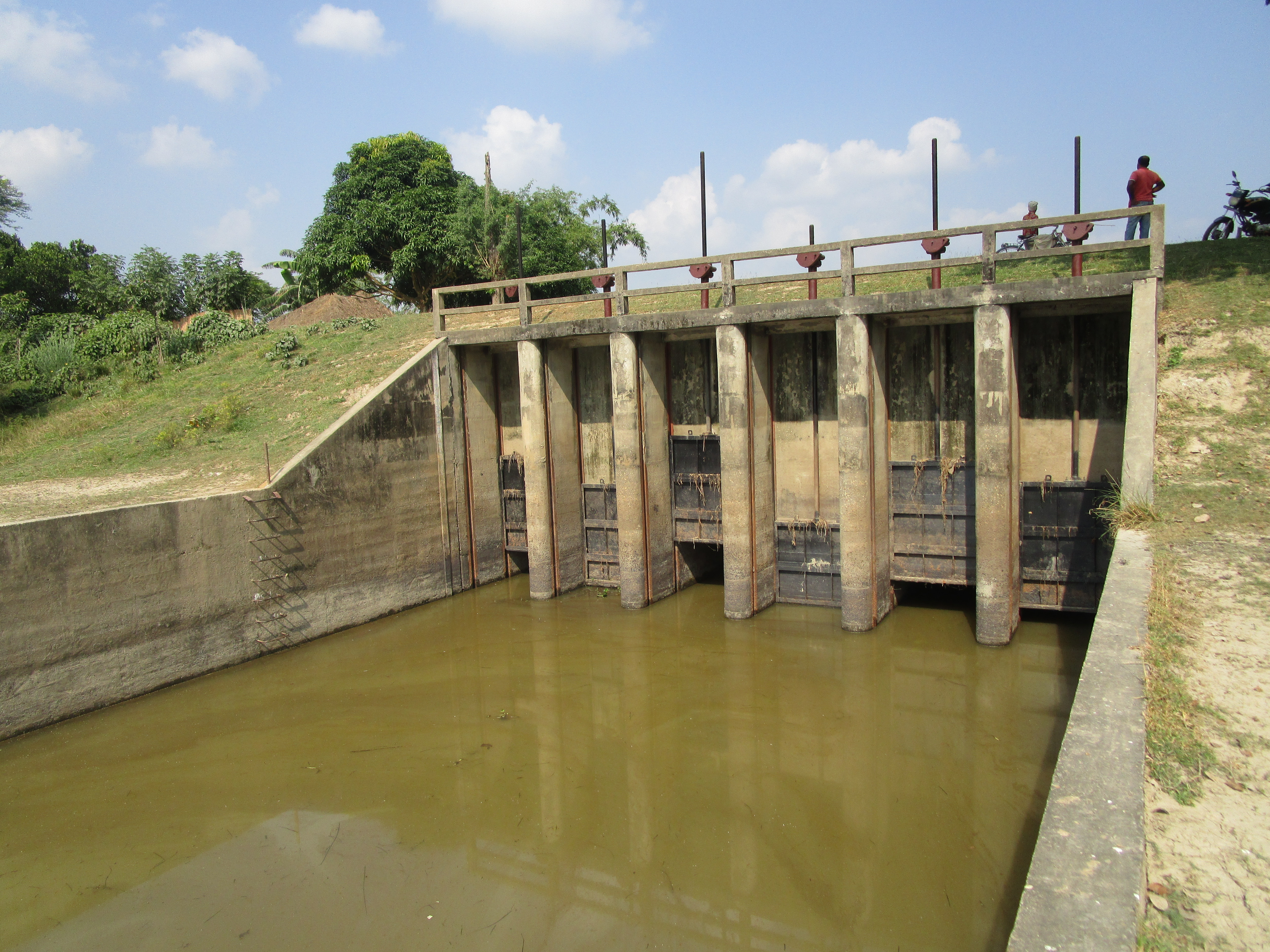
Land east of the Dhaka-Chattogram highway in Sitakunda is high and the west much lower, so days of rain left the low areas under water, and with most coastal sluice gates broken, the waterlogging became severe. Mohammad Ayub Ali, a farmer from Guliakhali in Muradpur union, had spent about Tk 4 lakh growing bottle gourd and snake gourd on one acre and 40 decimals. Four of the six gates of the Guliakhali coastal sluice were broken, he said, and two could not drain the water fast enough. He claimed that each of the roughly 300 farmers in his ward had lost more than Tk 2 lakh.
Himu Mahajan, sub-assistant engineer at the Sitakunda office of the Bangladesh Water Development Board, said most of the upazila's sluice gates were built in 1962, which is why most had broken down, and that new ones had been applied for. Fully dredging the canals, he said, would spare farmers the problem in the rains.
The problem was not new. Prothom Alo reported on 21 August 2024 that the sluice gate on the Sikdar canal in Banshbaria union had been broken by the water, putting 150 hectares of crops under water. In August 2025 Sitakunda recorded 208 mm of rain in 24 hours, the highest in the country, and low-lying parts of Kumira, Syedpur, Baroiyardhala, Muradpur and the municipality were flooded again.
Record rain and floods across Chattogram
The Patenga weather office recorded 412 mm of rain in Chattogram city in the 24 hours to 3 pm on 7 July, beating the previous record of 411 mm set on 4 August 1983. A preliminary report on 11 July by the Department of Agricultural Extension and the district fisheries office said 15,911.16 hectares of cropland had been damaged in the district, and that fish had been washed out of 9,933 ponds, tanks and fish farms in 153 unions, a fisheries loss of Tk 91 crore 41 lakh 53 thousand.
Sitakunda upazila covers 483.97 square kilometres, with Mirsharai to the north and the Sandwip Channel of the Bay of Bengal to the west. The 2022 census counted 457,396 people. Known for ship-breaking, it is still largely agricultural.

Photo: Syed Sajidul Islam / Wikimedia Commons (CC BY-SA 4.0)
Sources: Jagonews24, The Business Standard, Prothom Alo, Wikipedia


Comments
(0)