
A decade after megamergers promised farmers an "integrated acre" of seed, traits and chemicals from one company, the biggest input suppliers are breaking themselves up, DTN reports in the final part of its Blueprint for Growth series.
Corteva is splitting its seed and crop-protection businesses, BASF plans to separate its agricultural division, Bayer has moved its glyphosate business into a stand-alone subsidiary, Ruveon LLC, and Syngenta is pursuing an initial public offering. "I think for farmers, it's fundamentally good, because you'll get more competition," said Shane Thomas, author of the Upstream Ag Insights newsletter.
Analysts say seed and trait businesses now resemble pharmaceuticals, with long development cycles and licensing revenue, while crop protection faces generics and patent cliffs. Thomas said seed and biotech firms trade around 18 times earnings against eight to 10 for crop protection, so separating them unlocks value. He expects Corteva's crop-protection arm to buy or partner for new products, as FMC did when it teamed up with Corteva on a new herbicide.
Competition is shifting to who controls genetics and traits. Argentina's GDM entered the top tier of seed companies by buying AgReliant Genetics in 2025. Corteva's seed spin-off, Vylor, will expand trait licensing after a settlement with Bayer; CEO Chuck Magro put the annual licensing market at $4 billion and aims for about $1 billion in net licensing revenue over the decade.
Independent seed companies have fallen from more than 300 a decade ago to fewer than 125, said Todd Martin of the Independent Professional Seed Association, though regional firms such as Beck's, Wyffels and Stine have expanded. Martin pointed to patent questions ahead, including a lawsuit over Bayer's off-patent NK603 glyphosate-tolerant trait.
Regulatory scrutiny of bundling and loyalty rebates could open the door to smaller companies and generics. Agribusiness strategist Jorge Fernandez Vidal said the integrated acre may survive but be assembled by farmers themselves. The report is by Katie Micik Dehlinger, with Chris Clayton.
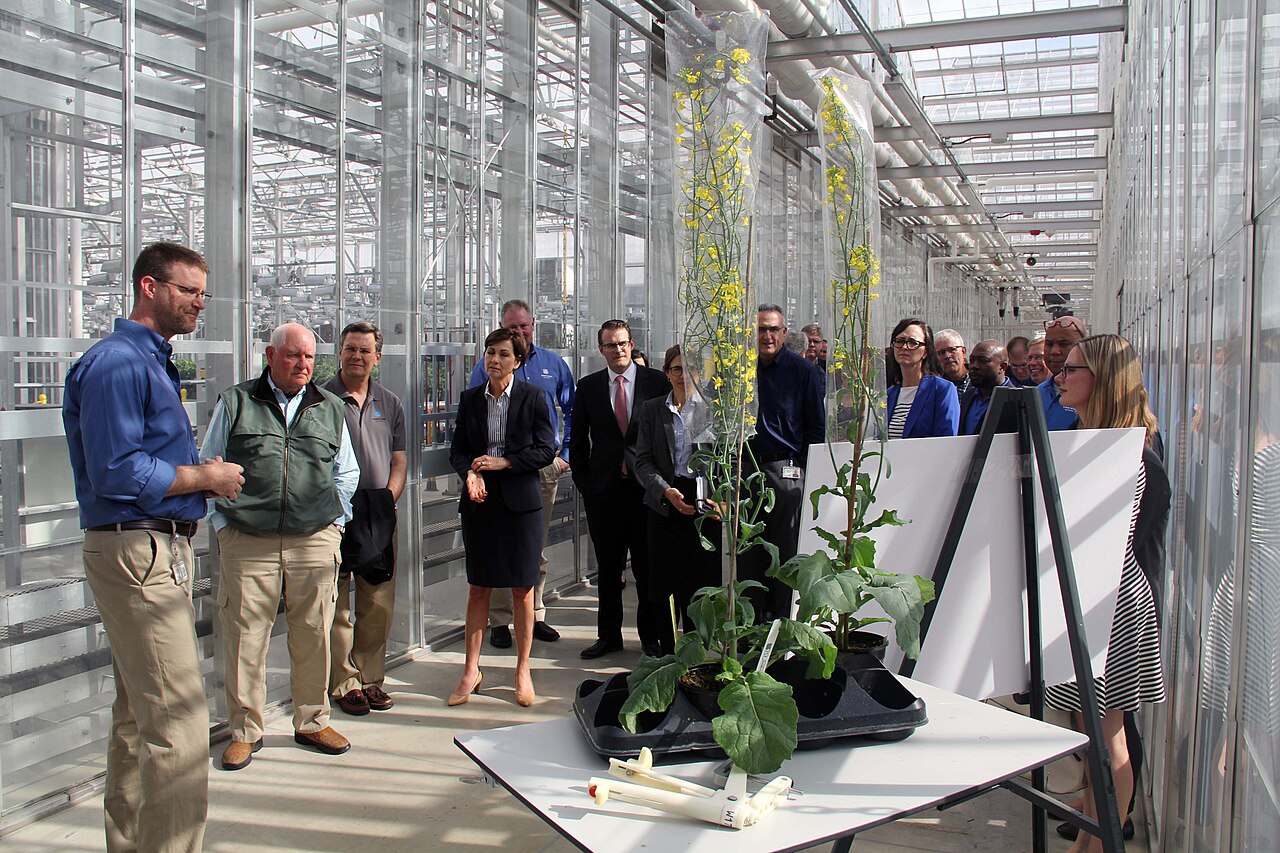
Photo: USDA photo by Darin Leach / Wikimedia Commons (Public domain)
Source: DTN / Progressive Farmer


Comments
(0)