
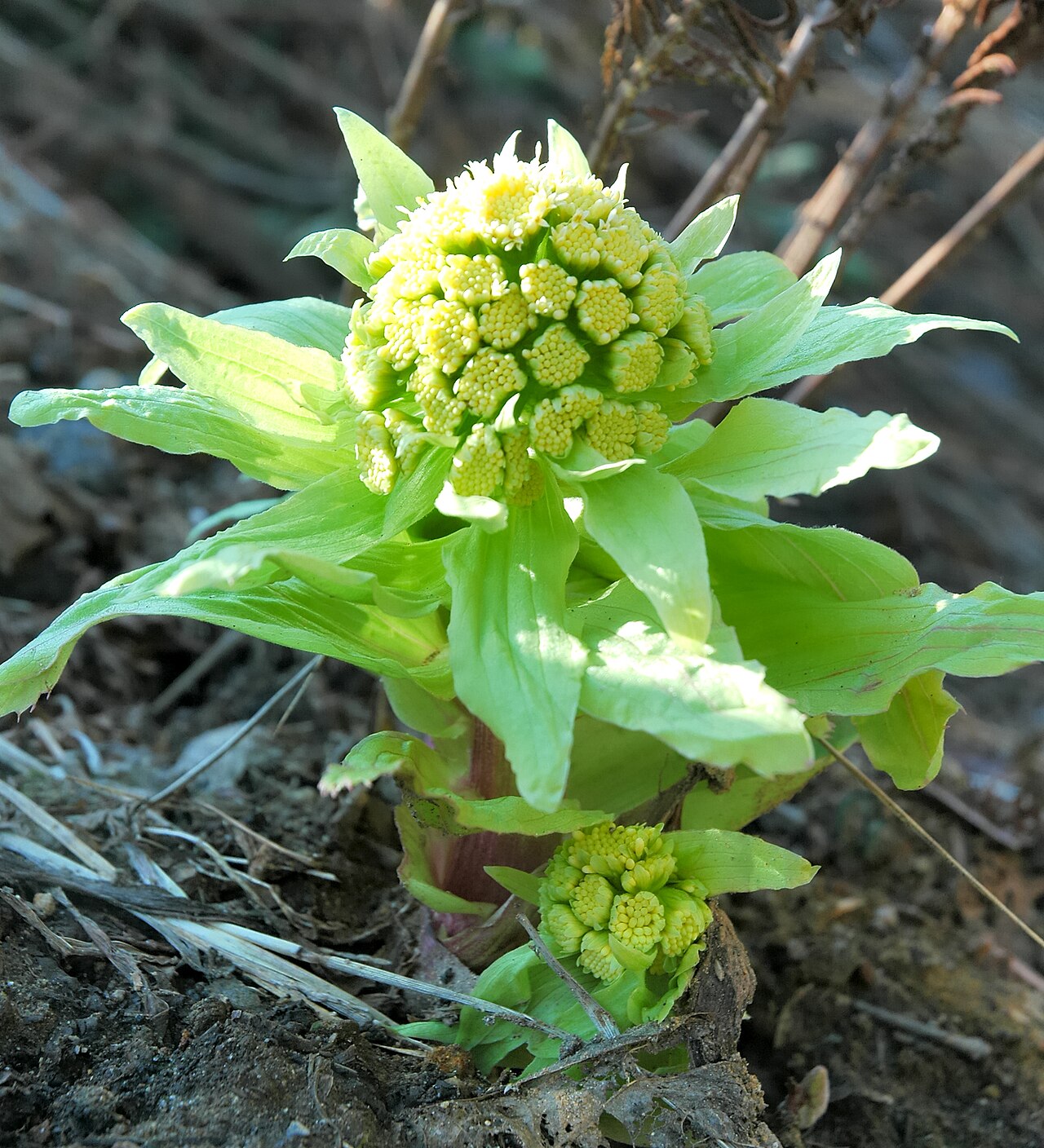
Tourists from Japan and abroad are paying to gather the wild vegetables that grow in Japan's hills and forests. Known as sansai, the plants draw older people, chefs, nature lovers and, increasingly, the young, and some visitors spend thousands of dollars on the experience. Ajker Patrika carried the story from a CNN report.
Sansai means 'mountain vegetables', and most are picked in spring. Emily Conran, a Japanese-British forager and documentary maker, told CNN there are more than 280 species, among them the flower bud fuki no to, the fern warabi and kogomi. They taste slightly bitter but fresh.
Conran left the UK in 2024 to live in a village in Nara. Foraging in Japan goes back to the prehistoric Jomon period, she says: disasters and sudden changes in the weather meant harvests were never certain, so sansai were a dependable source of food and are tied to memories of famine.
Growing interest in organic food and natural diets has brought sansai back into favour. Some studies hint at possible benefits from compounds in fuki, kogomi and udo, but research on how much good they do people who eat them is still limited, the report says.
Sansai are usually boiled, fried as tempura or preserved by fermentation. Chef Yuki Tanaka of the traditional restaurant Ise Sueyoshi puts them on his spring kaiseki menu. In villages, older residents share, cook and give away what they gather.
In Nagawa, Noe and Kenji Sekiya run a nature tourism business, Daijiya, which takes groups out for sansai in spring and mushrooms in autumn. A trip costs about $63 a person and includes safety and plant identification training, two hours of foraging in the forest and a meal cooked from the harvest. The organisers have been surprised by how many high school and university students come at their own expense.
Kenji Sekiya thinks that with artificial intelligence and digital technology advancing so fast, young people may be looking for a connection with real nature. Conran says city life has pulled people away from nature, and foraging brings them back.
Photo: Kropsoq / Wikimedia Commons (CC BY-SA 3.0)
Source: Ajker Patrika


Comments
(0)