
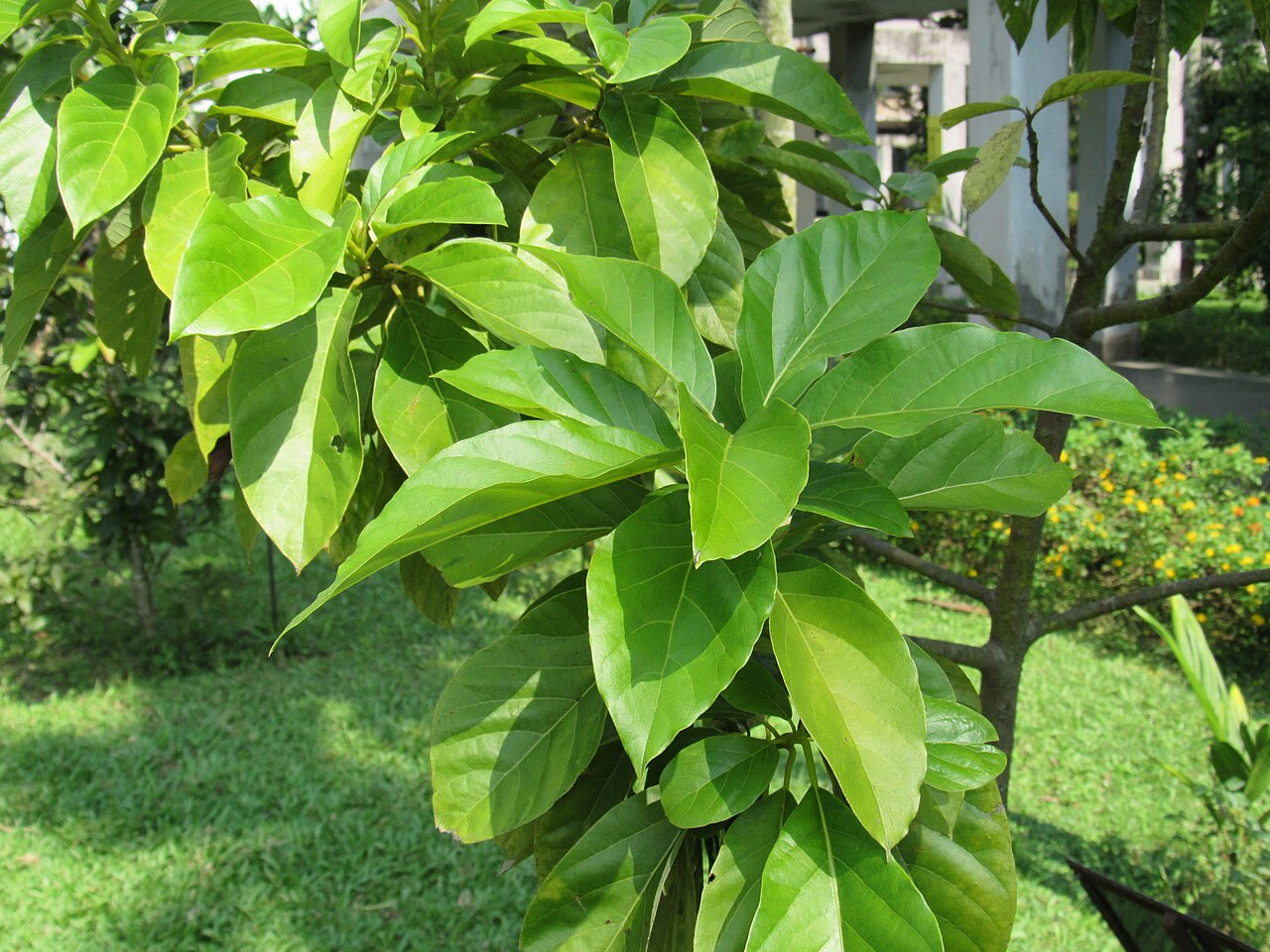
Avocados of the Hass, Bacon and Fuerte varieties are being harvested this month between Calimera and Vernole in Italy's province of Lecce, where they have become a lifeline for farmers whose olive groves were wiped out by disease, Euronews reported.
Since Xylella fastidiosa was first found in Puglia in 2013, the bacterium has killed a third of the region's 60 million olive trees, which once produced almost half of Italy's olive oil. Farms stopped producing and olive mills went bankrupt; with no known cure, the damage has reached €1 billion. The disease has since been found in France, Spain and Portugal, and in 2026 reached Calabria, where seven olive trees tested positive, and Basilicata, on an almond tree. A Joint Research Centre and EFSA assessment estimated that a large-scale spread could cost the EU €7.1 billion a year in lost production and put 540,000 jobs at risk.
At the Tommasi farm, where avocados were first planted in 2017, each tree now bears 70 to 100 fruits, about 10 quintals per hectare, and another 700 trees went in last April. The University of Bari estimates 23,885 hectares of Xylella-hit olive land in Puglia could suit avocados; tropical crops already cover about 4,000 hectares, helped by rising temperatures. Italy's January-October 2026 temperature was 2.11 degrees above the 1991-2020 average, the highest on record.
Water is the catch. An adult avocado tree can need up to 220 litres a day in Italy's hottest summers, and the crop's shallow roots make it dependent on soil moisture. The Water Footprint Network puts the footprint of a kilogram of avocado at 1,981 litres on average. Avocados are also sensitive to salty water and poorly drained soil.
Puglia ended its water emergency on 30 June 2026, but in early October the four reservoirs of the Capitanata area held 98.12 million cubic metres, under 30% of their capacity. Salento's farms rely on groundwater, where falling levels and seawater intrusion are documented, so more thirsty crops could sharpen competition between farms and households.
Photo: Afifa Afrin / Wikimedia Commons (CC BY-SA 3.0)
Source: Euronews (reporting by Stefania De Michele)

Comments
(0)