
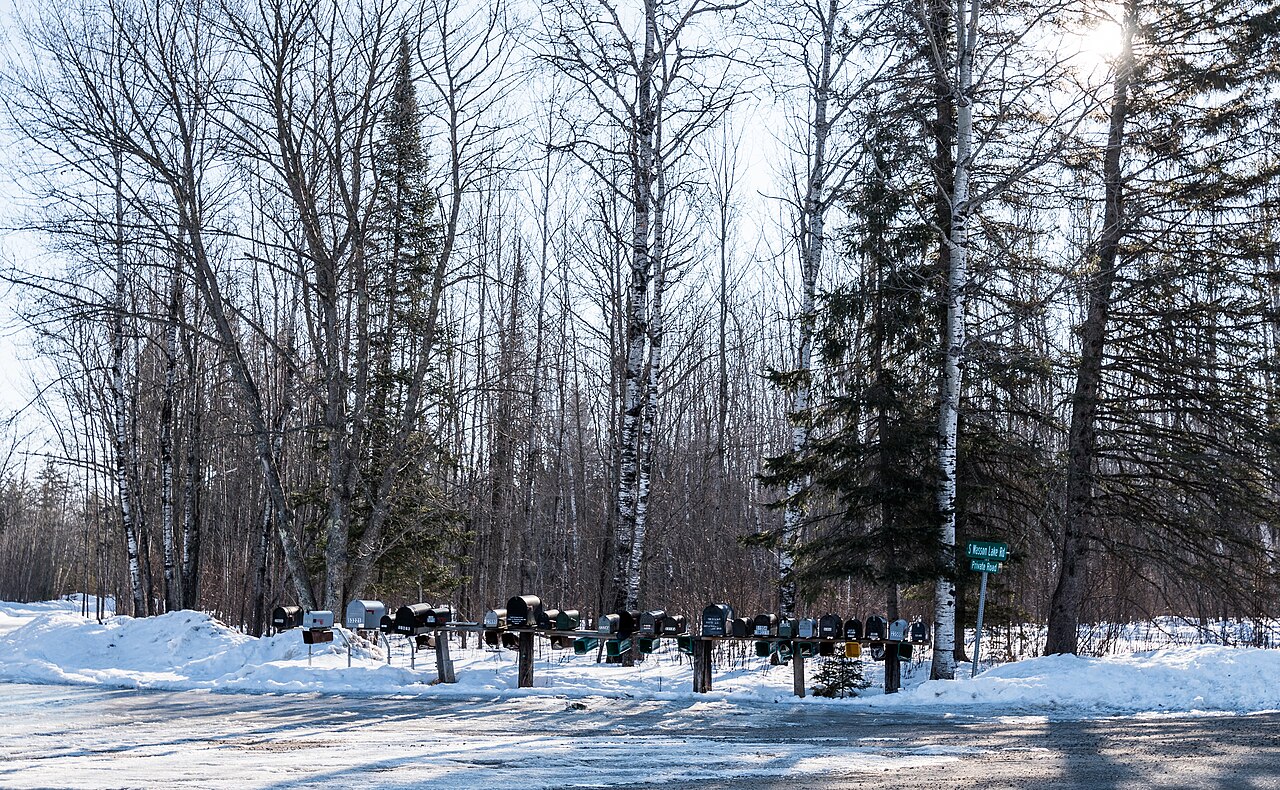
Rural Americans have complained for months that letters and parcels that once took two days now take a week. Speaking on American Ag Network's Agriculture of America programme, Max Garland, lead reporter at Supply Chain Dive, traced the slowdown to Delivering for America, the US Postal Service's 10-year plan to make the agency financially sustainable while delivering more reliably.
One part of the plan, the Regional Transportation Optimization (RTO) initiative, consolidates pickups and drop-offs at post offices more than 50 miles from a regional processing and distribution centre, according to a 8 September report by the USPS Office of Inspector General. Trucks leave those offices less often and carry more on each trip, which adds an extra transit day for parcels that start there. The Postal Service says the change cuts transport costs and can speed service near its large facilities, but it has acknowledged that more rural customers will see slower deliveries than faster ones.
The scale is wide. The Inspector General found that RTO is expected to reach 72% of ZIP codes in the contiguous US, covering 48% of the population and 29% of outgoing package volume, and every ZIP code in Louisiana, South Dakota, Vermont, West Virginia and Wyoming. In Vermont, which is 157 miles long and 90 miles wide, the First-Class Mail standard for mail crossing the state went from two days to four.
From October 2024 to April 2026, on-time delivery of competitive products such as Priority Mail and Ground Advantage was lower on average in ZIP codes under RTO than elsewhere. The report says the Postal Service has cut transport spending by about $755 million since 2021, but its finances have not improved and service has declined, with rural communities feeling it most; it warns the agency risks losing customers who see the service as unfair. "For rural customers specifically, they've said more rural customers are going to see slower transit times than faster ones," Garland said.
For farmers and ranchers who rely on the mail for payments, equipment parts, seed orders, legal notices and prescriptions, the programme's advice is to allow extra time for delivery. Garland stressed that local carriers are working within rules set far above them. The Postal Service says it is reviewing the most affected locations for ways to improve service.
Photo: Tony Webster / Wikimedia Commons (CC BY 2.0)
Source: American Ag Network

Comments
(0)