
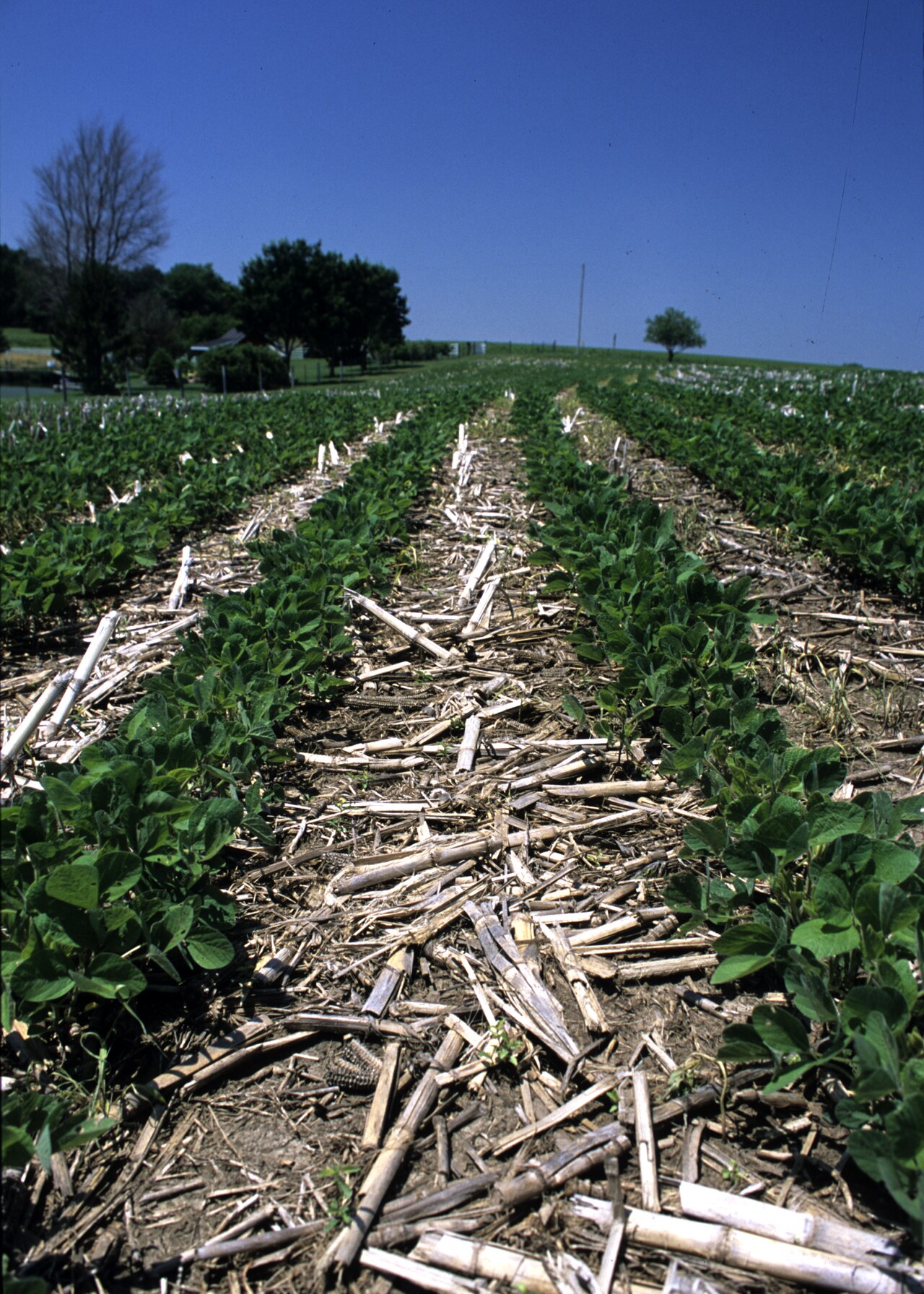
Some of the world's largest food companies, among them Nestlé, Danone and Mars, have signed the Regen Compact, an agreement to speed the adoption of regenerative agriculture, FoodNavigator reported on 17 November. The compact is led by the Circular Bioeconomy Alliance (CBA), which King Charles III founded when he was Prince of Wales.
Signatories commit to the compact's five principles, which include being farmer-led and nature-based, with farmers recognised as central to regenerating nature, and context-specific, adapting to local conditions. They are to build regenerative farming into how they operate, drawing on priority actions for each company, and to track progress in a way the CBA describes as transparent and farmer-led. Progress will be measured and reported every year, said CBA chief executive Marc Palahí, and "new financial models" will be offered to pay for the change.
The CBA lists practices such as organic fertilisers, minimal tillage, planting trees to shade crops and using digital tools to tell when land needs water, supported by long-term commercial certainty for farmers and direct investment in farmer support. "Farmers cannot make this shift alone," said Anna Manz, chief financial officer of Nestlé.
The alliance's case is that farming is both a cause and a victim of the climate crisis. "Over-simplified land management has degraded land and soils; they have lost resilience to cope with extreme events," Palahí said. It points to 2026: by early August wildfires had burnt more than 500,000 hectares across Europe, and heat and drought had cost the grain sector about €2 billion, while wet winters and floods disrupted farms and supply chains.
Tom Denyard, managing director of the British retailer Waitrose, said the UK's smallest harvest on record this summer showed farms must be able to cope. "Regenerative farming is about looking after the soil, so it can keep feeding us through the good years and the bad," he said, adding that the compact brings the whole food industry behind farmers.
Photo: Lynn Betts, USDA Natural Resources Conservation Service / Wikimedia Commons (public domain)
Source: FoodNavigator

Comments
(0)