
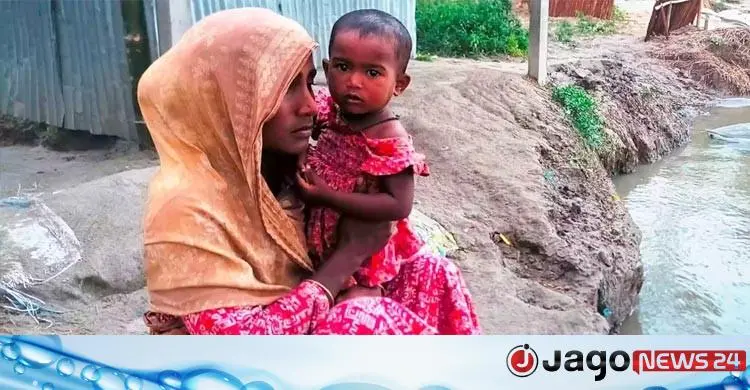
Eid-ul-Adha arrived as a silent sorrow this year on the river-bound chars of the north. On the hundreds of chars scattered across the Teesta, Dharla, Brahmaputra and Dudhkumar rivers there was no festive colour and no joy of Qurbani. In some homes no meat went into the pot even on Eid day; elsewhere people stayed up at night guarding their homesteads in fear of river erosion.
According to a report by the news agency UNB, the five districts of the Rangpur region (Lalmonirhat, Rangpur, Kurigram, Nilphamari and Gaibandha) have about 700 chars, the most of them in Kurigram, about 450. Each char is home to 150 to 500 families, who depend mainly on farming. This year losses on almost every crop, including potatoes, rice and maize, have taken away the joy of Eid, and on most chars no animals were sacrificed.
Losses on every crop
Moqbul Hossain, a farmer from Gobardhan in Mohishkhocha union of Aditmari upazila in Lalmonirhat, is 68 and has spent most of his life in the fields. This Eid was not a festival for him but another day of sighs. Paddy was drying in his yard, but there was no Eid joy in the house and no children smiling in new clothes.
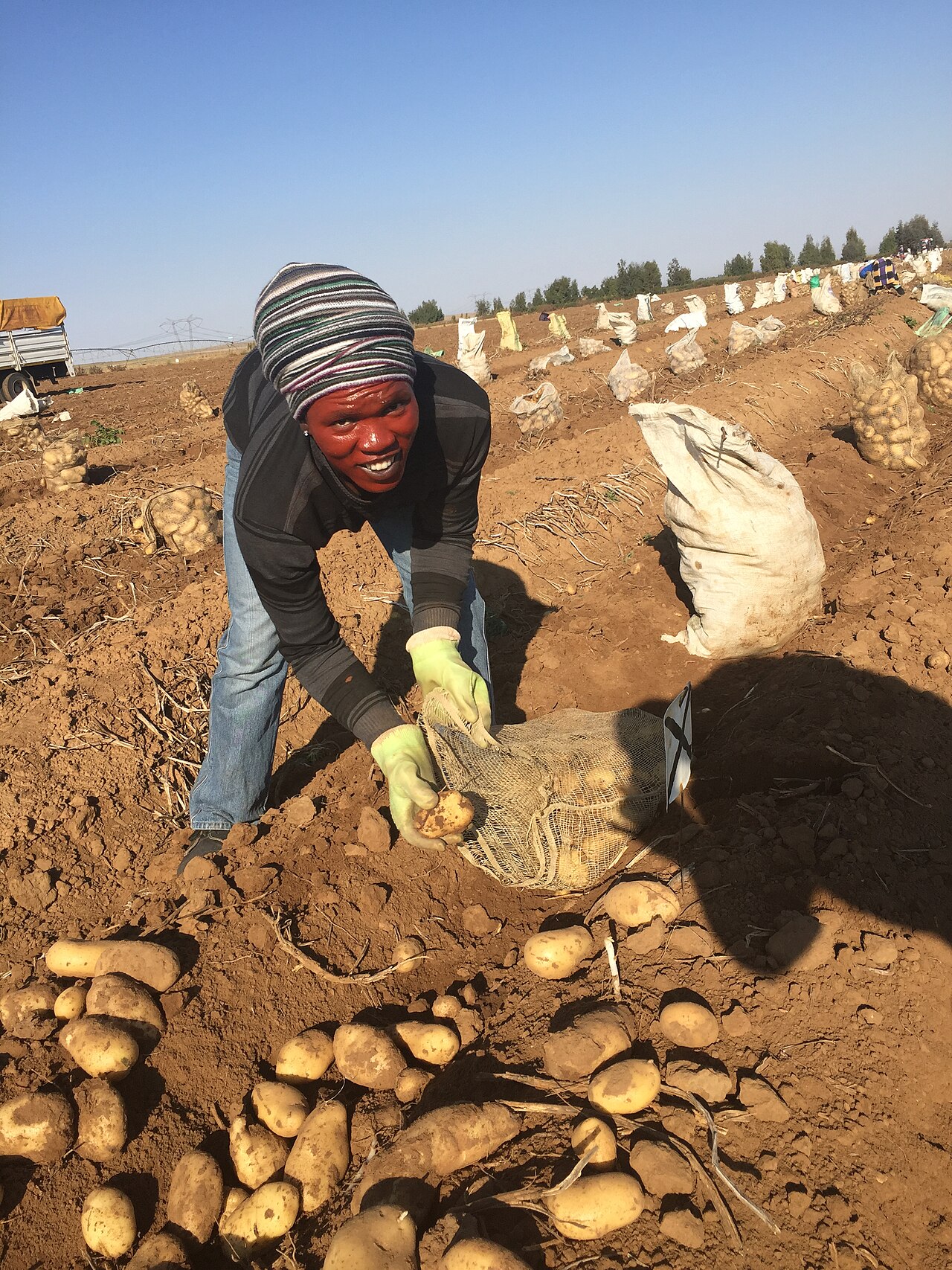
He lost more than Tk 3 lakh growing potatoes on 11 bighas and still owes Tk 2.5 lakh. He had hoped Boro rice would bring some relief, but despite a good harvest the market price disappointed him further.
"It cost about Tk 950 to produce a maund of paddy, yet I have to sell it at Tk 800 to 850," he said. "Rice, potatoes, maize: losses everywhere. Several rounds of nor'westers also ruined the vegetables. Farming this year has been nothing but loss after loss. There is no peace of mind, and no joy of Eid."
Erosion on Folimari
About 300 families live on Folimari, an island char in the Dharla river in Lalmonirhat Sadar upazila. For several days fear of erosion has gripped the whole char, and the riverbank kept collapsing even on Eid day, so anxiety has replaced celebration. Last year two cows and three goats were sacrificed on this char; this year there were none.
Resident Saheda Bewa said: "A week ago the river swallowed three bighas of our land and our homestead. The rest of the land is also at risk, and the erosion went on even on Eid day. In a situation like this, where is the joy of Eid? Forget meat, we ate rice with lentils and vegetables."
She said the 10 kg of rice they received from the government is now their main support.
'There is no Eid in our family'
Ali, 65, a farmer on Char Tepamadhupur in the Teesta river in Kaunia upazila of Rangpur, was downcast even on Eid morning, and returning home after prayers at the Eidgah only made it worse. He could not buy new clothes for anyone in his seven-member family. Last year he had a share in a sacrificed cow; this year he cannot even afford to buy meat at the market.
"Potatoes ruined us. I couldn't save the rice either. We are not even recovering production costs. Maize prices are low, tobacco prices are low; all in all, we are finished," he said. Farming 25 bighas, he now owes Tk 3 lakh, and pressure from lenders grows every day.
In a voice choked with tears, Ali said: "Growing crops cost more this year, but prices fell. We can't even recover the cost of production. There is no Eid in our family this year."
Officials and campaigners
Professor Shafiqul Islam Bebu, convener of the Kurigram Char Development Committee, said there had been no animal sacrifice on most chars this year. Many chars had held Qurbani last year, but people are now deeply frustrated after failing to get fair prices for their produce. "Char people depend entirely on farming, but crop prices this year were so low that they made losses. So most families have no Eid joy," he said.
According to the Department of Agricultural Extension (DAE), the Rangpur region has about 12 lakh farming households, four lakh of them living on the chars. Rice, potatoes and maize are the main crops there.
Sirajul Islam, additional director of the DAE's Rangpur regional office, said: "Production was good this time, but market prices were low and production costs rose, so farmers are frustrated. That has affected Eid celebrations too. If farmers keep making losses, they will lose interest in farming."
The report is based on UNB.
Source: Jagonews24. First published in Bengali on The Agro News.
Comments
(0)