
By Abu Rayhan
As soon as Ramadan arrives, the market's scales seem to start moving the wrong way. Goods that were affordable last week are hard even to touch today, yet farmers never get a fair price. Potatoes, rice, lentils, oil, chickpeas: every item carries a new price tag. Even before the month of restraint arrives, households start to feel the strain of their budgets.
In economic terms, when demand rises, the price of agricultural goods rises; that is the normal rule. Demand for consumer goods does rise somewhat in Ramadan, especially for iftar and sehri. But the question is whether this demand is so abnormal that the vegetable market must become unstable every year. The reality is that the crisis comes more from management, monitoring and a lack of ethics than from demand.
A crisis of management
That Ramadan is coming is not news: the month comes at a set time each year. Even so, traders do not stock goods in advance, and import and supply planning falls short. In many cases prices are raised by creating an artificial crisis. Some dishonest traders see Ramadan as a chance to hoard goods and make excess profits, and the month of restraint turns into a month of profit.
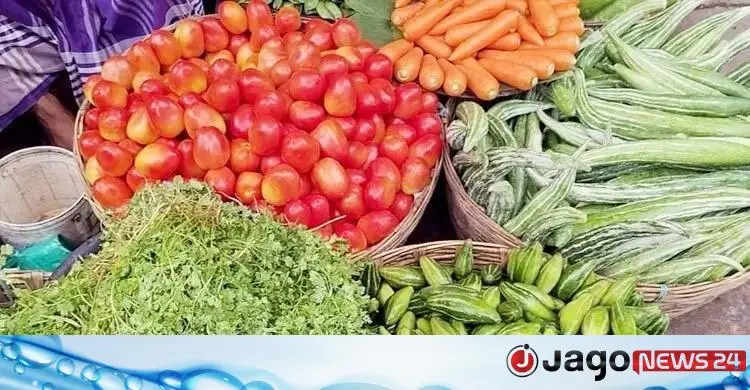
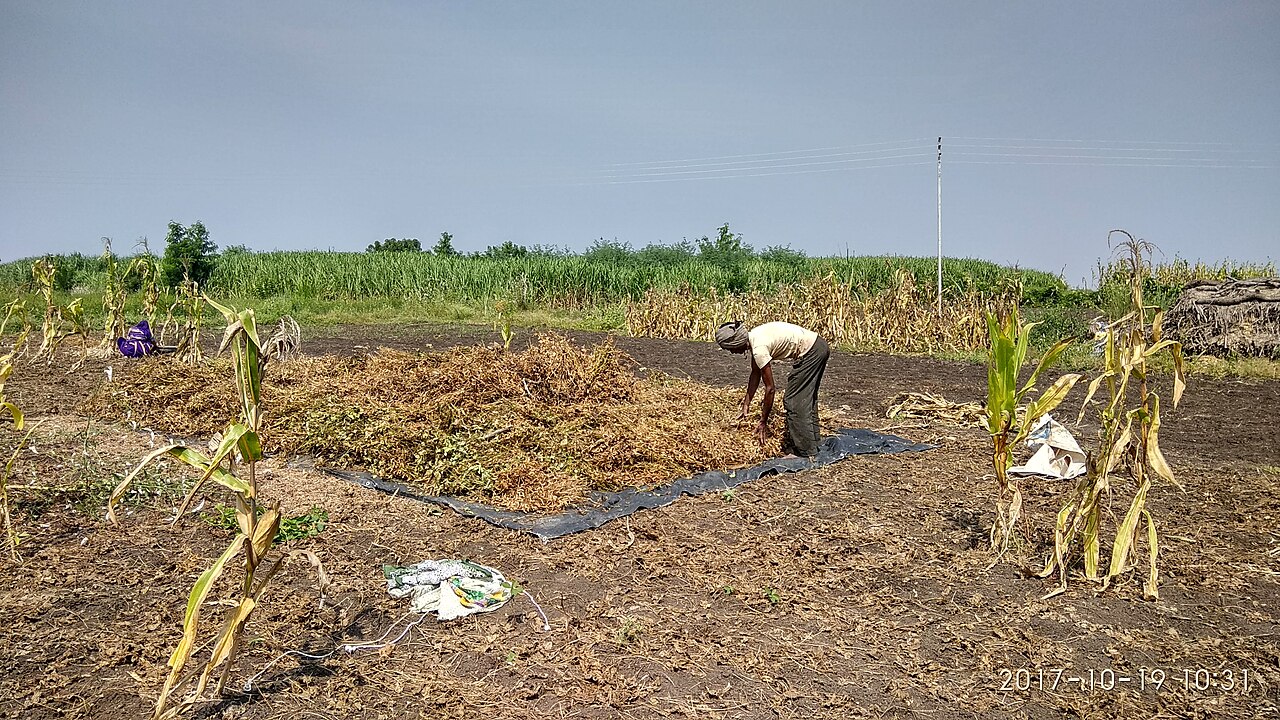
At the same time, farmers do not get a fair price for what they grow. They may sell potatoes from the field at Tk 12 a kg, but in the market the same potatoes become Tk 25. Pointed gourd goes to Tk 400 a kg, bitter gourd to Tk 200, and beans worth Tk 20 become Tk 60. Look into it and you will find the farmer sold them for a pittance because Ramadan had come.
Every year the government takes steps to sell goods at fair prices, through TCB truck sales, OMS and mobile markets. But these efforts are very limited compared with demand, and a large part of the population is left out. That puts pressure on the open market, and profiteers take advantage.
Consumers and monitoring
Consumers' role cannot be denied either. When Ramadan comes, we buy more than we need, stocking up for fear that prices will rise later. Demand suddenly jumps, the supply system comes under strain, and the market becomes unstable, pushing prices up further.
Another important issue is weak supervision. Market monitoring is stepped up, but it often stays at the level of show. With few examples of punishment, dishonest traders dare to do the same thing again and again, and it is the farmer who suffers. Without regular and effective surveillance, market control remains on paper.
Ramadan teaches us restraint, compassion and a sense of justice. Yet if ordinary people are gasping for breath in this very month, where is that lesson put into practice? Controlling the market is not the government's responsibility alone: farmers, traders, consumers and the administration all share it.
To keep the market from becoming unstable whenever Ramadan comes, we need advance preparation, strict monitoring and, above all, the practice of ethics. Otherwise the month of restraint will turn again and again into a month of price rises, a burden ordinary people will have to bear. Farmers will have to buy the crops they grew at higher prices.
The writer is a student at Rajshahi College.
Source: Jagonews24. First published in Bengali on The Agro News.

Comments
(0)