
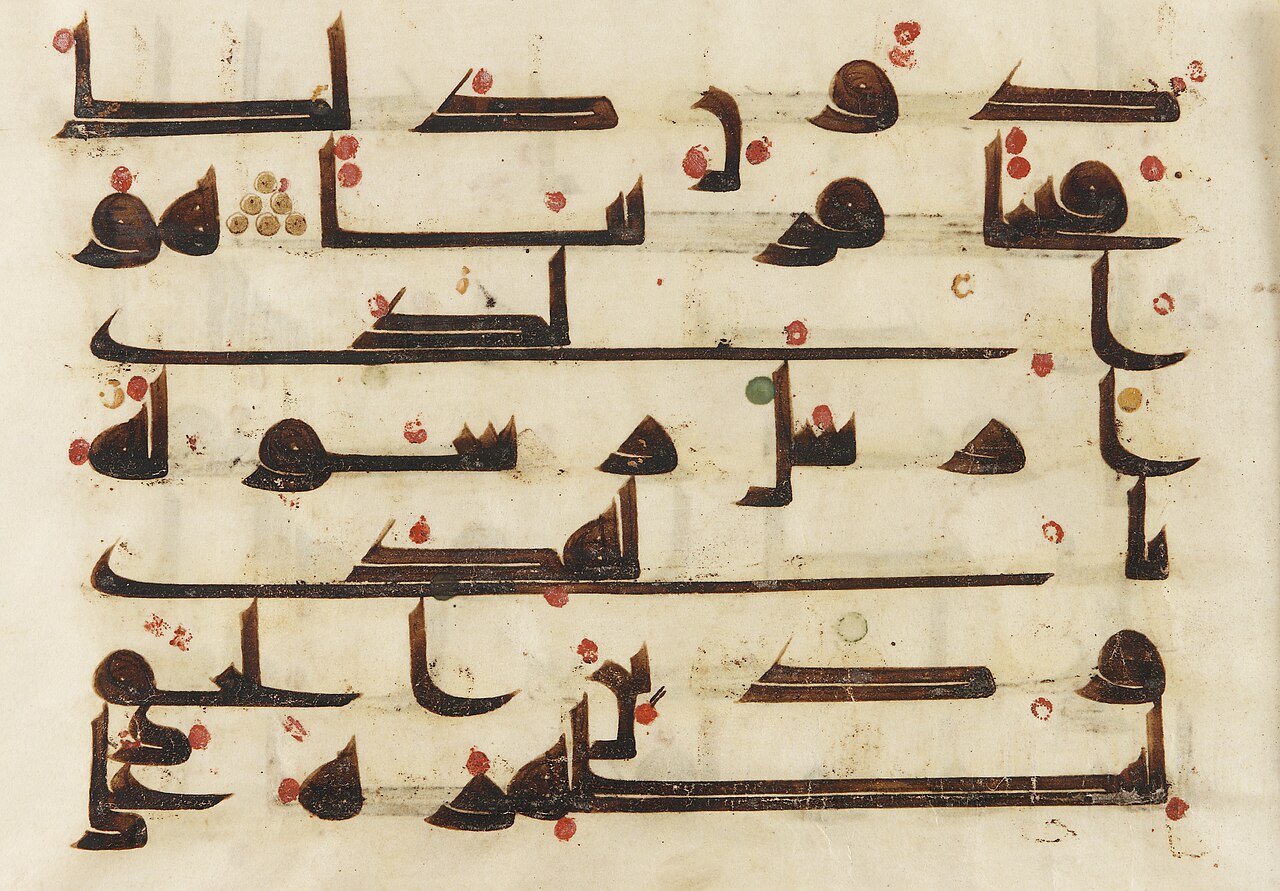
One day the companion Abu Dharr al-Ghifari asked the Prophet Muhammad (peace be upon him) which deed would protect a servant of God from the fire of Hell. Writing in Prothom Alo, Ehsan Siraj notes that the Prophet did not stop at describing the punishment: he pointed to simple ways out, and every one of them runs through making this world more humane.
The first is sincere faith in Allah. But faith is more than words, the writer says: the Prophet compared it to a tree of more than seventy branches, the highest being the declaration of God's oneness and the lowest removing something harmful from a path (Sahih Muslim, hadith 35).
The second is spending from one's own earnings for the good of others. The Quran says Allah does not wrong anyone by even an atom's weight, and multiplies a good deed many times over (Surah An-Nisa, verse 40). And if a person has nothing to give? The third path is to encourage good and hold others back from wrong with kind words and honest advice.
If even that is beyond someone, the fourth path is to help a person who cannot manage their own affairs, called akhraq in Arabic. Carrying an elderly neighbour's shopping bag or showing a lost stranger the way, the writer says, counts among such deeds.
The fifth is to stand beside someone who is oppressed. And for the person too weak to help anyone at all, the sixth: at least keep others safe from your own harm. The Prophet said the true Muslim is the one from whose tongue and hand other Muslims are safe (Sahih Bukhari, hadith 10).
At the end of the conversation Abu Dharr asked whether someone who does these things will enter Paradise. The Prophet assured him that any believer who attains even one of these qualities will be led by that deed into Paradise (Bayhaqi, Shu'ab al-Iman, volume 3, page 205).
None of the six paths, the writer observes, is worship done alone in a cave; each is tied to relationships and to duty towards society. Bringing a smile to someone else's face as far as one can, and, failing that, at least hurting no one, is the simple practice he calls the road to peace in this life and the next.
Photo: Unknown, Abbasid period / Wikimedia Commons (public domain)
Source: Prothom Alo


Comments
(0)