
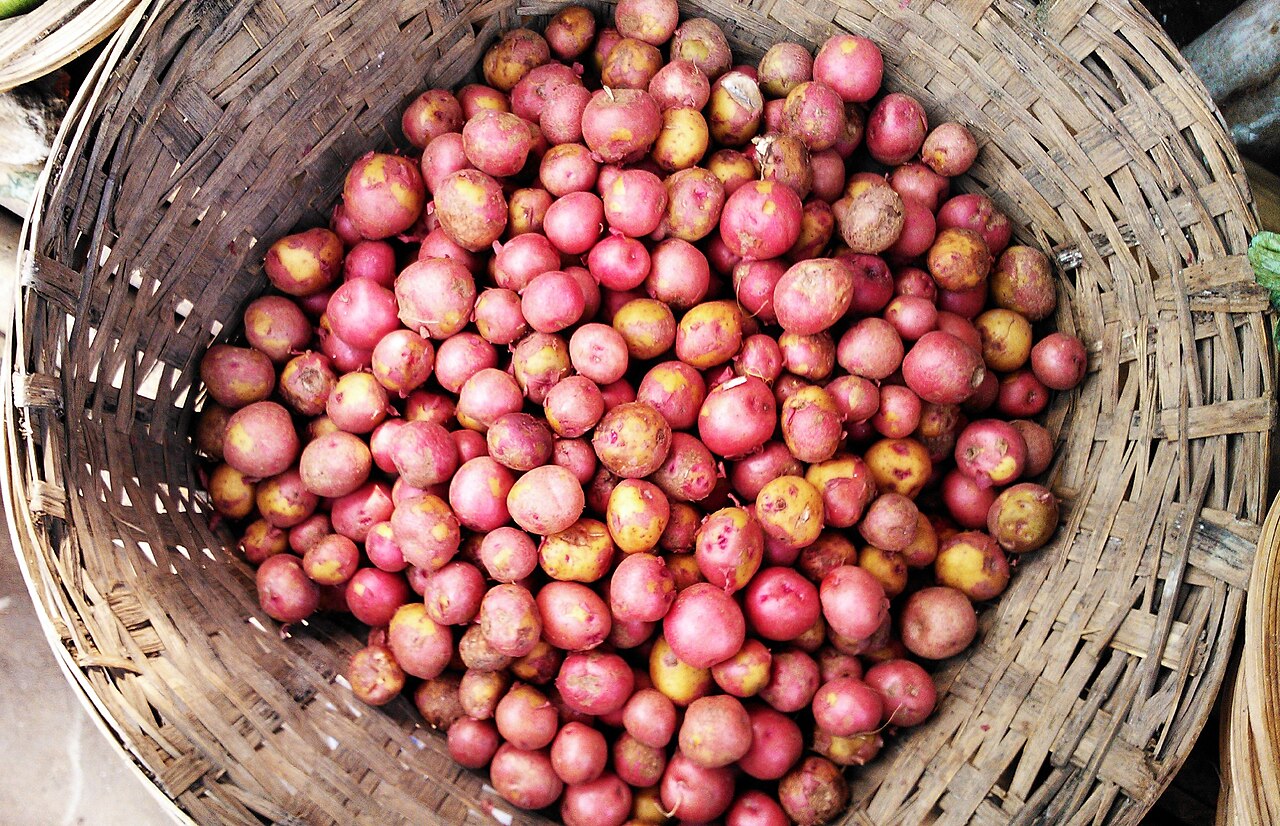
New potatoes are starting to reach markets while last season's crop still sits in cold stores. At the wholesale stalls of Riazuddin Bazar in Chattogram, those potatoes sell for Tk 12 to 13 a kilo, Tk 25 at vegetable shops and Tk 100 for five kilos from rickshaw vans. Farmers, wholesalers and traders alike are worried whether these prices will cover their costs.
Ranjit Das of Tongibari, Munshiganj, grows potatoes and also buys from neighbouring farmers in season, stores them and supplies Chattogram's wholesalers. He told Banglanews24 that seed, land rent, tractor hire, fertiliser, pesticide, labour, cold storage, transport and the wholesaler's commission put his average cost above Tk 14 a kilo.
All costs have risen with fuel prices, he said. Ploughing one kani of land by tractor used to cost Tk 14,000 and now costs Tk 22,000. A truck carrying 14-15 tonnes of potatoes from Munshiganj to Chattogram has gone from Tk 14,000-15,000 to Tk 19,000-20,000. Imported Dutch seed potatoes cost Tk 12,000 to 13,000 for 50 kilos, labourers earn Tk 700 to 1,000 a day with food and lodging, and about eight months in cold storage costs Tk 6 a kilo.
"We are small farmers. I grew potatoes on five kani. I still haven't raised the money to plant this year, and I have run up a lot of debt," Ranjit said. Many growers like him are wondering what they will do if the stored crop does not sell. Taslim Uddin, who sorts and sells potatoes from a van, said that after throwing out rotten and damaged tubers and paying his costs, he makes no more than about Tk 3 a kilo.
Sources cited in the report put annual demand at about 9 million tonnes, against production of 11.5 million tonnes in the 2025-26 fiscal year. The Department of Agricultural Marketing set the maximum cold-storage rent at Tk 6.75 a kilo in March 2025; on 30 August the agriculture ministry cut it by 75 paisa to Tk 6, a rate that holds until 31 December.
S M Nazer Hossain, vice-president of the Consumers Association of Bangladesh (CAB), said surplus potatoes should be exported, alongside better choice of varieties, cheaper storage and value-added products such as potato powder. The government should offer incentives to grow varieties in demand abroad and make sure farmers get a fair price, he said.
Photo: NahidSultan / Wikimedia Commons (CC BY-SA 3.0)
Source: Banglanews24

Comments
(0)