
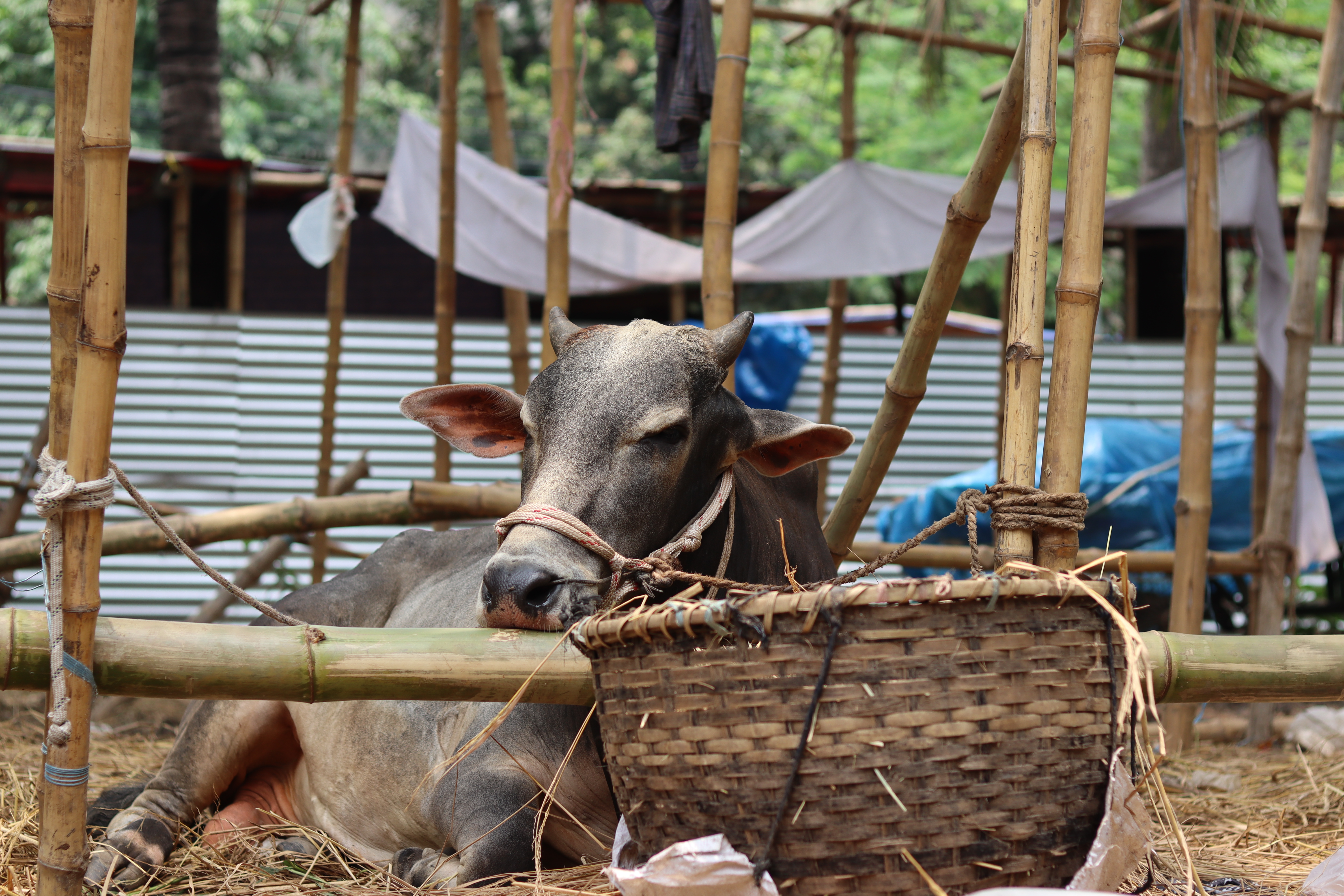
On Eid-ul-Azha day, Thursday 28 May 2026, trading in the raw hides of sacrificial animals picked up at Posta in Dhaka's Lalbagh, the country's largest wholesale market for rawhide. The government had raised its fixed hide prices this year, yet at Posta the hides were changing hands at about last year's rates, supply was lower than usual, and wholesalers said they feared they would not meet their purchase targets. This account draws on the on-the-spot report of Jagonews24 and on the prices and arrangements that the Ministry of Commerce and the authorities announced before Eid.
Trading at Posta on Eid day
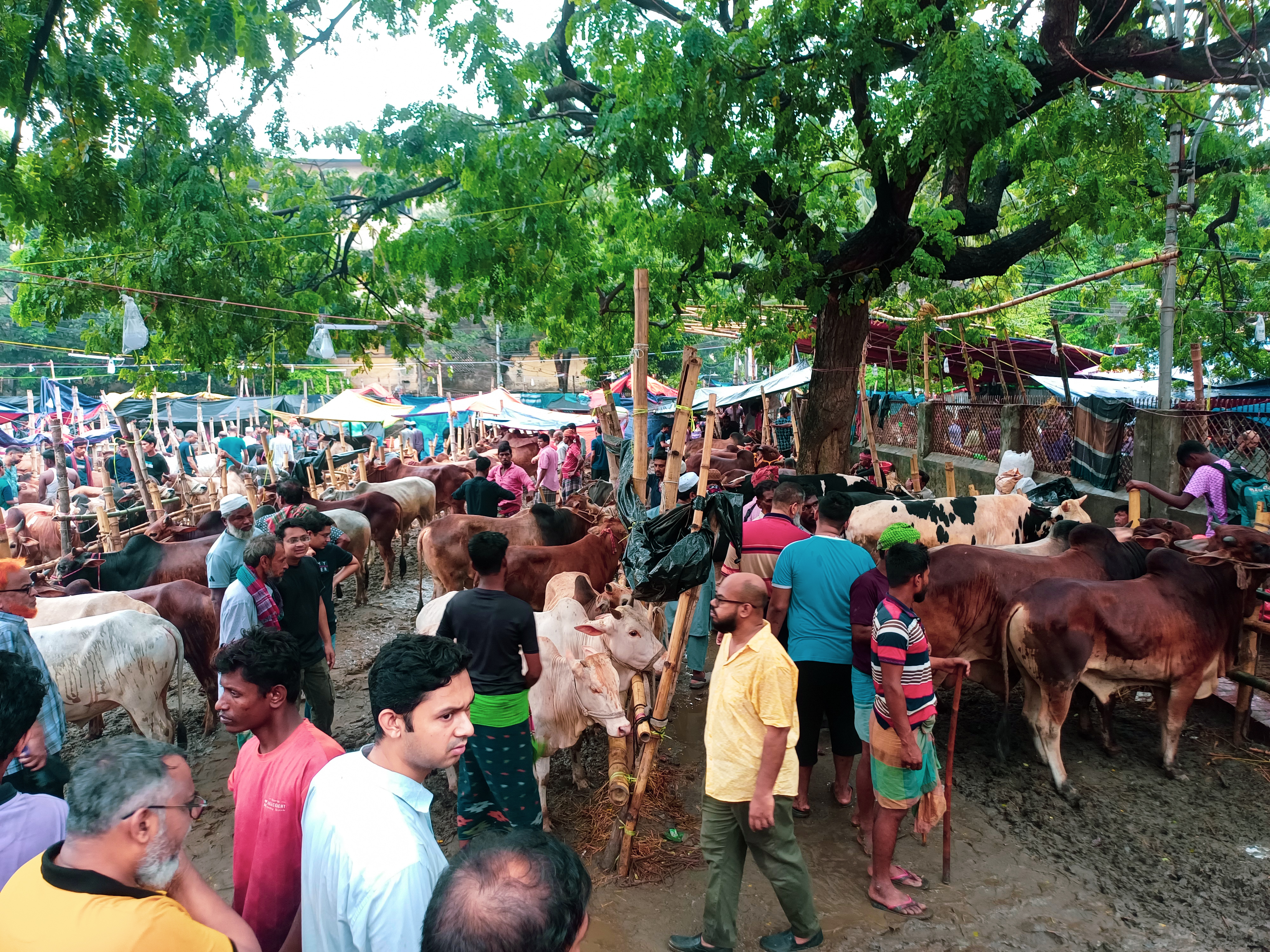
Hides began arriving at Posta from different parts of Dhaka after midday. Middlemen (fariya), madrasa teachers and students, and representatives of various institutions brought the hides on vans and pickups. Shaista Khan Road, Raj Narayan Dhar Road and nearby streets in Lalbagh rang with the calls of wholesalers (aratdars), who were collecting hides from seasonal traders from different areas. When a price was agreed, the hides were taken into warehouses.
Trading really picks up after 5pm on Eid day, and collection was due to continue until 10pm, the report said. Hides collected at Posta are first salted for preservation and then sent on to the tanneries at Hemayetpur in Savar. Salting is the first and most critical step, because a rawhide that is not salted within a few hours begins to rot, so on Eid night the seasonal traders and warehouse workers are effectively racing against time.
The government's 2026 rates
The Ministry of Commerce had fixed this year's hide prices on Wednesday 13 May 2026. Under the rates announced after a meeting at the ministry, salted cowhide was to be bought at Tk 62 to Tk 67 per square foot in Dhaka and Tk 57 to Tk 62 outside Dhaka. Last year those ranges were Tk 60 to Tk 65 and Tk 55 to Tk 60, so each had been raised by Tk 2 per square foot. Salted khasi (castrated goat or sheep) skin was set at Tk 25 to Tk 30 per square foot and goat skin at Tk 22 to Tk 25, the same inside and outside Dhaka.
Because hides are priced by area, the total value of a hide depends on its size. A member of the tanners' association explained the differences to the state news agency BSS. By his account, the hide of a small animal, from cattle priced at about Tk 1 lakh or less, runs to roughly 20 to 22 square feet; a medium hide 20 to 28 square feet or a little more; a large hide 30 to 40 square feet; and a very large hide up to about 50 square feet. At the fixed rate, he said, a single cowhide works out to roughly Tk 1,200 to Tk 3,500, while a khasi skin of 3 to 6 square feet is worth about Tk 150 to Tk 200.
Because the set price is per square foot, a large, well-preserved hide should fetch far more than a small one, which is why both the size of the animal and the care taken in salting decide what a trader finally earns. To help traders preserve hides at those rates, the government said it would provide salt worth about Tk 17.6 crore free of charge for the Eid hides, and local administrations would train mosque and madrasa staff to salt and store hides properly after the sacrifice.
Prices at Posta and the traders' complaint
At Posta, however, the set rates were not on offer. According to the report, after midday the wholesalers were buying each large hide for Tk 750 to Tk 900, medium hides for Tk 600 to Tk 700 and small hides for Tk 150 to Tk 500. Seasonal traders and people connected with madrasa authorities voiced anger at not getting the government price. Their complaint was that the cost of salt and preservation had risen while hide prices stayed where they had been last year.
Anwar Hossain, owner of the Kamal and Sons hide warehouse at Posta, told Jagonews24 that arrivals had been higher the previous year because more animals were sacrificed. "This year fewer animals were sacrificed and fewer hides are coming in. On Eid day today my target was to buy 1,500 pieces, but so far I have bought 750. I fear the target will not be met this year," he said. He added that as soon as the sacrifice ends in Dhaka city, many hides now head straight towards Hemayetpur, which was another reason fewer were reaching Posta.
In other words, while the government had fixed a rate by area, hides at Posta were selling for much less on a per-piece basis. On the tanners' association figures given to BSS, a large cowhide should have been worth several thousand taka at the set rate, yet at Posta even a big hide was fetching Tk 750 to Tk 900. The seasonal traders said that at such prices they could barely cover their salt and transport costs, which was the basis of the wholesalers' fear that the purchase targets would not be met.
Why less rawhide reached the market
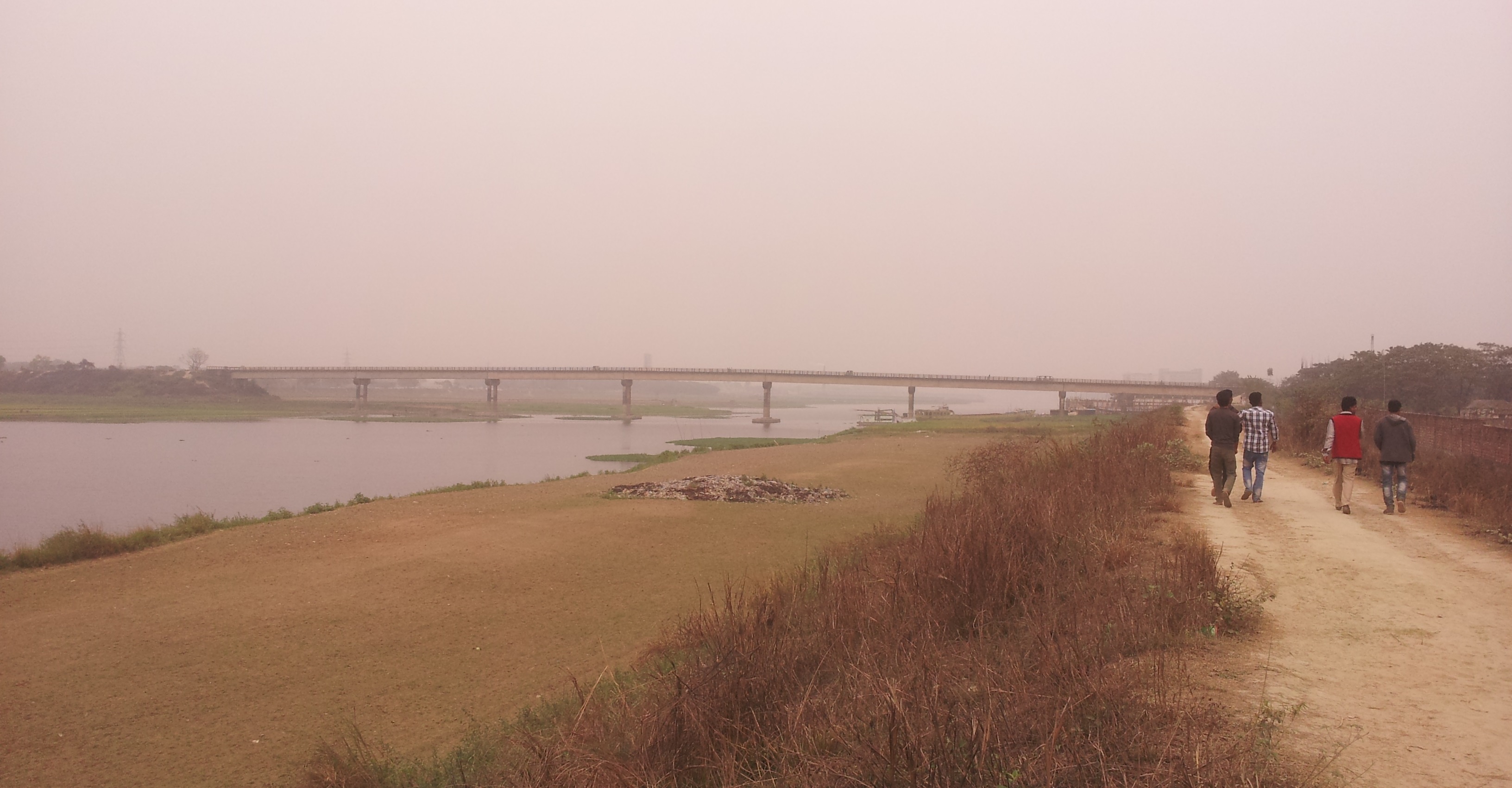
Traders said the main reason supply had fallen was that, once the sacrifice ends in Dhaka city, many hides now go straight to Hemayetpur in Savar rather than to Posta. A government decision added to this. According to the BSS report of 25 May, raw hides from outside Dhaka were banned from entering the capital for seven days after Eid, to keep the leather estate and the central effluent treatment plant (CETP) within capacity and in order. Security monitoring was stepped up at Dhaka's main entry points and toll plazas, temporary storage was to be arranged where needed, and hides were to be collected locally and preserved with enough salt. The familiar geography of how hides are collected and moved was therefore shifting somewhat.
Posta, Hazaribagh and the move to Savar
Posta, in Lalbagh in old Dhaka, is the country's biggest market for raw hide. Seasonal traders across the country buy hides locally and sell them to the Posta wholesalers, who salt them and pass them on to the tanneries. For decades the tanneries were concentrated at Hazaribagh in old Dhaka. According to Banglapedia, the country has about 100 modern tannery units, which used to be clustered at Hazaribagh.
That concentration of so many units in a small part of old Dhaka raised environmental concerns, and the factories were to be moved out of the city. They were later relocated to the leather industrial estate built at Hemayetpur in Savar, where a central effluent treatment plant was constructed to treat the waste. This is why, once the sacrifice ends in Dhaka, the hides now head for Hemayetpur, with Posta serving as the point where they are gathered and salted.
The sacrifice and the leather industry's raw material
Eid-ul-Azha, the festival of sacrifice, is one of the two main festivals of the Muslim year. Across Bangladesh families sacrifice cattle, buffalo, goats and sheep over the days of Eid, and the hides of those animals are collected and sold on. The leather industry developed in Bangladesh on a large scale from the 1970s. According to Banglapedia, about 40 per cent of the country's hide and skin supply comes from animals slaughtered at Eid-ul-Azha. The few days of the Qurbani are therefore the single largest source of the year's leather raw material, which is why the Eid hide collection matters not only to the wholesalers and seasonal traders but to the whole industry.
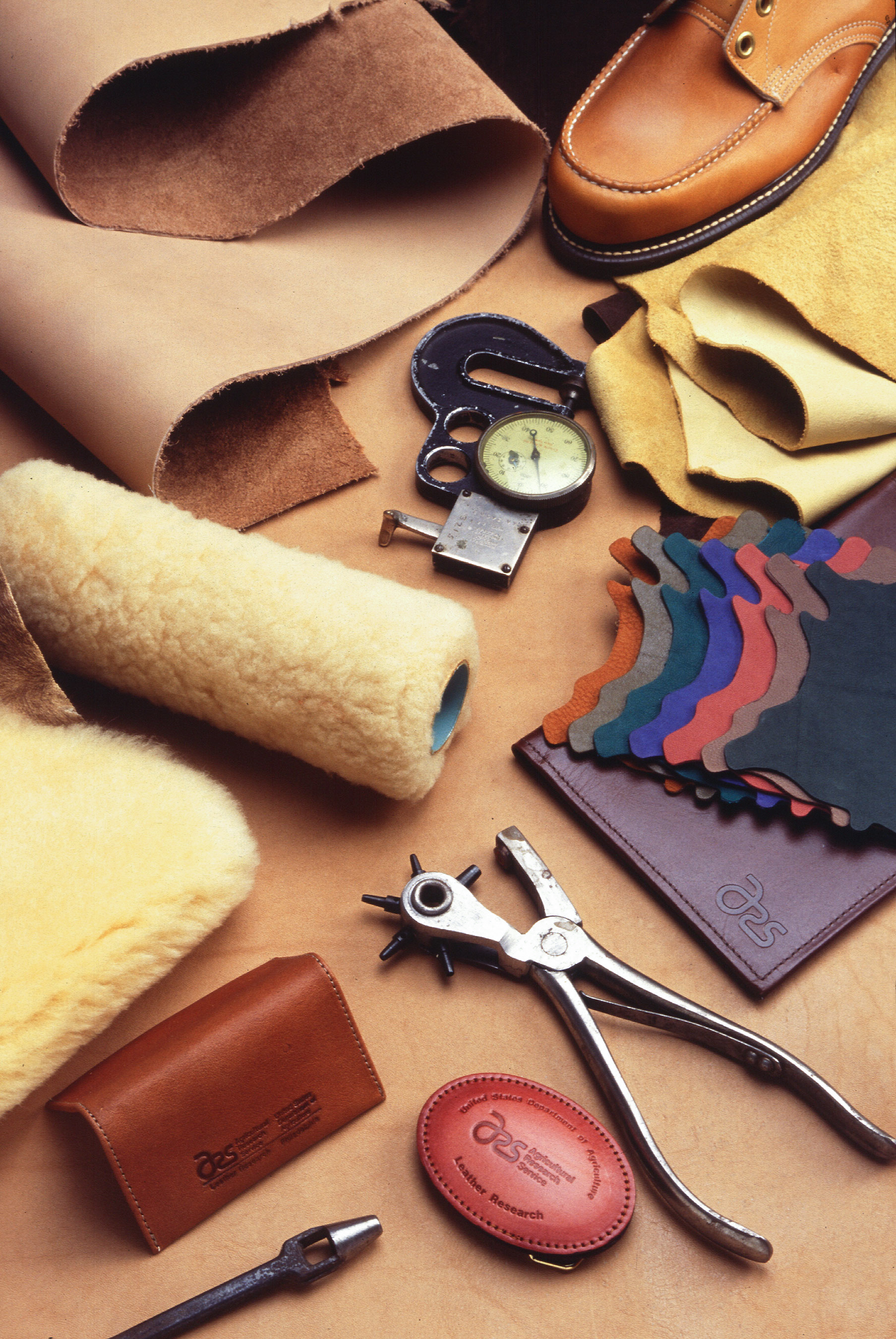
Bangladesh produces crust, finished and fine-grain leather. Fine-grain leather is in preferential demand in Western Europe and Japan, and the black goatskin of Kushtia is known for its fine grain and strength. Finished goods made from the leather include shoes, slippers, jackets, gloves, bags, wallets and belts. Banglapedia notes a natural advantage on the supply side: because barbed-wire fencing is not used on the country's farms and fields, Bangladeshi hides tend to arrive with fewer scratches and cuts.
Salt and the quality of the hide
Much of a hide's worth is decided in the first few hours. A rawhide left unsalted decays quickly in the heat, and a damaged or poorly preserved hide fetches a lower price and makes poorer leather. That is why the hides collected at Posta are salted before they move on, why the government offered free salt for the Eid hides, and why local administrations were asked to train mosque and madrasa staff in salting and storage. The BCIC study, too, listed improper preservation and the failure to get fair prices among the sector's problems, so the push for better salting is as much about the quality of the finished leather as about the day's trade.
Where the leather goes
Most of the leather made from these hides leaves the country. According to Banglapedia, about 95 per cent of leather and leather products are exported and Bangladesh holds roughly 2 per cent of the world leather market. The main buyers include Germany, Italy, France, the Netherlands, Spain, Russia, Brazil, Japan, China, Singapore and Taiwan, and on average exports carry about 85 per cent local value addition against 15 per cent foreign. Over the years foreign brands such as Puma and Hugo Boss have sourced from Bangladeshi firms.
The sector's growth has been long in the making. Banglapedia records that in 1998 the country exported 178 million square feet of leather for about 160 million US dollars; that through the 1990s annual exports averaged around 225 million dollars with the market growing 10 to 15 per cent a year; and that leather product exports reached about 284 million dollars in the 2007-08 financial year and about 288 million dollars in 2009. Low wages and the ban on exporting wet blue leather, which pushes processing to higher-value crust and finished leather at home, gave the industry a further push. Crust-leather capacity is now about double the country's own supply of raw hide and skin, which is one more reason the Eid collection matters so much.
Why hide prices stay low
Why raw hide prices stay low year after year was examined in a report by the Bangladesh Small and Cottage Industries Corporation (BCIC), which appeared in mid-2024. According to Prothom Alo's report of 13 July 2024, the study, titled "Current Condition, Challenges and Solutions of Bangladesh's Leather Industry," surveyed 403 people in eight districts across the eight divisions, including 220 raw hide traders. The traders gave seven reasons prices stay low:
- a large volume of hides supplied all at once;
- higher salt prices, van rent and Eid bonuses;
- fewer buyers who collect in bulk;
- the traders' own shortage of funds;
- tannery owners not paying on time;
- a tannery syndicate;
- a market syndicate.
The report found that in the three months after Eid about 64.5 per cent of traders handle around Tk 2 million a month, while for the rest of the year 85.5 per cent handle under Tk 1 million a month, a measure of how concentrated the trade is around the sacrifice. It recommended breaking the syndicates, lowering salt prices, monitoring transactions and forcing tanneries to pay traders on time.
The report also linked low export prices to pollution at the Hemayetpur estate, where the central effluent treatment plant was not fully operational, and said 86 per cent of 129 firms surveyed could not get low-interest loans from the Export Development Fund because of compliance gaps. Making the CETP fully operational and upgrading the tanneries, it argued, would let Bangladeshi leather meet international standards and earn better prices, which would in turn lift what traders could afford to pay for hides.
The government's measures this year
According to the BSS report of 25 May, the government put several oversight measures in place to keep the 2026 collection orderly. A joint team from the ministries of industries, commerce, fisheries and livestock, and the Public Security Division was to oversee salt supply, collection, pricing, transport and storage. BCIC would run a central control room against illegal animal movement, smuggling, extortion and rumours, and industrial-area police could be deployed to the leather estate.
On the ground, livestock authorities had trained 15,444 professional and 22,918 non-professional butchers across the eight divisions, held about 2,663 meetings, distributed about 288,074 leaflets and posters, and inspected 67,366 cattle-fattening farms before Eid, working with the Islamic Foundation, imams, madrasa students, local representatives, traders and wholesalers. A television commercial and a social-media campaign ran alongside, with pop-up notices on government websites, about 200,000 leaflets across all districts, banners in markets and SMS messages, all aimed at better preservation and at stopping hides from being wasted or smuggled out of the country.
In Bangladesh many people donate the hide of their sacrificial animal, or its value, to madrasas, orphanages and the poor, so each year a large share of the Eid hides is collected by madrasa staff and seasonal collectors. That was visible at Posta on the day, where madrasa teachers and students and representatives of various institutions were bringing in hides. For that reason a fair price is not only a matter of the traders' profit: when hides fetch less, so does the charity meant for the poor, which is part of why the price of Eid hides draws attention every year.
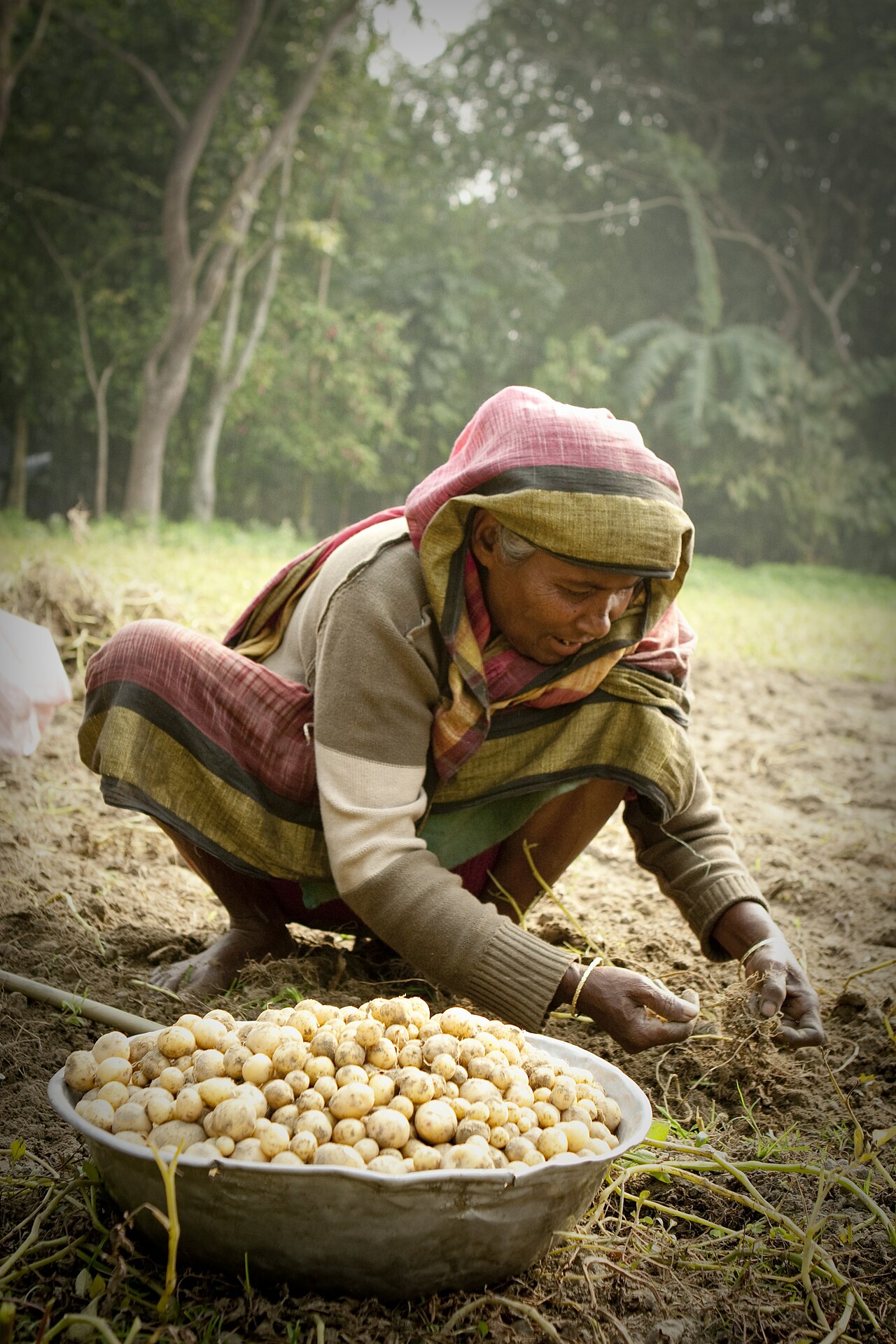
Photo: Wasiul Bahar / Wikimedia Commons (CC BY-SA 4.0)
Sources: Jagonews24; Ministry of Commerce rates (Prothom Alo); Bangladesh Sangbad Sangstha (BSS); BCIC report (Prothom Alo); Banglapedia.
Comments
(0)