
At first light on Saturday, Azmat Ali (45) of Nakharpara village in Pirganj, Rangpur, came to Sodapir bazar to buy fish. Brushing his teeth with a bamboo twig, he said: "For days I've been coming to the market and going back. There's no fish to be had. None of the fishermen from Majhipara are bringing fish to the market any more."
Standing beside him, Akram Ali of Hatibandha village in the upazila said: "Since the day of the trouble the Majhipara fishermen haven't been fishing. They don't come out of their houses. That's why there's no fish in the market, and fewer people too. If the fishermen brought fish, the market would have filled up by now."
On 17 October, over an allegation of insulting religion, an agitated mob set fire to 21 houses and fishing gear belonging to fishermen in the Majhipara Barakarimpur area of Ramnathpur union in Pirganj. Cash, jewellery and household goods were looted. Since then the fishers have stayed in the area in fear. Far from fishing, they are not leaving their homes.
Markets run dry
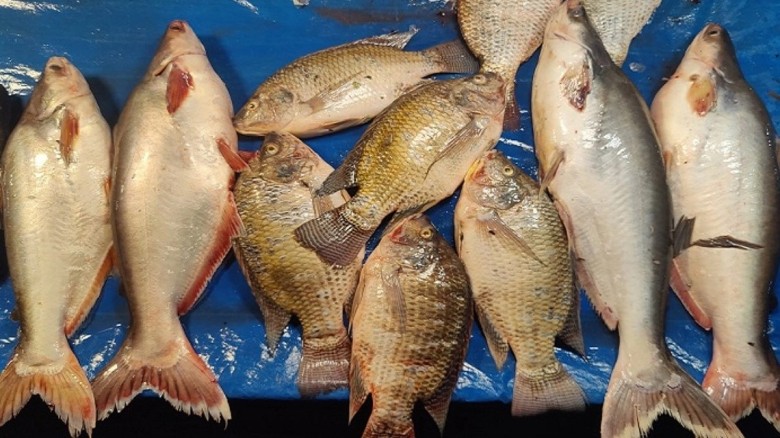
Fish caught by the Majhipara fishermen used to fill the nearby Pirganj market, Hatibandha bazar, Sodapir bazar, and the Khejmatpur and Baterhat fish markets morning and afternoon. Since they stopped fishing, there has been a shortage of fish from canals, beels and rivers in these markets from last Sunday. The supply of farmed fish has also fallen well below what it was. Local people said the fishermen, besides fishing in canals, beels and rivers, also net farmed fish in ponds and large tanks. With them not fishing, there has been a shortage of all kinds of fish in the markets for five days.
Mukul Chandra, a fish trader at Pirganj market, said: "I've been selling fish for 20 years, but I've never seen a shortage of native fish like these five days. The Majhipara fishermen are the main suppliers of native fish to the market. They're too scared to go out, and they're not fishing. So there's no native fish in the market at all." Because they have stopped, the price of farmed fish has also risen, he said. Small rui that he sold wholesale at Tk 150 a kg five days ago now sells at Tk 270 to Tk 280 a kg. Supply is below demand, and people are going home without finding native fish, so the market is not picking up.
Mizanur Rahman, a rickshaw puller from Chatra village in Pirganj, used to buy small fish from canals and beels because meat is expensive. He said while riding his rickshaw: "Sir, for the price of one kilo of beef you could get nearly three kilos of small fish here. We're poor people; we satisfy our taste for meat with fish. Buying Tk 200 worth of fish was a treat, and I'd eat it with my children for two days. Since the fishermen's houses were set on fire there's no fish in the market. What comes now and then is expensive."
"They burned our nets"
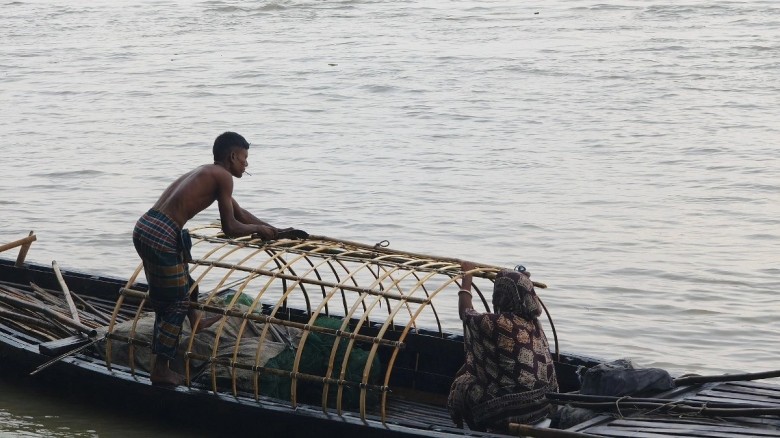
In the Hindu neighbourhood of the Barakarimpur area of Majhipara, fisherman Haridas Chandra said: "They burned our nets. What would we fish with? If we don't fish, how can there be fish in the market? The way they burned our houses, beat us and looted, we're too afraid to go anywhere. Saving our lives comes first, fishing later."
Pirganj upazila fisheries officer Aminul Islam said by mobile phone on Saturday that there are more than 100 fishermen in Majhipara, who make their living by fishing every day. Because of the trouble in the village they are not going out to fish, and many had their nets burned. Supply has therefore fallen and there is some shortage of fish in the market. To make up part of the loss, the fisheries department has given 15 fishermen 15 "pak" nets, he said.
Source: Prothom Alo. First published in Bengali on The Agro News.
Comments
(0)