

El Nino has caused ₱6.87 billion (roughly $120 million) of damage to Philippine agriculture so far, according to Department of Agriculture figures released on 26 and 27 September, Global Agriculture reports, with corn and rice taking most of the losses across 14 of the country's 18 regions.
The tally shows 223,214 farmers affected and 249,028 hectares hit, with production losses of 163,812 tonnes. Corn accounts for ₱4.90 billion across 170,605 hectares and rice for ₱1.53 billion across nearly 75,000 hectares; high-value crops such as vegetables, bananas and pineapples lost close to ₱397 million. The affected regions stretch from the Cordillera and Cagayan Valley in the north to Caraga in the south.
The department estimates that about 77 percent of the affected land, roughly 193,000 hectares, can still recover with support, while more than 56,000 hectares is beyond repair for this cropping cycle. Officials warn the figures will rise because the dry spell is still unfolding.
The government has put together a response of roughly ₱9.7 billion to ₱11 billion. Of that, ₱6.2 billion is for fuel and fertiliser support, including ₱2.2 billion for biofertilisers and ₱1 billion each for fuel aid to farmers and to fisherfolk; a further ₱3.5 billion has been requested for solar-powered irrigation, alongside cloud seeding and 338 water pumps in drought-hit areas. The Philippine Crop Insurance Corporation has paid ₱427 million to 42,383 farmers. Department spokesperson Arnel de Mesa described a move to "location-based, specific interventions" rather than a "one-shot deal".
The damage so far is well below the ₱15.3 billion of the severe 2024 El Nino, which cut farm and fisheries output by 3.3 percent that year, but forecasters expect a "very strong" El Nino from October. Lower corn and rice harvests are likely to firm prices in a country that is already one of the world's largest rice importers.
Global Agriculture notes that El Nino effects tend to spread across Asia, raising the odds of an uneven Indian monsoon next season, and that a supply squeeze in the Philippines, a major buyer of rice from Vietnam, Thailand and at times India, can lift regional rice prices.
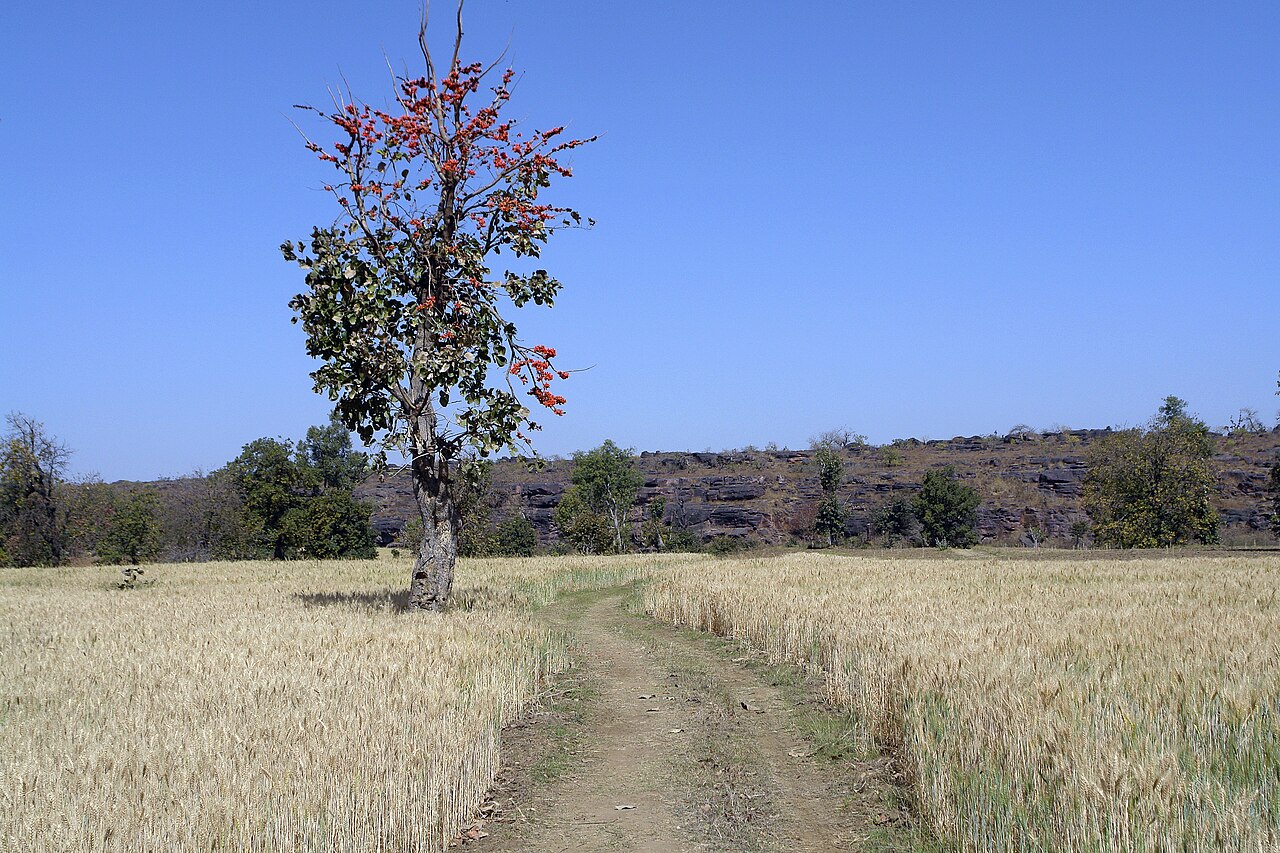
Photo: Willy Vergara / Wikimedia Commons (CC BY-SA 3.0)
Source: Global Agriculture

Comments
(0)