
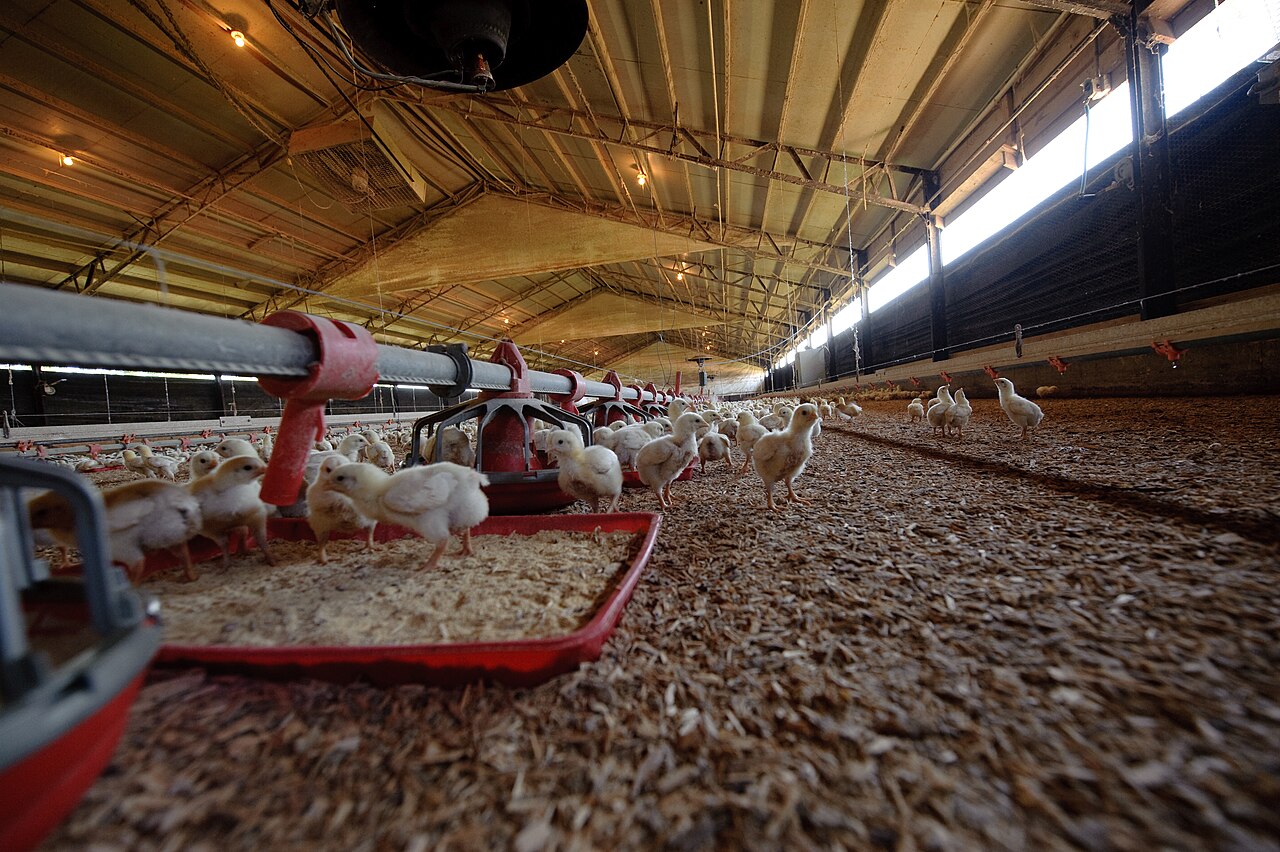
Commercial poultry farms in the Philippines expect temperature-controlled housing to limit the damage from a strengthening El Nino, while farms with traditional houses are installing blowers and moving feeding to cooler hours, according to a report from the US Department of Agriculture's Foreign Agricultural Service (FAS) in Manila carried by The Poultry Site.
The Philippine weather agency PAGASA reports a moderate El Nino in the tropical Pacific that may become very strong before the end of 2026. As of 6 August 2026 its models showed the event lasting through the first half of 2027, raising the likelihood of below-normal rainfall, dry spells and drought in parts of the country.
The University of the Philippines Los Banos (UPLB) expects the poultry sector to be hit directly and indirectly. In broilers and layers, heat stress can cut market weights, worsen feed conversion, lower hatchability and reduce the number of marketable eggs. In poorly ventilated houses mortality could rise during a strong El Nino; smallholder farmers have reported losses of up to 20%.
The indirect risk is feed. A smaller corn harvest could tighten feed supply and raise production costs. According to the Department of Agriculture, local corn suffered the greatest damage of any crop in the last El Nino of 2023-2024.
Industry contacts told FAS that tunnel-ventilated, temperature-controlled facilities should limit the impact on commercial farms. Integrated companies named alternative raw materials as a contingency if feed ingredients become dearer and said feed formulas may be adjusted to manage price changes.
The Department of Agriculture reactivated its El Nino task force on 28 May 2026 to protect farm and fishing livelihoods and food supply and prices. Its planned measures include cloud seeding, solar-powered irrigation, revised planting calendars and crop diversification. The report was written by Melanie Epp.
Photo: USDA NRCS Texas / Wikimedia Commons (public domain)
Source: The Poultry Site

Comments
(0)