
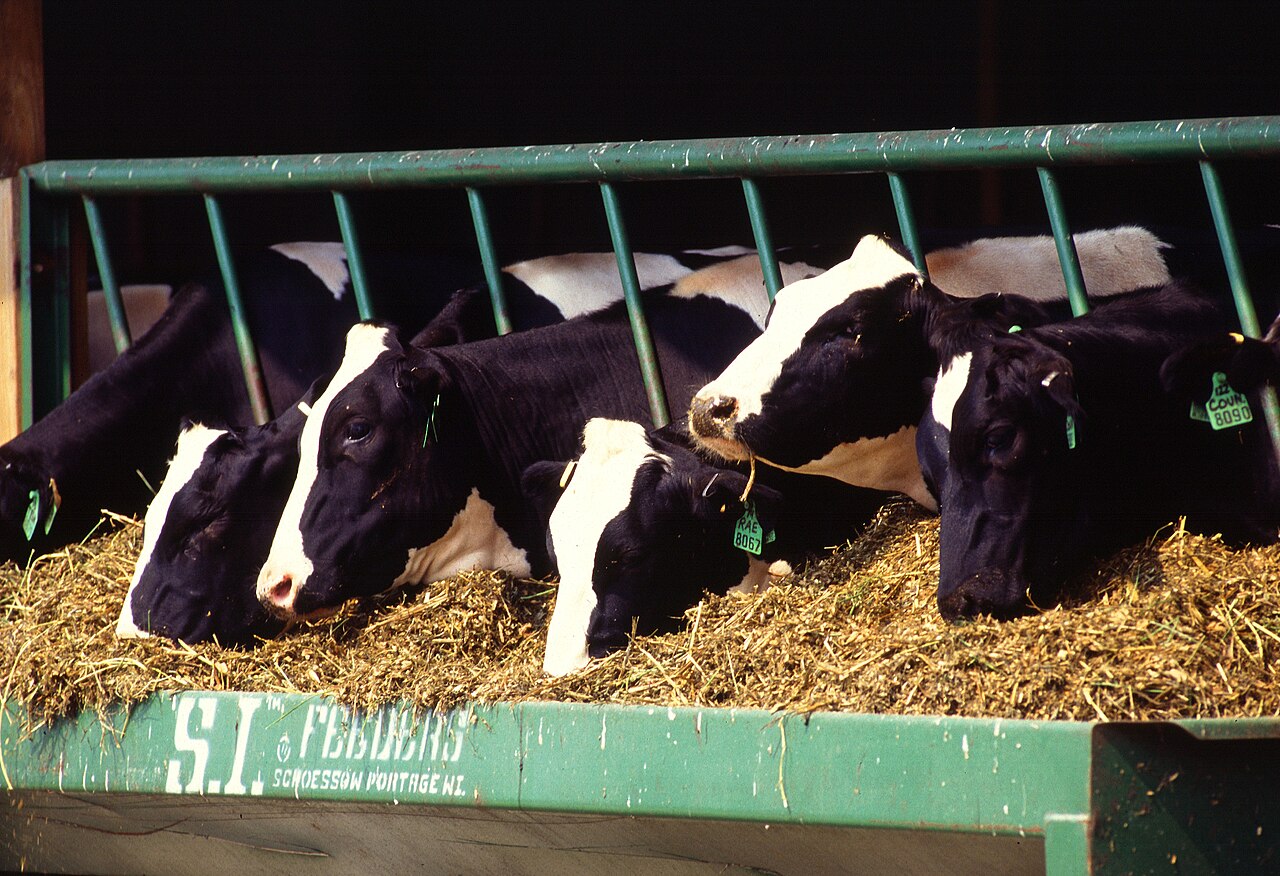
The Washington State Department of Agriculture has confirmed a new case of highly pathogenic avian influenza (HPAI) H5N1 in a dairy herd in Grant County, found during routine testing, Farms.com reports. The herd has been quarantined, strict biosecurity measures are in place and veterinarians are giving supportive care.
Genetic analysis suggests the strain affecting Washington's dairy herds is similar to one identified earlier in Idaho, and investigators believe cattle movement between locations helped bring the virus in. Officials also report evidence of cow-to-cow spread between some dairy operations. Wild birds carry avian influenza, but experts do not currently believe they are the main route between affected herds. Officials say most infected cattle recover, with herds usually back to normal within four to six weeks.
Farmers are asked to watch for reduced milk production, changes in the milk's appearance, lower feed intake, fever, breathing problems, digestive changes and reduced rumination, and to isolate sick animals and call a veterinarian at once. The advice is to limit movement of lactating cattle between farms, avoid sharing equipment, vehicles or workers, disinfect footwear, restrict visitors, isolate newly bought animals, keep cattle away from wild birds and open water used by waterfowl, and keep milk from sick or suspected cows out of the bulk tank.
"I know another detection is discouraging, especially for the dairy farmers who have worked so hard to protect their workers and their herds," said Washington State Veterinarian Amber Itle. She said farmers, veterinarians and farmworkers in Eastern Washington had worked together to limit the virus's spread across the region.
Poultry keepers are urged to stay alert, since poultry infections have occurred near affected dairy farms in several states. Officials say pasteurised milk and dairy products remain safe, advise against raw milk, and say the risk to the general public remains low, while people who handle cattle or poultry should wear gloves and face and eye protection.
Photo: Scott Bauer, USDA ARS / Wikimedia Commons (public domain)
Source: Farms.com
Comments
(0)