
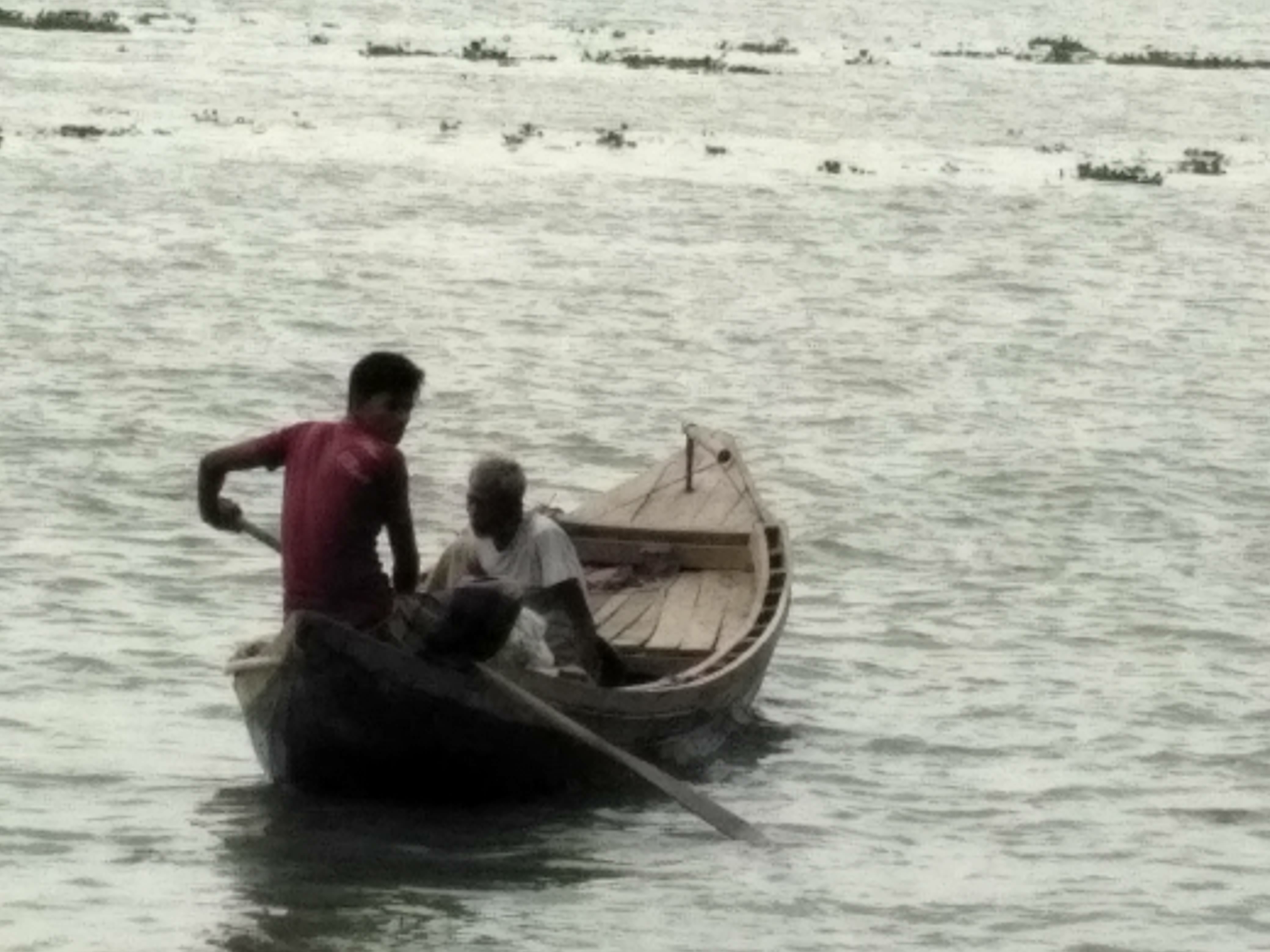
Fishermen were free to catch hilsa again after the 22-day ban to protect mother hilsa, but the fish they and buyers had waited for did not appear in Patuakhali's markets. A Jagonews24 report published on the night of 26 October 2025 said that after the ban ended at midnight on Saturday (25 October), fishermen went out on the Payra, Tentulia and Agunmukha Piya rivers and the Bay of Bengal, yet their nets were not bringing in the catches they had hoped for, and the little hilsa on sale was priced beyond the reach of ordinary buyers. Fishermen spoke of disappointment; the district fisheries officer said he hoped supply would return to normal within a few days.
Supply and prices in five Patuakhali markets
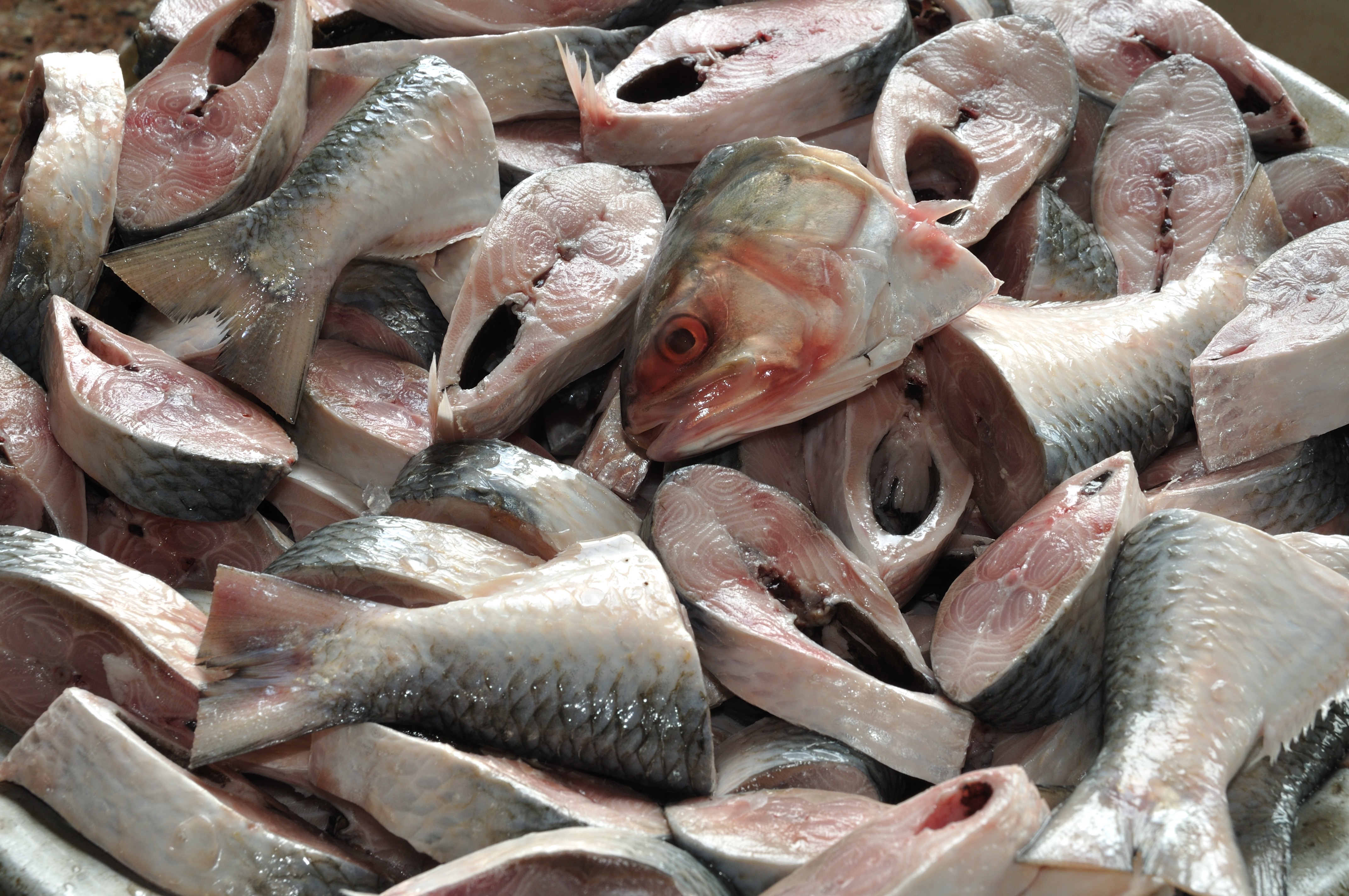
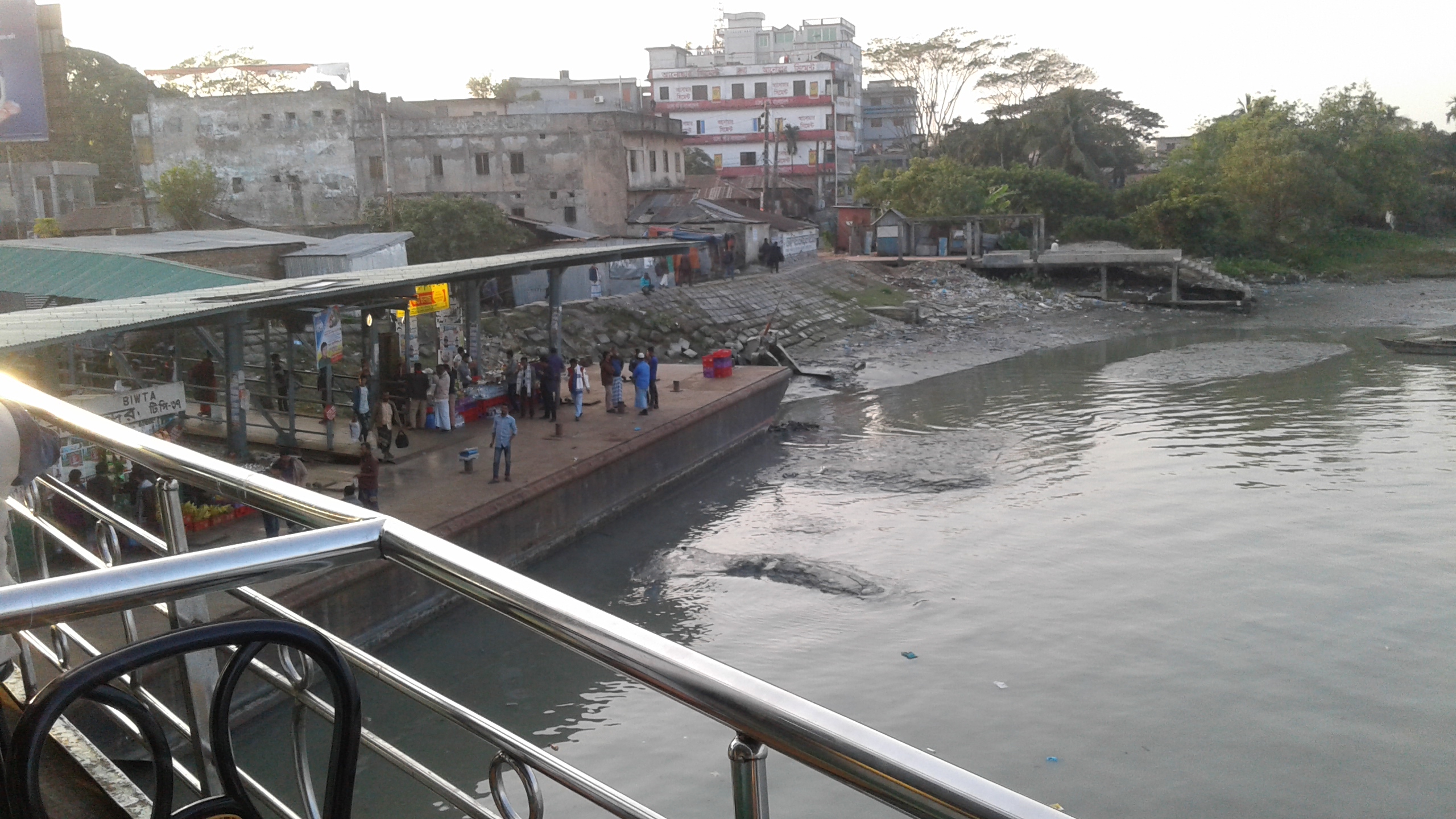
The reporter visited Patuakhali Sadar fish market, New Market, Puran Bazar, Natun Bazar and the market in the Poyla Par area, and found the supply of hilsa very low. Banglapedia names Puran Bazar as the best known of the hats and bazars of Patuakhali Sadar upazila. The prices recorded that day were:
- Hilsa of a size that comes three to a kilogram: Tk 1,000 a kg
- Hilsa of a size that comes four to a kilogram: Tk 700 a kg
- Hilsa of a size that comes five to a kilogram: Tk 600 a kg
- Small jatka (young hilsa): Tk 500 a kg
Day labourer Sobhan Mia told Jagonews24 he had come to the market thinking the ban was over and hoping to find more fish. But there was very little, he said, and the price was very high, beyond the reach of people like him, so he was going home with shrimp that day.
Harun, a fish seller at New Market, said prices had gone up because there was no supply. Buyers wanted fish, he said, but without enough of it the market was not settling. He added that the hilsa on the market still had roe in their bellies. Those are the seller's own words; the report cited no fisheries department test or count on the point.
What fishermen said after returning to the water
Md Jasim, a fisherman from Madarbunia union, said he had sat at home for 22 days without getting government help, and that even now, out on the river, he was not getting the fish he expected. Madarbunia is one of the 12 unions of Patuakhali Sadar upazila.
Forkan Mia, a fisherman on the banks of the Payra river, said the movement of fish in the river had increased during the breeding season, but that hardly anything was now being caught in the nets. Perhaps because of changes in the water and weather, he suggested, the fish were still in the deep sea. The report carries this as one fisherman's guess and gives no survey data for it.
A picture from a few hours before the ban ended appears in a Desh Rupantor report of the afternoon of 25 October. At landing points across Rangabali upazila in Patuakhali, men were mending nets and loading trawlers with fuel, ice and supplies. A fisherman at the Charmontaz sluice ghat told the paper he had run his household on borrowed money and hoped a good catch at sea would let him pay off the debt. The national news agency BSS reported the same day that trawlers were expected to set sail early on Sunday. So 26 October was the first day back, and the Jagonews24 picture is of that first day.
Two accounts of the rice support
On support, the fisherman and the official said different things. Md Jasim said he had received no government help. District Fisheries Officer Md Kamrul Islam said VGF rice had been distributed to 69,043 fishermen before the ban, and that the government had given enough support. The report did not separately test either statement; each stands as the speaker's own. It also says Patuakhali district has 80,020 registered fishermen.
VGF, Vulnerable Group Feeding, is the government's food assistance programme. At a press conference at the Secretariat on 29 September 2025, the fisheries and livestock adviser said 620,140 fishing families in 165 upazilas of 37 districts would receive 25 kg of rice each this time, requiring 15,503.50 tonnes in all. BSS, UNB and The Business Standard all carried the same count.
Desh Rupantor gave a further picture from Rangabali in the same district. Citing fisheries department data, it said the upazila had 16,809 registered fishermen, of whom 13,000 who observed the ban were given 25 kg of rice each. Local fishermen alleged, however, that many genuine fishermen had missed out while many non-professionals had received rice. The fisherman at Charmontaz said he himself had got none. The paper printed no fisheries department response to the allegation. BSS's report of 25 October said only that the government had distributed food assistance among registered fishing families.
The 22-day drive: dates, rules and patrols
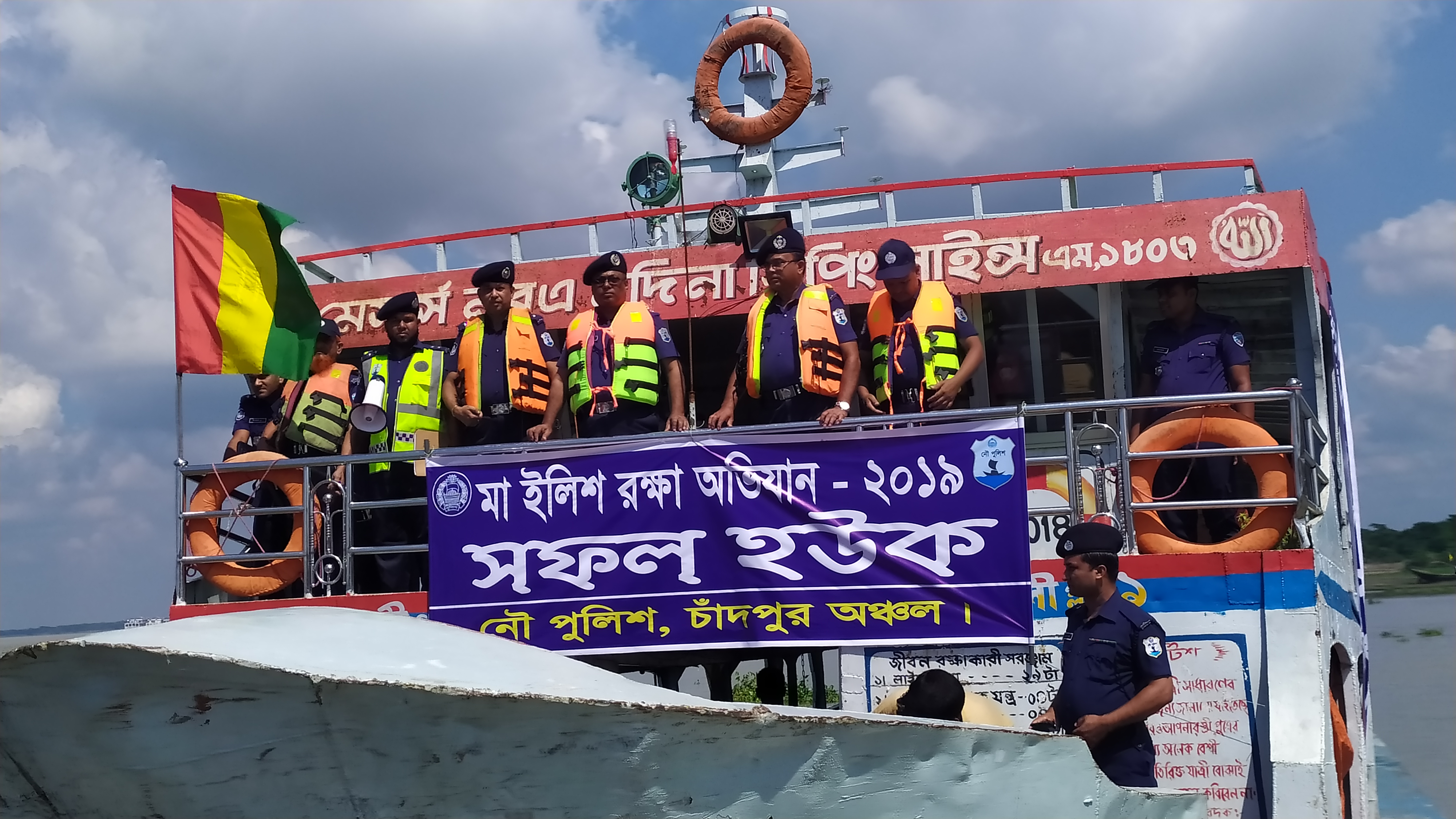
The Mother Hilsa Conservation Campaign 2025 ran from 4 to 25 October, or 19 Ashwin to 9 Kartik 1432 in the Bengali calendar. As announced, the period covers the four days before the full moon to three days after the new moon. The Business Standard reported that the dates were set in consultation with the Bangladesh Fisheries Research Institute (BFRI), other organisations and fishermen. The 2024 drive had run from 13 October to 3 November. Prothom Alo reported that this year's period was brought forward, and that fishermen had called for a review of the timing.
The ban covered catching, transporting, storing, marketing, buying, selling and exchanging hilsa. Hilsa fishing was closed in rivers, coastal waters, estuaries and the sea, and river dredging was to be suspended. Fisheries officials enforced it with the river police, Coast Guard, Navy and Air Force.
Ittefaq, citing a Navy press release on 4 October, reported 17 Navy vessels deployed for the drive, with the craft LCVP-013 assigned to Patuakhali. BSS quoted a senior fisheries officer on 25 October as saying strict monitoring had been kept across the breeding zones of Chandpur, Bhola, Barishal, Patuakhali, Barguna and Laxmipur. Officials told the agency that around 65,000 enforcement drives had been conducted over the period and several hundred illegal nets seized and destroyed.
The Daily Star's Bengali edition gave one day's count for Patuakhali. Its report of 9 October, citing a district fisheries officer, said that on 7 October alone 23 mobile courts ran 93 operations in Patuakhali and seized 1,945 metres of net valued at about Tk 37 lakh; 10 cases were filed, five fishermen were jailed and Tk 64,000 in fines imposed. Similar action went on elsewhere: bdnews24.com reported on 17 October that a mobile court on the Padma in Rajbari had sentenced 17 fishermen to three days in jail each.
Fishermen also voiced grievances about who kept the rules. A Rangabali fisherman told Desh Rupantor that while his group had stopped fishing, many others had fished in secret at night. Local fishermen further complained that the ban in neighbouring West Bengal in India lasted only 11 days, so fishermen there had kept fishing in Indian waters. The paper printed these as the fishermen's statements. For comparison, official figures for the 2024 drive listed 2,169 mobile courts and 9,813 operations, with 54.86 tonnes of hilsa and 612.11 lakh metres of net seized and Tk 75.27 lakh in fines.
Why hilsa enter the rivers now, and why roe keeps coming up
Hilsa (Tenualosa ilisha) belongs to the herring family and is Bangladesh's national fish. Banglapedia describes it as living in the sea, estuaries and rivers alike. Adults move upstream from the sea to breed in fresh water, the eggs float free, and the young spend time in the rivers before returning to the sea to feed and grow. Most fish caught are 35 to 40 cm long. A review by Alam and colleagues, published in Aquaculture, Fish and Fisheries in January 2025, says hilsa matures at 6 to 12 months, lives 2 to 6 years and feeds mainly on phytoplankton.
Counts of eggs vary by source. Banglapedia says a large female may produce up to 2 million. A Dhaka Tribune report of April 2025 gave 250,000 to 2.3 million. An associate professor in the aquaculture department of Patuakhali Science and Technology University told The Daily Star's Bengali edition that one hilsa can release about one crore eggs in September and October, and that catching hilsa before it breeds disrupts the cycle.
Spawning is tied to the moon, which is why the ban's dates follow it. Prothom Alo reported on 4 October that brood hilsa migrate from the sea into rivers around the new moon and full moon of the month of Ashwin. An 11-day ban around the Ashwin full moon began in 2008; later research showed spawning at both full and new moons, which led to the 22-day period. Citing BFRI research, the government said 52.5 percent of mother hilsa spawned safely during the 2024 drive.
Banglapedia also says hilsa spawn throughout the year, with a minor season in February and March and the major one in September and October. Roe-bearing fish after a ban have been reported before. In November 2019 The Daily Star reported from the Port Road wholesale market in Barishal that traders said most hilsa reaching the market after that year's ban carried eggs. Barishal's district fisheries officer at the time thought the fish had begun to develop roe just before the ban ended, and a scientist at BFRI's riverine station in Chandpur said the institute was looking into the cause. The review by Alam and colleagues also says the abundance of brood hilsa in rivers before and after the peak season suggests more research is needed to refine the breeding period.
Catches were already down and prices up before the ban
The market scene of 26 October follows a thin season. After the 29 September press conference, UNB cited Department of Fisheries data showing hilsa harvests in July and August down by 33.20 and 47.31 percent respectively compared with 2024. The two months' total was 35,993.50 tonnes, which UNB put at 22,941.78 tonnes or 38.93 percent below the same period of the year before. Prothom Alo, citing the same department, gave different figures: 29,519 tonnes for July and August this year against 40,291 tonnes last year. The numbers differ, but both reports show a fall.
National figures point the same way. Prothom Alo, using department data, reported output falling from 571,000 tonnes in 2022-23 to 529,000 tonnes in 2023-24. UNB reported that harvests had declined nearly 10 percent over the five years from 2020-21 to 2024-25. The Business Standard reported on 8 October, from Department of Marine Fisheries data, that commercial trawlers' hilsa landings fell from 8,138 tonnes in 2022-23 to 1,790 tonnes in 2024-25. BSS says hilsa makes up nearly 12 percent of the country's total fish production, and The Business Standard, citing the fisheries department, puts Bangladesh's share of the world's hilsa catch at 75 percent.
The official numbers were themselves questioned. In July 2025 The Business Standard visited landing sites in Laxmipur, where fishermen and traders called the department's statistics guesswork; the district fisheries officer said enumerators sent daily counts from the main landing stations. The review by Alam and colleagues also notes debate over the accuracy of data showing rising production.
On prices, Prothom Alo cited the Trading Corporation of Bangladesh (TCB) as saying hilsa prices in 2025 were up about 33 percent on 2023. The Consumers Association put the price per kilogram at Tk 417 in 2010, Tk 789 in 2019 and Tk 3,000 to 3,500 in 2025. According to UNB, the adviser noted at the press conference that the surge in supply expected after a nationwide jatka ban ended in mid-June had not materialised. For an earlier comparison, The Daily Star's Bengali edition reported retail prices in August 2023 of Tk 900 to 1,000 a kg for fish of 500 to 600 grams and Tk 1,300 to 1,600 a kg for fish of 1 to 1.5 kg.
Why the nets were light: fishermen and researchers
Forkan Mia pointed to changes in the water and weather. In Prothom Alo's report, researchers likewise named rainfall, temperature, river current, depth, flooding, food supply and water quality as crucial to hilsa spawning and harvest. In southern rivers, they said, siltation and sandbars had reduced depth, industrial waste had polluted waters and raised temperatures, and monsoon rainfall had been unusually low in recent years.
A fisheries department survey found hilsa migration blocked at 17 points across the Meghna-Tentulia estuary and adjoining rivers, 14 of them on the Meghna. Experts told Prothom Alo that hilsa need about 30 feet of water to move freely, while many estuaries fall to 8 or 9 feet at low tide. The project director of the Hilsa Resource Development and Management Project told the paper the rule is to harvest only 30 percent of the stock and leave 70 percent, but that illegal fine-mesh nets and local trawlers were killing fish of all sizes.
An assistant professor at Sher-e-Bangla Agricultural University made a point close to Patuakhali's waters. Hilsa is a highly sensitive species, he told Prothom Alo, and when its habitat changes it alters its route. In his view, coal-based power plants along the Ramnabad River in Kalapara and in the Payra-Bishkhali-Baleshwar estuaries in Barguna, along with industrial growth around the breeding grounds, had polluted rivers and forced hilsa to change course. Mongabay reported in June 2023 on a 2020 study in the Croatian Journal of Fisheries which found that human activity had reduced water flow and depth in the Andharmanik River Sanctuary, and that fish stocks and diversity there had gradually declined. The same report quoted a Patuakhali fisherman who had worked the Rabnabad Channel for two decades as saying he had not seen hilsa recently in the channel or nearby rivers.
Patuakhali's rivers, sanctuaries and landing centres
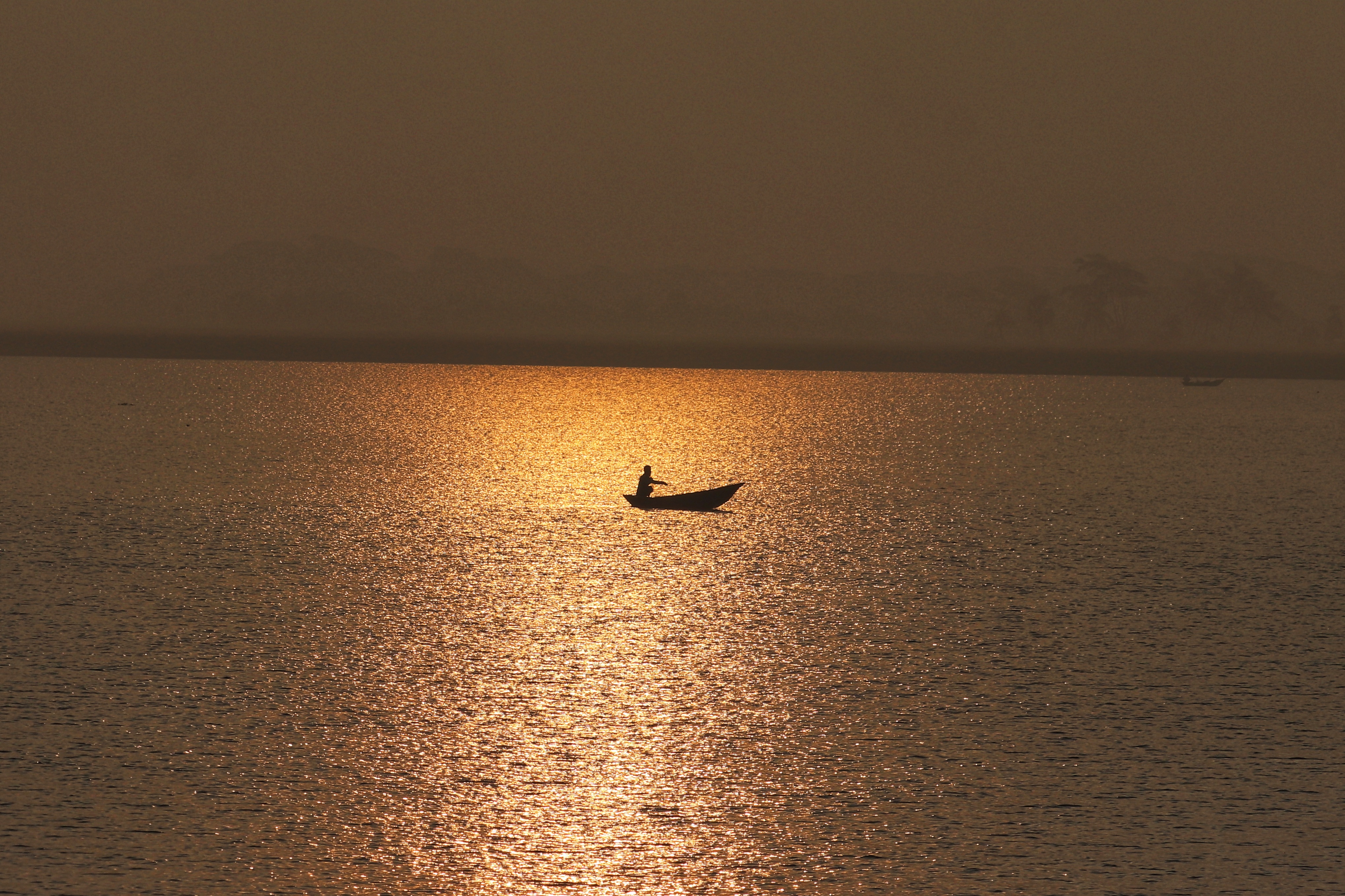
Patuakhali district covers 3,221.31 square kilometres, with Barishal to the north, the Bay of Bengal to the south, Bhola to the east and Barguna to the west. The 2011 census counted 1,535,854 people. Banglapedia lists the Andharmanik, Agunmukha, Tentulia, Galachipa and Rajganj as its main rivers and singles out the Rabnabad channel. The Tentulia is a flow of the Lower Meghna, about 84 km long and about 6 km wide on average, reaching the Bay of Bengal at Rangopaldi in Galachipa upazila.
The country's six hilsa sanctuaries were listed by Dhaka Tribune in 2018. They include 100 km of the Tentulia in Bhola district and 40 km of the Andharmanik in Patuakhali district. The same paper reported in April 2025 that the sanctuaries cover 432 km in all. The Payra has its own place in hilsa history: Banglapedia says that before about 1972 the fishery was mainly upstream, in rivers such as the Padma, Meghna, Karatoya, Rupsa, Shibsa and Payra, and that it later became concentrated downstream, in estuaries, coastal waters and the sea.
On the coast, Patuakhali's major landing centres are Alipur and Mohipur near Kuakata. The Daily Star's Bengali edition reported on 29 August 2023 that 4,450 tonnes of hilsa had been sold at the two that month, worth Tk 356 crore, at an average of Tk 800 a kg. Patuakhali's district fisheries officer told the paper that irregular rainfall linked to climate change had delayed the catch that year. Official figures say Barishal division, of which Patuakhali is part, supplies more than 85 percent of the country's hilsa.
The officer's hope, and the jatka ban ahead
District Fisheries Officer Md Kamrul Islam told Jagonews24 that fishermen had gone out on the rivers from that day, and that he hoped hilsa supply would return to normal within a few days and prices would come within buyers' reach. In the BSS report, a senior fisheries officer also said officials expected a significant boost in hilsa production in the coming season because of the ban. Both were stated as expectations at the time.
The open window came with conditions of its own. Desh Rupantor reported on 25 October that under the fish conservation law, catching, transporting, storing, selling and marketing jatka would be banned nationwide for eight months, from 1 November to 30 June. Jatka here means hilsa under 10 inches, or 25 cm; Dhaka Tribune reported that a 2014 gazette set this definition, raising it from 9 inches. Rangabali's upazila marine fisheries officer told the paper that the ban gives eggs the chance to become jatka and then grown hilsa, and that keeping to it would raise stocks, output and fishermen's earnings. The Tk 500 a kg for jatka that Jagonews24 recorded in Patuakhali came before that ban was due to start.
Fishermen face other closures during the year. In February 2025 the government announced that the ban on all fishing in the Bay of Bengal would run for 58 days, from 15 April to 11 June, replacing the earlier 65-day ban from 20 May to 23 July. According to Mongabay's 2023 report, sanctuaries close in March and April, except for Patuakhali's Andharmanik sanctuary, which closes from November to January. So the fishermen returning to the water in late October had eight months of jatka protection ahead of them, and for those on the Andharmanik, another closure in their own district.
Photo: Jotiii / Wikimedia Commons (CC BY-SA 4.0). The top picture shows hilsa being caught on a river in Bangladesh, taken in March 2017, as background.
Sources: Jagonews24, Desh Rupantor, BSS, UNB, Prothom Alo, The Business Standard, The Financial Express, Ittefaq, The Daily Star, The Daily Star Bangla, bdnews24.com, Dhaka Tribune, Mongabay, Aquaculture, Fish and Fisheries (Alam et al., 2025), Banglapedia
Comments
(0)