
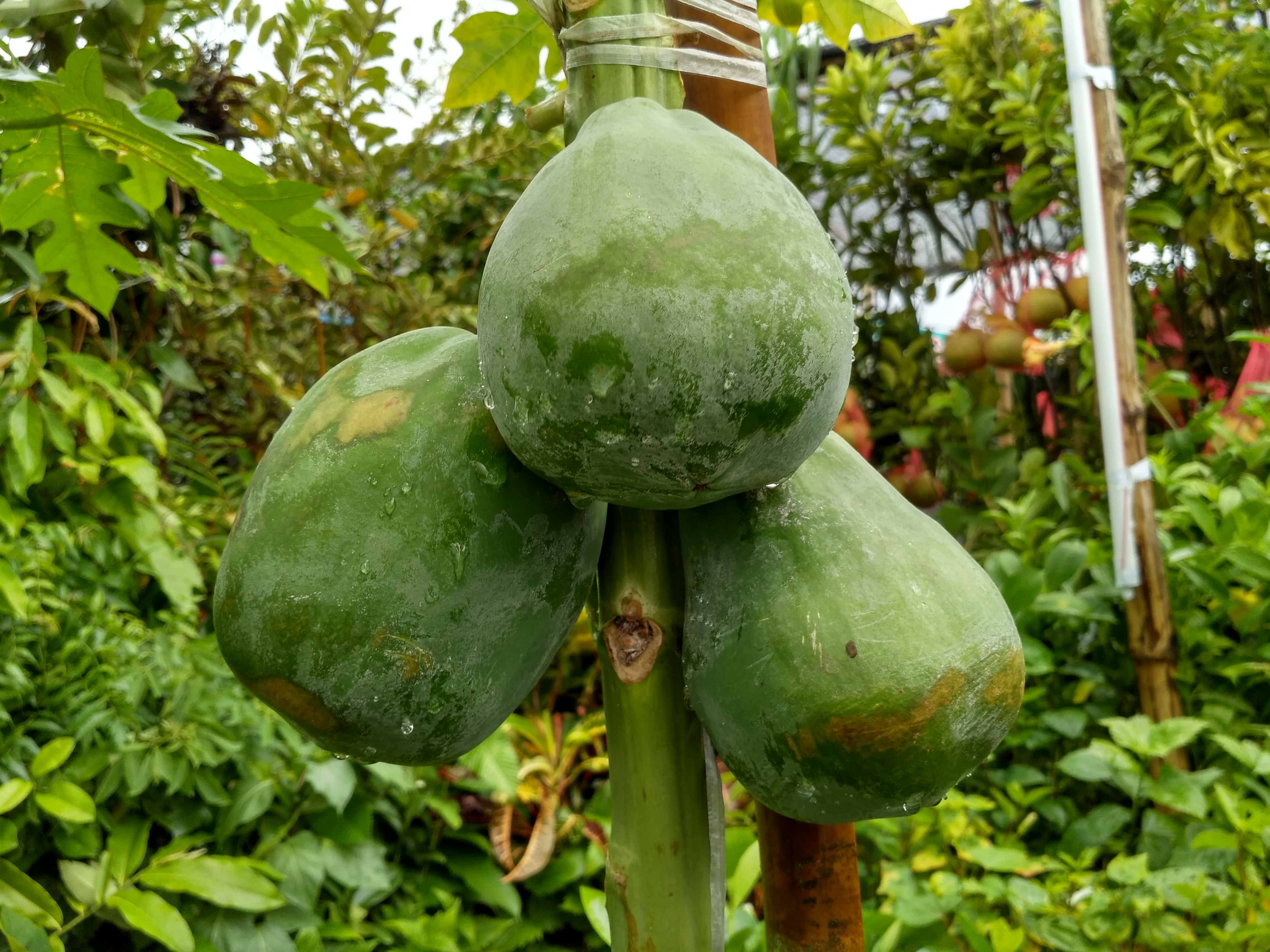
On 2 June 2025 the Bangladeshi news site Jagonews24 published a farming guide by Samiran Biswas, an agriculture and environment specialist, on what growers can do to raise the yield of papaya trees. His argument was simple: papaya is a nutritious fruit that can help the country's farming and nutrition security, Bangladesh has a chance to earn foreign currency by exporting it, and three nutrients in particular, zinc, boron and magnesium, matter for the health and yield of the plant. He also warned that applying them without knowing the right amount can do harm.
This report keeps the guide's theme and checks its advice against the bodies that publish recommendations for papaya: the Department of Agricultural Extension (DAE), whose Bangladesh Agro-Meteorological Information Service (BAMIS) portal carries a papaya cultivation sheet, the Soil Resource Development Institute (SRDI), research and extension services at universities in Hawaii, Tamil Nadu and Kerala, and peer-reviewed studies. The column gave its own per-plant amounts for each nutrient. The Online Desk could not trace those figures to a published DAE or Bangladesh Agricultural Research Institute (BARI) recommendation, so they are not repeated here; the amounts below are the ones the named authorities publish.
What the June 2025 guide said
Biswas described the role of each nutrient in plain terms. Zinc, he wrote, protects the leaves from turning yellow and keeps the plant's growth normal. Boron prevents fruit from cracking and from growing misshapen. Magnesium corrects the yellowing of leaves known as chlorosis. He advised giving zinc and boron before flowering and during fruit set, applying magnesium to the soil after rain or irrigation, and spraying in the morning or the late afternoon rather than in strong sun.
His caution was that too much of any of them can damage the plant, and that boron in particular becomes toxic when overused, so the stated amount should never be exceeded. He closed by saying that Bangladeshi farmers have great potential in papaya, that papaya leaves and green fruit are used by the pharmaceutical industry, and that with proper training, modern technology and better marketing the crop could play a larger part in the farm economy. He also wrote that papaya leaves play an effective role in treating dengue fever; that claim is examined against the medical evidence later in this report.
Papaya in Bangladesh
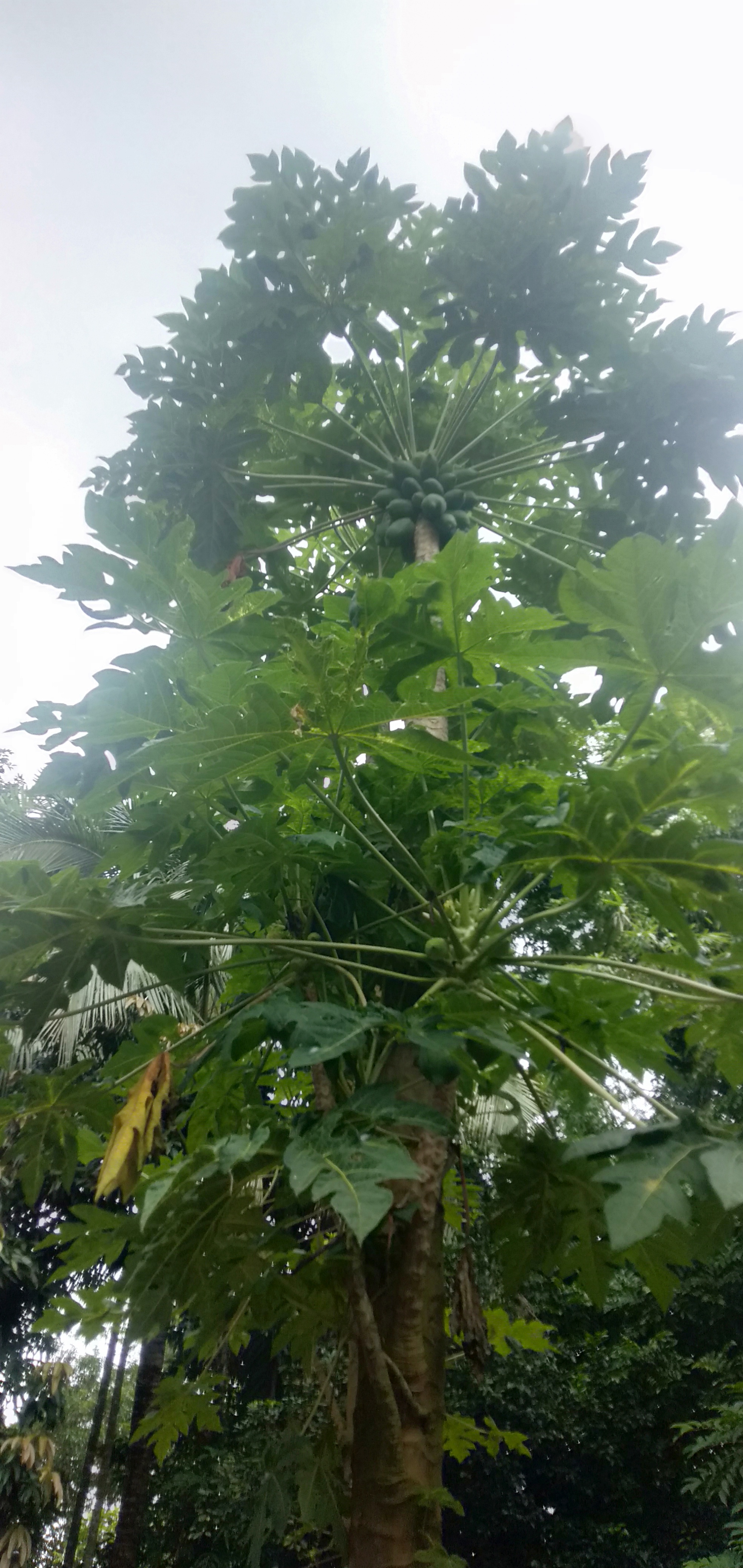
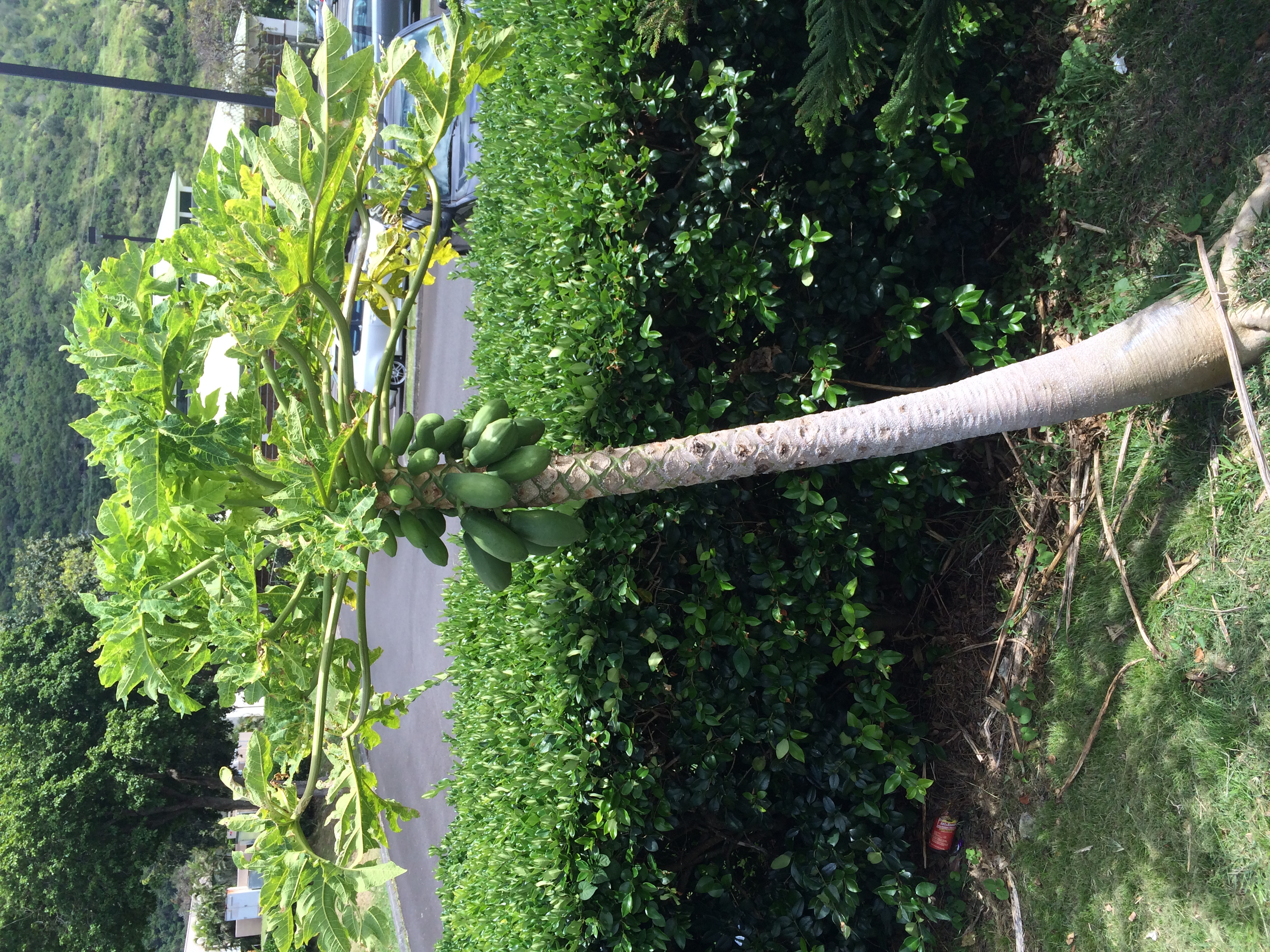
Papaya (Carica papaya) is a soft-stemmed, usually unbranched tree of the family Caricaceae, with a crown of large, deeply lobed leaves. According to Banglapedia, the national encyclopaedia of Bangladesh, the species originated in Central America and reached South Asia in the later part of the sixteenth century. Banglapedia notes that more than 60 percent of the papaya produced in the country is eaten as a vegetable, green, rather than as ripe fruit, and that the tree is common in homestead gardens.
Papaya is basically dioecious: male and female flowers are usually borne on separate plants, although intermediate plants with both kinds of flower also occur. Because there is no reliable way to tell male from female seedlings early, Banglapedia explains, growers have traditionally planted two or three seedlings in each pit to make sure of enough female trees.
Commercial growing expanded quickly in the years before the guide was written. The Business Standard reported in October 2020, citing DAE figures, that national papaya output was 492,000 tonnes in 2014-15 and about 9 lakh tonnes in 2018-19, almost double in five years. DAE officials told the paper that Tangail had the highest production, about 2.50 lakh tonnes a year, followed by Bandarban with about 1.25 lakh tonnes, and that papaya is grown to some extent all over the country.
The same report described the two varieties most farmers used: Shahi papaya, developed by BARI, whose fruit weighs from 850 grams to 1 kilogram, and the imported Red Lady, whose fruit weighs 1.5 to 2 kilograms and whose seed was first imported from Taiwan and later also from China. A DAE horticulture official told the paper that papaya, once planted mainly in home gardens for family use, was increasingly farmed commercially.
How the DAE advises growing and feeding papaya
The DAE's papaya sheet on the BAMIS portal lists BARI Papaya-1, Red Lady and other improved varieties, and gives two sowing seasons: Ashwin (September to October) and Poush (December to January). It advises raising seedlings in polythene bags, because seedlings raised this way grow quickly after transplanting. The bags, about 5 by 4 inches, are filled with an equal mix of sand, soil and decomposed cow dung, with two or three holes made in the bottom.
For fertiliser, the sheet's table lists urea 400-500 g, TSP 500 g, MoP (muriate of potash) 450-500 g, gypsum 250 g, zinc 20 g and boron 20 g. Its method note explains how these are used:
- 15-20 days before transplanting, put 15 kg of cow dung into each pit together with the TSP, gypsum, zinc sulphate and boric acid.
- From one month after transplanting, top-dress urea and MoP once a month, 50 g of urea and 50 g of MoP per plant.
- When the plants start to flower, double this monthly amount.
- Stop applying fertiliser two months before the fruit is harvested.
The sheet also warns that excess irrigation encourages root and collar rot, that rain or irrigation water must not be allowed to stand in the field, and that after heavy rain the water should be drained quickly. In the rabi (winter) season, it says, seedbeds should be covered to protect the seedlings from temperatures below 15 degrees Celsius. It puts the yield at 140-150 kg per decimal of land, depending on the variety.
In other words, the DAE's own schedule already supplies zinc and boron, as zinc sulphate and boric acid, at planting. Magnesium does not appear in its table. Whether a particular orchard needs more of any of the three depends on its soil, which is why every authority consulted for this report advises a soil test and a visit to the upazila agriculture office before adding extra.
Zinc: why Bangladesh's soils often fall short
Zinc deficiency is a known problem in Bangladesh. Banglapedia's entry on soil nutrients records zinc deficiency in the calcareous soils of the Gangetic floodplain, in continuously wet soils in irrigated areas, in soils with high organic matter such as peat soils, in high-pH saline soils and in light-coloured piedmont plain soils.
The problem has spread. A study presented at the FAO Global Symposium on Soils for Nutrition, citing SRDI data (Hasan and others, 2020), reported that between 2010 and 2020 the share of arable land with low to very low zinc rose from 28.71 percent to 78.84 percent, and the share with low to very low boron rose from 25.99 percent to 30.78 percent. The same study, run at Chandina, Chuadanga and Baliadangi, found that spraying zinc and boron on the leaves along with the recommended doses of nitrogen, phosphorus, potassium and sulphur gave higher yields of rice, cauliflower, maize, potato and mungbean than giving zinc only in the soil at planting.
For papaya, the DAE sheet's basal dose is 20 g of zinc sulphate in each pit. Tamil Nadu Agricultural University in India, on its Agritech portal, recommends a leaf spray of 0.5 percent zinc sulphate together with 0.1 percent boric acid in the fourth and eighth months after planting to improve growth and yield. That is an Indian recommendation for Indian conditions, given here as the university states it; a Bangladeshi grower should confirm a spray schedule with the upazila agriculture officer.
Boron: misshapen fruit and the risk of overdosing
Boron is the nutrient whose shortage papaya growers notice most, because it shows in the fruit. A University of Hawaii extension sheet on boron deficiency of papaya, written by Scot Nelson of the university's Department of Plant and Environmental Protection Sciences and published in July 2012, explains that boron plays an important role in nitrogen metabolism, protein formation, cell division and cell wall formation, and is essential for pollination and seed production. Because boron does not move readily within the plant, the first symptoms appear at the growing tip and in the fruit.
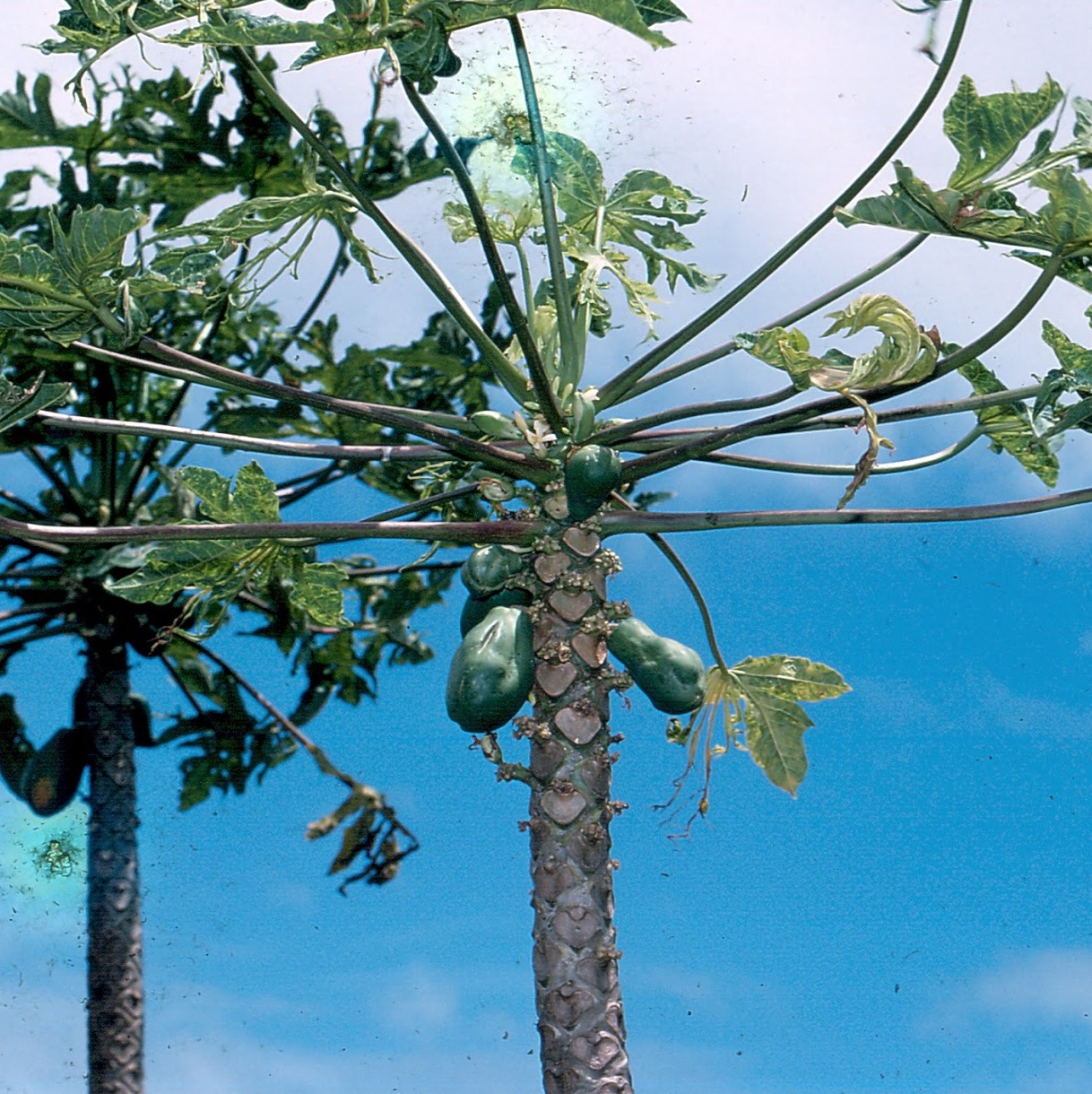
According to the Hawaii sheet, young leaves of boron-deficient plants become distorted, brittle and claw-like, mature plants are dwarfed and fruit set is severely reduced. Affected fruits tend to be seedless, poorly developed, uneven in ripening and low in sugar; young fruits may ooze latex, and on severely affected plants the fruit surface may be covered with lumps. The sheet records that farmers in Hawaii have in the past lost close to 100 percent of their crop to this deficiency under adverse conditions. It adds that boron leaches out of sandy and rocky soils in high rainfall, and is held tightly in dry or high-pH soils, so deficiency is more common in very wet or very dry areas.
The same sheet stresses the danger the Jagonews24 column also pointed to: too much boron can severely damage or kill a plant, while too little will not solve the deficiency. Its general guidelines are:
- Feed papaya at least twice a year with a fertiliser designed for papaya that contains the minor elements, including boron.
- To correct a deficiency, spray the foliage or drench the soil with a 0.25 percent borax or boric acid solution; if the deficiency has been corrected, fruits develop normally about three months later.
- Alternatively, apply 0.5 g of borax around the base of a plant; if that fails, up to 5 g of borax per plant may be applied.
- Do not re-apply boron to a treated plant for at least three months, as this is the time needed to see the effect.
- Irrigate plants given granular or powdered boron so that the roots can take it up.
Kerala Agricultural University's papaya page gives similar advice: confirm the deficiency by soil analysis, then apply borax to the soil at 4 g per plant, or spray borax at 1 g per litre of water. It advises against applying boron together with calcium, and against mixing borax with ammonium fertilisers. These figures are each institution's own; they differ from one another, which is one more reason to start from the DAE's planting dose and a soil test rather than from a fixed formula.
Magnesium: yellowing that starts on the lower leaves
Magnesium is a secondary nutrient, needed in larger amounts than zinc or boron. Banglapedia records that calcium and magnesium are deficient in the Barind tract, the Madhupur tract and the acid sulphate soils of Bangladesh.
Kerala Agricultural University describes the signs in papaya: the deficiency is seen first in the bottom leaves, as yellowing between the veins, with a green band around the leaf margin; later the margins yellow towards the midrib, the plant's height is drastically reduced, leaves become malformed and the leaf stalks show purplish mottling. Its advice is to confirm the deficiency by soil analysis, then apply magnesium sulphate at 32 g per plant in bands near the plant; it notes that long-term use of dolomite reduces magnesium deficiency, and that magnesium and potassium fertilisers should not be applied together.
Yellow leaves are not always a sign of magnesium shortage. The Kerala page lists nitrogen, potassium, sulphur and calcium deficiency among the causes of pale or yellow leaves in papaya, each with its own pattern. Viruses also cause yellowing and mottling, as the next section explains, and a viral disease cannot be cured with fertiliser.
When yellow leaves mean a virus: papaya ringspot
Papaya ringspot virus (PRSV) is one of the most serious diseases of papaya. Its presence in Bangladesh was first reported in the journal Plant Disease in February 2004 by scientists of the Indian Agricultural Research Institute and Bangladesh Agricultural University. During surveys in the Dhaka and Mymensingh regions from April to June 2003, they found that more than half of the papaya plants had leaf mottling, mosaic and mild distortion, and water-soaked streaks on the leaf stalks and stem. Electron microscopy, reverse transcription PCR and sequencing confirmed PRSV; the Bangladeshi isolate's coat protein shared 89 to 92 percent identity with that of Indian isolates.
A pest advisory issued by the Hawaii Department of Agriculture in May 2002 describes the disease as a yellowing and stunting of the crown, mottled foliage, "shoestring" (narrowed) young leaves, water-soaked streaks on the leaf stalks and small dark rings on the fruit; as the canopy declines, fruit yield, size and quality fall. It is spread by aphids, especially the green peach aphid and the melon aphid, in a non-persistent way: the virus does not multiply inside the aphid but is carried on its mouthparts from plant to plant as it feeds. Planting infected seedlings also carries it to new areas.
The advisory is plain that there is no cure for an infected tree; such trees should be cut down and destroyed. It also advises against planting crops such as cucumber and cabbage nearby, because they harbour the aphids. Tamil Nadu Agricultural University suggests growing maize as a barrier crop for the vectors. The DAE's BAMIS sheet recommends controlling the aphids that carry the mosaic and leaf curl diseases with an imidacloprid insecticide at 7-10 ml in 10 litres of water, sprayed two or three times at 10-day intervals, and sets out safety rules for every pesticide: read the label and follow its instructions, wear protective clothing, do not smoke, eat or drink while spraying, keep spray water out of open water bodies, and sell a sprayed crop only after at least seven to 15 days.
Nutrition, papain and the dengue claim
The column's point about nutrition stands up. According to the US Department of Agriculture's FoodData Central database, 100 grams of raw papaya contains 88.06 grams of water, 43 kilocalories, 10.82 grams of carbohydrate, 1.7 grams of dietary fibre, 60.9 milligrams of vitamin C, 47 micrograms of vitamin A (as retinol activity equivalents), 274 micrograms of beta-carotene, 37 micrograms of folate and 182 milligrams of potassium.
Papaya latex contains papain, an enzyme that Banglapedia describes as similar to pepsin and digestant in action. Tamil Nadu Agricultural University lists its industrial uses: in brewing, as a meat tenderiser, in textile and leather processing, and in drugs. The university notes that the latex is tapped from immature fruit 75 to 90 days old, and that its varieties CO 2 and CO 5 were bred for papain production.
The claim that papaya leaves treat dengue needs more care. A systematic review and meta-analysis published in BMC Complementary and Alternative Medicine in October 2019 by researchers at the University of Colombo examined nine controlled trials, six of them from India. Seven showed a rise in platelet counts in patients given papaya extract, and pooled data suggested a shorter hospital stay, but the evidence was of low quality. The authors concluded that current evidence was insufficient and that routine use of papaya extract for treating dengue could not be recommended. The World Health Organization states that there is no specific treatment for dengue and that early detection and access to proper medical care greatly lower deaths from severe dengue. Anyone with dengue symptoms should see a doctor and should not rely on papaya leaf instead of medical care.
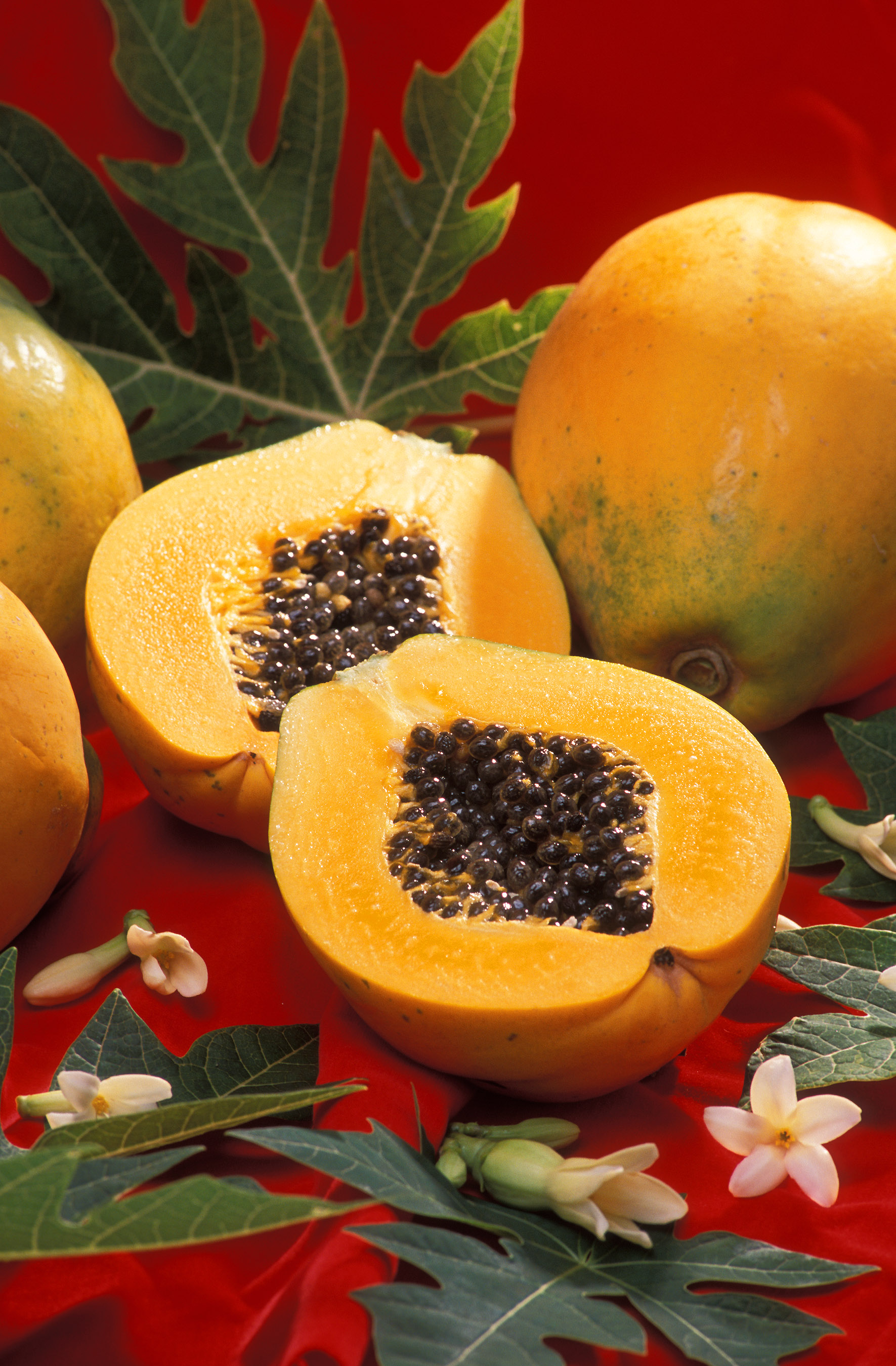
Photo: Salim_Khandoker / Wikimedia Commons (CC BY-SA 3.0)
Sources: Jagonews24, Department of Agricultural Extension (BAMIS portal), Banglapedia, The Business Standard, FAO Global Symposium on Soils for Nutrition, University of Hawaii College of Tropical Agriculture and Human Resources, Tamil Nadu Agricultural University, Kerala Agricultural University, Plant Disease (American Phytopathological Society), Hawaii Department of Agriculture, USDA FoodData Central, BMC Complementary and Alternative Medicine, World Health Organization
Comments
(0)