
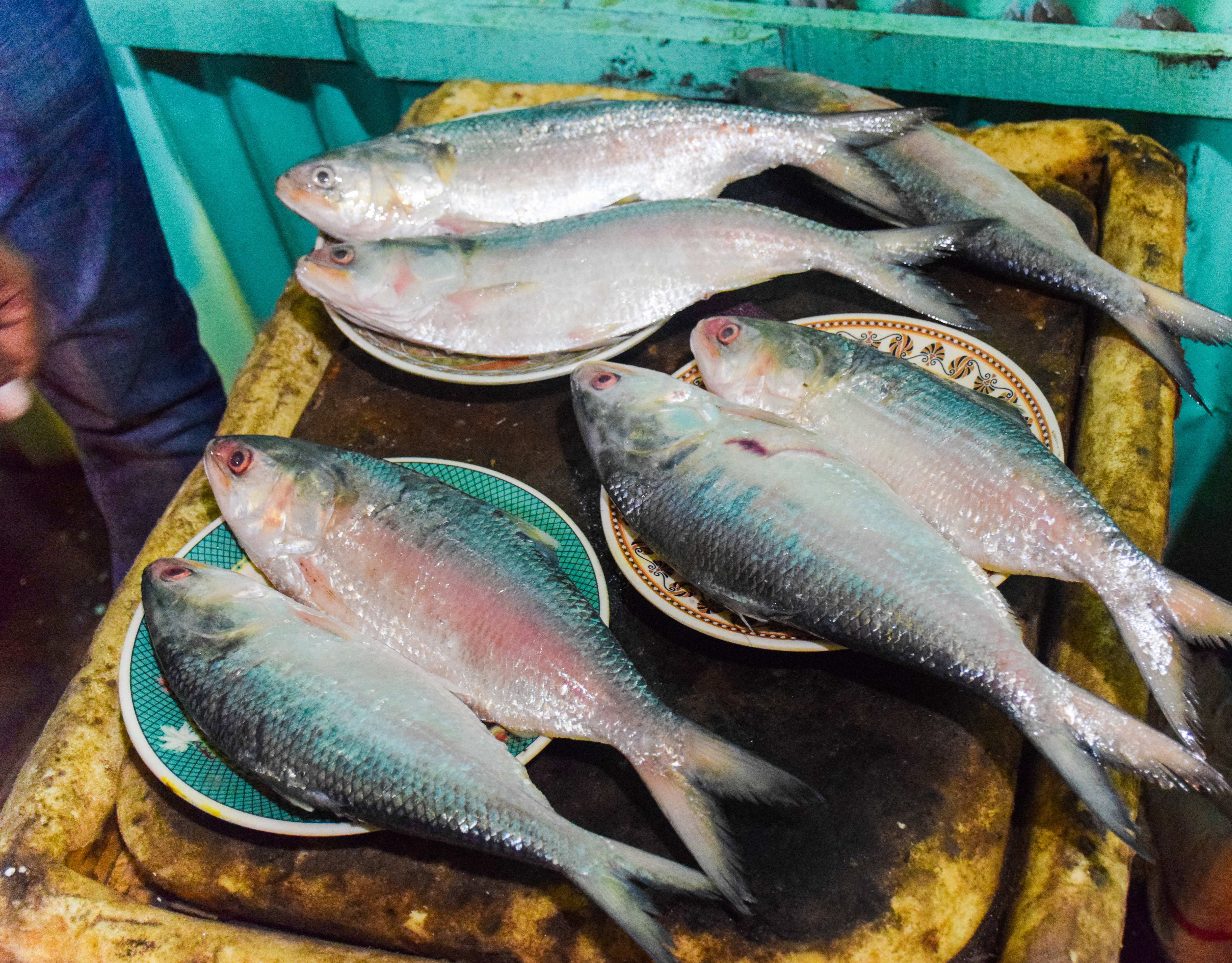
A hilsa weighing 2 kg, caught in the Padma at Daulatdia in Goalanda upazila of Rajbari district, was sold for Tk 9,200 on Tuesday, 7 July 2026, Jagonews24 reported that morning. The buyer was a man from Tangail who lives in Saudi Arabia. The details came from Samrat Shajahan Sheikh, a fish trader of the Daulatdia No. 5 ghat area, who gave them at about 9.30am.
The sale was a single fish at a riverside landing point, but it sits inside a much larger story: that of the hilsa, Bangladesh's national fish, a species that the country registered as its own geographical indication product in 2017, whose catch the government closes for months each year to let it breed and grow, and whose recorded national output had fallen in the two years before this report.
How the fish was caught and auctioned
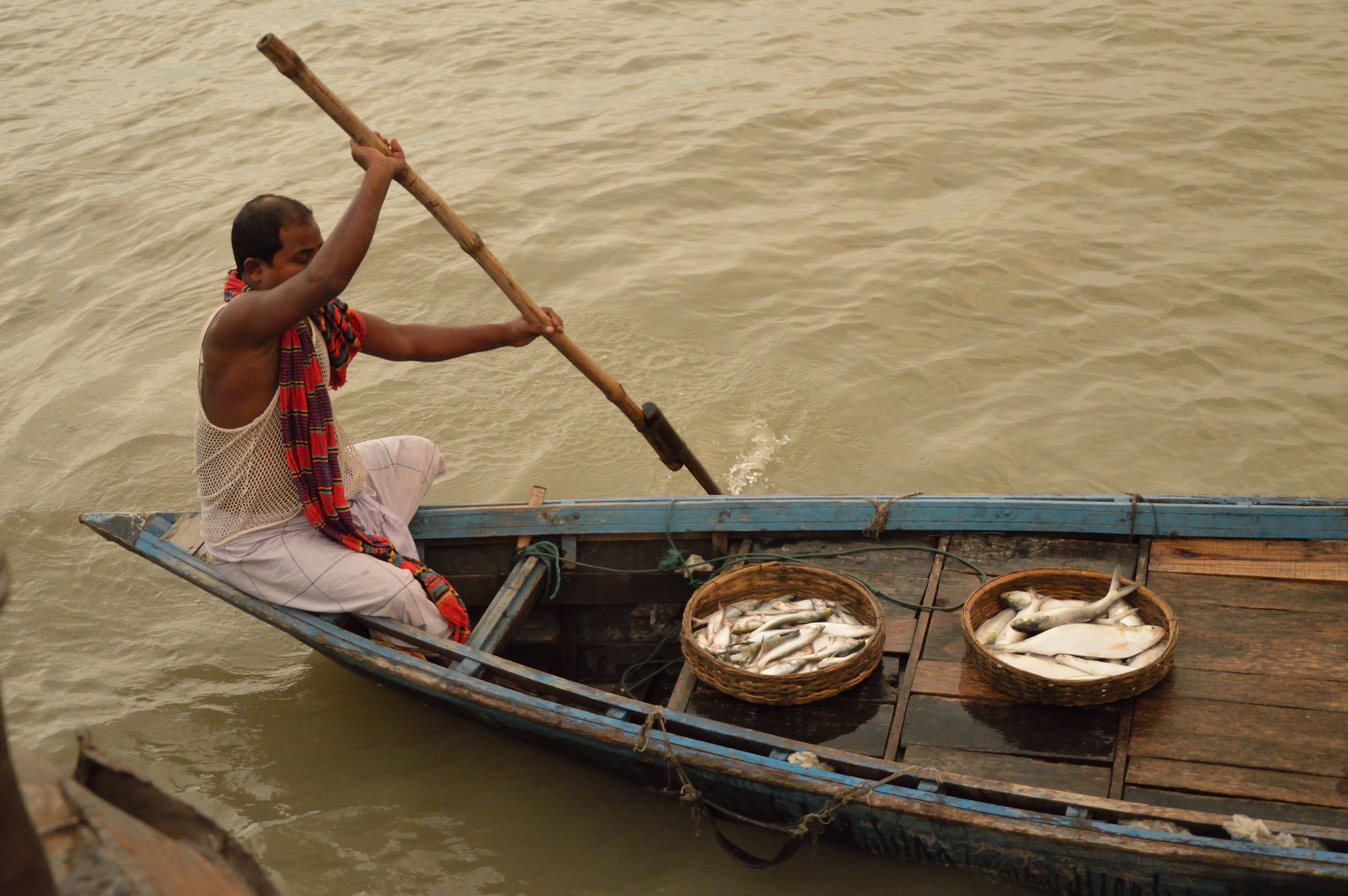
According to the report, fisherman Sagar Haldar and his companions cast their net in the Kushahata area of the Padma at Daulatdia in the small hours of Tuesday, before dawn. When they hauled the net in the morning they found a large silvery hilsa caught in it.
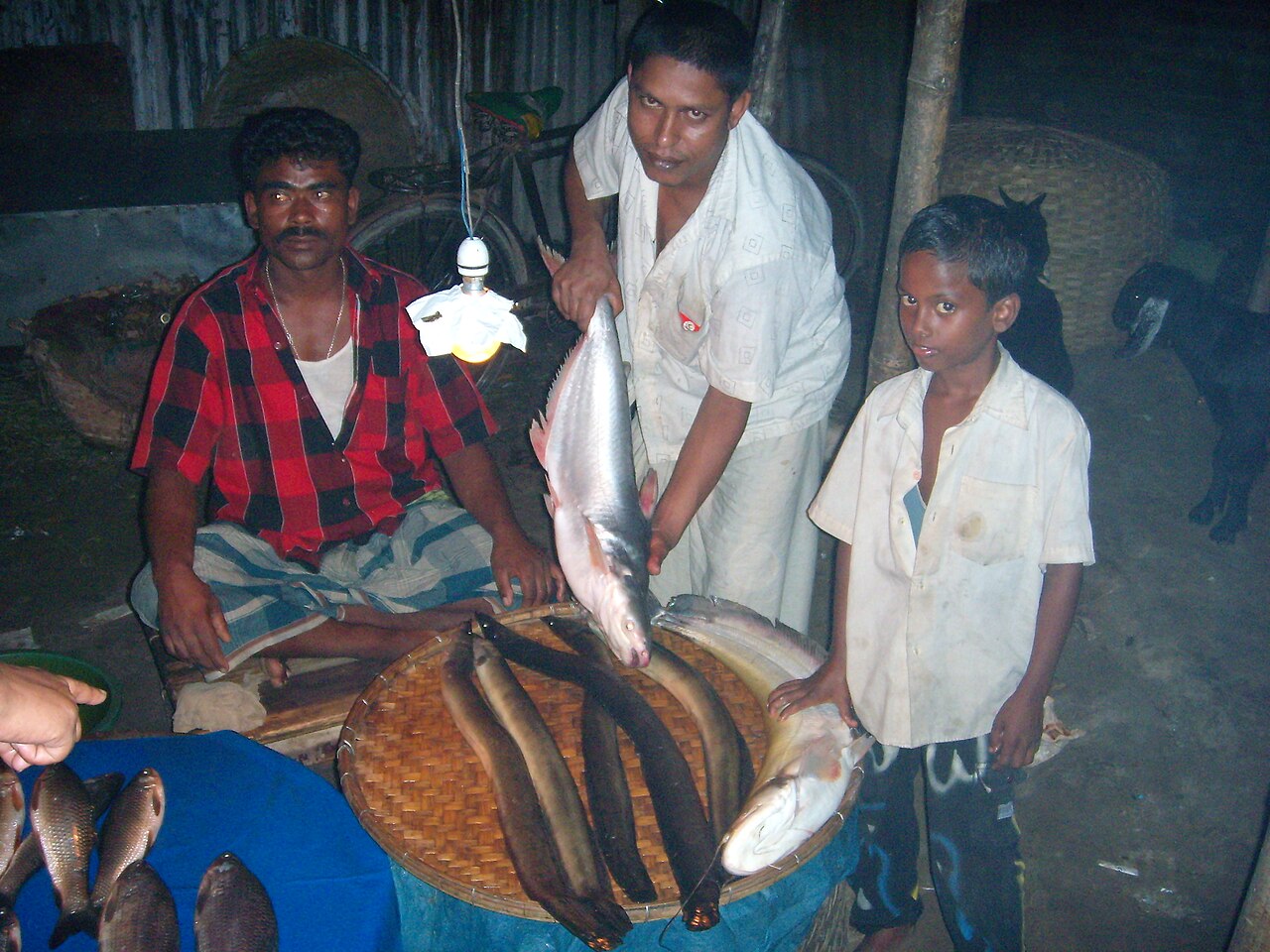
They took the fish to Delwar's arat, a wholesale fish depot at Daulatdia, where it was weighed at 2 kg. The fish was then put up for open auction at the arat. Samrat Shajahan Sheikh, the trader from the No. 5 ferry ghat area, won it at Tk 4,500 a kg, Tk 9,000 in all.
Earlier reports from the same ghat, described further below, follow the same steps: the fishermen bring the fish to an arat, it is weighed in front of buyers, it goes to the highest bidder in an open auction, and the trader who wins it then sells it on, often to a buyer in Dhaka or, as here, to a customer found through online contacts.
An online sale to a buyer abroad
Samrat Shajahan said that after buying the hilsa at auction he made contact with a buyer online and sold the fish at a margin of Tk 100 a kg, that is at Tk 4,600 a kg, to the expatriate from Tangail who lives in Saudi Arabia. The price the report gives for the fish is Tk 9,200.
The same buyer also took a second hilsa, weighing 1 kg 600 grams. The trader said he had bought that fish at Tk 4,000 a kg and sold it at Tk 4,200 a kg. The report does not say how the two fish were delivered, or who received them in Bangladesh on the buyer's behalf.
The report gives the trader's account only. It does not carry a statement from the fishermen about their share of the sale, and it names no fisheries official.
Daulatdia and Goalanda, where the Padma carries the Jamuna's flow
Daulatdia is one of the four unions of Goalanda upazila; the other three are Ujanchar, Chhota Bhakla and Debagram, according to Banglapedia, the national encyclopedia published by the Asiatic Society of Bangladesh. The upazila covers 121.82 square kilometres and its main rivers are the Padma and the Old Kumar. Banglapedia gives its population as 112,732. Goalanda was made a thana in 1920 and an upazila in 1984, and the encyclopedia lists the Goalanda Ferry Ghat and the Goalanda Launch Ghat among its important installations.
Rajbari district, of which Goalanda is a part, covers 1,092.28 square kilometres. It borders Pabna to the north, Manikganj to the east, Kushtia and Jhenaidah to the west, and Faridpur and Magura to the south. Its 2011 census population was 1,049,778, and its main rivers are the Padma, the Gorai, the Chandana and the Chitra. Rajbari became a district in 1984. Banglapedia puts agriculture as the main source of income for 60.84 per cent of its people and commerce for 14.36 per cent, and names the Goalanda ferry ghat among the district's sights.
In Bangladesh the Ganges is known as the Padma from the point where it enters the country. Banglapedia describes the river below Goalanda as carrying "the combined flow of the Ganges and the Jamuna after their confluence at Goalandaghat". That lower Padma is about 120 kilometres long and from 4 to 8 kilometres wide before it joins the Meghna. Daulatdia, on the Rajbari bank, sits on the stretch where the two rivers have just merged.
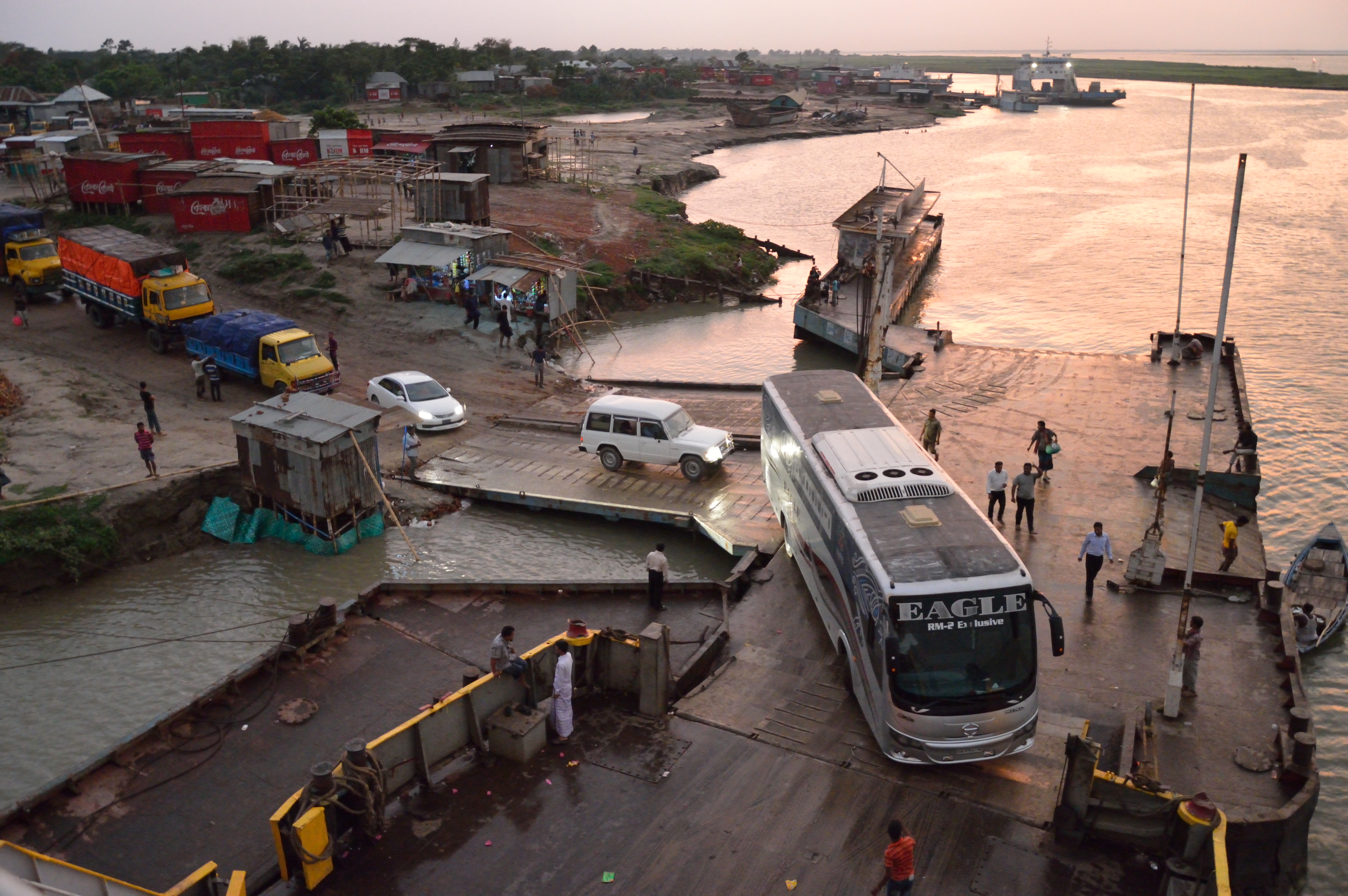
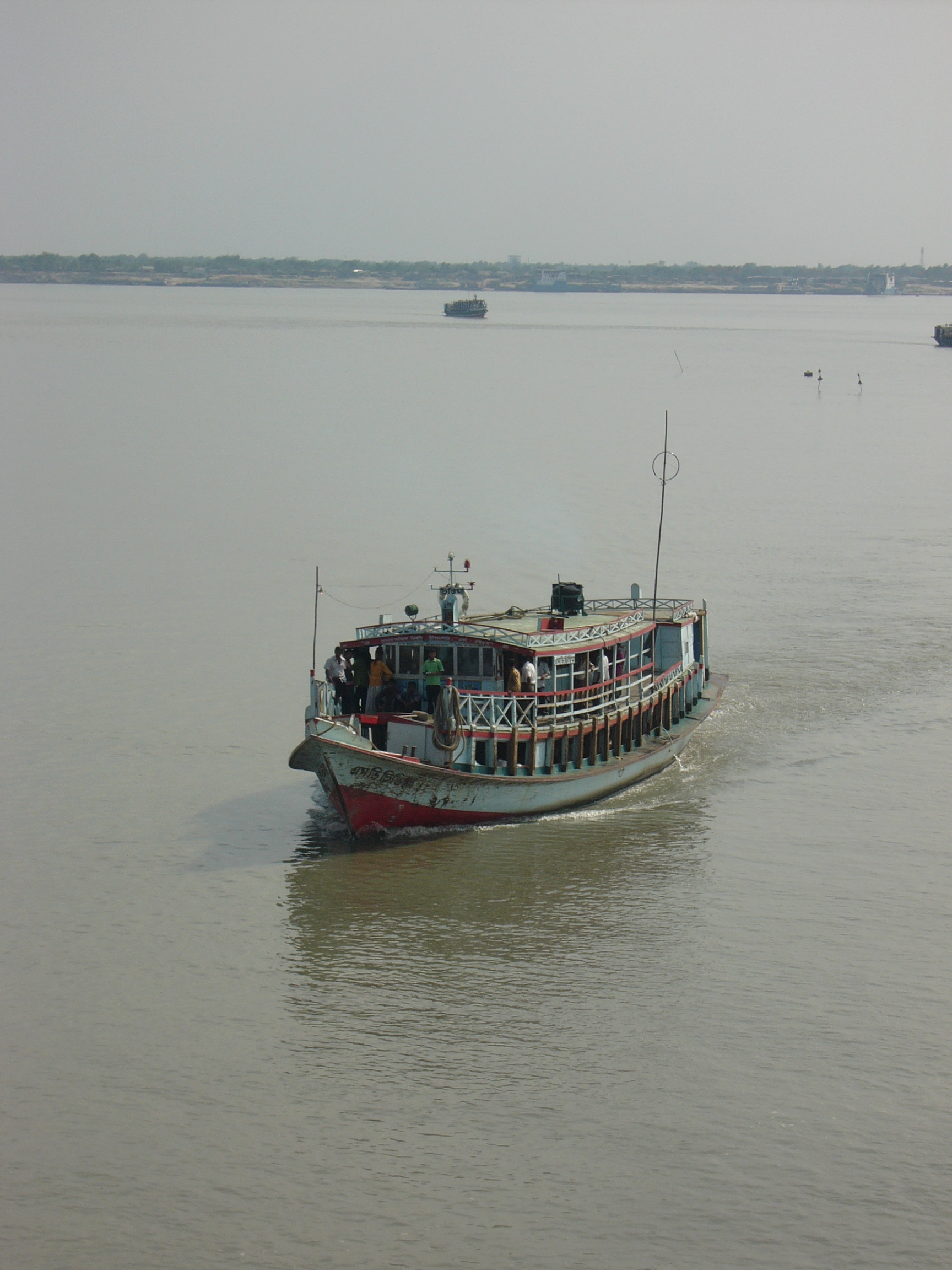
Daulatdia is also one end of a busy river crossing. On the far bank lies Paturia in Manikganj, and the Paturia-Daulatdia ferry route is run by the Bangladesh Inland Water Transport Corporation (BIWTC). In March 2026, a deputy general manager of the corporation told bdnews24.com that 12 ferries ran on the route regularly and 17 had been prepared for Eid. He said about 3,000 vehicles had crossed by ferry daily before the Padma Bridge opened, rising to 6,000 or 7,000 during Eid, and that 1,200 to 1,500 vehicles now used the route. Four ferry piers and one launch pier serve the crossing; the No. 1 jetty had been closed for a long time, so Nos. 2 to 5 were in use. The trader in this story works in the area of the No. 5 ghat.
Earlier sales of big Padma fish at Daulatdia
High prices for single large fish at Daulatdia have been reported before. On 13 May 2023, Prothom Alo reported that a hilsa of about 2.5 kg, caught in the Padma off Debipur char in Ujanchar union of Goalanda, had been taken to the Daulatdia ferry ghat, where a fish trader bought it for Tk 9,200. A trader from Dhaka then bought it from him for Tk 9,900, at Tk 3,850 a kg, the paper said, and its headline put the sale at Tk 10,000.
In the same report, local fishermen and traders told Prothom Alo that large hilsa had become rare in the river. The Goalanda upazila fisheries officer linked the scarcity to falling water levels and silted river channels, and said a catch of that size was welcome news.
On 11 September 2025, bdnews24.com reported a larger sale at the same landing point: a river fish locally called dhai, weighing 22 kg 600 grams, caught in the Padma near the Char Karnesion area at Daulatdia. It was weighed at a Daulatdia arat and auctioned at Tk 4,600 a kg, Tk 1,03,960 in all. The winning bidder, a local fish trader, then sold it to a Dhaka trader at Tk 200 a kg more, for Tk 1,08,480, the report said.
The hilsa: a sea fish that runs up the rivers to breed
The hilsa, Tenualosa ilisha, called ilish in Bengali, belongs to the herring family Clupeidae. Banglapedia describes its range as stretching from the Persian Gulf and the Red Sea to the South China Sea, with river populations in Iran, Iraq, Pakistan, India and Myanmar as well as in Bangladesh's rivers. It lives in the sea, in estuaries and in rivers.
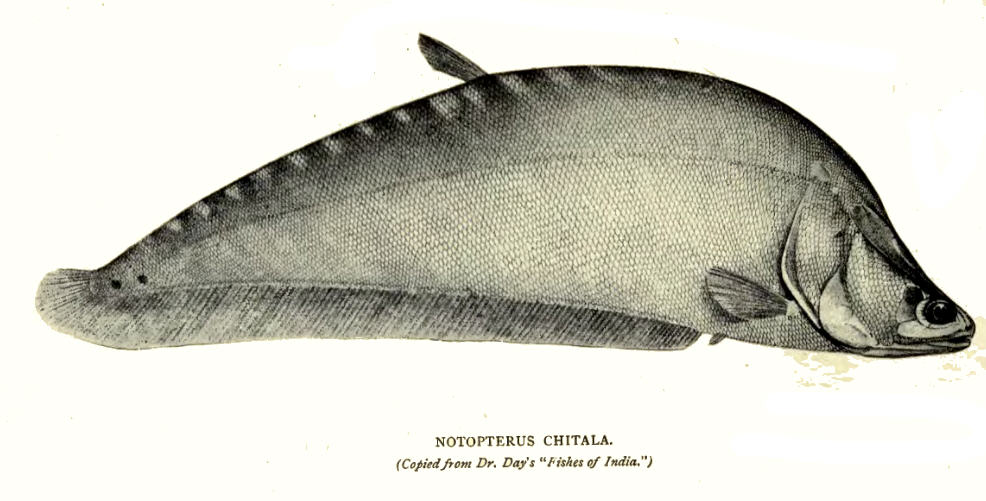
Its body is strongly compressed and silvery, with a metallic sheen. Adults commonly measure 35 to 40 centimetres, and the largest reach about 60 centimetres; a large fish weighs roughly 2.5 kg, by Banglapedia's account. Females grow faster and are usually bigger than males. The fish matures within one to two years, feeds mainly on plankton, and a large female can carry up to 2 million eggs.
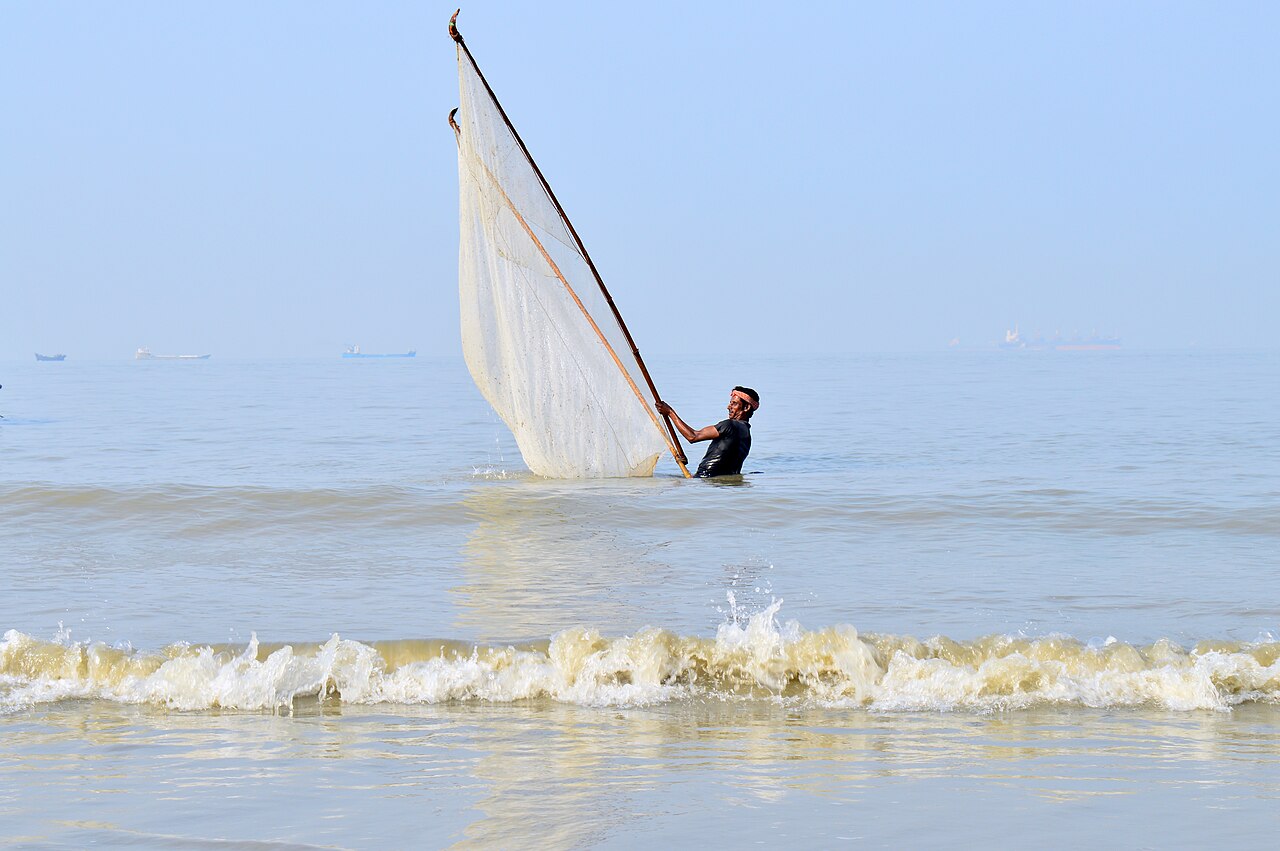
The hilsa is anadromous: adults move upstream from the sea to breed in fresh water, and their eggs float freely in the current. The young grow in river channels, then move down to the sea to feed and mature before returning to the rivers to spawn. Spawning peaks in September and October, with a smaller season in February and March. Banglapedia names the Padma, the Jamuna and the Meghna as spawning rivers. It says the fish is caught mainly with gill nets and other gear in the rivers, and with mechanised boats at sea. Adults are caught mainly from May to October, which places the July sale at Daulatdia inside the main fishing season.
The encyclopedia also records a shift in where the fish is caught. Until about 1972, the upstream fishery centred on the Padma, the Meghna, the Karatoya, the Rupsa, the Shibsa and the Payra; today most of the catch comes from the downstream rivers, the estuaries, the coast and the sea. It notes that the closure of the Kumar cut off one migration route from the sea through the Nabaganga to the Padma. The fishermen and traders quoted by Prothom Alo in 2023, who said large hilsa had become rare at Goalanda, were describing the same upper-river reach.
How much hilsa Bangladesh lands
Figures from the Department of Fisheries (DoF), as reported by The Daily Observer on 7 April 2026, trace the national hilsa catch over recent years:
- 2016-17: 496,000 tonnes
- 2017-18: 517,000 tonnes
- 2018-19: 532,000 tonnes
- 2019-20: 550,000 tonnes
- 2020-21: 565,000 tonnes
- 2021-22: 566,000 tonnes
- 2022-23: 571,000 tonnes
- 2023-24: 529,000 tonnes
- 2024-25: about 500,000 tonnes
The same report said the Bangladesh Fisheries Research Institute (BFRI), using a statistical forecasting model, had estimated 2024-25 output at 538,000 to 545,000 tonnes, presented at a press conference on 29 September, and noted that actual production could be lower. The series rose every year to a peak in 2022-23 and then fell in each of the two following years.
The official figures have been questioned. In July 2025, The Business Standard reported that more than 50 fishermen, traders and wholesalers it interviewed at landing sites in Laxmipur said the statistics were based on guesswork, and that traders' estimates of daily supply there did not match the district's recorded output. The same report cited the fisheries department as saying Bangladesh accounts for 75 per cent of the world's hilsa catch.
Estimates of that share vary by source. In August 2017, The Daily Star cited a WorldFish report saying Bangladesh alone produced over 60 per cent of the world's hilsa. In February 2025, The Business Standard cited WorldFish data putting the share at 86 per cent and ranking Bangladesh first among 11 hilsa-producing countries, and said about 25 lakh (2.5 million) people work in the hilsa business.
Bans and sanctuaries in force in 2026
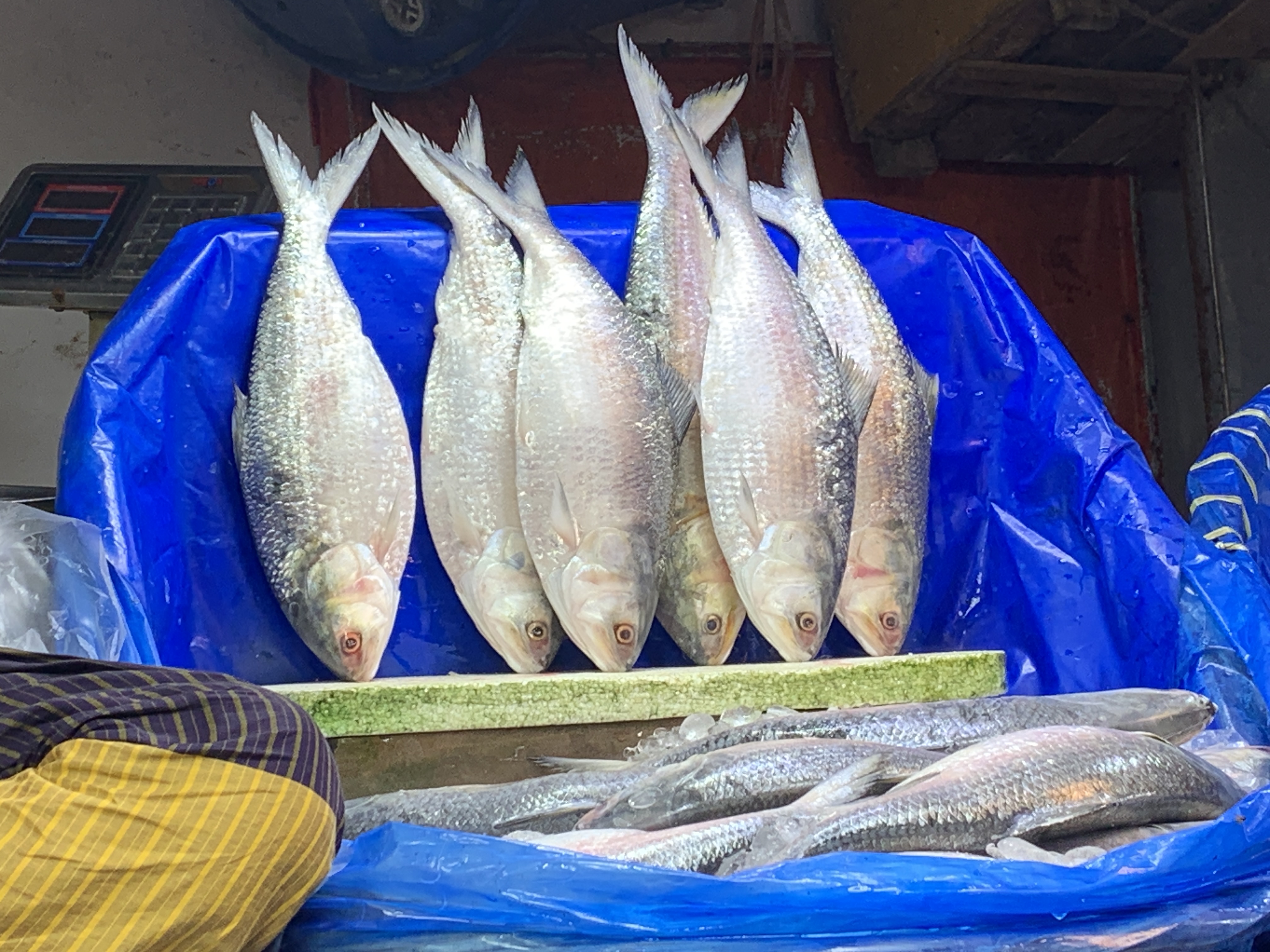
Bangladesh protects the hilsa through a calendar of closed seasons. At a press conference on 6 April 2026, the fisheries and livestock minister said catching, transporting and selling jatka, the young hilsa, is completely banned from 1 November to 30 June each year, and announced Jatka Conservation Week for 7 to 13 April 2026, The Daily Observer reported. Fisheries officials describe a hilsa under 10 inches as jatka, a fish around eight to nine months old, according to a February 2025 report in The Business Standard.
The same April 2026 report said all fishing in the Bay of Bengal is banned for 58 days, from 15 April to 11 June, and that a separate 22-day ban protects hilsa during the breeding season.
For 2025, the Ministry of Fisheries and Livestock set that breeding-season ban for 4 to 25 October, The Business Standard reported on 29 September 2025. A gazette notification prohibited catching, transporting, storing, marketing, buying, selling and exchanging hilsa across the country, in rivers, coastal waters, estuaries and the sea, during the full moon and new moon period of the Bengali month of Ashwin. The Department of Fisheries said the period had been set in consultation with BFRI, other organisations and fishermen, and BFRI research found that the 2024 ban had allowed 52.5 per cent of mother hilsa to spawn. For the 2025 ban, 620,140 fishing families in 165 upazilas of 37 districts were each to receive 25 kg of rice, 15,503.50 tonnes in all. Trawlers were to be kept out of the territorial waters, dredging was to be suspended, and the Naval Police, the Coast Guard, the Navy and the Air Force were to take part in enforcement. In the 2024 campaign, the report said, 2,169 mobile courts and 9,813 raids had led to the seizure of 54.86 tonnes of hilsa, the destruction of 612.11 lakh metres of nets and fines of Tk 75.27 lakh.
A third closure applies to the hilsa sanctuaries, the stretches of river where young hilsa gather and grow. In 2020, The Financial Express listed six sanctuaries under a two-month ban on catching, selling and transporting hilsa from 1 March:
- 100 km of the Meghna from Shatnal in Chandpur to Char Alexander in Laxmipur
- 90 km of the Shahbazpur Channel in Bhola
- 100 km of the Tentulia River in Bhola
- 40 km of the Andharmanik River in Patuakhali
- 20 km of the lower Padma at its confluence in Shariatpur
- 83 km of the Meghna from Hizla to Mehendiganj in Barishal
In 2025, the sanctuary ban on the Meghna stretch in Laxmipur ran from 1 March to 30 April, and selling, buying and storing hilsa were banned in that period as well, The Business Standard reported. The Laxmipur fisheries department described that 100 km stretch, from Alexander in Ramgati to Shatnal in Matlab upazila of Chandpur, as a hilsa breeding ground, and fishermen who stay off the water during the ban receive 40 kg of food aid under the Vulnerable Group Feeding (VGF) programme. The same report traced the protection effort back to a 2002 ban on catching mother and small hilsa, followed by a hilsa protection programme from 2003-04.
The Daulatdia sale of 7 July 2026 came after the jatka ban period that ends on 30 June and the sea ban that ends on 11 June, and before the breeding-season ban of October, in the months when the fishery is open.
A registered product of Bangladesh
The hilsa is Bangladesh's national fish, Banglapedia notes, and in 2017 it became the country's second registered geographical indication (GI) product, after the Jamdani sari. The Department of Fisheries had applied to the Department of Patents, Designs and Trademarks (DPDT), which published the application in its journal on 1 June 2017. Under the rules, the product would be registered if no objection was received within two months, and the deadline for objections passed on 31 July 2017, The Daily Star reported on 7 August 2017.
The Department of Fisheries received the GI certificate on Thursday, 24 August 2017, at a ceremony at the CIRDAP auditorium in Dhaka, Prothom Alo reported. When the registration was announced, the department said it planned to ask countries that import hilsa to recognise it as a Bangladeshi product.
At the time, The Daily Star reported, the DPDT was handling 24 other GI applications, among them Fazli mango, the Rajshahi silk sari and Harivanga mango, and planned to publish a list of Bangladeshi GI products by the end of 2017.
Photo: Fahad Faisal / Wikimedia Commons (CC BY-SA 4.0)
Sources: Jagonews24 (7 July 2026), Prothom Alo (13 May 2023; 24 August 2017), bdnews24.com (11 September 2025; 12 March 2026), The Daily Observer (7 April 2026), The Business Standard (28 February 2025; 5 July 2025; 29 September 2025), The Financial Express (30 April 2020), The Daily Star (7 August 2017), Banglapedia (Asiatic Society of Bangladesh)
Comments
(0)