
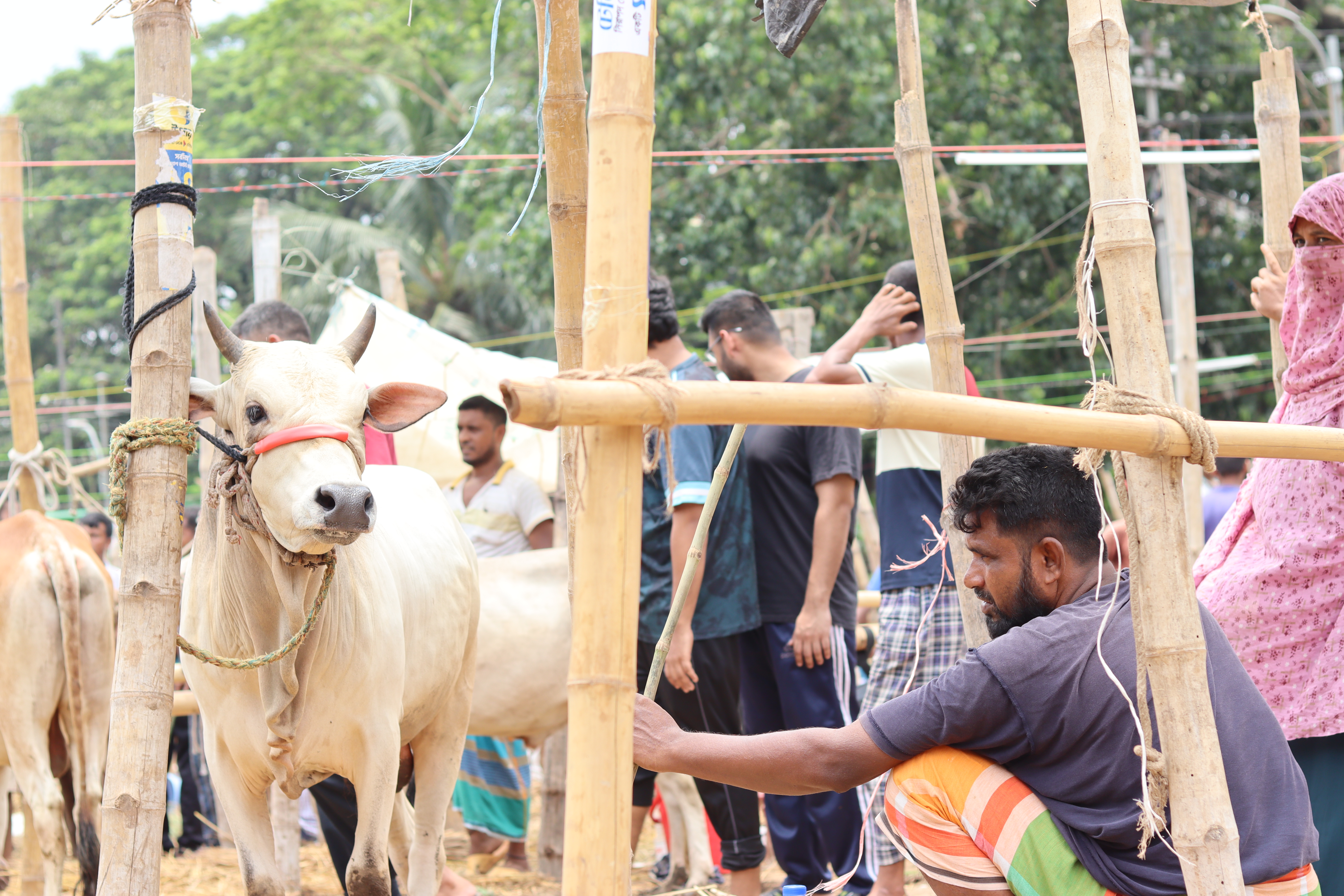
A large bull from Pabna whose owner had first asked Tk 16 lakh for it sold for Tk 7 lakh on Wednesday 27 May 2026 at the temporary cattle market on the Sun Valley sand field next to Aftabnagar in Dhaka. Jagonews24 reported that evening that trader Bahar Ali had sold the bigger of his two bulls by 4:30pm, but the slightly smaller one, for which he had first asked Tk 15 lakh, was still unsold. He said he would let it go for Tk 5.5 lakh. Eid-ul-Adha was due to be celebrated in Bangladesh the next day, Thursday 28 May.
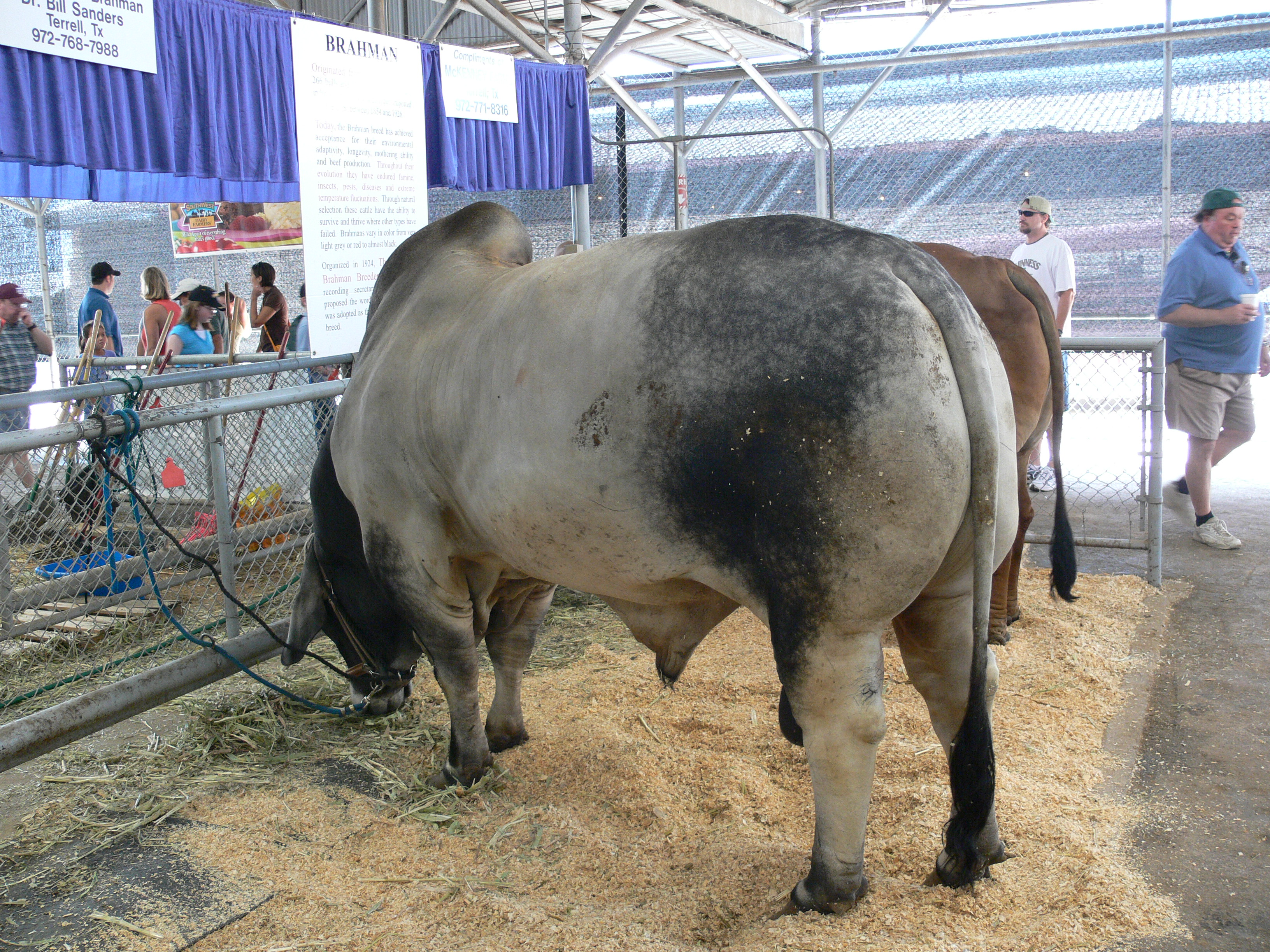
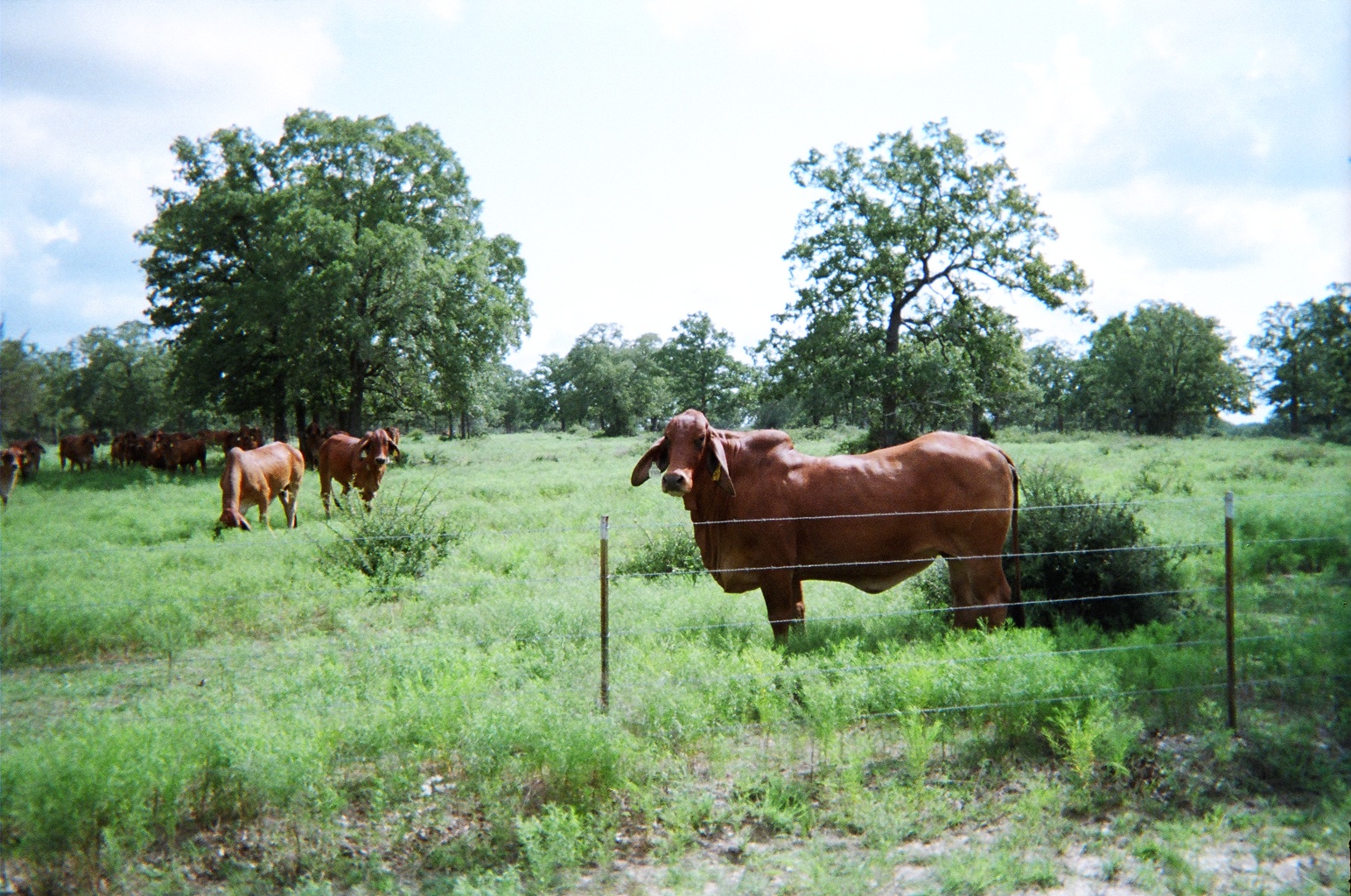
Jagonews24 described the two animals as Brahman bulls. The one that sold was black and white; the one still waiting for a buyer was red. By the trader's estimate the bigger bull would yield about 25 maunds of meat and the other 22 to 23 maunds. Explaining the price cuts, he said the market was very bad this year and that taking such big animals back to the village would only add to his loss.
From Tk 16 lakh to Tk 7 lakh in four days
Put together, two Jagonews24 reports show how the price came down. Bahar Ali brought the bulls to the Sun Valley market on Saturday 23 May. At first he asked Tk 16 lakh for the bigger one and Tk 15 lakh for the smaller. From the first day crowds gathered around them: some took photographs on their phones, others stood listening to the price in astonishment. For three days many people walked round to look at them, and many walked away as soon as they heard the price.
With no buyer, on Tuesday 26 May he cut his asking prices to Tk 11 lakh and Tk 10 lakh. In an earlier Jagonews24 report published that evening he said he would let both go for close to Tk 20 lakh if someone took them together. No one did. On Wednesday 27 May, the day before Eid, he finally sold the bigger bull to a buyer for Tk 7 lakh. The report did not identify the buyer.
In the same report Bahar Ali claimed that early on a buyer had offered Tk 15 lakh for the pair, which he refused because he did not like the price. He also claimed that before he left for Dhaka a trader in his village had offered Tk 16 lakh for the two, and he had not sold at that price either. On 26 May he explained why: he had raised them with such effort that he thought he might get a better price in Dhaka. These offers are the trader's own account; the report did not confirm them from any other source.
Besides the two big bulls he had brought several smaller cattle, most of which, he said, were still unsold on the afternoon of 27 May.
The trader's account: six years of rearing
Bahar Ali told Jagonews24 that the two bulls were born to his own cows and that he had raised them with great care for about six years. By his reckoning, feeding one bull in the village cost Tk 1,000 a day. Besides farm feed they had been given mostly natural fodder, and he said he had used no harmful drugs.
The meat figures are also the trader's estimate. In the 26 May report one buyer at the market said that although the trader claimed the bigger bull would give 25 maunds of meat, he expected it to be less. Very few people could afford a Tk 10 to 11 lakh animal, he added, and it was beyond the means of ordinary buyers. A businessman from Badda said the two bulls were very handsome, but Tk 10 to 11 lakh was out of reach for most people and the price seemed too high to him.
The maund (mon in Bengali) is a traditional South Asian unit of weight. According to Wikipedia, the Mughal definition was forty seers to the maund, and the unit was first standardised in the Bengal Presidency in 1833; its value has varied over time and from place to place. Sellers at cattle markets usually judge the meat an animal will yield by eye and state it in maunds, so these numbers are estimates, not measured weights.
"The market is very bad": why he sold at a loss
Asked why he was now selling so cheaply, Bahar Ali said the market was very bad. Taking such big cattle back to the village would mean a bigger loss, large animals cannot be kept for long, and demand for cattle falls after the Eid sacrifice. So he was accepting the loss and trying to sell at a lower price.
It was not only big cattle, he said: small and medium ones were also selling very slowly. A medium-sized animal that had sold for Tk 1.8 lakh at the start of the market was now drawing offers of Tk 1.4 lakh from buyers.
"I raised these two bulls with great hardship," he said. "I thought I would get a good price in Dhaka. Forget profit, now I am making a big loss." He said most traders who had brought cattle to Dhaka that year were facing losses, not just him. That was his own assessment.
Dhaka's markets in the week before Eid
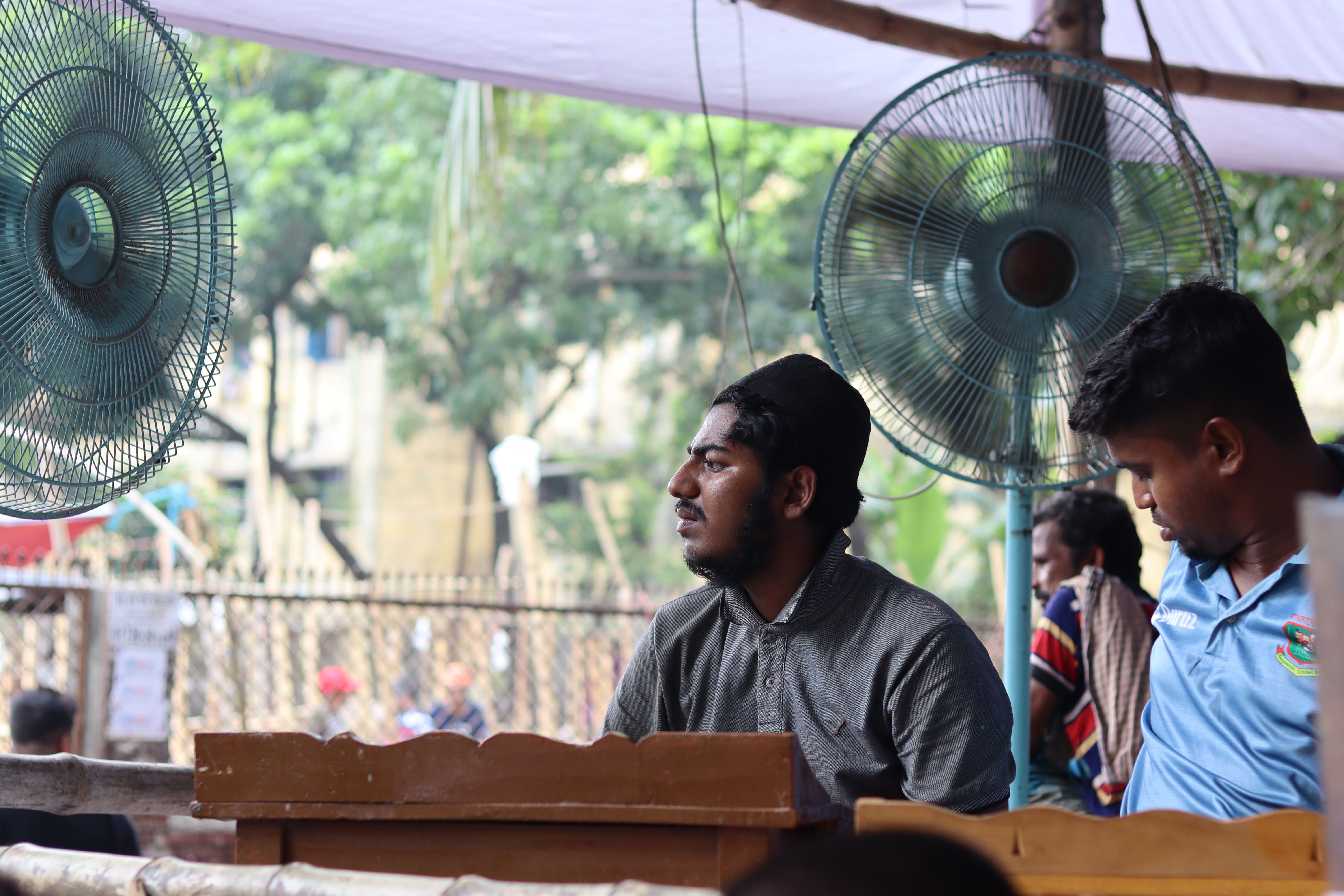
Bahar Ali's experience matched other reports from Dhaka that week. The Bengali edition of The Business Standard reported on 25 May that at the Tejgaon, Kamalapur, Postogola and Bhatara markets the day before, truckloads of cattle were arriving from across the country, but intense heat was keeping buyers away. Sellers said many people only haggled and went home. To protect the animals from the heat, handlers poured water over them from pipes, fanned them with palm-leaf fans or set small rechargeable fans beside them.
The same report gave an idea of sellers' asking prices. Cattle expected to yield two to two and a half maunds of meat were offered at Tk 120,000 to 130,000; two and a half to four maunds at Tk 150,000 to 200,000; four to six maunds at Tk 220,000 to 280,000; and over six maunds at more than Tk 300,000. Farmers blamed an unusual rise in the price of feed such as bran, oil cake and straw. A farmer who had brought cattle from Pabna to the Tejgaon market said his animals got little chance to graze and were fed mostly on concentrate, so in great heat they overheated quickly, panted and could even suffer heatstroke; they had to be watered and fanned all the time.
Then the weather turned. Jagonews24 reported on the night of 26 May that rain at midday the previous Monday had made conditions at the capital's markets serious. At the Kajla and Shonir Akhra markets in Jatrabari, traders were stuck in mud that was knee-deep in places and ankle-deep in others, and buyers asked prices from a distance and moved on. Some traders there alleged that the market leaseholders had made no effective arrangement to drain rainwater; the report carried no response from the leaseholders. Sellers claimed feed prices had nearly doubled in a year, on top of transport and labour costs. A trader from Jamalpur said he had bought one animal for Tk 170,000, buyers in Dhaka were offering Tk 140,000 for it, and transport had cost Tk 1,800 to 2,000 per animal.
Why big cattle found few buyers
One point recurred in reports from the week before Eid: buyers were looking mainly for small and medium cattle. Several buyers at the Sun Valley market told Jagonews24 on 26 May that interest in big cattle was lower that year, fewer big animals had come to market, and the few that had were being offered at high prices. Other traders there said demand for big cattle was down and people were bargaining mostly over small and medium animals, though higher transport and feed costs had pushed prices up a little.
Bangla Tribune reported on 22 May that Niloy Hossain, senior vice-president of the Bangladesh Dairy Farmers Association, had told journalists a few days earlier that demand for big cattle had fallen. With feed and transport costs rising, he said, large farmers were most at risk, and many were even thinking of closing their farms for fear of losses. In the same report a farmer in Uttarkhan, Dhaka, said rising fuel prices had pushed transport costs up sharply while animal prices stayed close to last year's; with small cattle in high demand they were relatively dear, while big cattle were relatively cheap.
Pabna's own markets showed the same pattern. The daily Desh Rupantor reported at midday on 26 May that demand in the district's markets was highest for medium and small cattle rather than very large ones, making small and medium animals somewhat more expensive.
The trend had been seen before. On 16 June 2024, the day before that year's Eid, Prothom Alo reported from the Diabari market in Uttara that most of the market had emptied but the biggest cattle were still unsold. Traders said buyers were mostly paying between Tk 1 lakh and Tk 2.5 lakh. A farmer from Pabna there was asking Tk 6 lakh for a bull of about 18 maunds but was being offered Tk 3.6 to 3.7 lakh. Had he known, he said, he would not have brought the big bull so far, and would have sold it from the farm.
More animals than demand: the official count
According to the Department of Livestock Services (DLS), Bangladesh had 12,333,840 animals ready for sacrifice in 2026, against an estimated demand of 10,106,334. Citing these figures on 21 May, The Business Standard reported a surplus of about 2.2 million animals. The paper's report of 25 May gave the same numbers as figures from the Ministry of Fisheries and Livestock.
Bangla Tribune's report of 22 May broke the DLS figure down: 5,695,878 cattle and buffaloes, 6,632,307 goats and sheep and 5,655 animals of other species. It also set out the trend of the previous three years: in 2023 about 12.5 million animals were available and about 10 million were sacrificed; in 2024, 12.1 million and about 9.5 million; and in 2025, 12.4 million and about 9 million. Production had kept rising while the number sacrificed stayed relatively flat.
Supply also varied sharply by division. In Dhaka division estimated demand was 2,158,869 animals but availability was 1,443,942, and Chattogram had a shortfall of about 50,000. Rajshahi, Rangpur, Khulna and Mymensingh divisions had large surpluses; Rajshahi division alone had about 1.9 million more animals than its demand, so much of the capital's supply was expected to come from the north. Pabna is in Rajshahi division. Md Shariful Haque, deputy director (farms) at the DLS, told Bangla Tribune there was no shortage of animals that year.
Reports gave two different counts of markets. The Business Standard reported on 21 May, citing sources, that more than 3,600 cattle markets would be held across the country, 24 of them in the capital: 11 temporary markets under Dhaka South City Corporation, 12 under Dhaka North City Corporation, and the permanent market at Gabtoli. Bangla Tribune, citing the Ministry of Fisheries and Livestock on 22 May, said 27 markets had been designated in the capital, 16 under the north city corporation and 11 under the south, with 20 veterinary medical teams on duty. The two city corporations said trading would run for five days. The government had also banned cattle markets in border areas.
Pabna, a district with animals to spare
Pabna is a district in west-central Bangladesh that forms the south-eastern edge of Rajshahi division. The Padma runs along its south and the Jamuna along its eastern border. According to the 2022 census, 2,909,624 people lived in the district in 743,558 households.
For sacrificial animals it is a district of large surplus. In Desh Rupantor's report of 26 May, the district livestock officer, Dr Zahurul Islam, said 653,000 animals had been prepared for Eid that year by farms large and small and by ordinary households, against local demand of 336,572. After meeting local needs, he said, the surplus of more than 300,000 was being sent to markets in Dhaka, Chattogram and other districts. Twenty-five medical teams were on duty at the district's 25 approved markets to treat sick animals on the spot.
The same report named Pabna's main markets: Hajirhat on the edge of town, Pushpapara at Ataikula, Aronkhola at Ishwardi, Karamja at Santhia, Sharatnagar at Bhangura, Amritakunda at Chatmohar and Chatur Hat at Bera. A farmer in the district told the paper that the price of every kind of feed, including grass, bran and oil cake, had risen sharply, so rearing an animal cost far more than the year before. One buyer said an animal that would have cost Tk 150,000 the previous year now cost Tk 160,000 to 170,000.
A 2024 explainer in the Dhaka Tribune mentioned Pabna in another way: it listed Pabna cattle, Red Chittagong cattle and Munshiganj cattle as local breeds raised mainly for meat. Bahar Ali's two bulls were not of this local breed, however; the report described them as Brahman.
The Brahman breed and how Bangladesh regulates it
The Brahman, or American Brahman, is a beef breed. According to Wikipedia, it was developed in the United States from 1885 using cattle of Indian origin, mainly Gir, Guzerá and Nelore stock imported at various times from the United Kingdom, India and Brazil. It tolerates heat, sunlight and humidity well and has good resistance to parasites. It has been exported to many countries, particularly in the tropics, and is the most numerous cattle breed in Australia.
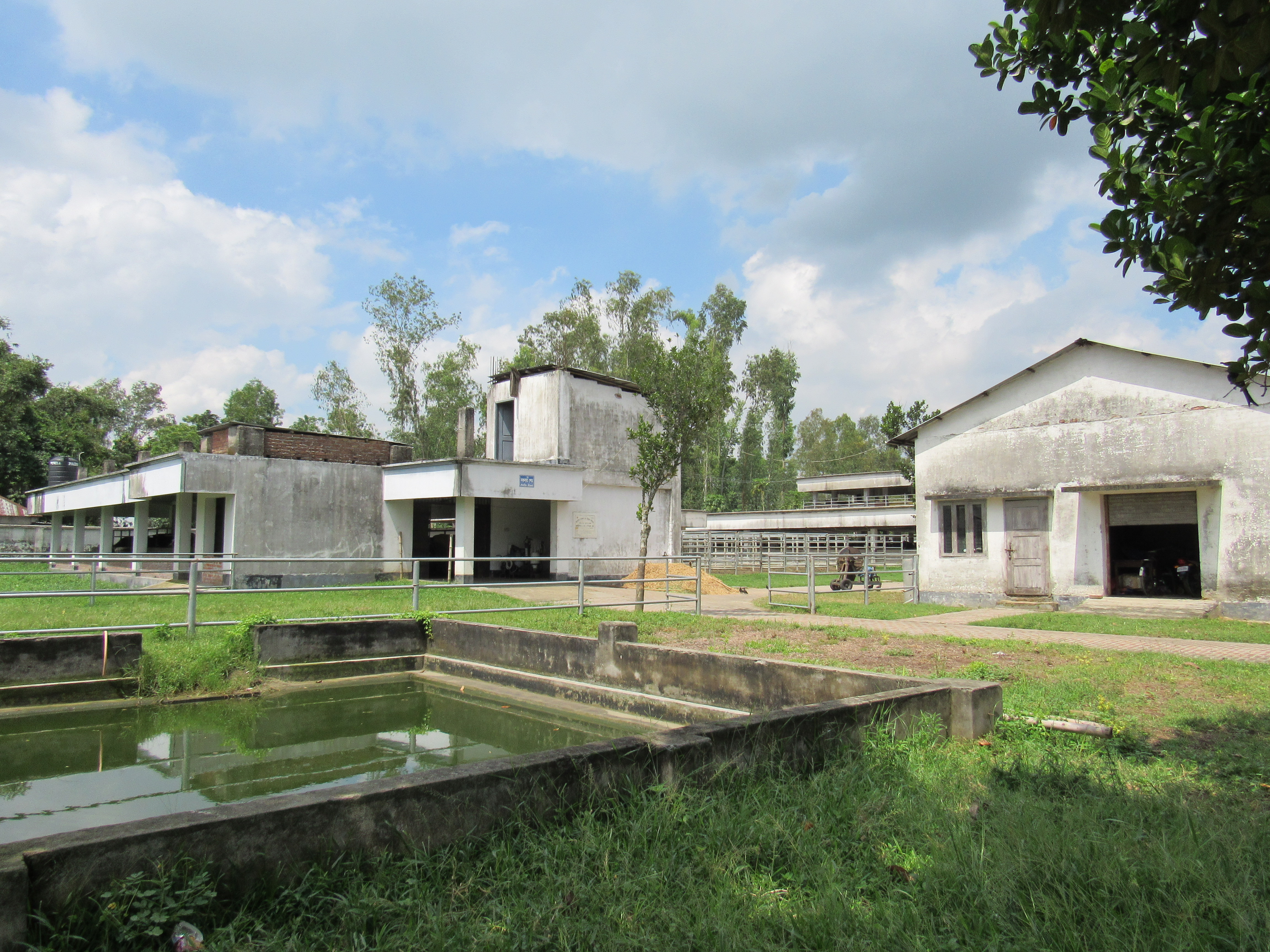
Bangladesh's official involvement with the breed goes back years. The Business Standard reported in July 2021 that the DLS began experimental production of Brahman cattle in 2008 under its Beef Cattle Development Project, which ran until 2017. According to the DLS, artificial insemination with Brahman semen was carried out on a pilot basis in 11 upazilas for three years. The report said a two-year-old native animal yields at most 200 kg of meat, against 600 to 800 kg from a Brahman of the same age.
Because the animals grow fast, farmers became keen on the breed, and insemination spread haphazardly beyond the project, out of the DLS's control. The report said cows born of native cows inseminated with Brahman semen give no milk, raising fears for milk production. Against this background the DLS stopped the production and import of Brahman cattle, the import of Brahman bull semen and its use in artificial insemination. The DLS said import of the breed at the private level was banned under the national policy on artificial insemination, though it could be imported for research with government permission.
The Dhaka Tribune published an explainer on the question on 5 July 2024. Brahman cattle are not technically banned in Bangladesh, it said, but the import of any livestock is tightly regulated and needs permission from the authorities, including the DLS; officials believe importing and breeding Brahman could harm dairy production. Dr Ananda Kumar Adhikary, director of the DLS artificial insemination office, told the paper that the current breeding policy does not include Brahman, so breeding it is questionable. The report added that the amended Artificial Breeding Policy of 2016 suggests trials of 50-50 crosses between Brahman and local breeds to raise meat output, but which local breed to use had not been settled, and until the policy was decided no government or private body had been allowed to produce or sell Brahman semen.
Despite these controls, the 2021 report noted, some farmers were still keeping Brahman cattle. The Jagonews24 reports mention no pedigree or breeding papers for them; the breed is given here as the reports describe it.
Eid-ul-Adha and the cattle markets
Eid-ul-Adha is one of the two main festivals of Islam and falls on the 10th of Dhul Hijjah, the last month of the Islamic calendar. After the Eid prayer, Muslims who can afford it sacrifice livestock, in remembrance of Prophet Ibrahim's (Abraham's) readiness to sacrifice his son at God's command. According to The Business Standard's report of 21 May, Eid fell on 28 May in Bangladesh in 2026.
In Bangladesh the festival is also called Korbanir Eid or Bakri Eid. From the start of Dhul Hijjah, temporary cattle markets spring up across the country. Estimates cited by Wikipedia put the number of animals sacrificed in Bangladesh each Eid-ul-Adha at about 13 million. To meet much of that demand, traders and farmers bring animals by truck from surplus districts, many in the north, to the markets of Dhaka, as Bahar Ali did from Pabna. Prices are settled in the bargaining of the last few days; four days after reaching Dhaka on 23 May, he sold his bigger bull for less than half his first asking price.
Photo: Wasiul Bahar / Wikimedia Commons (CC BY-SA 4.0)
Sources: Jagonews24, The Business Standard (Bangla), Bangla Tribune, Desh Rupantor, Prothom Alo, Dhaka Tribune, The Business Standard, Wikipedia
Comments
(0)