
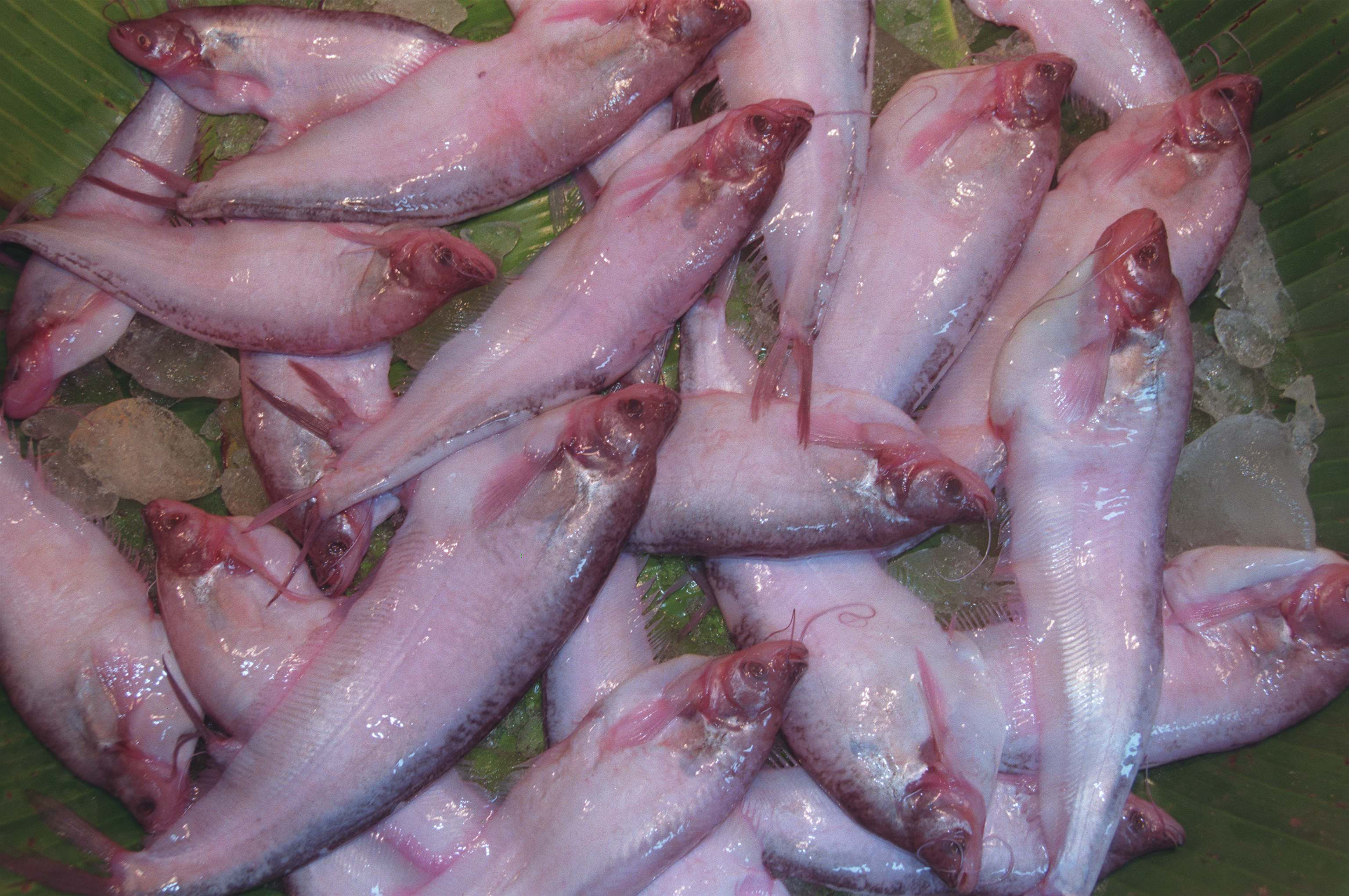
Pabda is one of Bangladesh's most popular and best-tasting small fish. It was once plentiful in rivers, canals, beels, haors and baors, but it has become scarce in open waters. A Jagonews24 guide urged readers to farm it themselves. The Bangladesh Fisheries Research Institute (BFRI) has developed techniques to breed and farm pabda, and the steps below follow its guidance.
Why pabda declined, and why farming it pays
According to BFRI, river silting, unplanned embankments, pesticide use in paddy fields and draining beels for fishing have shrunk pabda's breeding and feeding grounds. An IUCN survey placed the fish on the endangered list. A study published in Asian Fisheries Science in 2010 notes that IUCN Bangladesh had already listed pabda among the country's endangered fishes in 1998.
With low supply and high demand, pabda sells for much more than carps. The same study, citing earlier nutrition data, puts 19.2 g of protein, 2.1 g of fat and 310 mg of calcium in every 100 g of pabda.
Telling males from females
Pabda usually breeds from May to July and reaches maturity within a year. In the breeding season the sexes are easy to tell apart:
- Males are generally smaller than females.
- A mature male's pectoral spine is serrated on its inner edge; a female's is not.
- A female's belly, full of eggs, looks swollen and soft, while a male's stays flat.
BFRI advises collecting healthy wild fish in winter to raise as brood stock, washing them in a 1.5 to 2.0 ppm potassium permanganate solution or in salt water before stocking. Hormone-induced breeding is work for hatchery staff; farmers buy fingerlings from a hatchery.
Choosing and preparing the pond
The Jagonews24 guide advised a flood-free pond that holds water for at least seven to eight months a year and gets plenty of light and air. For mixed culture with carps, BFRI recommends a pond of 40 to 60 decimals that keeps four to six feet of water for at least eight to nine months a year.
In the dry season, clear weeds, repair the banks and net the pond repeatedly with fine mesh to remove predatory fish. In BFRI's mixed-culture method, 1 kg of lime per decimal follows; three to four days later, 6 to 8 kg of cow dung, 50 g of urea and 100 g of TSP per decimal are dissolved in water and spread. When the water turns greenish, three to five days after fertilising, the pond is ready for fingerlings. Rates can vary with soil and water, so check them with the upazila fisheries officer.
Stocking and feeding
BFRI's mixed-culture method stocks, per decimal, 50 pabda and 80 gulsha fingerlings of 5 to 7 cm together with 8 catla, 12 rui, 10 mrigel and 2 grass carp of 10 to 12 cm. Acclimatise fingerlings slowly to the pond's water temperature. Ask the upazila fisheries officer which disinfecting bath to use and at what strength.
- From the day after stocking, a mix of rice bran (40%), wheat bran (25%), mustard oil cake (20%) and fishmeal (15%) can be fed at 3 to 8 percent of the fish's body weight.
- Every 15 days, apply 50 g of urea and 100 g of TSP and 4 kg of cow dung per decimal, in turn.
- Rake the pond bottom once a week and top up the water when it falls.
- Stop fertilising when water transparency is within 20 cm.
Harvest and yield
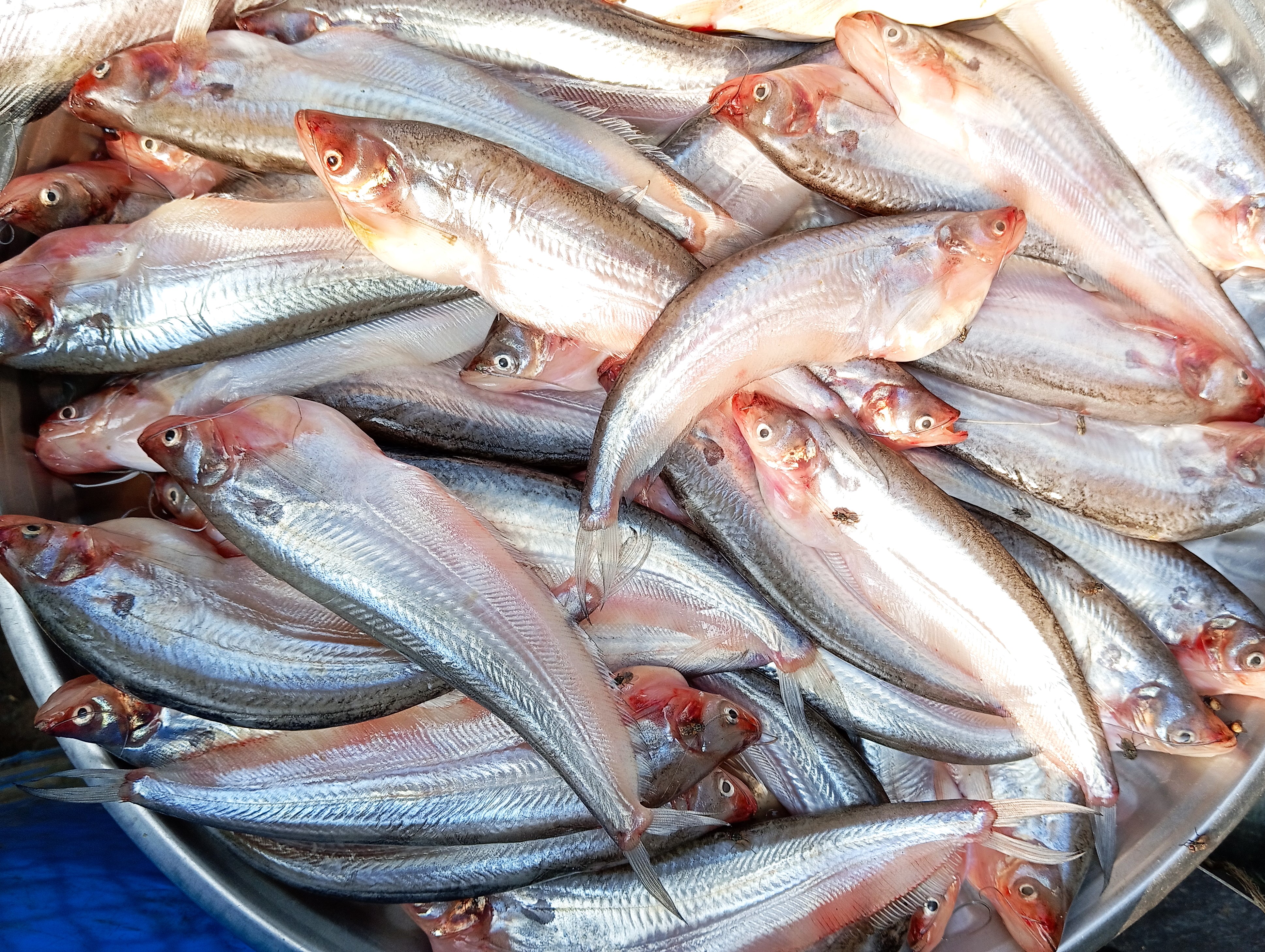
According to BFRI, pabda can be sold once they weigh 40 to 50 g and gulsha at 60 to 80 g, and the whole pond should be harvested eight to nine months after stocking. The institute says the method yields 250 to 325 kg of pabda, 800 to 900 kg of gulsha and 4,500 to 5,000 kg of carps per hectare.
BFRI warns that poor water quality slows growth and that pond fish can fall ill, so check the water regularly and net a sample every 15 days. If they look sick, do not treat them yourself; consult the upazila fisheries officer.
Photo: Biswarup Ganguly / Wikimedia Commons (CC BY 3.0)
Sources: Jagonews24, Bangladesh Fisheries Research Institute (BFRI), Asian Fisheries Science
Comments
(0)