
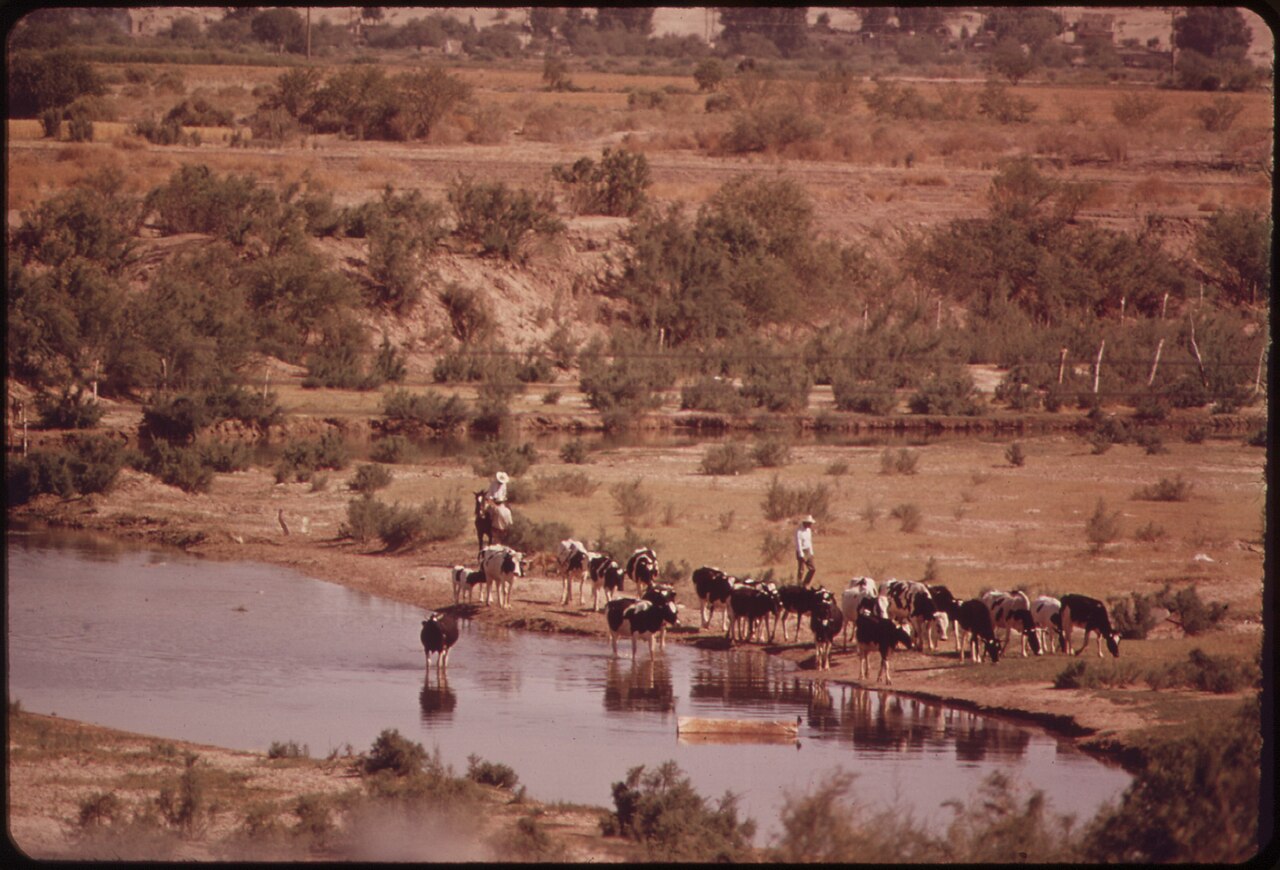
The US Department of Agriculture's Animal and Plant Health Inspection Service (APHIS) has scheduled the reopening of the Nogales, Arizona, port of entry to Mexican cattle on November 30, the next step in a phased reversal of border closures caused by the spread of New World screwworm through Mexico.
Nogales would be the fourth port restored to imports of Mexican cattle, bison and horses, after Douglas, Arizona, on August 24, Santa Teresa, New Mexico, on September 24, and Columbus, New Mexico, on October 26, after nearly two years closed. APHIS says each reopening comes with tighter screwworm inspection and testing at the border, not a return to pre-outbreak procedures.
Screwworm is a flesh-eating parasitic fly larva. Its northward spread through Mexican herds and wildlife led USDA at one stage to suspend all imports of live cattle, bison and horses from Mexico, cutting a trade that carried roughly 1 million head a year into the United States, according to US border officials. More than 60 cases have been confirmed in Texas and New Mexico, including the first in wildlife, an elk, in October, and APHIS confirmed a detection in Arizona on October 28.
To suppress the fly, APHIS and its Mexican and Panamanian counterparts release sterile male flies that mate with wild females and produce no offspring. A dispersal facility at Moore Air Force Base in Edinburg, Texas, built with 8.5 million dollars, releases more than 80 million sterile flies a week, and a renovated plant in Metapa, Mexico, upgraded for 31 million dollars, is expected to add about 100 million a week. A new US production facility planned with the Army Corps of Engineers would start at up to 100 million a week and reach 300 million by late 2028.
APHIS runs more than 100 screwworm traps within a network of over 8,000 insect traps, has flown more than 1,000 drone surveillance flights over Texas logging over 20,000 animal observations, and uses more than 130 trail cameras. USDA's New World Screwworm Grand Challenge has committed about 105 million dollars to 40 research projects.
Photo: Charles O'Rear / Wikimedia Commons (public domain)
Source: Global Agriculture

Comments
(0)