
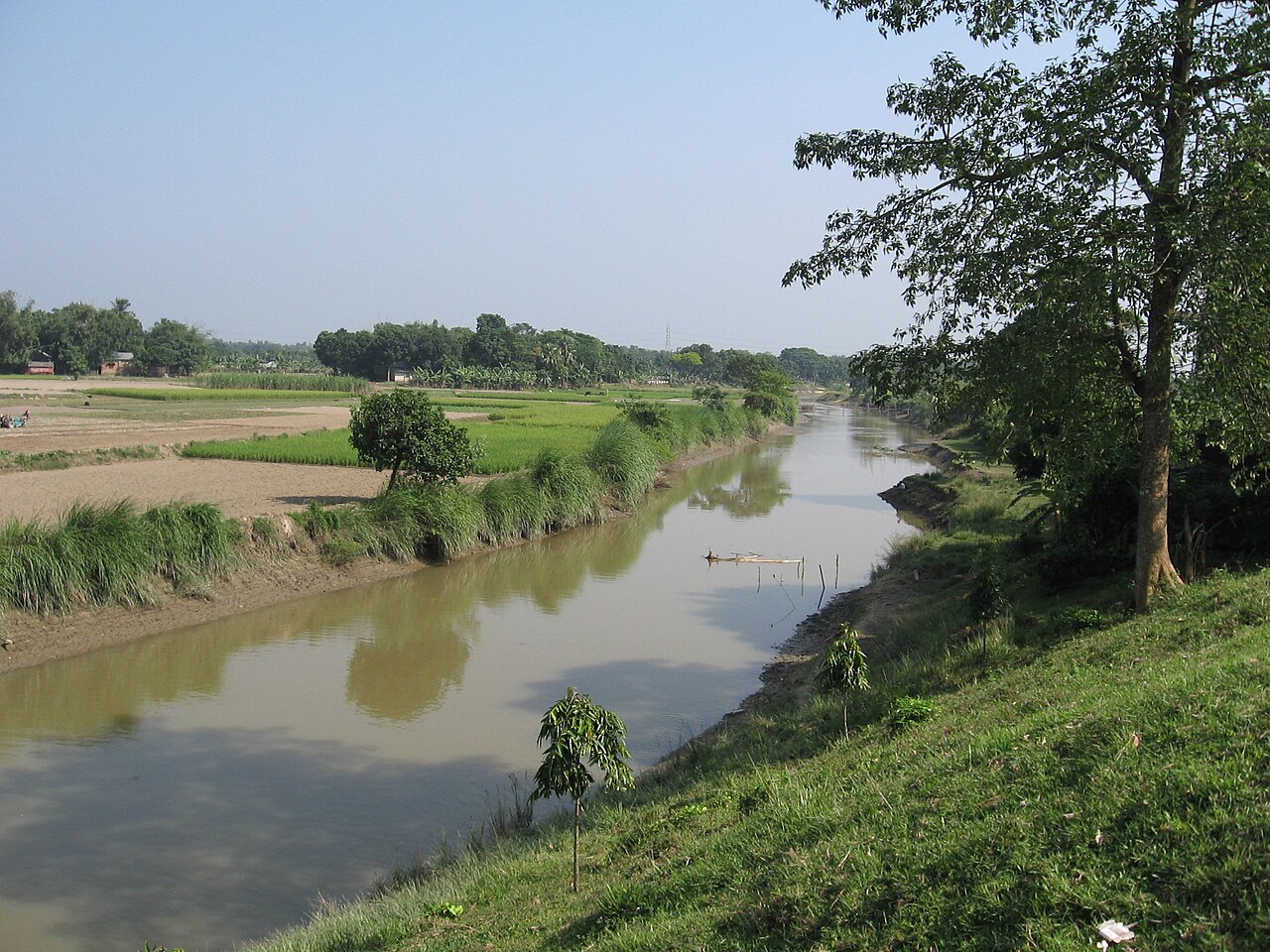
Prompted by a Prothom Alo report of 5 October on Goshainer Doho, a deep pool in the Karatoya river at Sherpur in Bogura, Dr Md Shariful Islam, senior programme specialist (fisheries) at the SAARC Agriculture Centre in Dhaka, has written a column on the loss of native fish habitat. Local elders say the pool once held water all year and yielded boal, air, chital and other fish; much of it is now choked with water hyacinth. The views are the writer's own.
He asks whether Bangladesh, which measures fisheries progress by output, pays enough attention to which river and beel fish survive, where they breed and where they shelter in the dry season. He cites FAO guidance on Asian floodplain fisheries, which treats deep, permanent water bodies as dry-season refuges.
He draws a scientific distinction: a pool full of fish is not necessarily a breeding ground for every species; it may be a refuge for adults, a nursery for fry or a place to survive the dry months. Seasonal surveys are needed to find out, but that is no reason to delay protecting what remains.
He wants fish needs built into the planned dredging of the Karatoya's old course from the start: a joint assessment by the Water Development Board, the Department of Fisheries and the local administration, with the Bangladesh Fisheries Research Institute and university experts as needed; some deep sections kept; working links to the river; and dredged soil kept from blocking those links again. He points to an FAO-documented example in Tangail, where a link canal between Sinharagi beel and the Dhaleshwari was dug.
Before any fingerlings are released, he says, the permanence and quality of the water, natural food and existing fish should be assessed; water hyacinth removal must be sustained, and dissolved oxygen and other indicators tested. Whether a sanctuary can be set up in the deeper parts should be settled with local fishers, and families whose income falls under any restrictions need temporary support and alternative livelihoods.
More broadly, he proposes district lists of deep river pools, permanent beels and key link canals so that development and dredging plans use fish-habitat information. Success should be judged not by cubic metres of soil moved but by whether dry-season refuges survive and native fish and fishers' livelihoods improve.
Photo: P.K.Niyogi / Wikimedia Commons (public domain)
Source: Prothom Alo

Comments
(0)