

Whenever rice and lentil prices rise, people in Bangladesh recall the days of Shaista Khan, the Mughal governor of Bengal, when a taka was said to buy eight maunds of rice. A BBC Bangla analysis puts the question to historians: was rice really that cheap, and did cheap rice mean people were well off?
In his History of Bengal, historian Professor Abdul Karim wrote that when Shaista Khan left Dhaka he closed the western gate of Lalbagh Fort and had an inscription placed saying it should not be opened until rice was as cheap as in his time. The gate stayed shut for more than half a century and was opened in 1740, under Nawab Sarfaraz Khan, when rice again fell to eight maunds a taka. In the early 19th century Bradley-Birt wrote that a taka bought 740 pounds, or eight maunds, of rice; some historians say at times it was more than nine.
History teacher and researcher Dr Nasima Hamid told BBC Bangla that accounts by historians and foreign travellers confirm essentials were cheap, and that the absence of major natural disasters meant plentiful grain. Shaista Khan governed Bengal for about 22 years in two terms under Aurangzeb; Professor Karim records that he shielded farmers from double taxation and encouraged traders to market farm produce. Books also note a famine around Dhaka late in the term of his predecessor, Mir Jumla.
Professor Golam Rabbani disagrees with the rosy picture. Farmers' lives were miserable, he said: with no chemical fertiliser or irrigation, relying on the monsoon and manual labour, a farmer had to grow eight maunds of rice to earn one taka, which is no measure of prosperity. He said foreign merchants carried rice from Bengal along with light muslin to keep their ships balanced; when Shaista Khan banned rice exports, rice began rotting in farmers' homes and prices fell even further.
According to historian Jadunath Sarkar, Dhaka sat at the heart of Bengal's main rice-growing region, so rice was naturally cheaper there than in central Bengal, while ordinary people's purchasing power was very low, so goods were not easily within their reach. Researchers say market supervision and weak purchasing power, among other factors, kept prices low, but cheap rice did not mean everyone was well off.
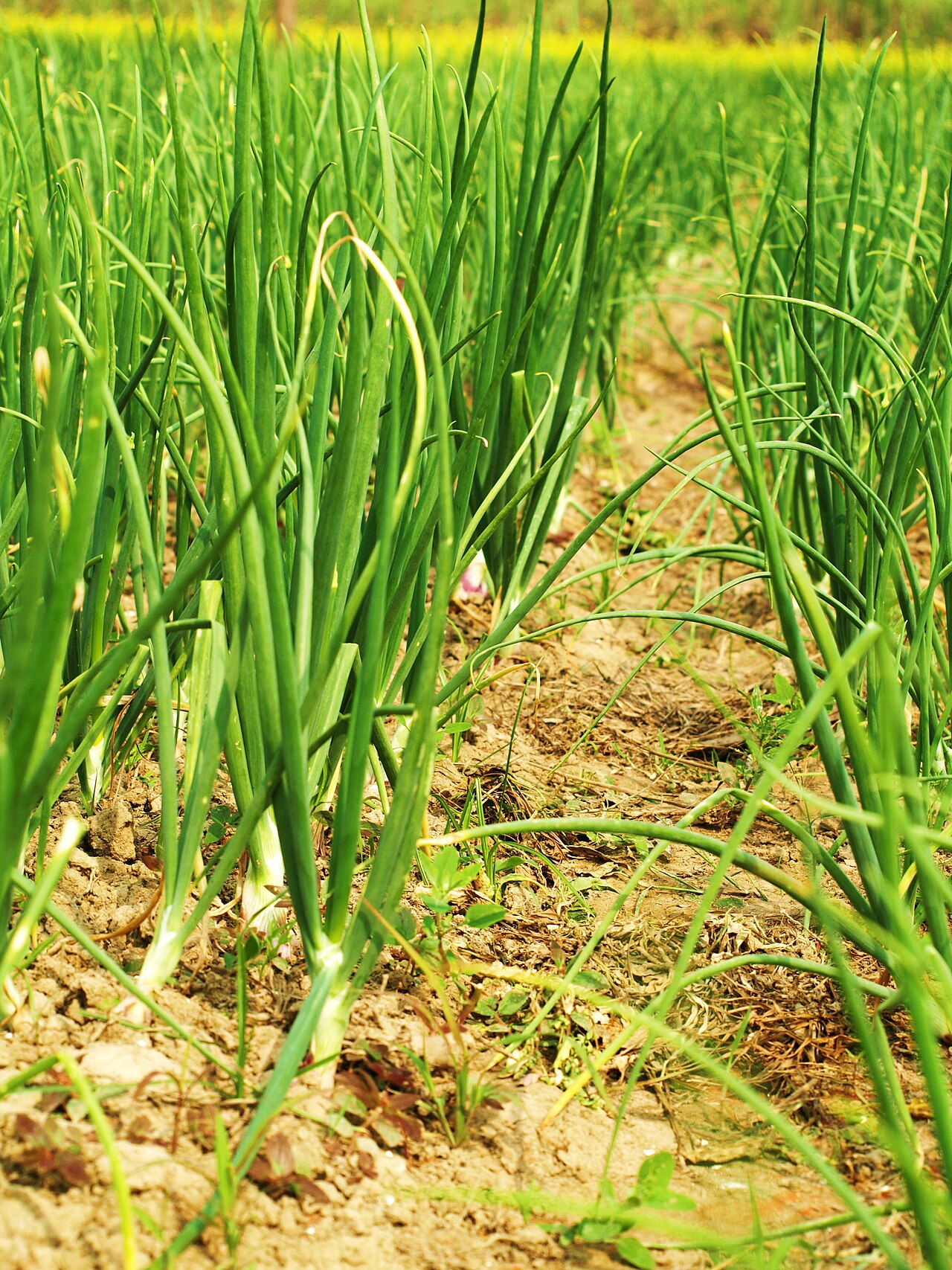
Photo: Shmunmun / Wikimedia Commons (public domain)
Source: BBC Bangla



Comments
(0)