
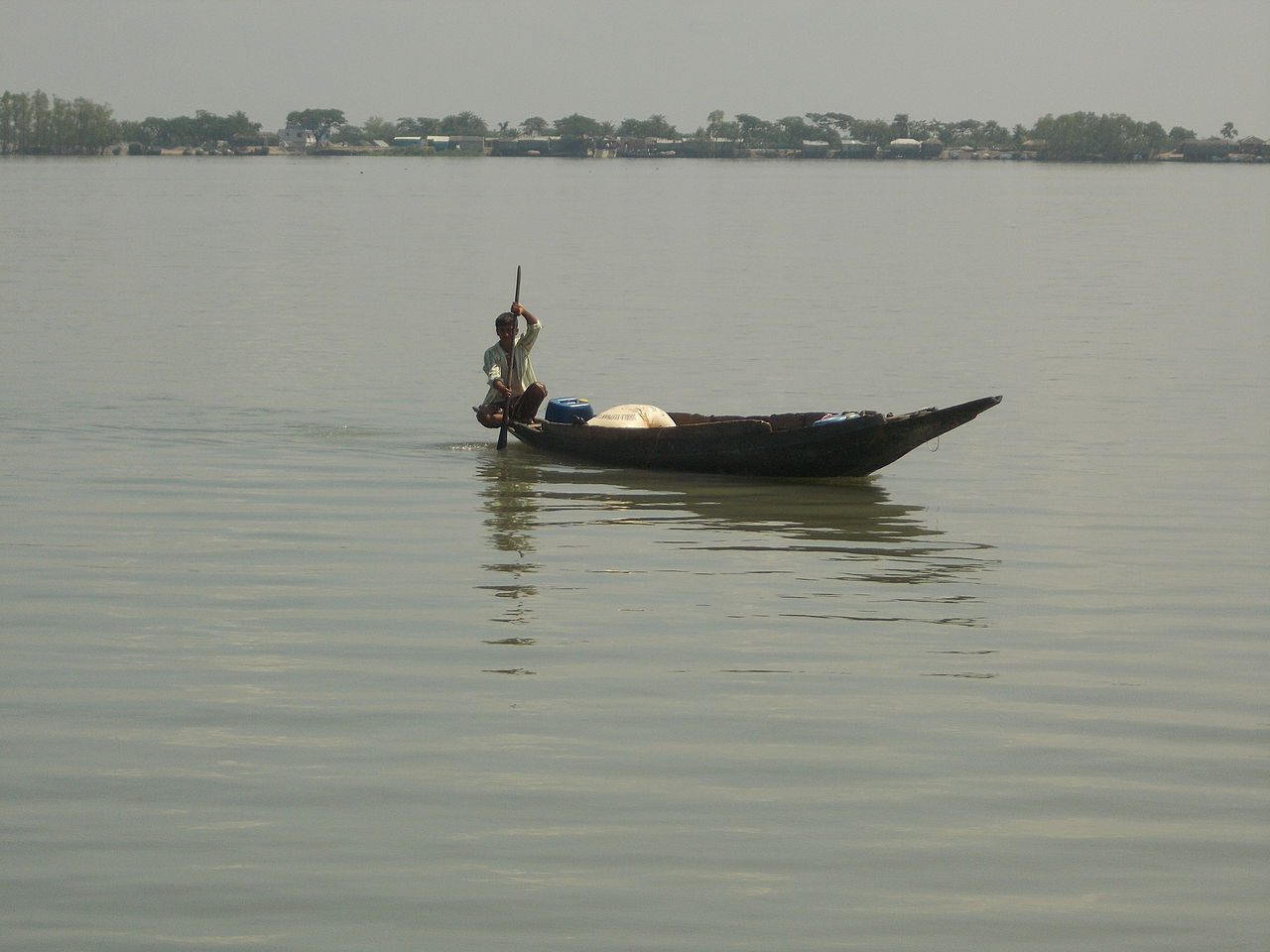
Fishing households in Mongla, in south-western Bangladesh, have set out four priorities for adapting to climate change at a co-design workshop run by WorldFish under the CGIAR Climate Action programme in Ulubunia village from 18 to 20 August 2026, CGIAR reports.
Ulubunia lies near the Mongla River and the Sundarbans. Many households fish in the Sundarbans, the Mongla and Pashur rivers and the Bay of Bengal, while others farm fish, shrimp and crab in ponds. Heat, storms, flooding and salinity are making both harder, and the annual June-to-August fishing ban adds pressure on families with few other sources of income.
Cyclone Remal in 2024 showed how the risks pile up. Rozina Begum's house flooded and collapsed, and saline water swept into her aquaculture pond, carrying off the fish she depended on and leaving the pond unfit for farming; she puts her losses at about BDT 200,000. Rafiqul Shaikh, a small-scale fisher and cooperative leader, said boats sometimes cannot leave shore or must turn back, and very hot days bring headaches, vomiting and sometimes heatstroke. Boat owner Gazi Ruhul Amin said cyclones can destroy boats, nets and homes.
Households are already adapting: they harvest and store rainwater, raise house foundations, grow salt-tolerant crops, stay ashore in dangerous conditions and follow cyclone and flood warnings. Faced with rising salinity and disease, some farmers are switching from fish and shrimp to crab, others are planting trees along riverbanks and embankments, and some are investing in their children's education to widen their options.
The participants, who included fishers, boat owners, traders, women-led organisations, government officials, NGOs and law-enforcement authorities, agreed on four priorities: safer water and better salinity management, including flood-resilient ponds, rainwater treatment, stronger embankments and desalination where it fits; stronger early warning, preparedness and recovery, with cyclone shelters that better meet women's needs; more resilient and diversified livelihoods, from climate-resilient agriculture and aquaculture and salt-tolerant crops to other income during fishing bans; and stronger local services, including health care, community organisations and revolving funds.
The District Fisheries Officer and the Senior Upazila Fisheries Officer stressed co-designing measures with communities and closer work between government agencies and fishers. The workshop did not test whether the proposed measures will make Ulubunia more resilient; turning the agenda into action, CGIAR notes, will need feasible measures, clear roles, money and continued participation by the fishers themselves.
Photo: Hafijulwiki / Wikimedia Commons (CC BY-SA 4.0)
Source: CGIAR

Comments
(0)