
Australia's red meat and livestock industry turned over $99.9 billion in 2024-25, up 24.5 percent on the year before, and exported a record $28.3 billion worth of products in 2025, according to Meat & Livestock Australia's (MLA) State of the Industry Report 2026. Figures are in Australian dollars.
Industry value-add rose 20.1 percent to $19.5 billion. Beef cattle farming turnover increased 40.6 percent, sheep farming 17.3 percent and feedlots 45.4 percent; processing reached about $35.8 billion, and the production sector of cattle, sheep and feedlots accounted for almost half of the total at $49.4 billion. The industry supported about 432,800 direct and indirect jobs, around 85 percent of them held by people living in rural and regional areas.
Exports were up 27 percent on 2024 and 72.6 percent above 2020. Beef exports rose 33.3 percent to $18.7 billion, and the United States became Australia's largest market by volume for both beef and lamb. Australia remained the world's second-largest beef exporter after Brazil and the largest exporter of sheepmeat and goatmeat. It also shipped 804,111 live cattle and 330,445 live sheep, worth around $1.1 billion.
At home, Australians ate about 22.7kg of beef per person, against a global average of 5.9kg, and about 6.5kg of sheepmeat, against 1.3kg. Per-capita consumption has fallen slowly over the long term but has been stable for five years; 92 percent of households bought beef in the past year and 72 percent bought lamb.
MLA managing director Michael Crowley said the headline figures had to be read against the conditions producers face, with many businesses managing high input costs, variable seasons and squeezed margins. Through 2026, the report notes, geopolitical tensions, safeguards, tariffs and supply chain disruption have made fuel and fertiliser prices more volatile. Strong prices, high processing activity and overseas demand carried the year, Crowley said, while conditions in much of northern Australia were better than in parts of the south.
Agriculture Minister Julie Collins said the results showed how much the industry matters to the economy and regional communities, and that the government would keep working to open new markets.
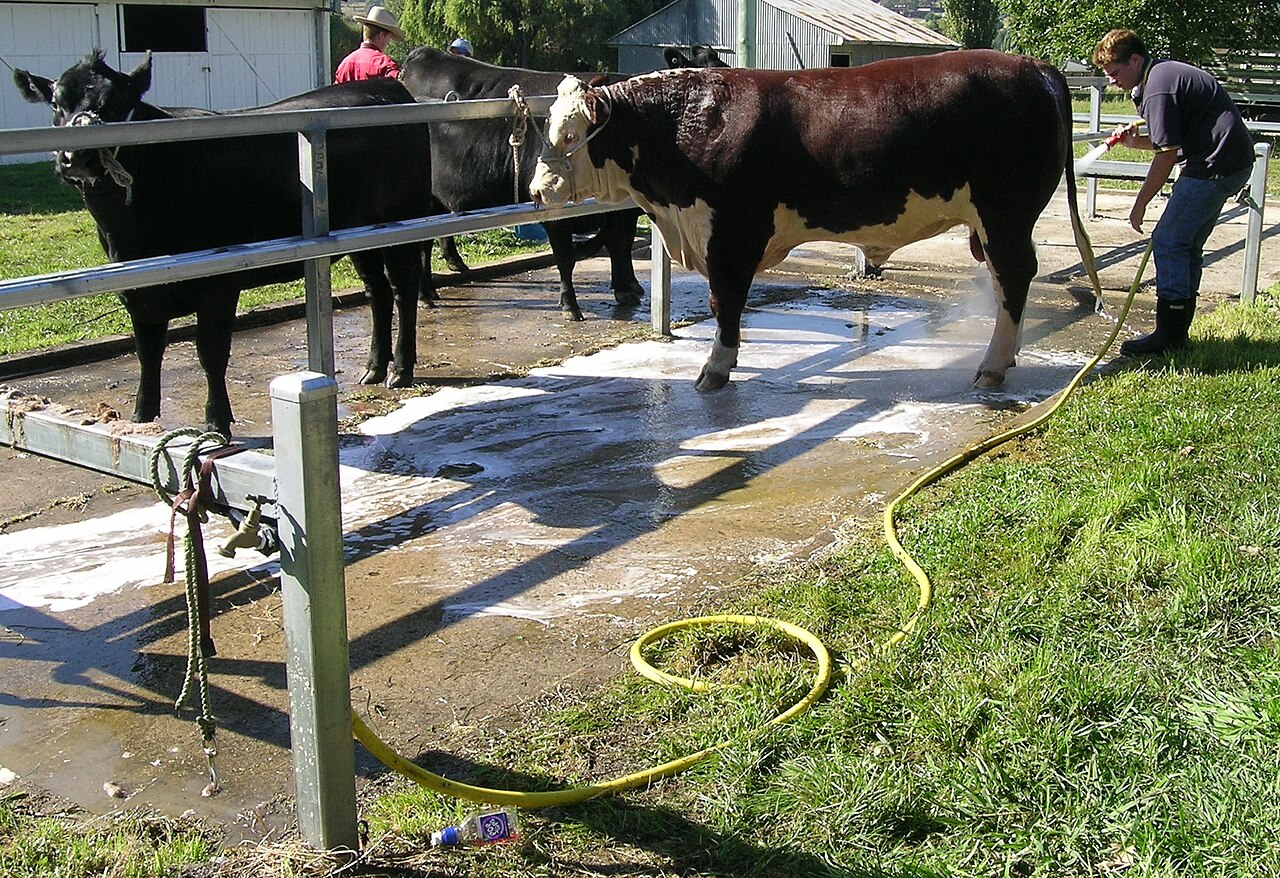
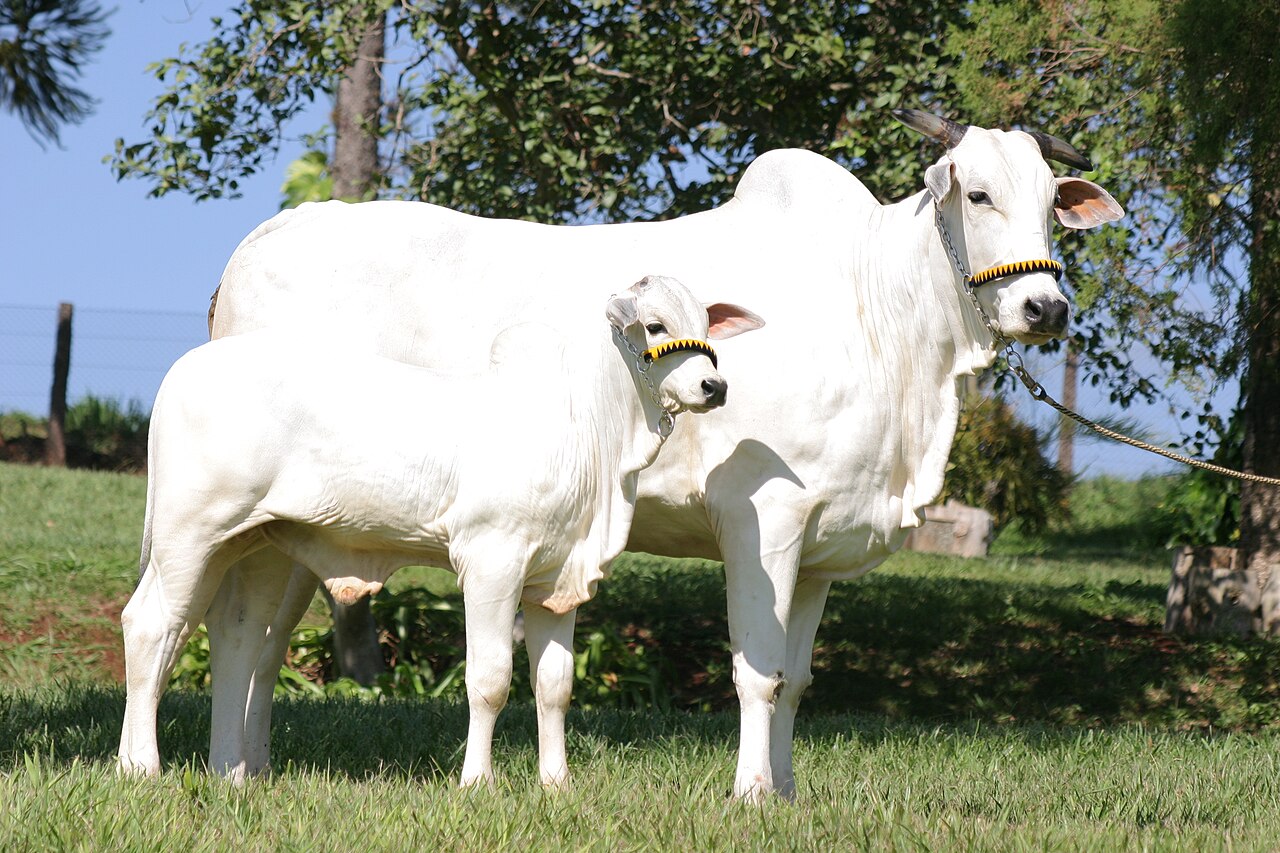
Photo: Cgoodwin / Wikimedia Commons (CC BY-SA 3.0)
Source: Beef Central
Comments
(0)