
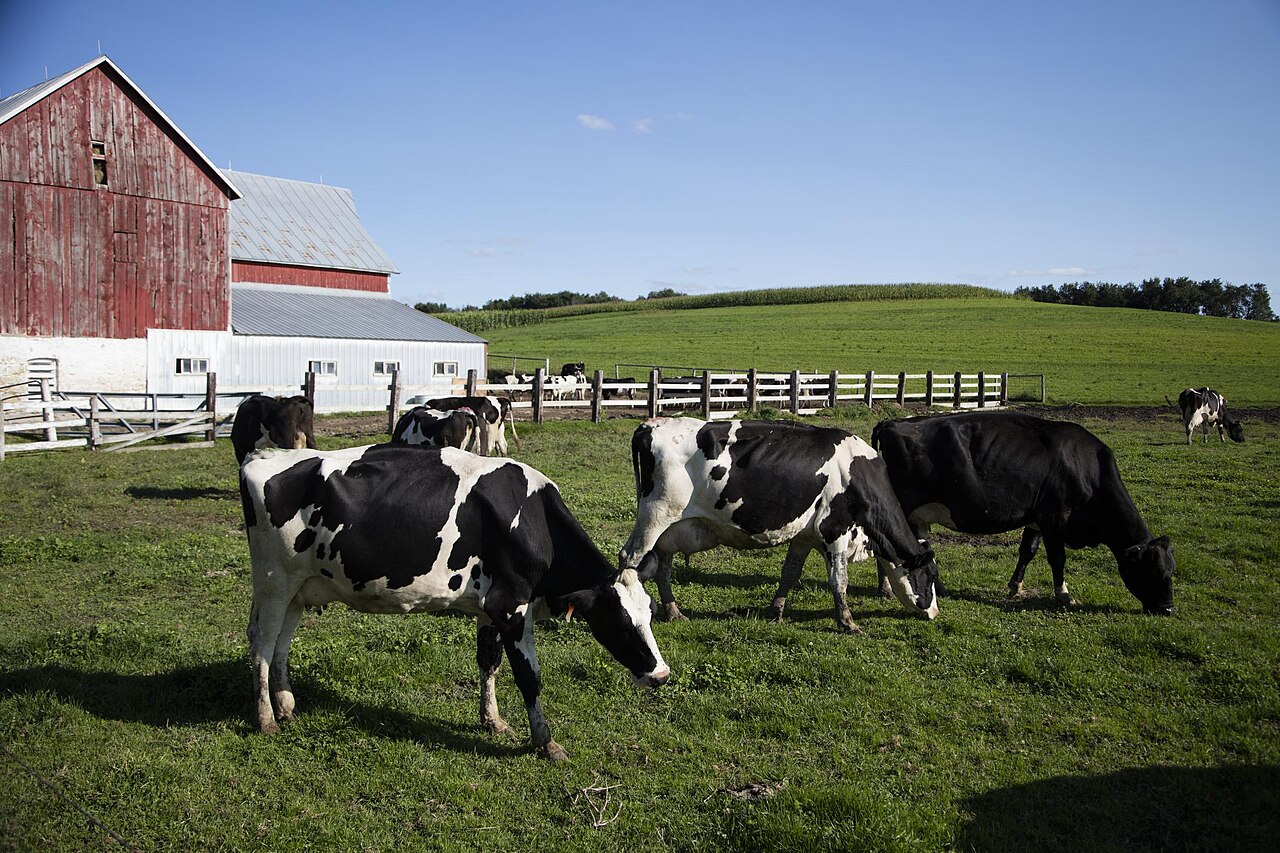
Milk production on Michigan farms rose from 6.8 billion pounds in 2005 to 12.5 billion pounds in 2025, according to USDA National Agricultural Statistics Service data cited by Michigan State University (MSU) Extension, and processors are now investing heavily to use the extra milk.
Expansions are under way at Fairlife's plant in Coopersville, Chobani's La Colombe plant in Norton Shores, Foremost Farms in Greenville, Hudsonville Ice Cream in Holland and Michigan Milk Producers' supply plants in Ovid, Remus and Constantine. Their combined value is easily over a billion dollars, much of it for ultrafiltered milk capacity serving high-protein drinks, protein shakes, canned dairy beverages, ice cream and cottage cheese. Earlier came the $58 million Foremost Greenville plant in 2018 and the $470 million MWC plant in 2020.
Michigan ranks sixth among US states for total milk output, about 20 billion pounds behind neighbouring Wisconsin in 2025, but first for milk produced per cow. Its share of the producer milk pooled in Federal Order 33, the Mideast Marketing Area, rose from about 31% in 2005 to 51% in 2025.
The growth came with consolidation. The number of Michigan dairies fell nearly 70%, from 2,254 to 706, and the average farm now produces about 1.2 million pounds of milk a month, against about 400,000 pounds for an average Ohio or Wisconsin dairy. Butterfat rose from 3.84% to 4.50% of milk and protein from 3.14% to 3.47%, which MSU Extension partly credits to genetics, nutrition and cow comfort.
Smaller producers have found it harder to compete. Surplus Michigan milk has long travelled south to deficit regions such as Ohio, and hauling costs weigh most on small farms, while large dairies can push up the price of feed, land, labour, hauling and veterinary services. The new processing capacity could still help smaller dairies by giving them outlets that did not exist before: Class II beverages was not a reported category in 2005, and in 2026, after the Fairlife plant opened, it is the largest single Class II category at over 80 million pounds of producer milk a month.
Demand is shifting too. From 2010 to 2025 packaged fat-free milk in the order fell by 560 million pounds while whole milk rose by 890 million pounds, and the Whole Milk for Healthy Kids Act now lets schools in the National School Lunch Program offer whole milk. Dry whey at around $0.65 a pound in 2026 adds about $1 per hundredweight to a producer's milk cheque. MSU Extension said it is too soon to judge the long-term effect on the remaining dairies. The report was written by Melanie Epp.
Photo: Carol M. Highsmith / Wikimedia Commons (public domain)
Source: The Cattle Site

Comments
(0)