
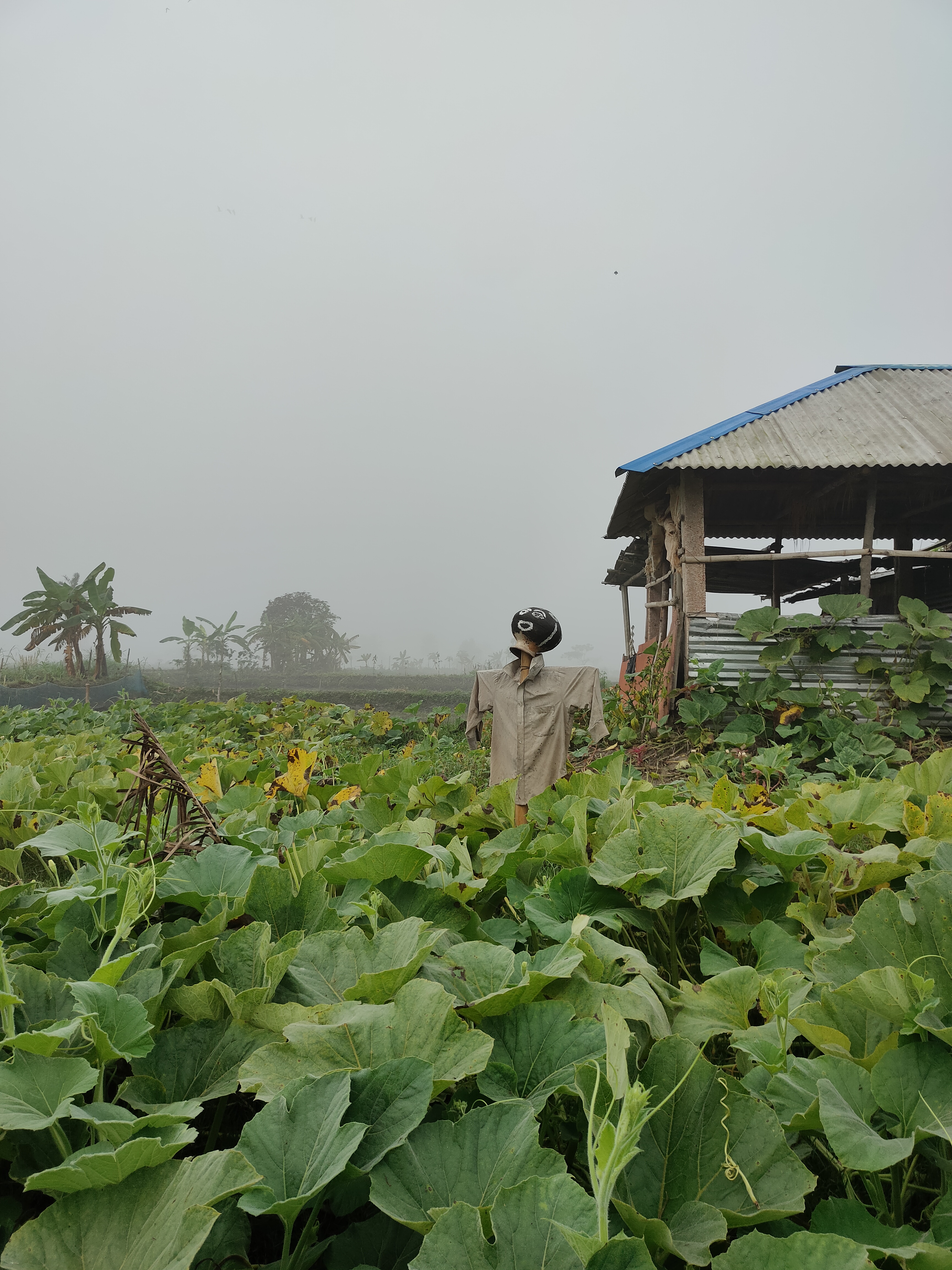
In late April 2026, sweet pumpkin growers in Manikganj district, west of Dhaka, said a sharp fall in yield had left them facing losses even though the crop was fetching relatively good prices in the market. Farmers in Ghior upazila told Jagonews24, in a report published on 29 April 2026, that the higher prices could not make up for the pumpkins they had not been able to harvest. The district office of the Department of Agricultural Extension (DAE) took a different view: it said that, taking the district as a whole, good yields and good prices meant sweet pumpkin growers were making a profit that season.
The report set two accounts side by side. The DAE's figures showed that Manikganj had grown more sweet pumpkin than planned in the 2025-26 fiscal year and had produced more than its target. In the fields of Ghior, farmers described yields that had fallen to about half of the previous year's, fruit rotting before it matured, and costs they feared they would not recover. Several of them said they had already lost money on potatoes earlier in the same winter.
Farmers in Ghior say yields halved
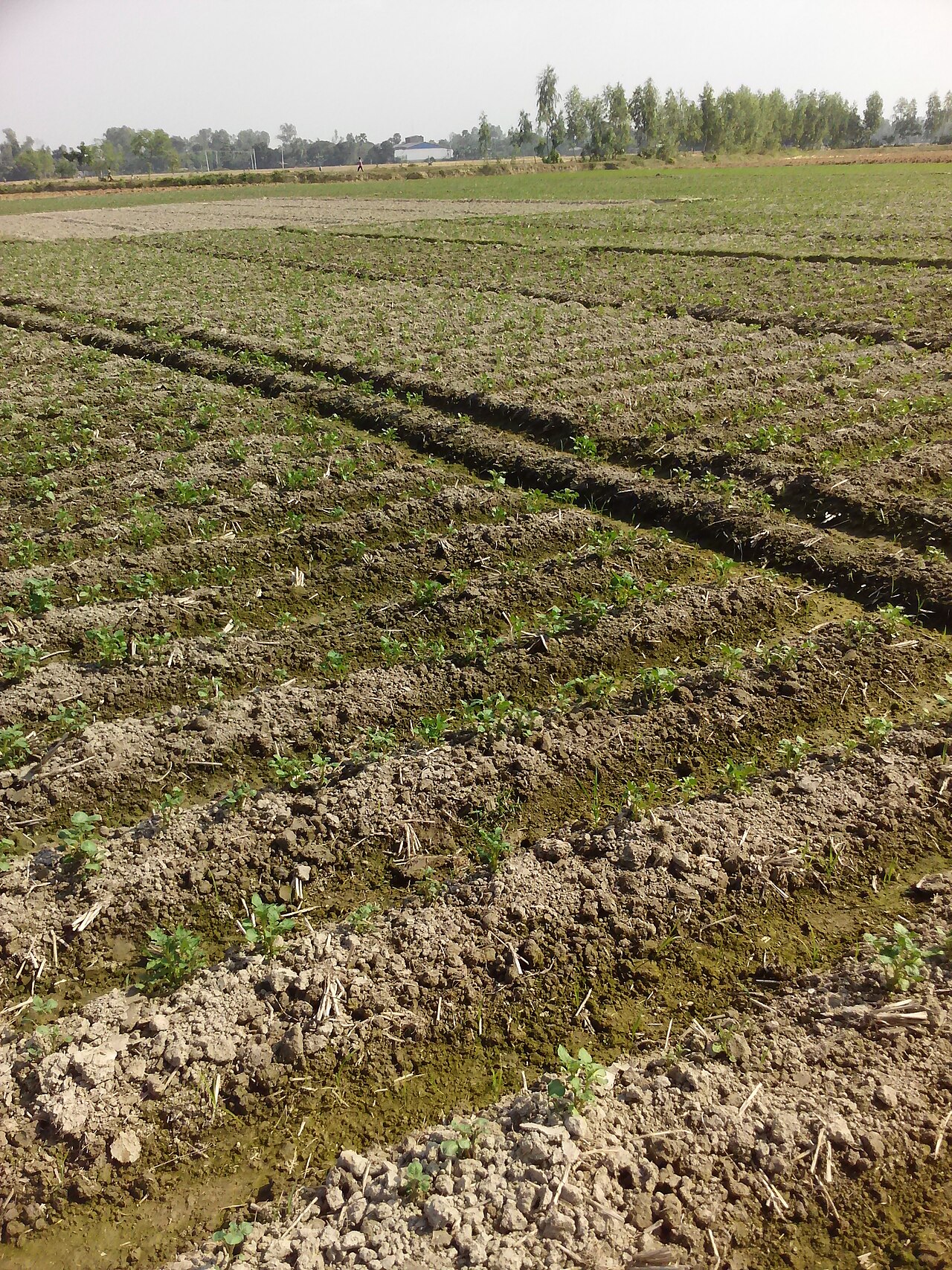
According to the report, the crop did well in Singair upazila, but growers in Ghior were in a bad way. They had planted sweet pumpkin hoping for a profit and were now trying simply to get back what they had spent. Land that had yielded 3 to 4 tonnes a bigha the year before produced 1 to 2 tonnes a bigha this time, half of the earlier output, the farmers said. Diseases and pests had also struck, and pumpkins were rotting in the field before they ripened, which, the farmers said, was adding to their losses.
Md Pappu Mia of Puraton Ghior in Ghior upazila told Jagonews24: "We grow sweet pumpkin on 5 bighas every year. Last year prices were low but the yield was very good, so we made some profit. This year the price of pumpkin is good, but there is hardly any yield. Land that gave 3 to 4 tonnes a bigha last year has given 1 to 2 tonnes a bigha this year."
Saifuddin Mia of the same area said cultivation had cost him Tk 30,000 a bigha that year, with labour wages on top. "With the yield we have got, we are worried whether we will even recover our costs. On top of that, the pumpkins are rotting before they ripen. We will lose a lot of money this year. We also suffered big losses growing potatoes," he told the newspaper.
Ismail Hossain, who said he had grown sweet pumpkin for 14 years, described the season as the first of its kind in his experience: "Farming is our main work. But this year we were caught out growing potatoes, and caught out again growing sweet pumpkin. I have grown sweet pumpkin for 14 years and this has never happened. The plants grew big but the pumpkin yield is low. This is the first time we have seen this."
The farmers did not name a single cause for the poor yield beyond the disease and rotting fruit they described, and the report did not attribute one. Their figures are their own account of their fields; the report gave no measured yield for Ghior as a whole.
What the agriculture office said
According to the DAE in Manikganj, sweet pumpkin is grown to some extent in all seven upazilas of the district, and most of all by farmers in Singair, Manikganj Sadar and Ghior. The office's figures, as the report gave them, were as follows. In the 2024-25 fiscal year the crop was grown on 737 hectares in the district, producing 21,286 tonnes. For 2025-26 the cultivation target was again set at 737 hectares; the area actually planted exceeded it, at 809 hectares. The production target was 21,285 tonnes, and the office put production that season at 23,684 tonnes, above the target.
Shahjahan Siraj, deputy director of the DAE in Manikganj, played down the farmers' complaints. "Perhaps one or two farmers may have a lower crop," he told Jagonews24. "But taking the overall picture, farmers are profiting this year thanks to good yields and good prices."
The DAE's figures are totals for the whole district across its seven upazilas. The farmers who described losses in the report were all from Ghior, and the same report noted that yields in Singair, the district's other main pumpkin area, were good.
The varieties in Manikganj's fields
The DAE listed thirteen varieties of sweet pumpkin grown by Manikganj farmers. Most carry trade names under which seed is sold; one, Baromashi, is also named by Banglapedia, the national encyclopedia of Bangladesh, as a local variety, alongside Bikrampuri. The varieties named by the district office were:
- Bengal 1 and Bengal 2
- Black Stone
- Sweety
- Kalyani
- Rangila
- Thailand 1 and Thailand 2
- Sweet Lady
- Sweet Spot
- Hajari
- Supriya
- Baromashi
For a sense of what a good crop looks like, Banglapedia gives an average sweet pumpkin yield of 20 to 25 tonnes per hectare in Bangladesh. An on-farm trial by the On-Farm Research Division of the Bangladesh Agricultural Research Institute (BARI) at Salaipur in Mithapukur, Rangpur, in 2015-2016, published in the journal Progressive Agriculture in 2019, recorded 21.43 tonnes per hectare under farmers' usual practice and 25.86 tonnes per hectare where fruit fly was controlled with pheromone traps, poison bait and field sanitation. In local units, farmers in the Rangpur region told The Daily Star in March 2026 that a good crop there gave 60 to 80 maunds a bigha.
Manikganj, Ghior and Singair
Manikganj is a district of Dhaka Division covering 1,383.66 square kilometres, according to Banglapedia. It is bounded by Tangail to the north, Faridpur and Dhaka to the south, Dhaka to the east, and Pabna, Rajbari and Sirajganj to the west. The Padma, Jamuna, Dhaleshwari, Ichamati, Kaliganga and Gazikhali rivers flow through or along it. Manikganj became a sub-division in 1845 and a district in 1984. At the 2011 census it had 1,392,867 people, and Banglapedia's census-based figures show agriculture as the main source of income for 56.15 per cent of households, far ahead of commerce at 14.03 per cent.
Ghior, where the farmers in the report live, is one of the smaller upazilas: 148.92 square kilometres with seven unions and 146,292 people in 2011. The Dhaleshwari, Kaliganga, Ichamati and Gangdubi rivers run through it, and Bairagir Beel is its best-known wetland. Banglapedia lists its main crops as paddy, wheat, mustard, potato, onion, garlic, chilli and vegetables, and its main exports to other areas as onion, garlic, chilli and vegetables. The upazila has 24 hats and bazars, of which Ghior Hat is the best known.
Singair, where the report said the crop was good, lies on the eastern side of the district, bordering Savar and Keraniganj upazilas of Dhaka district. It covers 217.55 square kilometres, has eleven unions and had 287,451 people in 2011. Its rivers are the Dhaleshwari, Ghazikhali and Kaliganga. Banglapedia lists paddy, wheat, jute, sugarcane, potato, pulses, oilseeds and vegetables among its main crops, and vegetables, potato, papaya and guava among the goods it sends to other areas. Singair has 31 hats and bazars.
A second blow after the potato season
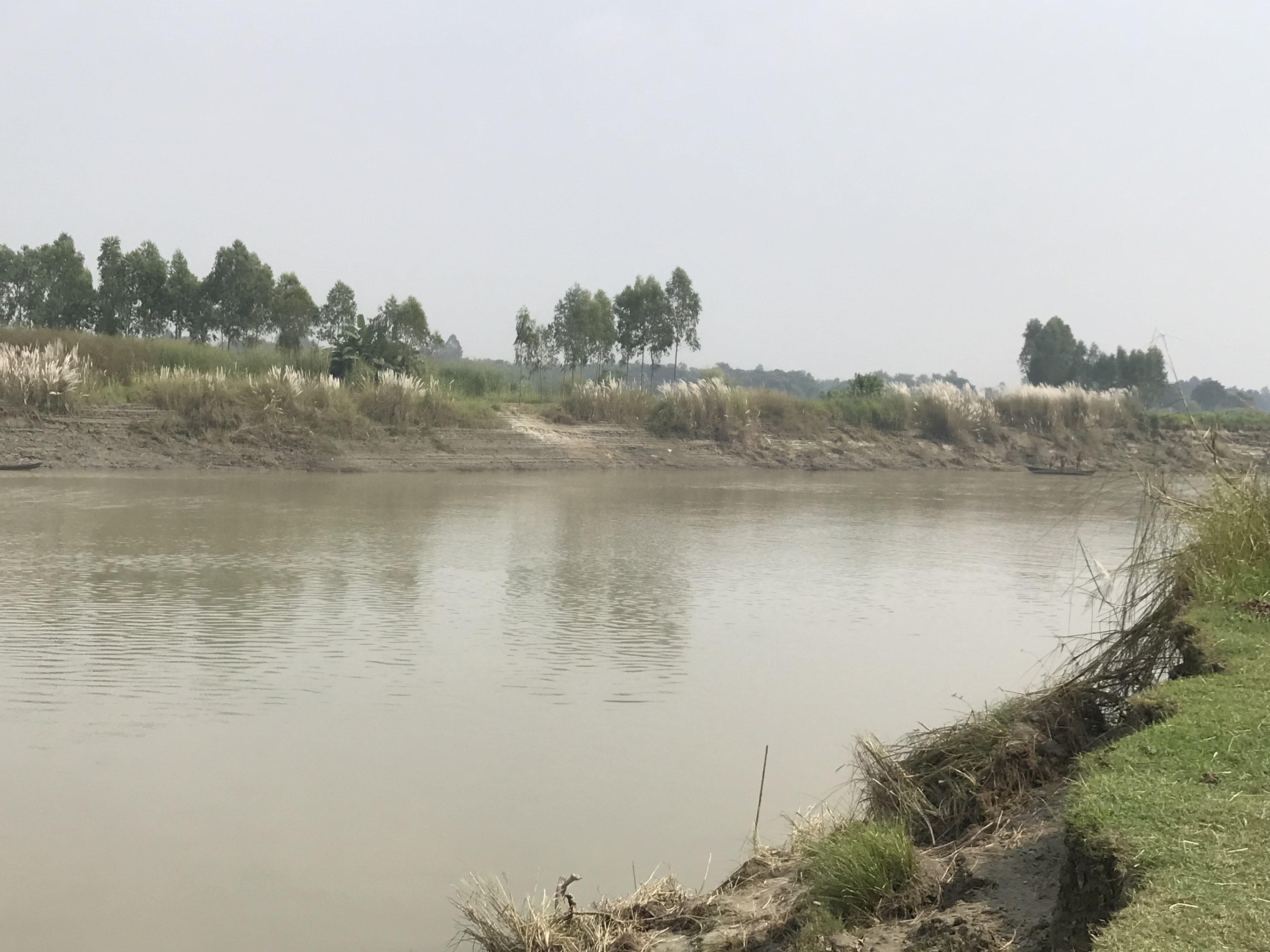
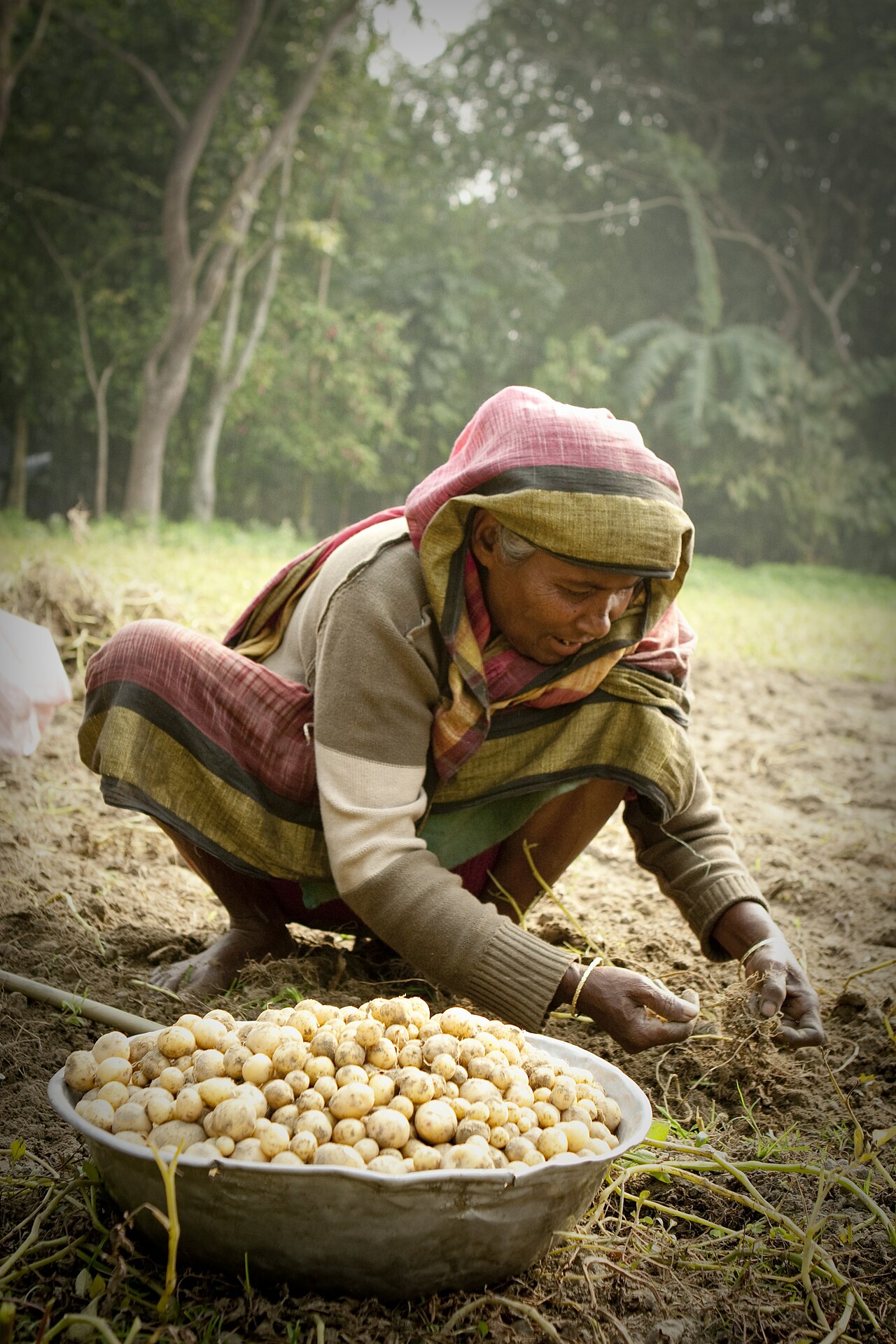
Two of the farmers quoted in the report said their pumpkin troubles came on top of losses on potatoes. That matches what had been reported from the same upazila earlier in the season. On 12 March 2026 the Daily Inqilab's Ghior correspondent reported that after a good potato harvest, prices in local hats and bazars had fallen to Tk 9 to 10 a kilogram, while farmers put their production costs at an average of Tk 15 to 20 a kilogram. One farmer told the paper he had spent Tk 48,000 on 4 bighas of potatoes and had so far sold Tk 18,000 worth. According to the upazila agriculture office, potatoes had been planted on 506 hectares across Ghior's seven unions.
Tahmina Khatun, Ghior's upazila agriculture officer, told the Inqilab that Ghior's potatoes usually went to other districts, but low prices that season had caused significant losses. She said the office was advising farmers to grow alternative crops to reduce the risk in future.
The fall in potato prices was national, not local. In October 2025, The Business Standard reported, citing the DAE, that about 13 million tonnes of potatoes had been grown in the 2024-25 season on 5.24 lakh hectares, against a target of 4.67 lakh hectares. The Ministry of Agriculture had set a minimum price of Tk 22 a kilogram at the cold-storage gate on 27 August 2025, but farmers said potatoes were selling there for Tk 9 to 10. The Department of Agricultural Marketing put the cost of producing a kilogram at Tk 14 to 17. The Bangladesh Cold Storage Association put annual national demand at 90 lakh tonnes and storage capacity at 45 lakh tonnes.
Pumpkin prices elsewhere in the country
Sweet pumpkin prices swing sharply from one season and one district to the next, as reports published before the Manikganj story show. In January 2025, a season in which Pappu Mia said Manikganj prices had been low, The Daily Star reported from Chandpur that farmers in Haziganj and other upazilas had planted about twice as much pumpkin land as the year before. With few traders arriving from other regions, some farmers were selling pumpkins at Tk 8 a kilogram as cattle feed. The district agriculture extension office put Chandpur's pumpkin area at 1,135 hectares and output at 24,971 tonnes.
A year later, the picture was mixed. On 25 February 2026 the state news agency BSS reported from the haor upazilas of Netrokona that traders from Rangpur and Kishoreganj were buying pumpkins in the field for Tk 22 to 25 a kilogram, and a farmer in Khaliajuri said prices were higher than the year before. The district DAE put Netrokona's pumpkin area at 736 hectares in 2025-26, 370 of them in haor areas, up from 729 hectares in 2024-25, and said it had given farmers seed, demonstrations of pheromone and yellow traps, and technical advice.
In the char lands of the Rangpur region, by contrast, The Daily Star reported on 7 March 2026 that prices had fallen. About 11,000 hectares were under sweet pumpkin in Lalmonirhat, Kurigram, Nilphamari, Rangpur and Gaibandha, 92 per cent of it on chars, against a production target of 2.4 lakh tonnes. Farmers said a maund that sold for Tk 500 to 700 the year before was fetching Tk 350 to 400, with cultivation costing Tk 16,000 to 20,000 a bigha. Sirajul Islam, additional director of the DAE's regional office in Rangpur, said higher output had increased supply and that cheap potatoes had also pulled pumpkin prices down.
In better years the crop pays well. In March 2024, bdnews24.com reported from the Padma chars of Faridpur Sadar that pumpkin was grown on about 850 hectares of char land and sold from the field for Tk 15 to 20 a kilogram. A farmer there put his cost at Tk 12,000 to 15,000 a bigha, which the report defined as 33 decimals, and his sales at Tk 50,000 to 60,000 a bigha. Traders from across the country, he said, bought directly in the fields.
What sweet pumpkin is and how it grows
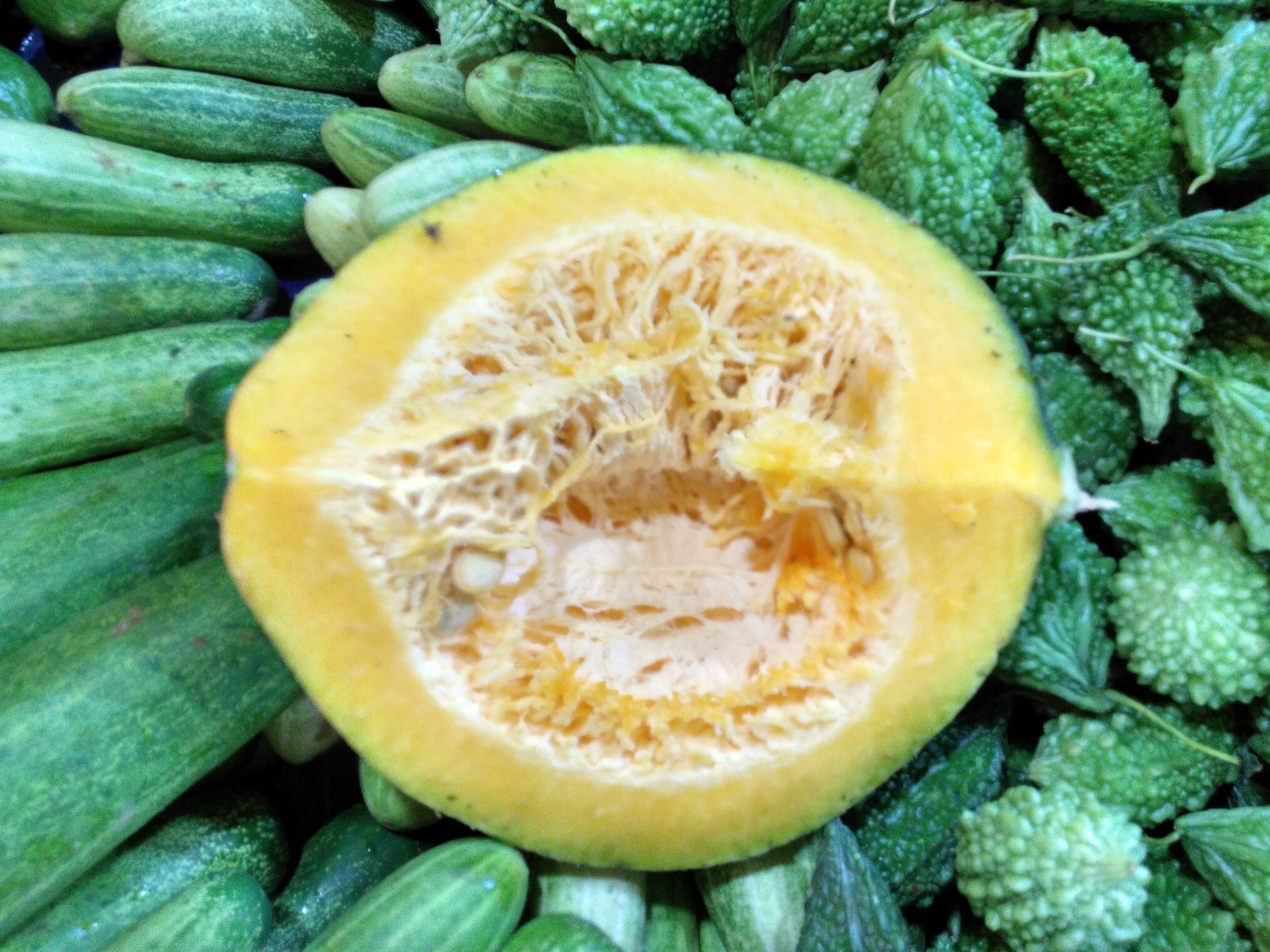
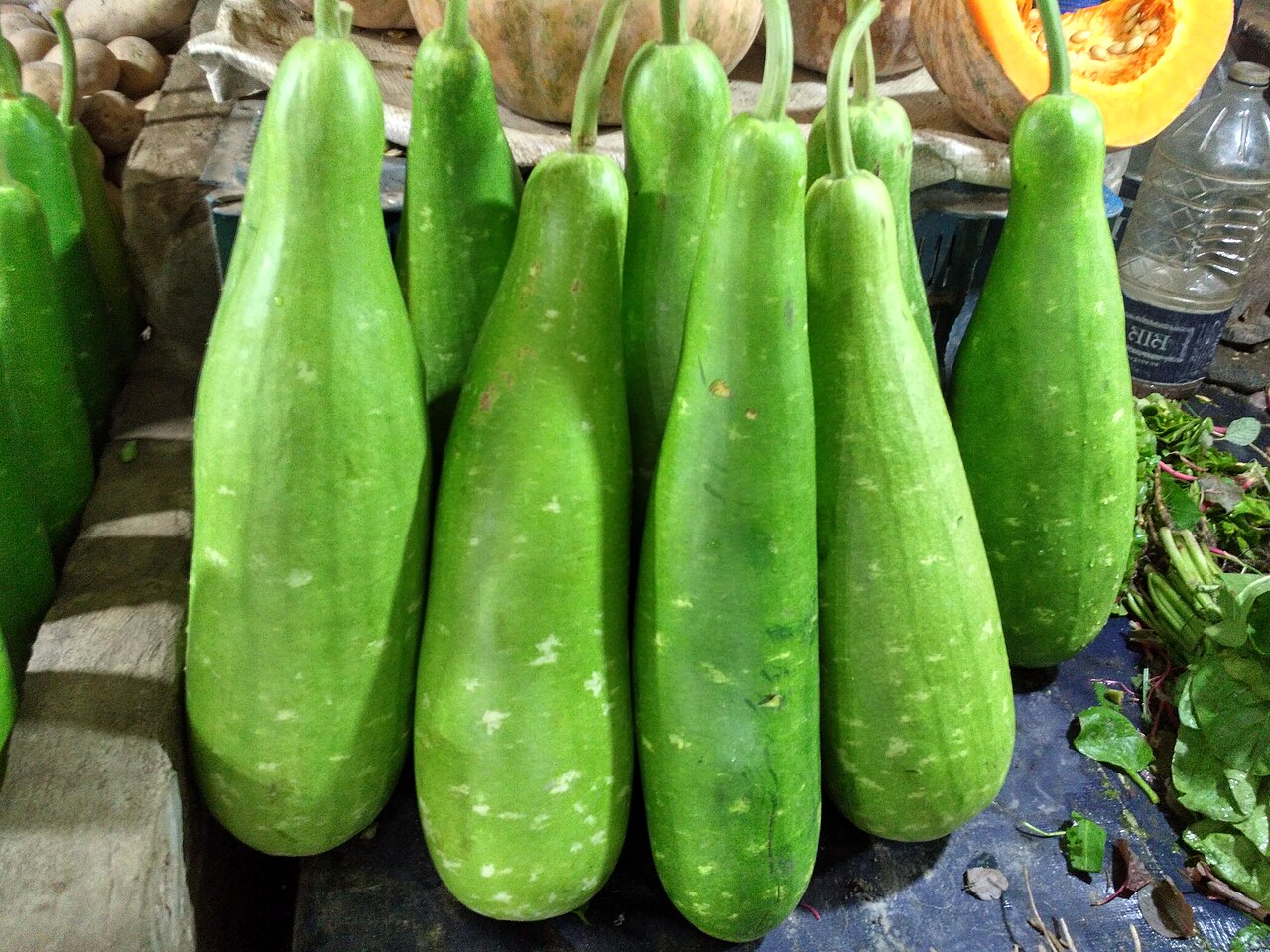
Sweet pumpkin, mishti kumra in Bengali, belongs to the gourd family Cucurbitaceae, which also includes bottle gourd, ash gourd, bitter gourd, snake gourd and sponge gourd. Banglapedia describes it as native to the Americas and a popular summer and rainy-season vegetable in Bangladesh. Seeds can be sown directly or two-week-old seedlings transplanted, and fully ripe fruit is harvested about 90 days after sowing; a Faridpur farmer told bdnews24.com in 2024 that the crop was ready for sale in three to three and a half months. Banglapedia puts the area grown in Bangladesh at about 14,000 hectares. Leaves, vines, flowers and fruit are all eaten, the fruit going into curries and sweets, and whole ripe fruit can be stored dry for several months. The encyclopedia describes it as a good source of carbohydrate, vitamins A and C, and minerals.
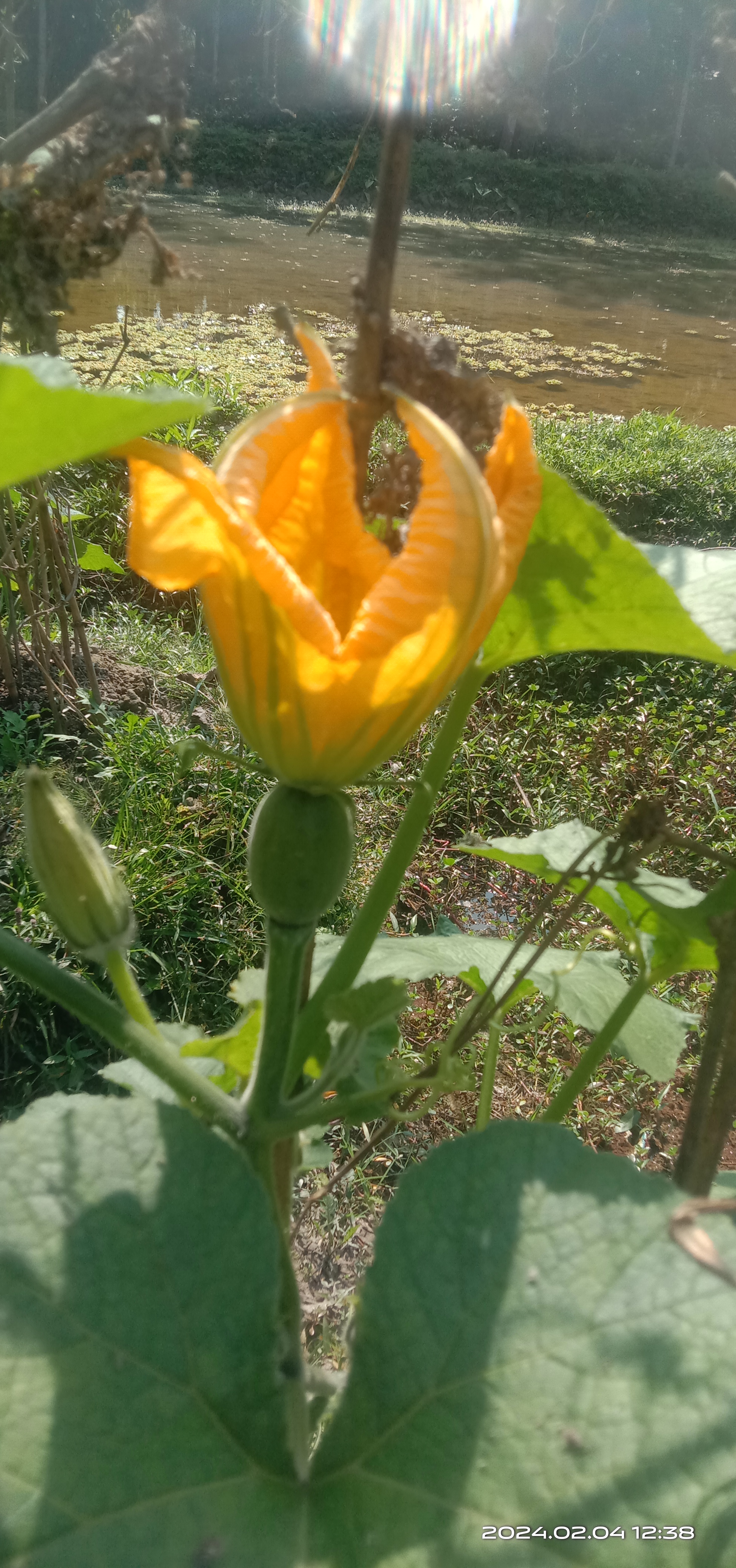
Pumpkin plants carry separate male and female flowers on the same plant, so fruit sets only when insects carry pollen from one to the other. Botanical references note that the more pollen reaches the female flower's stigma, the more seeds form, the larger the fruit and the greater the chance that it matures. The species Cucurbita moschata, which includes many tropical pumpkins, is generally more tolerant of hot, humid weather than other cultivated squashes.
The crop has many enemies. Pumpkins and other cucurbits are susceptible to bacterial wilt, anthracnose, fusarium wilt, phytophthora blight and powdery mildew, and to mosaic viruses such as cucumber mosaic virus and squash mosaic virus. Their insect pests include aphids, mites, whitefly and the red pumpkin beetle.
Fruit fly and fruit that rots before it ripens
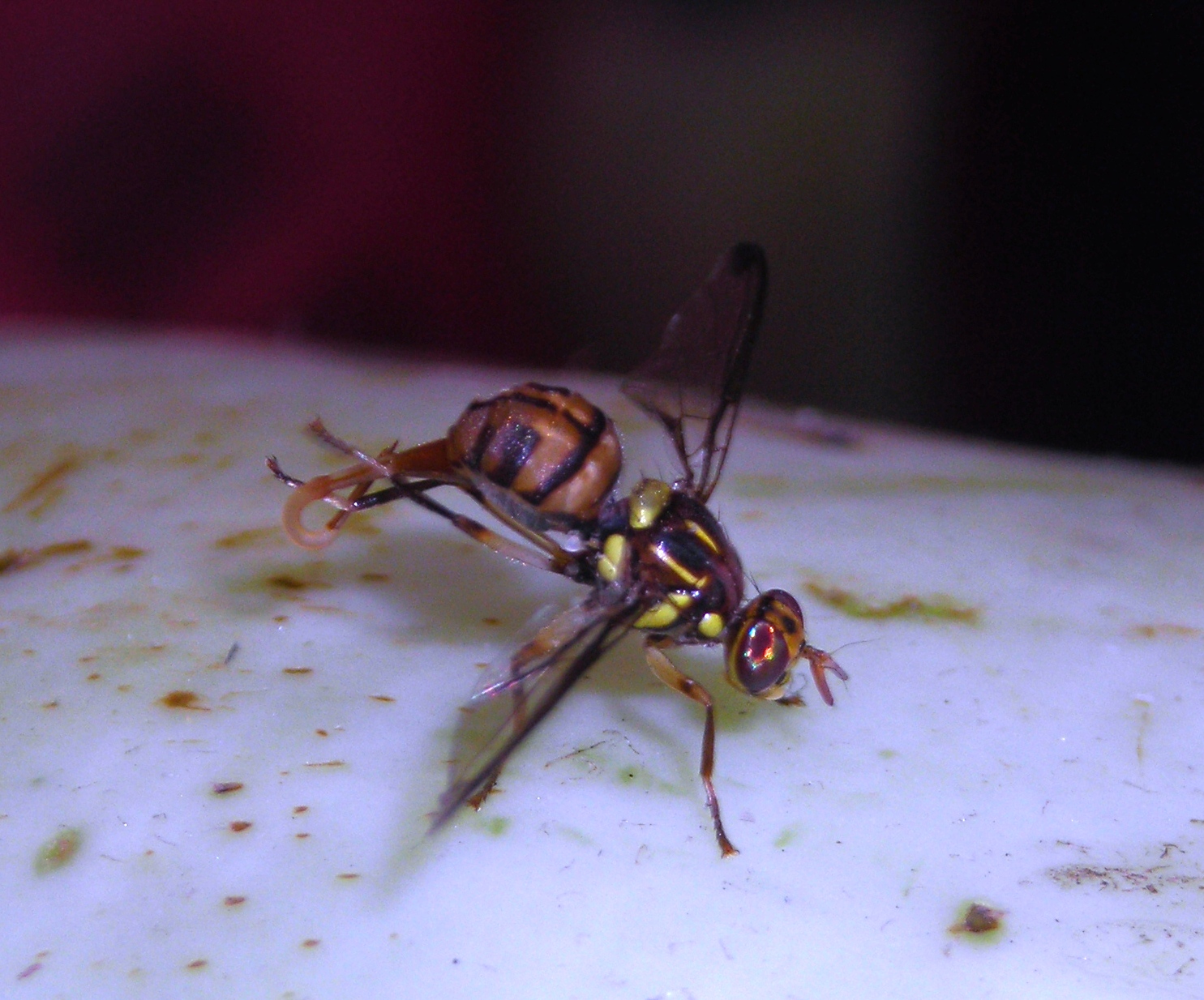
One well-documented cause of damage inside young pumpkins and other cucurbits is the melon fly, Bactrocera (also called Zeugodacus) cucurbitae, a fruit fly native to the Indian subcontinent that attacks at least 125 host plants, pumpkins and squashes among them. The female pierces young fruit with a sharp ovipositor and lays eggs 2 to 4 millimetres deep, and the larvae feed inside the fruit. Egg to adult takes 12 to 28 days, so there can be 8 to 10 generations a year, and the insects pupate in the soil. The report did not say which disease or pest was behind the rot in Ghior.
Researchers in Bangladesh have tested ways to control the fly without heavy spraying. In the BARI trial at Mithapukur in Rangpur, run among six farmers on 7,200 square metres in 2015-2016, sex pheromone traps combined with poison bait and field sanitation gave the highest yield, 25.86 tonnes per hectare, against 21.43 tonnes under farmers' usual practice, with a gross margin of Tk 96,375 per hectare and a benefit-cost ratio of 3.92. The authors concluded that the method could help farmers manage the pest safely and profitably. Standard controls listed for the melon fly also include covering developing fruit, destroying infested fruit and clearing crop residues after harvest.
Pheromone and yellow traps were among the support the DAE said it had given pumpkin growers in Netrokona in 2026. Farmers who see fruit rotting or other disease in their fields are best advised by the sub-assistant agriculture officer or the upazila agriculture office, which can identify the cause and recommend a treatment.
The Department of Agricultural Extension
The Department of Agricultural Extension, whose Manikganj office supplied the district figures in the report, is the government agency responsible for agricultural extension in Bangladesh and works under the Ministry of Agriculture. It was formed in 1982 by merging the Agriculture Directorate (Extension and Management), the Jute Directorate, the Plant Protection Directorate, the Horticulture Board, the Tobacco Development Board and the Central Extension Resource and Development Institute. Until 1990 it trained farmers through the Training and Visit system before moving to group training, and since 1996 its work has been guided by the New Agricultural Extension Policy. Its Manikganj office was headed at the time of the report by a deputy director, Shahjahan Siraj, and it was that office's figures for targets, planted area and production that underpinned its view of the 2025-26 pumpkin season.
Photo: Hamimnrafi / Wikimedia Commons (CC BY-SA 4.0)
Sources: Jagonews24, Daily Inqilab, The Business Standard, The Daily Star, Bangladesh Sangbad Sangstha (BSS), bdnews24.com, Banglapedia, Progressive Agriculture (Bangladesh Agricultural Research Institute study), Wikipedia
Comments
(0)