
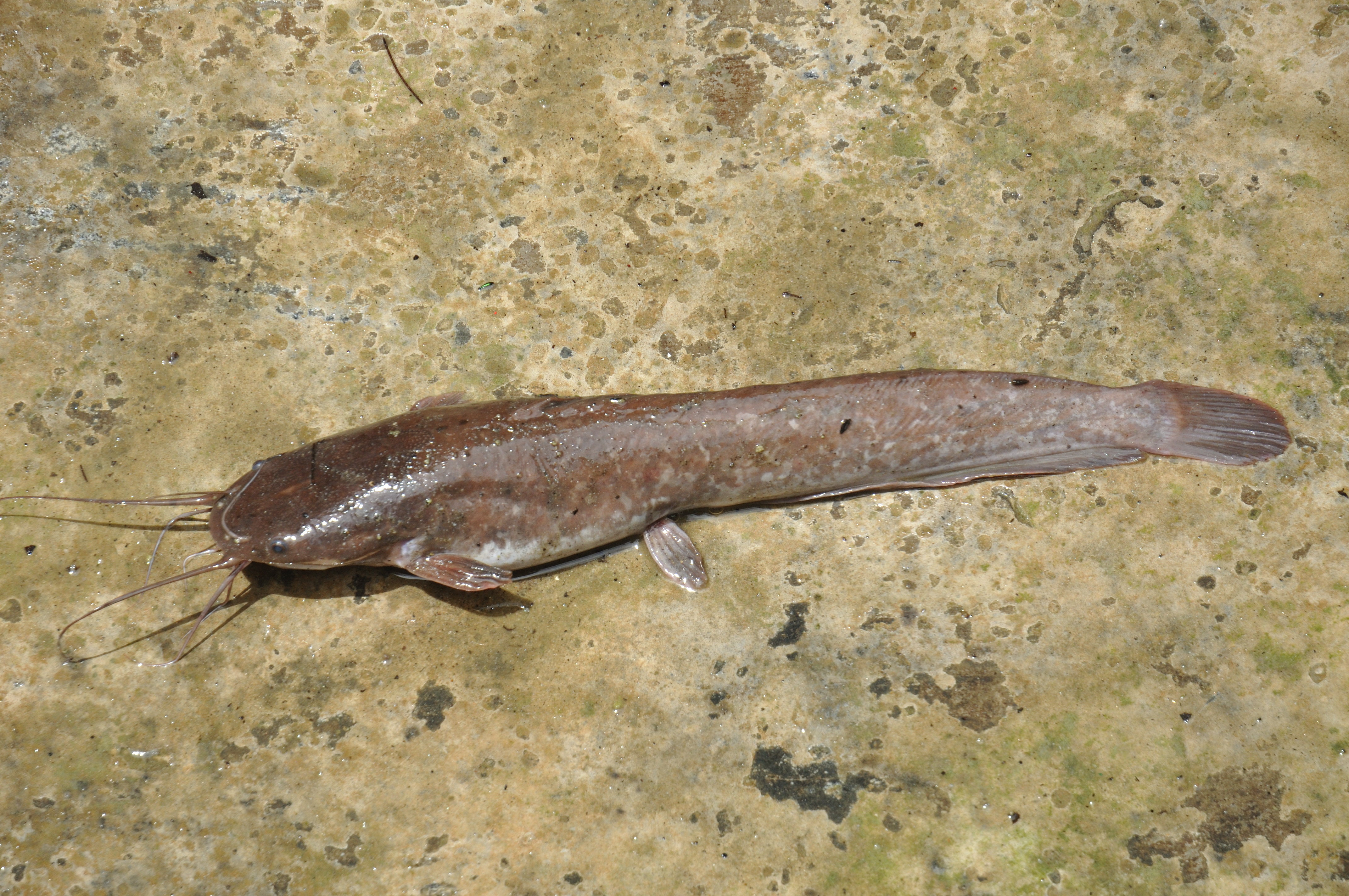
Magur is one of the few fish a Bangladeshi shopper can carry home still alive. The whiskered native catfish has an extra breathing organ that lets it live for a long time out of water, and the Bangladesh Fisheries Research Institute (BFRI) says that is exactly why it sells at a higher price than most other fish.
In April 2025 The Agro News published a guide for farmers who wanted to earn money by raising native magur (Clarias batrachus) in ponds. It covered choosing the pond, preparing it, stocking fry and feeding them. This updated version keeps that guide and checks each step against BFRI's technical leaflet on magur fry production and culture, posted in January 2015, and against peer-reviewed pond trials published before April 2025. Where the original's figures differed from BFRI's, BFRI's figures are used.
Below: why magur pays, how its fry returned, why only native magur may be farmed, and BFRI's steps for the pond, fry, feed, health, harvest and returns.
Why magur fetches a premium
The original report described native magur as tasty, liked by almost every class of people in the country and in demand everywhere as nutritious food. BFRI's leaflet says the same in its own words: magur is one of Bangladesh's jiol fish, tasty, nutritious and low in fat, and because it has few bones it is especially suitable for children.
A jiol fish is one that stays alive out of water for a long time. Like shing, magur has an accessory breathing organ, so it can survive outside the water and take oxygen from the air. BFRI lists three features that make it a farming fish: it can be raised at high density, it can be marketed alive, and its market price is higher than that of other jiol fish.
BFRI scientists at the institute's Freshwater Sub-Station in Saidpur, Nilphamari, wrote in a 2023 paper in the Asian Journal of Biological Sciences that magur is in demand among all sections of society, particularly children and patients. Citing earlier studies, they gave its protein content as 15.0 per cent and its fat as 1.0 per cent. They added that its market value is higher because it can be sold alive, and that in its natural habitat it spawns once a year.
IUCN Bangladesh's 2015 Red List volume on freshwater fishes records the Bengali names Magur, Mosqur, Mojgor and Jiol for the species. It describes magur as an omnivore and scavenger that eats the eggs and larvae of other fish, small fish, worms, crustaceans and insects, that is active at night, and that can survive in warm, stagnant water low in oxygen.
Magur is part of a large fisheries sector. In an October 2024 presentation, the Ministry of Fisheries and Livestock put Bangladesh's total fish production for 2022-23 at 4.91 million tonnes, said fish supplied 60 per cent of the animal protein people eat and gave per capita fish consumption as 67.80 grams a day. Citing FAO statistics for 2024, it ranked the country second in the world in inland fish production.
A native fish that grew scarce
BFRI's leaflet recalls that magur was once caught in large numbers from natural waters. Pollution and other causes destroyed its breeding and feeding grounds, and the fish became hard to find in the wild.
The Saidpur scientists listed the causes in more detail in 2023. Fish were caught in rivers with current nets, reservoirs and rivers were fished out in the dry season, siltation interfered with breeding, and fishing with poison in farmland and water bodies was making the native catfish disappear. They named the lack of good-quality fry as the main barrier to more magur production.
The species is not on the threatened list. IUCN Bangladesh assessed it on 20 March 2015 as Least Concern, as it had been considered Not Threatened in 2000. The assessment found magur in rivers and wetlands all over Bangladesh, in muddy ponds, canals, ditches, swamps and floodplains, and noted that it was cultured in many parts of the country. It also recorded the population trend as declining, on the assessor's personal observation, and said the fish matures at the end of its first year and breeds in shallow water during the monsoon, from May to July.
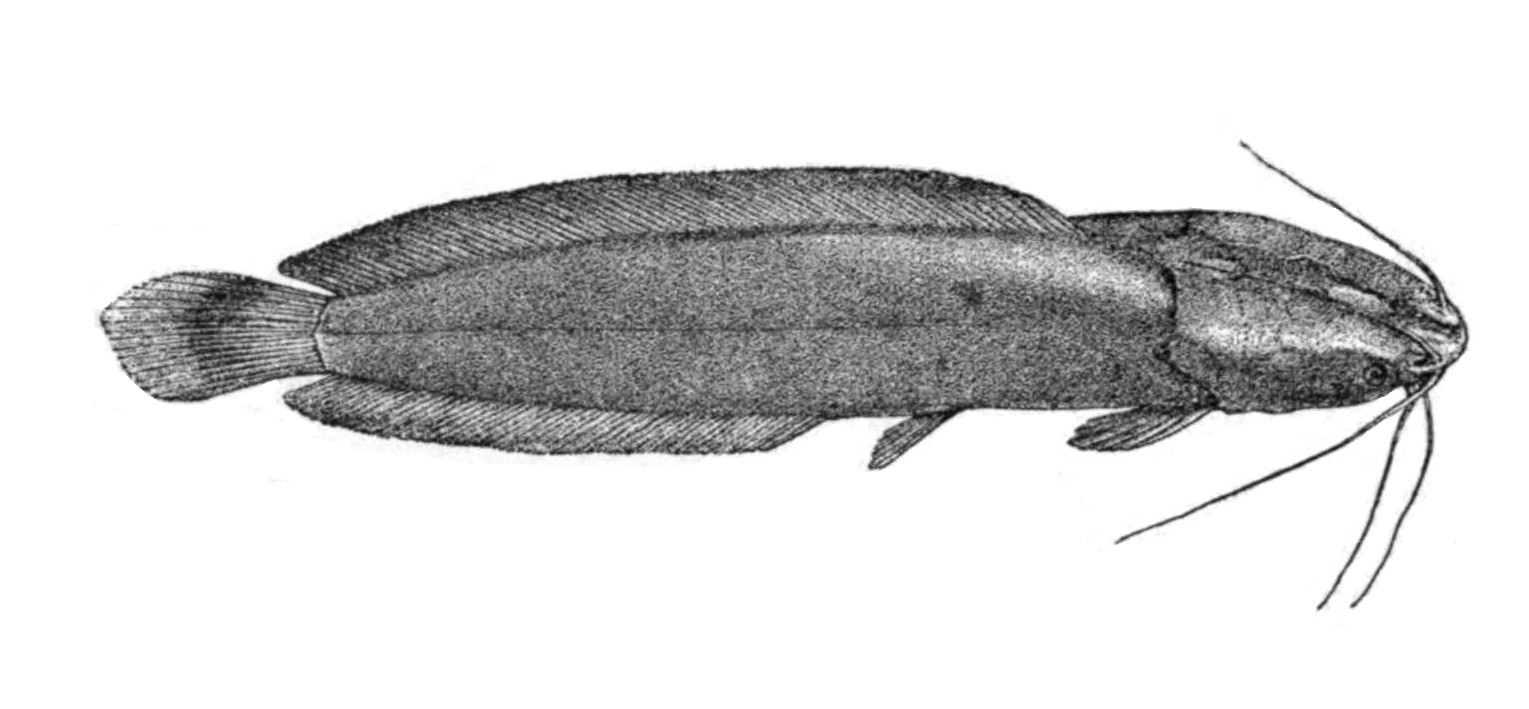
How hatcheries brought magur fry back
BFRI says its artificial breeding and culture technology widened the chance to farm this popular fish commercially. In January 2018 The Daily Star listed magur among 16 native varieties for which BFRI had developed breeding technologies. In September 2020 The Business Standard reported that BFRI had produced fry of 23 local species, magur among them, and quoted the then fisheries minister: production of local small fish in ponds had risen from 67,340 tonnes in 2009 to 2.41 lakh tonnes in the 2017-18 fiscal year. In July 2023 Mongabay reported that BFRI was working on 39 species through artificial reproduction, that the government had set up a gene bank in 2020, and that BFRI's director general, Yahiya Mahmud, said most of those species were now being farmed at field level.
BFRI's leaflet sets out how a hatchery produces magur fry:
- Healthy male and female brood fish are collected from natural sources in December to February and stocked at 10,000 per hectare.
- The brood fish are fed supplementary feed at 5 to 6 per cent of body weight a day, either a commercial feed or a homemade one with 30 per cent protein.
- Native magur breeds from May to August. Only the female is given a hormone injection, and she lays within 16 to 18 hours.
- Under the method in the leaflet the male was cut open to remove the testes, which were mixed in a 0.9 per cent salt solution; the eggs were pressed out of the female and fertilised with this solution.
- The fertilised eggs are spread at once on trays in 7 to 10 centimetres of water with a steady flow, so they do not clump, and hatch within 24 to 30 hours depending on temperature.
- Four or five days after hatching, the young fry are fed egg yolk, tubifex worms or zooplankton.
Sacrificing males cut their numbers and raised the cost of fry. The Saidpur scientists wrote that in 2021 their station became the first in Bangladesh to produce magur fry without sacrificing the male. In trials from May to July 2021 with brood fish from the Chikli and Atrai rivers, their best hormone treatment gave 100 per cent ovulation, 86 per cent fertilisation, 80 per cent hatching and 74 per cent survival of the larvae after three days.
Native magur only: African magur is banned
This guide is for the native magur. Bangladesh once also farmed the African magur (Clarias gariepinus), a foreign catfish introduced into the country. An FAO manual on its culture in Bangladesh noted that the African fish was easier to breed and its fry easier to rear than the local magur.
As bdnews24.com reported in January 2023, the import, production and marketing of African magur were banned in 2014, after the piranha had been banned in 2008. Farmers should buy only native magur fry.
Choosing and preparing the pond
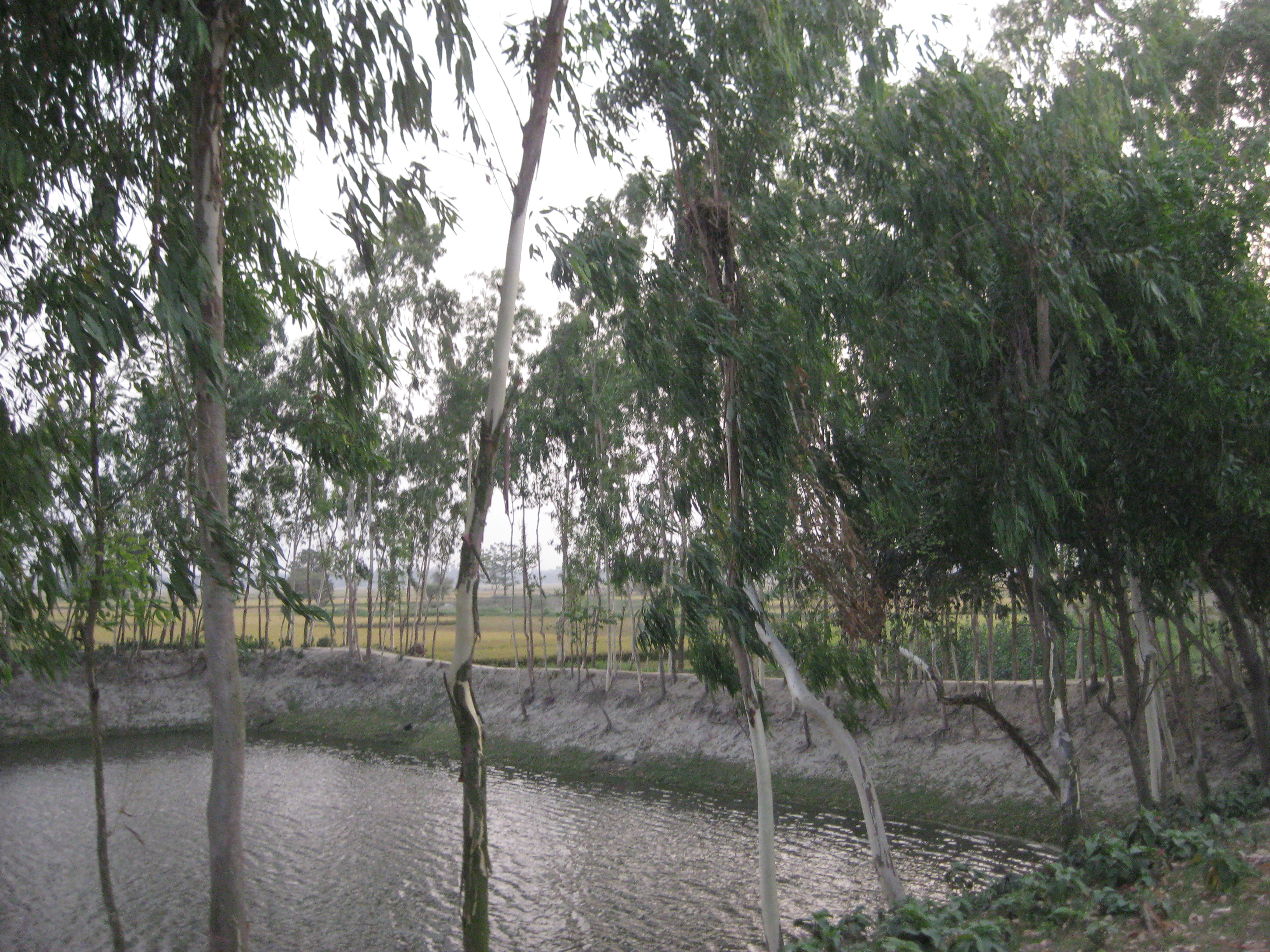
The original report advised a pond of 10 to 33 decimals. On depth it gave 80 to 120 centimetres, but BFRI's leaflet recommends a pond 1 to 1.5 metres deep for magur farming, and that figure is used here. The original also warned that the banks must stand above the highest flood level, so the fish cannot crawl out in heavy rain and snakes and frogs cannot get in; BFRI likewise says the banks must be kept high.
BFRI's steps for getting a magur pond ready are:
- Repair the banks and remove predatory fish from the pond.
- Drying the pond out completely is best.
- Per decimal, apply 1 kilogram of lime, 10 kilograms of cow dung, 100 grams of urea and 100 grams of TSP.
- Four to five days after fertilising, when the water has turned green or light brown, stock the fingerlings.
- Fence the whole pond with a net one metre high.
The original's fertiliser figures differed: it gave 1 to 1.5 kilograms of lime per decimal and 200 grams of urea, 100 grams of TSP and 20 grams of MoP. Its net fence was 30 centimetres high. BFRI's lower fertiliser doses and its one-metre fence are the ones to follow.
A University of Rajshahi pond trial published in the Journal of Fisheries in April 2021 shows the same routine in practice. Its ponds were drained completely and left in the sun for about 15 days, and seven days before stocking they were treated with lime at 1 kilogram per decimal.
Nursing the fry and stocking the pond
BFRI's leaflet also describes nursing. Hatchlings 5 to 10 days old are stocked in a properly prepared nursery pond at up to 8,000 to 10,000 per decimal, and grow into fingerlings in one to one and a half months. Before release, water insects, tadpoles and the like must be removed, and the nursery pond is fenced with a one-metre net so harmful frogs and snakes cannot enter.
In the nursery the fry are first fed two to three times their body weight a day in two meals. Commercial shrimp or pangas nursery feed can be used; for the first two or three days, boiled egg yolk mixed with an equal amount of flour and scattered on the water works well. Within 30 to 45 days of release the fry reach 5 to 7 centimetres on average.
For the grow-out pond, the original report suggested healthy fry 5 to 8 centimetres long at 50 to 80 per square metre, released in May and June. BFRI's leaflet does not give that rate. It advises stocking 300 to 500 fingerlings per decimal once the water has turned green or light brown, and stresses that only healthy, strong fingerlings should be stocked.
In the Rajshahi trial, fingerlings with average lengths of 5.21 to 5.69 centimetres and weights of 4.48 to 4.56 grams, bought from a hatchery in Jamalpur, were stocked at 16,750 per hectare and grown for 180 days.
Feeding magur
The original report noted that magur lives mainly on food at the bottom of the pond: decaying protein-rich matter, zooplankton and small animals such as earthworms. At farm densities that is not enough, and supplementary feed must be given.
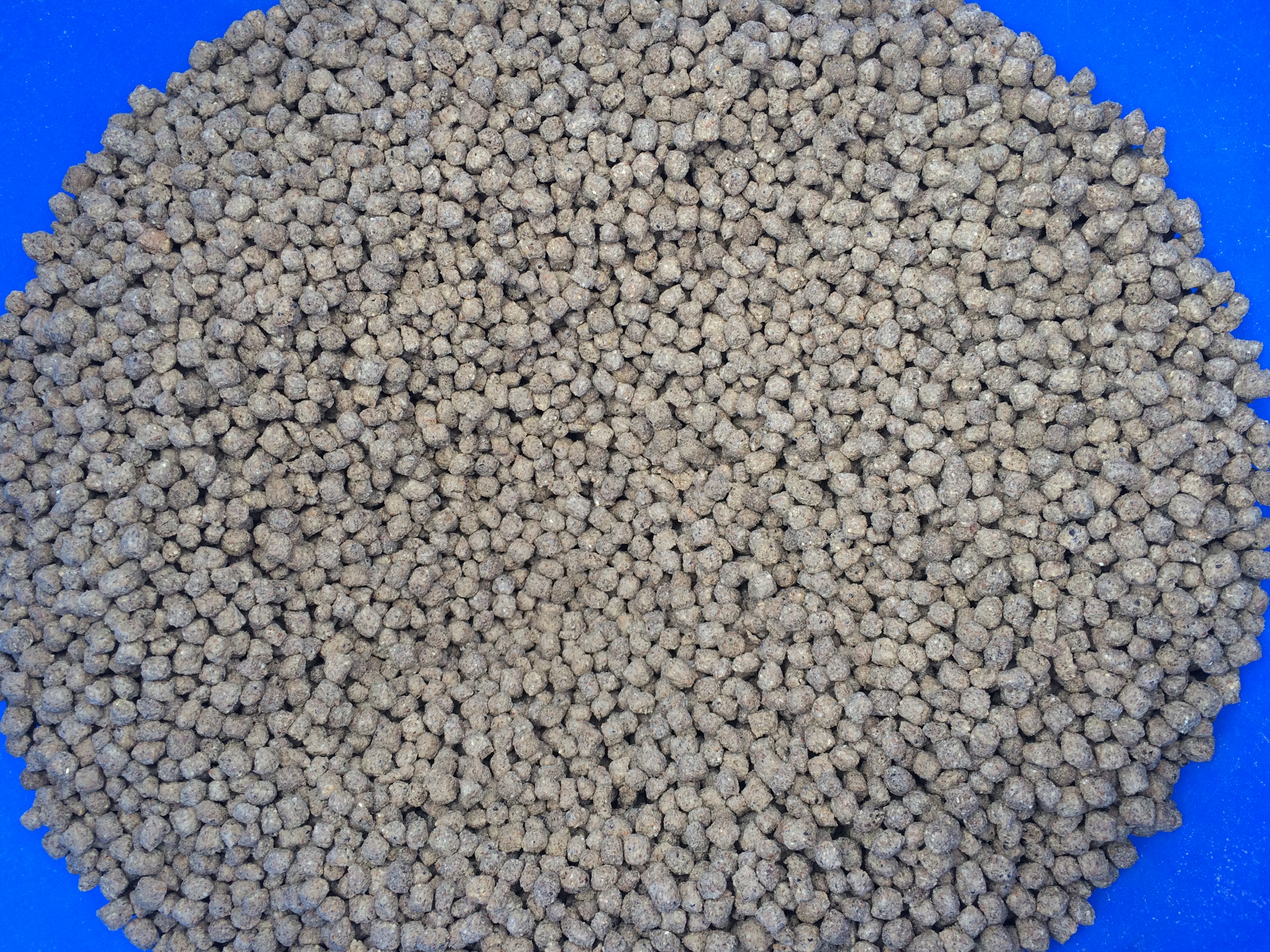
BFRI's leaflet gives the rule: feed twice a day at 4 to 5 per cent of the fish's body weight, with 30 to 35 per cent protein in the feed. Farmers can use a commercially made catfish feed or prepare one by either of these two formulas:
- Formula 1: fish meal 40%, mustard oil cake 20%, rice bran 20%, wheat bran 15%, molasses 4%, vitamin and mineral salt 1%.
- Formula 2: fish meal 25%, meat and bone meal 15%, mustard oil cake 20%, rice bran 20%, wheat bran 15%, molasses 4%, vitamin and mineral salt 1%.
The original had suggested balls of 40 per cent rice bran, 30 per cent oilseed cake and 30 per cent dried fish, fed at 5 to 10 per cent of body weight with a quarter in the morning and three quarters in the evening. BFRI's leaflet does not give that mix or that split, so its own formulas and rate are given here instead.
How often to feed was tested in the Rajshahi trial. The fish got a formulated feed with 28 per cent protein, at 8 per cent of body weight for the first three months, reduced gradually to 5 per cent over the last three. One group was fed once a day, one twice and one three times, at 8 am, 12:30 pm and 5 pm. After 180 days the fish fed three times had gained 56.10 grams on average, against 44.49 grams with two meals and 41.14 grams with one, and they also used their feed best, with a feed conversion ratio of 1.65 against 2.14 for one meal a day. The authors concluded that feeding three times a day works well for magur.
Keeping magur healthy
BFRI's leaflet says native magur is a hardy fish and disease is not common. When water quality deteriorates, however, ulcers can appear on the fish. For this disease BFRI advises applying 1 kilogram of lime and 1 kilogram of salt per decimal, in two doses three days apart. Applying lime at the rate of half a kilogram every month helps keep the water in good condition, and if the water goes bad for any reason, clean, cool water should be let in from outside.
The Rajshahi trial measured what good water looked like in its magur ponds: average water temperatures of 30.29 to 30.40 degrees Celsius, dissolved oxygen of 5.34 to 5.49 milligrams per litre and a pH of 7.75 to 7.78, all within the ranges the authors judged suitable for fish culture. Survival there was 95.32 to 96.23 per cent.
BFRI also advises netting the pond regularly to check the fishes' health. If fish fall sick, consult the upazila fisheries officer before using any medicine.
Harvest, yield and the returns BFRI recorded
At harvest, BFRI says, most of the fish are caught by netting, and the pond must be dried out to take them all. With proper care, the leaflet says, a pond can yield 6,000 to 8,000 kilograms per hectare in six to eight months.
The leaflet's income figures, recorded in January 2015, were a production cost of Tk 6,50,000 to 8,50,000 per hectare and a profit of Tk 11,00,000 to 13,00,000 per hectare. Prices of feed, fingerlings and fish had changed by 2025, so these are BFRI's figures for that time, not a promise of what a pond will earn.
Research ponds produced less. In the Rajshahi trial the ponds fed three times a day yielded 3,559.27 kilograms per hectare in 180 days, which the paper also gives as 14.41 kilograms per decimal, while those fed once a day yielded 2,677.48 kilograms per hectare.
BFRI closes its leaflet with advice for every farmer:
- Give brood fish and stocked fish balanced feed regularly.
- Remove water insects, tadpoles and the like from the nursery pond before releasing hatchlings, and fence the nursery pond with a net.
- Keep the banks of the grow-out pond high so the fish cannot get out during the rains.
- Stock healthy, strong fingerlings.
- Net the pond regularly to check the fishes' health, and watch the water quality.
For training, fingerling sources and advice on a particular pond, the first stop is the upazila fisheries office of the Department of Fisheries. BFRI, with its headquarters and Freshwater Station in Mymensingh and its sub-station in Saidpur, which worked on magur breeding, publishes the technology described here.
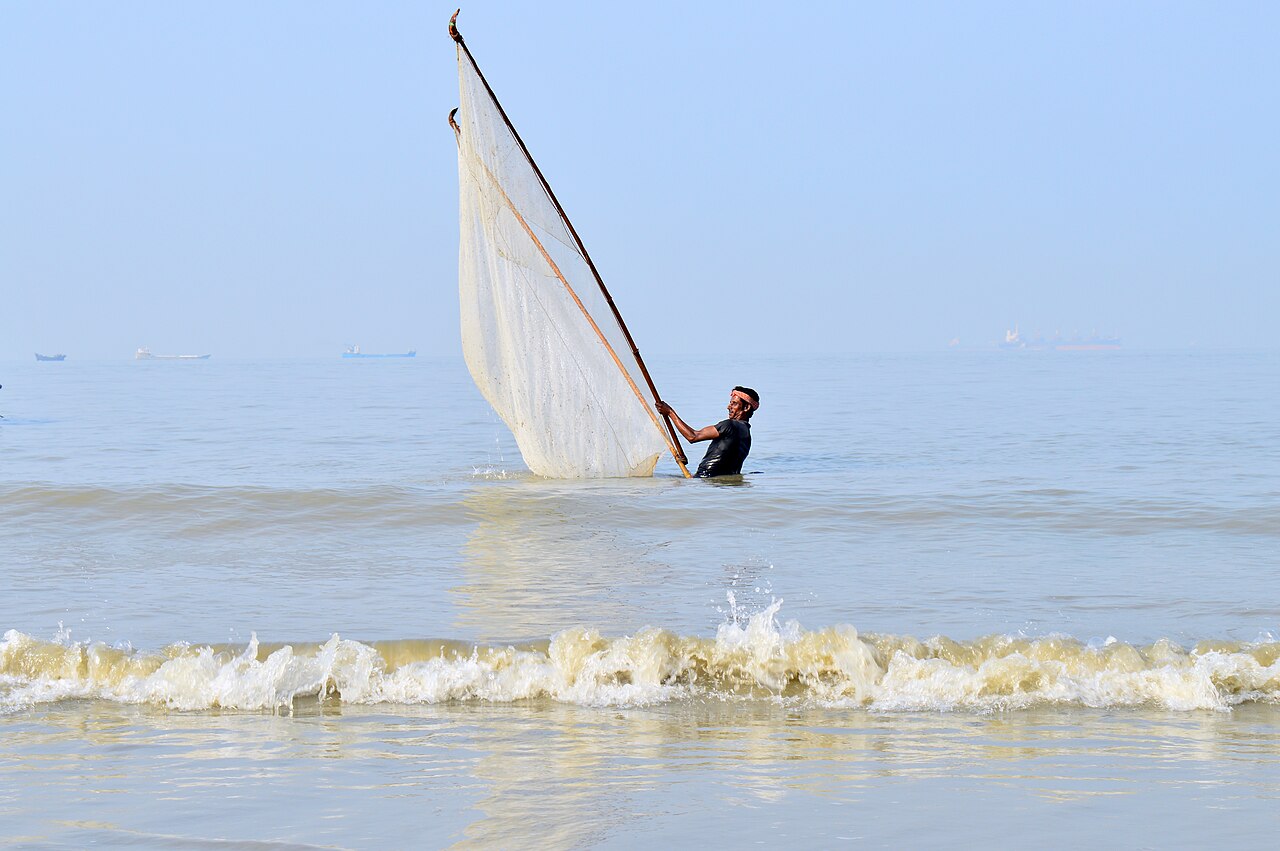
Photo: Biswarup Ganguly / Wikimedia Commons (CC BY 3.0)
Sources: The Agro News (Staff Correspondent), Bangladesh Fisheries Research Institute (Magur Fry Production and Culture Management, 2015), IUCN Bangladesh (Red List of Bangladesh Volume 5: Freshwater Fishes, 2015), Journal of Fisheries (Reza, Samad and Ferdous, 2021), Asian Journal of Biological Sciences (Ahamed et al., 2023), Ministry of Fisheries and Livestock (country presentation, October 2024), FAO (manual on African magur culture in Bangladesh), bdnews24.com (January 2023), The Daily Star (January 2018), The Business Standard (September 2020), Mongabay (July 2023)

Comments
(0)