
More than one million people in Lebanon already face Crisis or worse levels of acute food insecurity, and the number is projected to reach 1.15 million by mid-2027, according to the latest Integrated Food Security Phase Classification (IPC) analysis, released jointly by Lebanon's Ministry of Agriculture, FAO and the World Food Programme (WFP).
The analysis was carried out in September 2026 by the ministry with technical support from FAO, WFP and other partners. It projects that 1.05 million people, 21 percent of the population analysed, will be in IPC Phase 3 or above between September 2026 and February 2027, including 52,000 people in Emergency conditions (IPC Phase 4). By mid-2027 the Crisis-or-worse figure is expected to rise to 1.15 million, or 24 percent, and the number in Emergency to 97,000, almost double the current count.
The current share is below the 24 percent projected at the height of the displacement crisis in the April 2026 IPC update, but the agencies warn that this is not a lasting improvement. They say the drop reflects changes in conflict and displacement, while purchasing power, jobs and families' ability to cope remain severely constrained. Savings are depleted, debt is high, and food, fuel and other essentials keep straining budgets; many households hold on to minimum food consumption only through hard coping strategies and humanitarian aid.
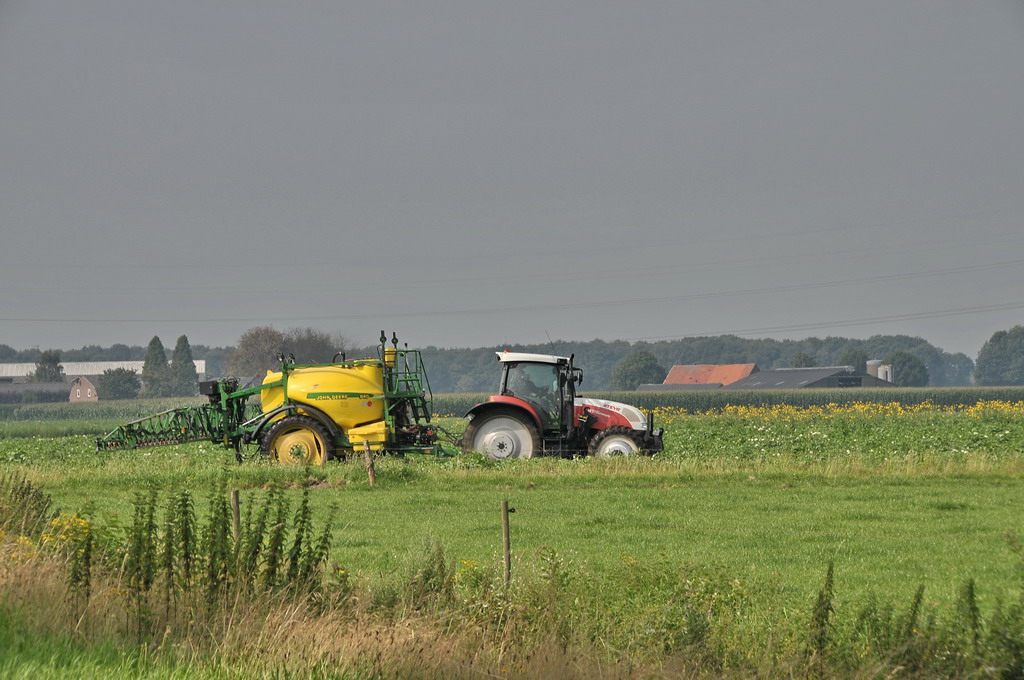
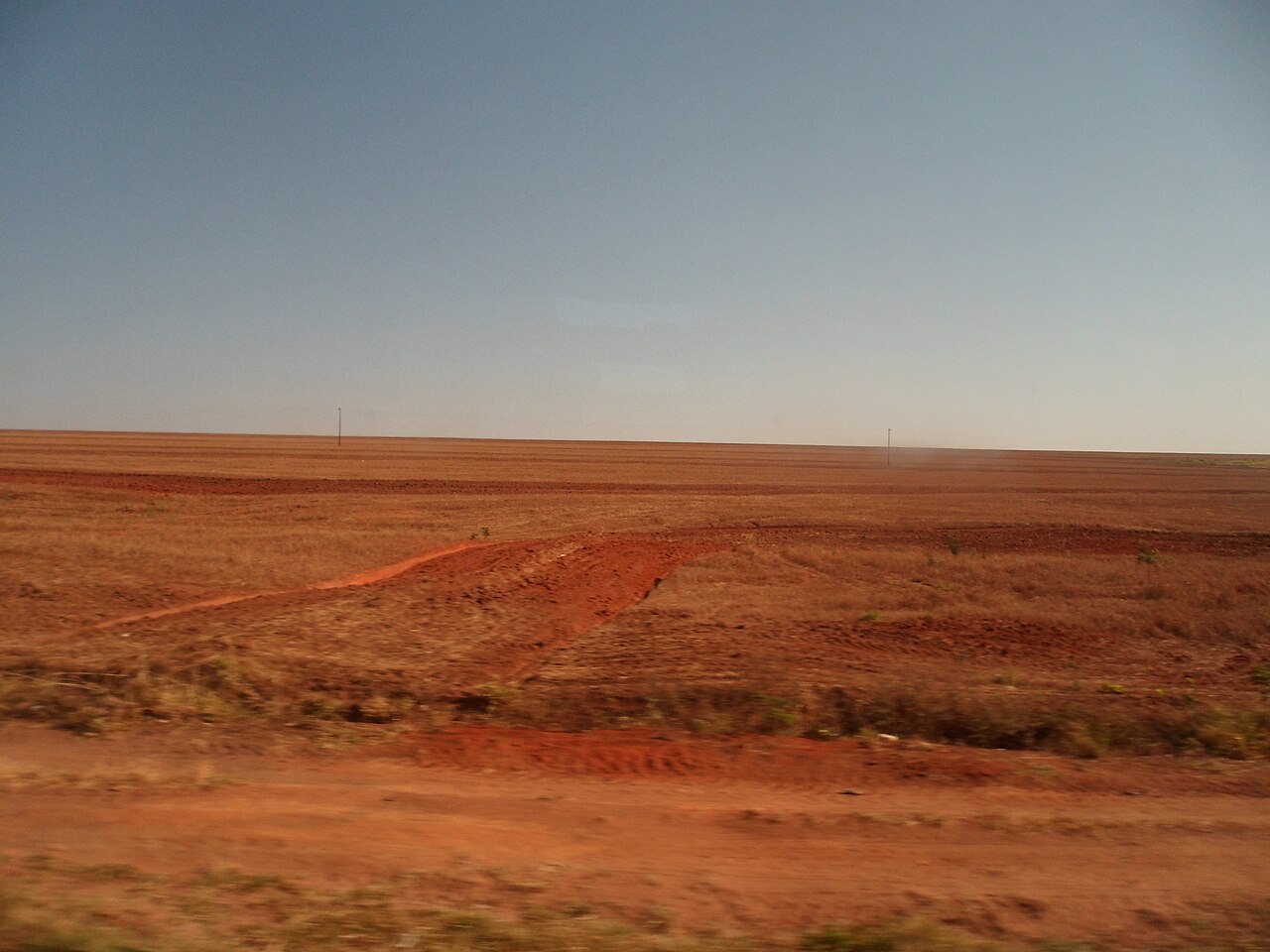
Agriculture sits at the centre of the problem. The worst conditions are in conflict-affected districts of southern Lebanon and in vulnerable areas including Akkar and Baalbek-Hermel, where damage to farmland and productive assets, restricted access to agricultural land, disrupted farming and high production costs continue to weaken rural incomes and access to food.
"The latest IPC findings underscore the urgent need to protect agricultural livelihoods and restore local food production," said Veronica Quattrola, FAO Representative in Lebanon, adding that farmers need timely support to rebuild productive assets and resume farming. Agriculture Minister Dr Nizar Hani said supporting farmers and safeguarding rural household incomes are central to the ministry's response.
The burden is uneven. Among Lebanese residents, 686,000 people (18 percent) face high levels of acute food insecurity now, rising to 805,000 (21 percent) by mid-2027. Crisis or worse conditions affect 28 percent of long-staying Syrian refugees and 35 percent of Palestine refugees, and 45 percent of people who arrived from Syria after December 2024, the most food-insecure group assessed.
The ministry, FAO and WFP are calling for sustained humanitarian assistance alongside longer-term investment in livelihoods, agricultural recovery and economic resilience, with stronger coordination among national institutions, partners and donors to prevent further deterioration.
Source: FAO Newsroom

Comments
(0)