
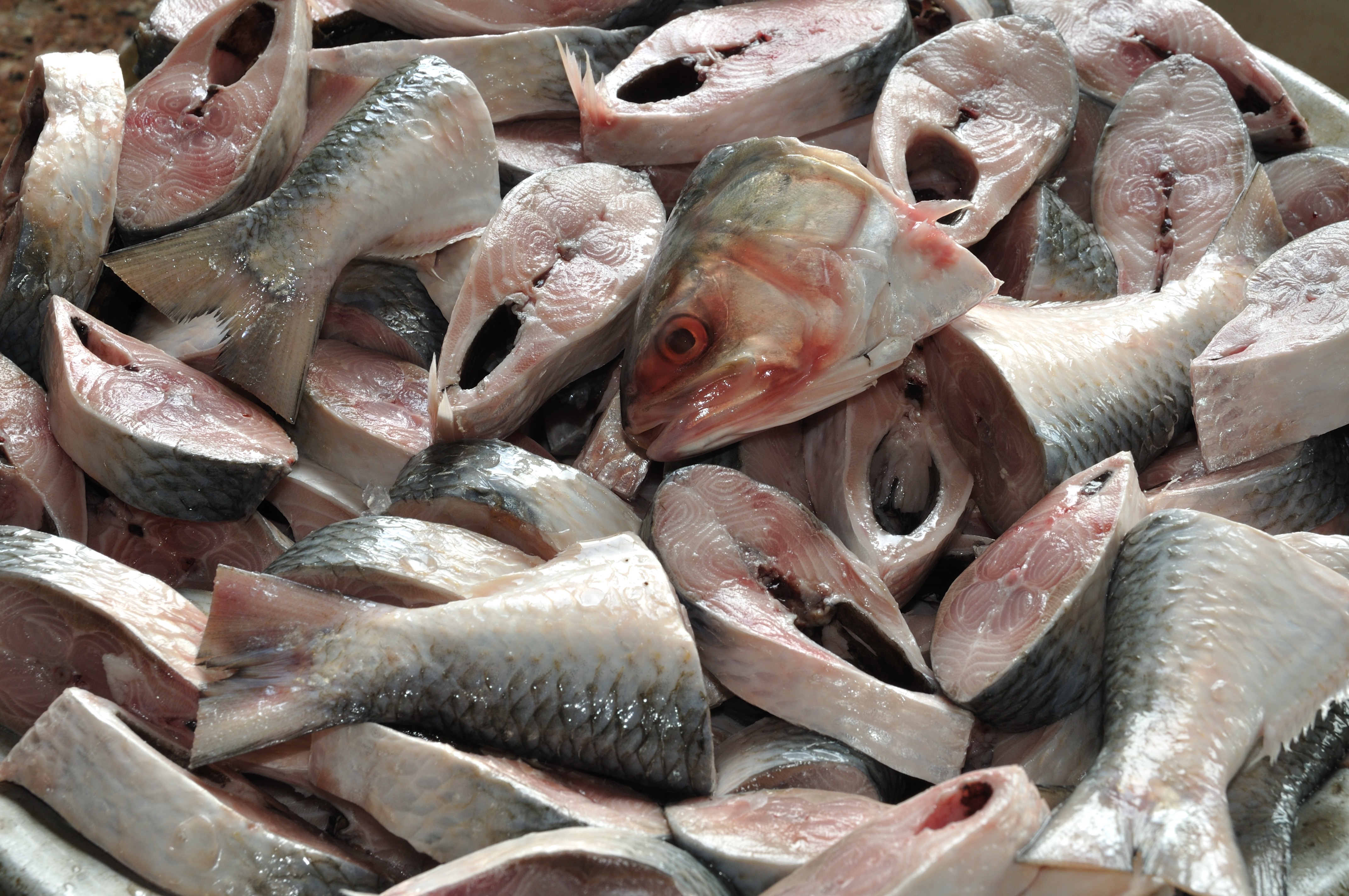
A large hilsa weighing 2 kg 100 g, caught by fishermen in the Bay of Bengal off Kuakata in Kalapara upazila of Patuakhali, sold for Tk 6,825. Jagonews24 reported that the fish was netted on the morning of Saturday, 4 July 2026, by a fishing trawler named 'Joltorongo' and was then auctioned at a wholesale depot at the Alipur fish landing centre.
Auctioned at an Alipur depot
Kader Majhi, a fisherman on the trawler, said the hilsa came up in the net with other fish when the crew went back to sea after the government fishing ban ended. It was taken to the M/s Anisha Enterprise fish depot at the Alipur landing centre, where a local retail trader named Rahman bought it at auction.
Mehedi Hasan, the depot's manager, said: "Because of its large size, the fish sold at the rate of Tk 1,30,000 a maund. The total sale price of this 2 kg 100 g hilsa came to Tk 6,825."
Kader Majhi said it was the biggest fish of the trawler's catch and that he was very happy to land it. Fish were comparatively scarce in the sea that year, he said, but he was content with what Allah had given.
Back at sea after the 58-day ban
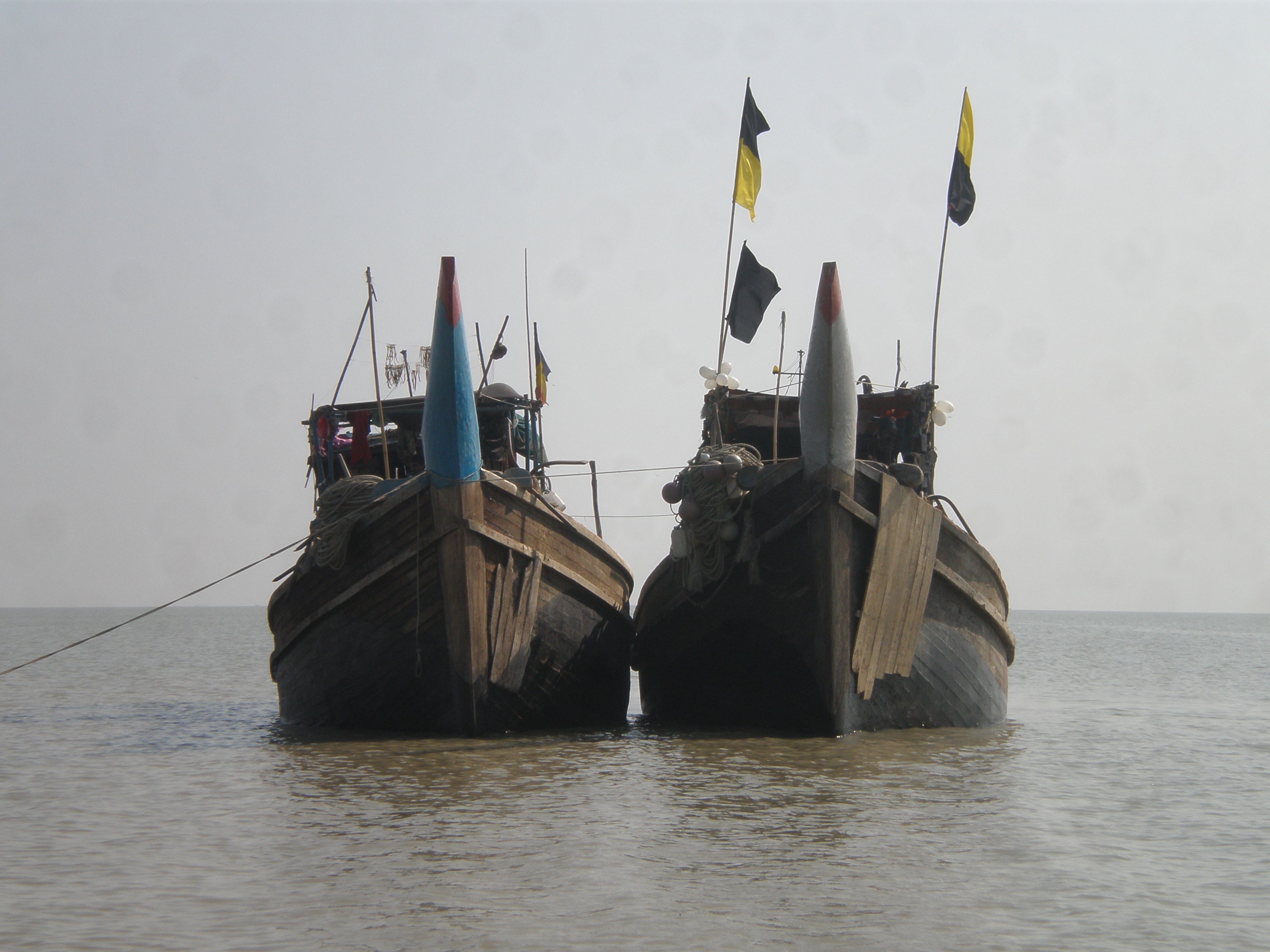
According to BSS and UNB, the government banned all types of fishing in the Bay of Bengal for 58 days, from 15 April to 11 June 2026, to protect marine biodiversity and support the breeding and sustainable production of hilsa and other fish. Fisheries and Livestock Minister Amin Ur Rashid announced the ban at a press conference at the Secretariat on 6 April, saying that higher production would improve market supply and bring prices down.
The Daily Star reported in April that registered fishing families were allocated 77 kg of rice under the VGF programme for the ban period. Patuakhali district had about 47,000 registered fishermen at the time, and fishermen in coastal areas including Rangabali and Kuakata complained of declining catches, fuel shortages and delayed aid.
A fisheries officer's hopes for supply and prices
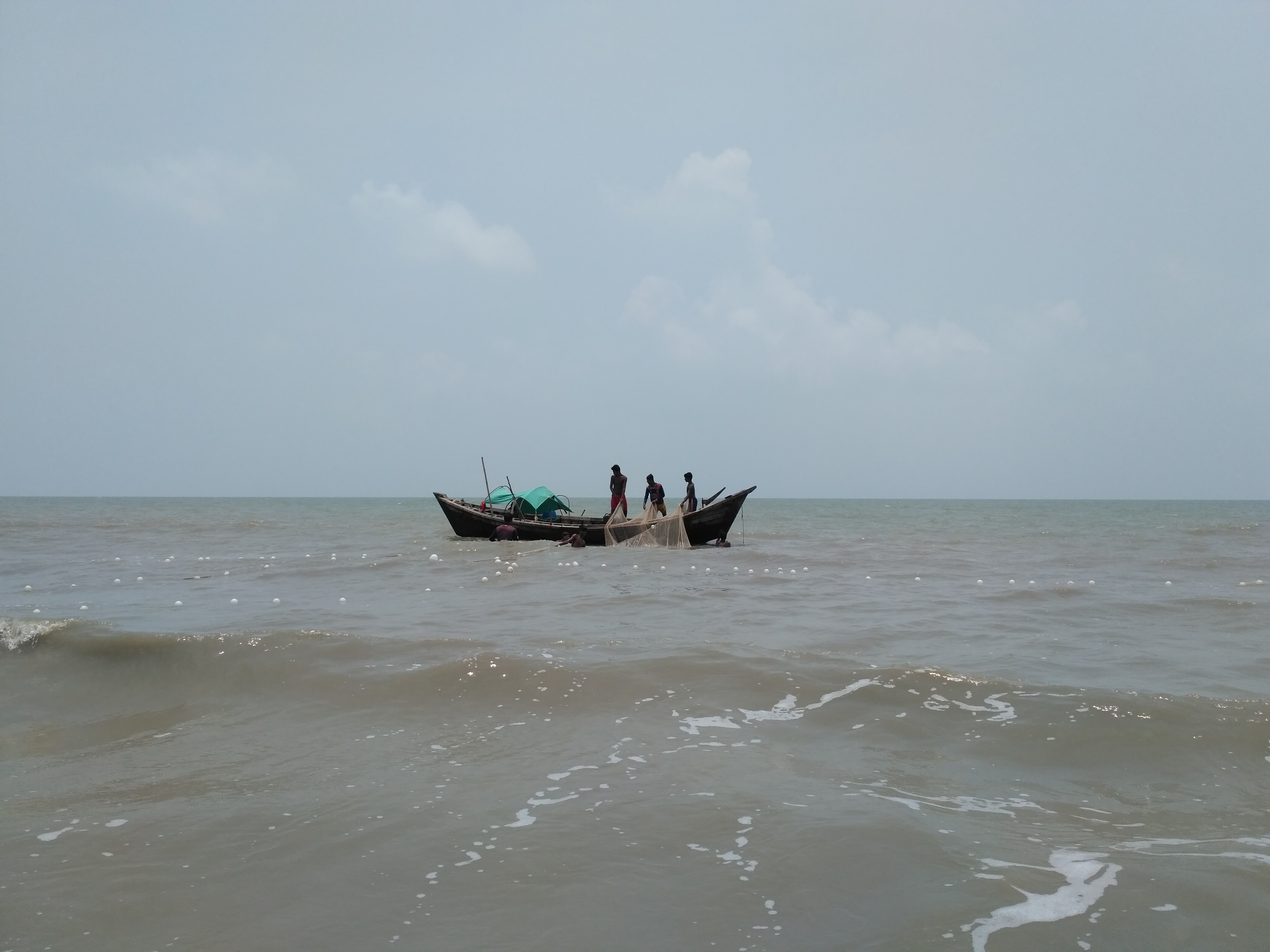
Apu Saha, senior fisheries officer of Kalapara upazila, said: "Large hilsa being caught is undoubtedly good news for fishermen. Big hilsa are being found in coastal areas as well as the deep sea. Hilsa production is gradually rising. I hope that if supply increases further in the coming days, hilsa prices will also come down to a bearable level."
The hilsa (Tenualosa ilisha) is Bangladesh's national fish. It migrates from the sea up rivers to spawn, and in 2017 it was recognised as a Geographical Indication of Bangladesh. In UNB's report, the minister said hilsa production reached 5,00,000 metric tons in the 2024-25 fiscal year, that hilsa made up about 9.79 per cent of the country's fish production, and that more than 80 per cent of the world's hilsa came from Bangladesh's rivers, estuaries and seas. Alongside the sea ban, a 22-day breeding-season ban, a ban on catching jatka (juvenile hilsa) from November to June and 3,188 sq km of marine protected areas were in place.
Kuakata lies in Kalapara upazila, about 320 km south of Dhaka. Alipur-Mohipur, some 4 km to its north, is one of the largest fishing centres in southern Bangladesh.
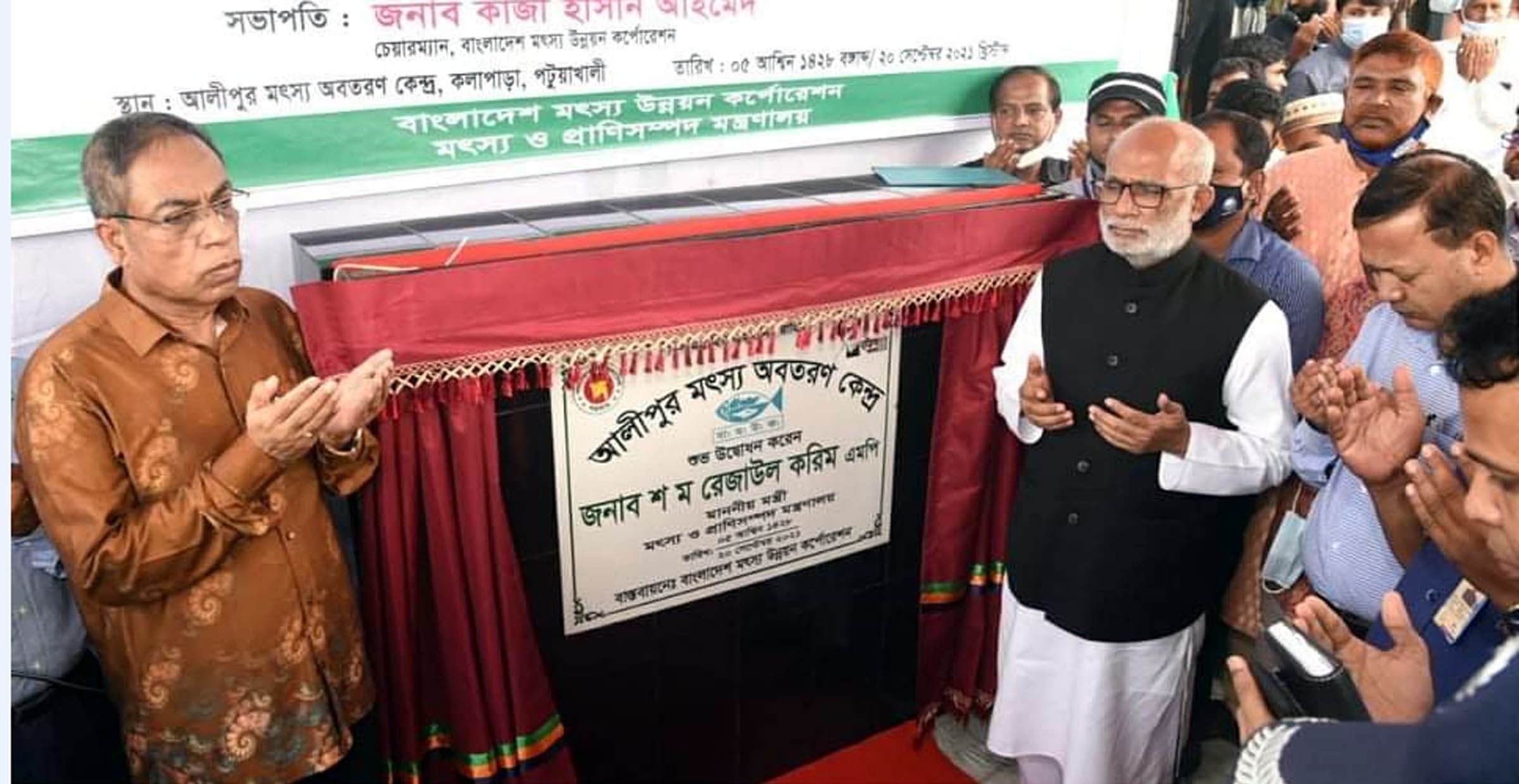
Photo: Biswarup Ganguly / Wikimedia Commons (CC BY-SA 3.0)
Sources: Jagonews24, UNB, BSS, The Daily Star, Wikipedia
Comments
(0)