
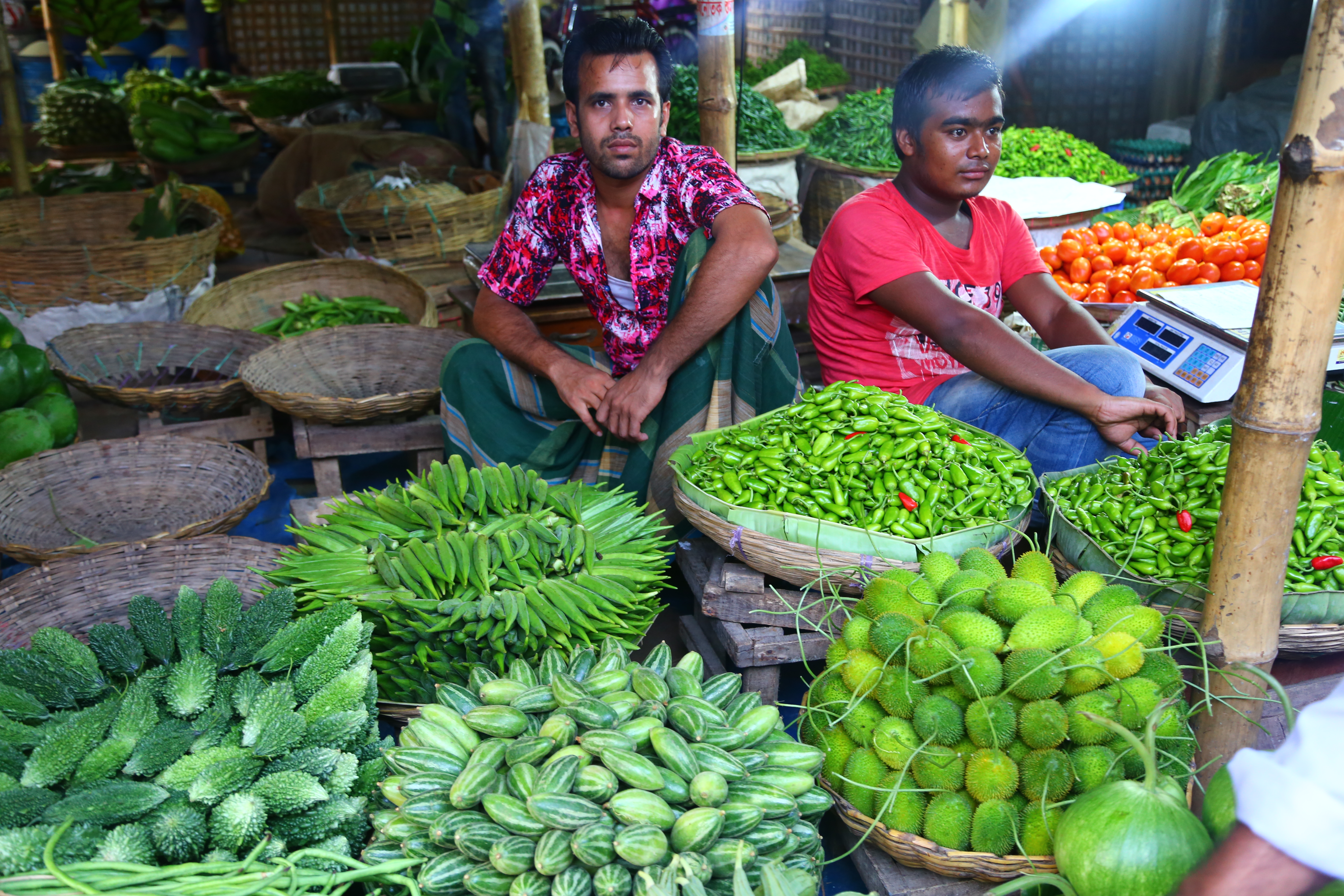
Vegetable prices began to fall in Khulna's markets at the start of November 2025 as winter vegetables started to arrive, Jagonews24 reported on Sunday, 2 November 2025. After visiting Notun Bazar, New Market and Mistripara Bazar in the city, the paper found that prices of all kinds of vegetables were down by Tk 10-15 and that all types of chicken were down by up to Tk 20 a kilogram. A fish trader said most fish had also become cheaper. Sellers expected more relief once the winter crop came in fully, while shoppers said the market was still too dear for many households.
What vegetables cost at the three markets
The prices the paper recorded were as follows, all per kilogram unless shown otherwise.
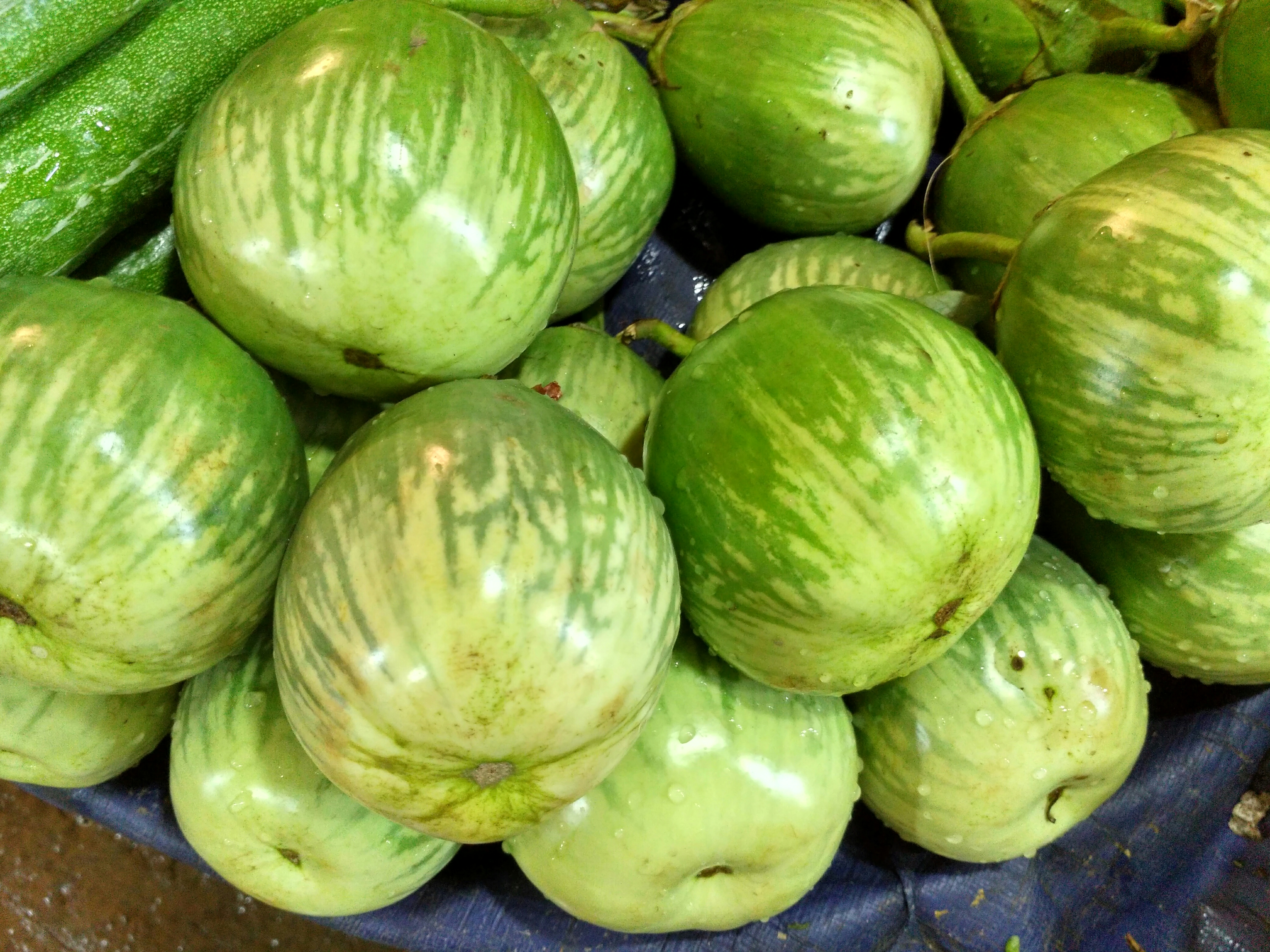
- Aubergine (brinjal): Tk 60-70
- Bitter gourd: Tk 70-80
- Yardlong beans: Tk 60-70
- Pointed gourd: Tk 40-50
- Red amaranth: Tk 25-30
- Spinach: Tk 25-30
- Bottle gourd leaves: Tk 40-50
- Pumpkin: Tk 40
- Okra: Tk 40-50
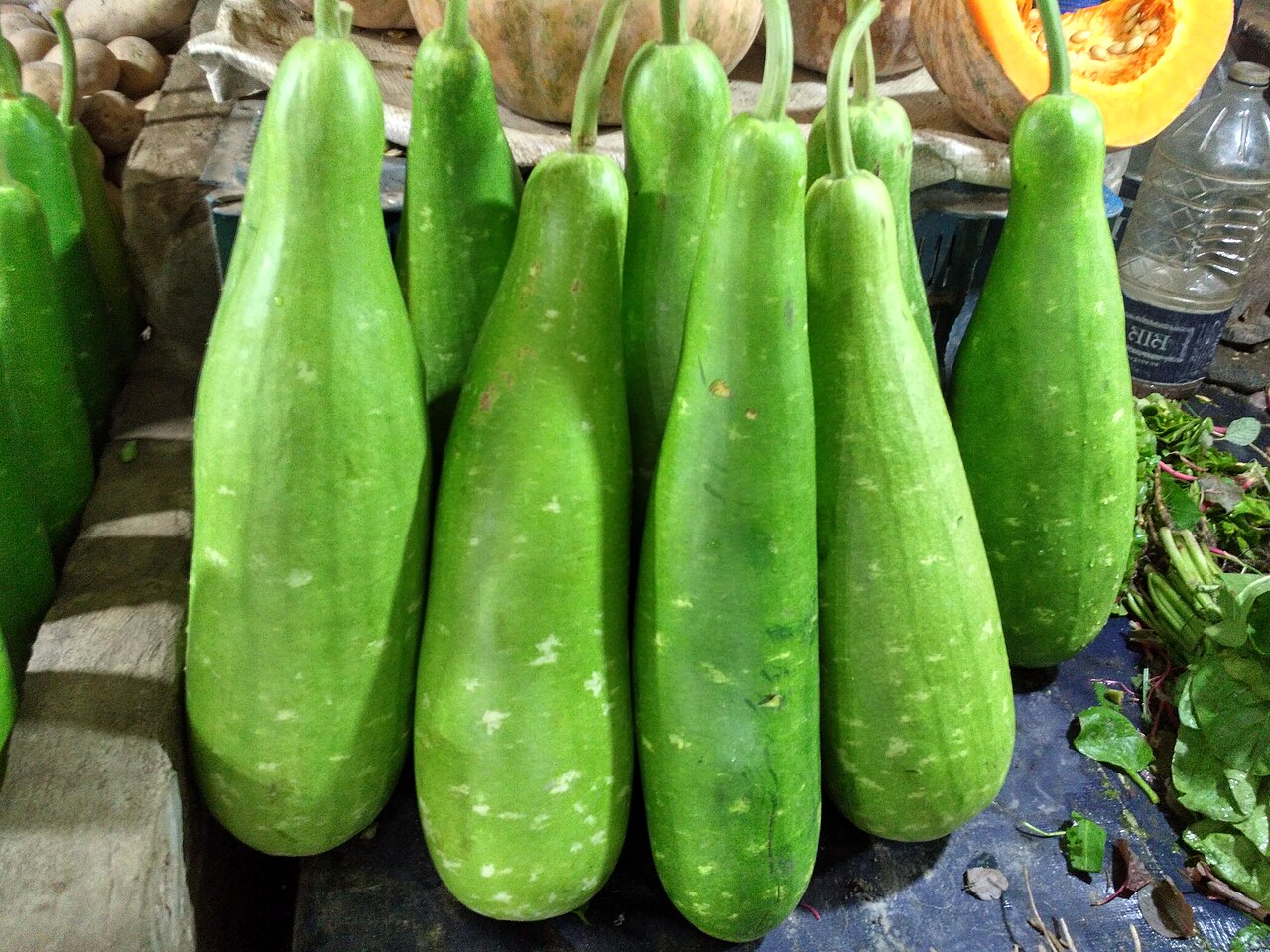
- Bottle gourd: Tk 40-50 a piece
- Tomatoes: Tk 80-100
- Flat beans: Tk 70-80
- Cauliflower: Tk 100-120
- Green chillies: Tk 180-200, depending on quality
- Onions: Tk 70-80
- Garlic: Tk 80-100
The list shows the gap the traders described. Leafy greens, pumpkin and okra were among the cheapest items, while cauliflower, a winter crop, was among the dearest, and tomatoes were not far below it.
Chicken, meat and fish
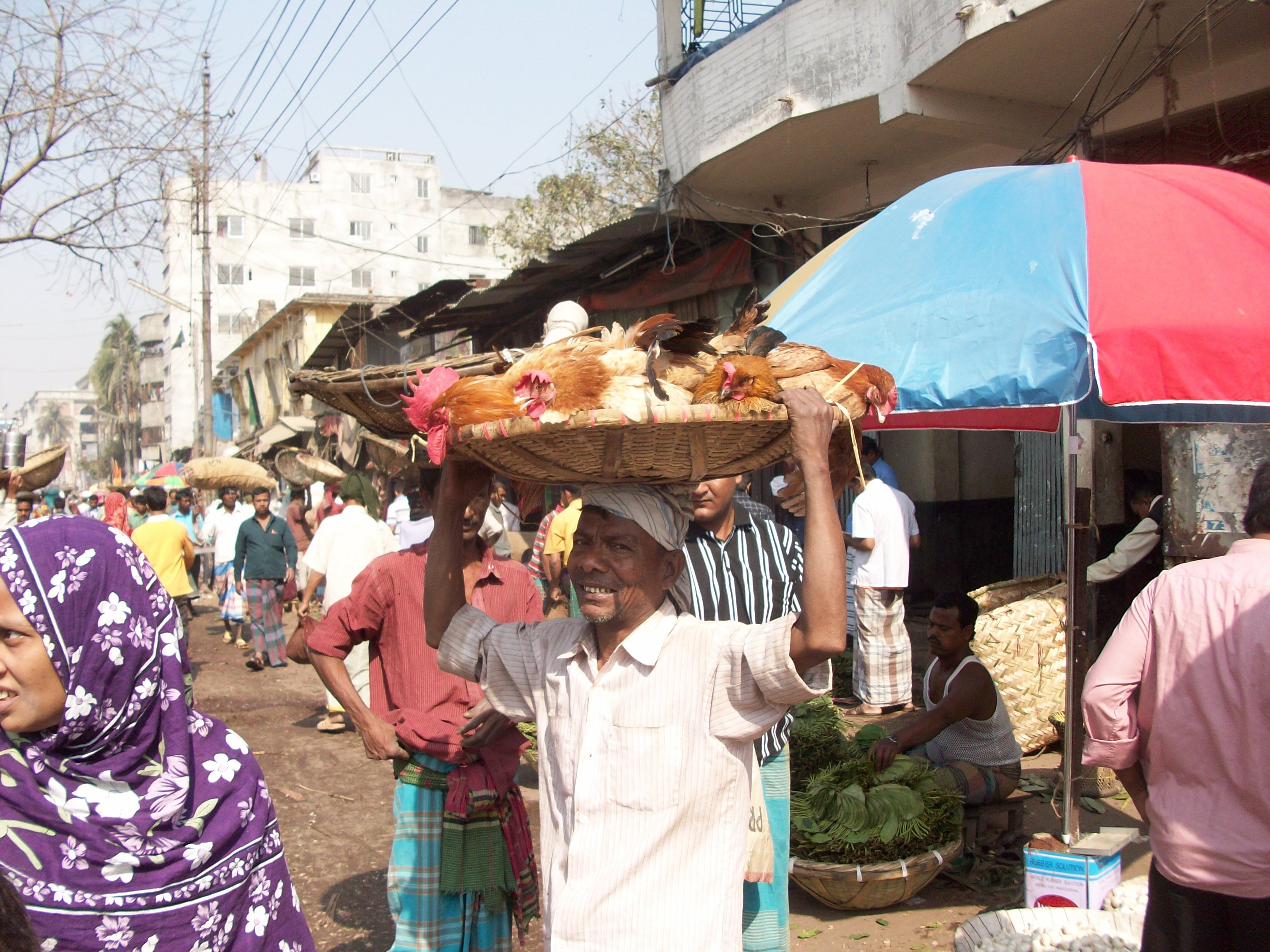
Broiler chicken was selling at Tk 160-170 a kilogram, Sonali at Tk 250 and layer at Tk 260-270. Beef was Tk 750 a kilogram and mutton Tk 1,150 to Tk 1,200.
At the fish stalls, rui cost Tk 250-300 a kilogram depending on size and bhetki Tk 500-600, also depending on size. Shrimp ranged from Tk 600 to Tk 1,000 a kilogram. Tilapia was Tk 160-180, pabda Tk 300-350, pangas Tk 170-200 and small fish Tk 300-400.
What traders and shoppers said
Masud Kazi, a vegetable trader at Mistri Bazar, told the paper that many vegetables had been expensive and that most prices had fallen now that new vegetables were arriving. Winter vegetables themselves were still somewhat dear, he said, but prices would come within reach once more of them began to come in.
Emon Sheikh, a fish trader at Notun Bazar, said most fish prices had fallen by Tk 40-50 and that fish shipments had risen that week. Fish had been expensive for the past several months and there had been fewer buyers, he said, adding that all fish prices stay low when sea fish are in the market.
Shoppers were less satisfied. Khokon Faraji, who had come to Mistripara Bazar, said vegetable prices had been very high for several months. Some had come down, he said, but they were still high for the market: aubergine was Tk 20 a kilogram cheaper and still stood at Tk 60, and no winter vegetable was below Tk 80.
Another shopper, Akram Hossain, said chicken was cheap, but that fish and vegetables, though cheaper than before, were still not within everyone's reach. It was a struggle to buy two kinds of vegetables with Tk 100, he said, and the pressure on the household budget would ease a little if prices fell further.
The high prices before the fall
The complaints in Khulna had a recent history. On 14 June 2025, after the Eid-ul-Azha holiday, the news agency UNB reported from the city's kitchen markets that vegetable prices had jumped by Tk 20 a kilogram from about a week before. Aubergine was then Tk 70-80, bitter gourd Tk 70-80, yardlong beans Tk 60-70, tomatoes Tk 60-70, okra Tk 40-50 and bottle gourd Tk 45-50 each. Traders blamed the holiday, when farmers and wholesalers had gone home, along with monsoon rain and a shortage of labour. The president of a local vegetable traders' association called the rise normal and said prices should settle once supply improved.
National figures showed food prices still under pressure in the months that followed. Bangladesh Bureau of Statistics (BBS) data reported by the Dhaka Tribune on 7 September 2025 put general inflation in August at 8.29 percent, down from 8.55 percent in July. Food inflation, however, rose to 8.60 percent from 8.56 percent.
Onions, at Tk 70-80 in Khulna on 2 November, had been a national concern as well. The Business Standard reported on 15 August 2025 that retail prices in Dhaka had reached Tk 75-85 a kilogram, against Tk 60-65 two weeks earlier, and that imports from India, halted for about eight months, had resumed on 14 August with a first 100 tonnes at Sonamasjid land port. A spice researcher told the paper that about a quarter of the crop is wasted in storage, and a farmer in Pabna said prolonged rain and humidity had rotted part of his stored onions.
Why winter vegetables reach the market in November
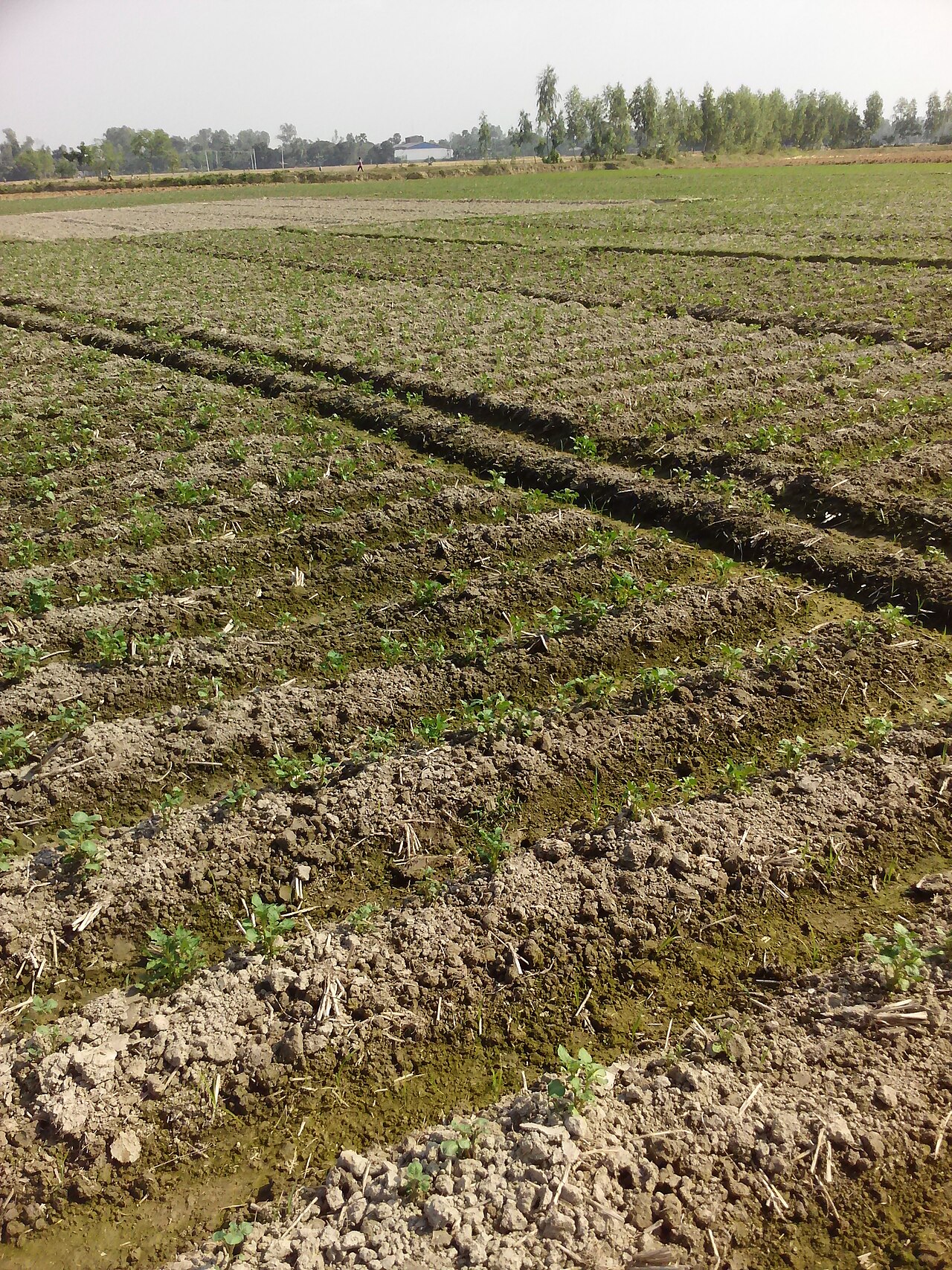
Bangladesh's growing calendar helps explain why the first winter vegetables were still dear. Banglapedia describes hemanta, the late-autumn season from mid-October to mid-December, as a transition between autumn and winter, and says that winter, by the Bengali calendar the months of Poush and Magh, in practice runs from November to February. Winter is very dry, with less than 4 percent of the year's rain, and it is the time when vegetables are plentiful in the markets.
By that calendar, much of the main crop was only going into the ground in early November. According to Banglapedia, aubergine is planted in October and November and is ready in 90 to 100 days. Cauliflower seedlings about 30 days old are transplanted in October and November, and tomato seedlings 25 to 30 days old usually go out in November and December, with the crop ready in 80 to 90 days. Bottle gourd is quicker, ready for harvest in 55 to 60 days. Among cauliflowers, Kartica, Patnai and Tropical-55 are the early varieties, followed by mid-season and late types.
Bad weather had also delayed the season's start at one well-known source of seedlings. Jagonews24 reported on 29 October 2025 that at Samespur in Cumilla's Burichang upazila, a village known nationwide for vegetable seedlings, sales usually begin in the Bengali month of Shraban, but that production and sales had started late that year because of recent bad weather. The Department of Agricultural Extension (DAE) expected about Tk 20 to 22 crore worth of seedlings to be sold in the district that season.
A report from Jashore, in the same division as Khulna, shows how prices can move once the crop arrives. The Financial Express reported on 7 December 2020 that prices had been satisfactory early in that season and had fallen as large volumes reached the market. That month aubergine sold there at Tk 25-30 a kilogram, cauliflower at Tk 25, beans at Tk 30 and green chillies at Tk 80.
How much the country and the Khulna region grow
Khulna is the capital of the division and district of the same name, in south-western Bangladesh on the Rupsa and Bhairab rivers. It became a municipality in 1884 and a city corporation on 6 August 1990, and Banglapedia counts 31 wards in the city. The 2022 census counted 719,557 people in the metropolis. Khulna District covers 4,394.45 square kilometres and has nine upazilas: Koyra, Dumuria, Terokhada, Dacope, Dighalia, Paikgachha, Phultala, Batiaghata and Rupsa. Banglapedia lists agriculture as the largest main source of income there at 34.90 percent, ahead of commerce at 19.60 percent.

The Yearbook of Agricultural Statistics 2024, published by BBS in June 2025, puts winter vegetable production in 2023-24 at 3,953,697 tonnes from 769,983 acres, against 3,667,058 tonnes the year before. Summer vegetables gave 1,585,695 tonnes. Among the crops on the Khulna price list, the yearbook records 491,488 tonnes of tomato, 485,053 tonnes of winter aubergine, 429,670 tonnes of cauliflower, 313,583 tonnes of bottle gourd, 259,401 tonnes of winter pumpkin and 226,331 tonnes of beans. Red amaranth gave 72,713 tonnes, spinach 66,839 tonnes and yardlong beans 42,648 tonnes. Of the summer crops, pointed gourd gave 131,316 tonnes, okra 99,080 tonnes and bitter gourd 85,337 tonnes.
Official counts differ widely, however. The Daily Star reported in February 2022 that the DAE, whose figures the agriculture ministry uses, estimated vegetable output at 1.97 crore tonnes from 9.35 lakh hectares in 2020-21, while BBS had put 2019-20 output at 45.74 lakh tonnes. The DAE's director general defended his department's estimate at the time.
Khulna District itself is a modest grower in these tables. For 2023-24 the yearbook records 1,081 acres of tomato giving 3,460 tonnes, 777 acres of winter aubergine giving 1,886 tonnes, 575 acres of beans giving 2,208 tonnes, 746 acres of winter pumpkin giving 2,406 tonnes, 487 acres of spinach giving 1,060 tonnes and 516 acres of red amaranth giving 835 tonnes. Khulna Division, which also takes in Bagerhat, Chuadanga, Jashore, Jhenaidah, Kushtia, Magura, Meherpur, Narail and Satkhira, produced far more: 69,751 tonnes of winter aubergine, 38,747 tonnes of tomato and 34,113 tonnes of beans. Jashore alone gave 18,614 tonnes of winter aubergine and Kushtia 13,072 tonnes.
The crops on the price list
Banglapedia says nearly 100 kinds of vegetable, local and exotic, are grown in Bangladesh. It names cabbage, cauliflower, tomato, aubergine, radish, hyacinth bean and bottle gourd among the winter crops, and pumpkin, bitter gourd, okra and yardlong bean among the summer ones, and both groups were on the Khulna stalls in early November. Aubergine, pumpkin, okra and red amaranth can be grown in both seasons. Homestead vegetables are grown mainly for the household, with the surplus sold, and women play the dominant role in growing them.
Some crops are tied to particular districts, the encyclopedia notes: pointed gourd to Bogura, onion to Faridpur, hyacinth bean to Chattogram, early cauliflower to Tangail and tomato to Jashore and Chapai Nawabganj. Local aubergines include Islampuri, Khat Khatia, Dohazari, Volanath and Singnath, and the Bangladesh Agricultural Research Institute (BARI) has released the aubergines Uttara, Shuktara, Tarapuri, Nayantara and Kazla. BARI has also released tomato varieties such as Ratan, Manik and Chaiti, and in 1998 the cauliflower Rupa.
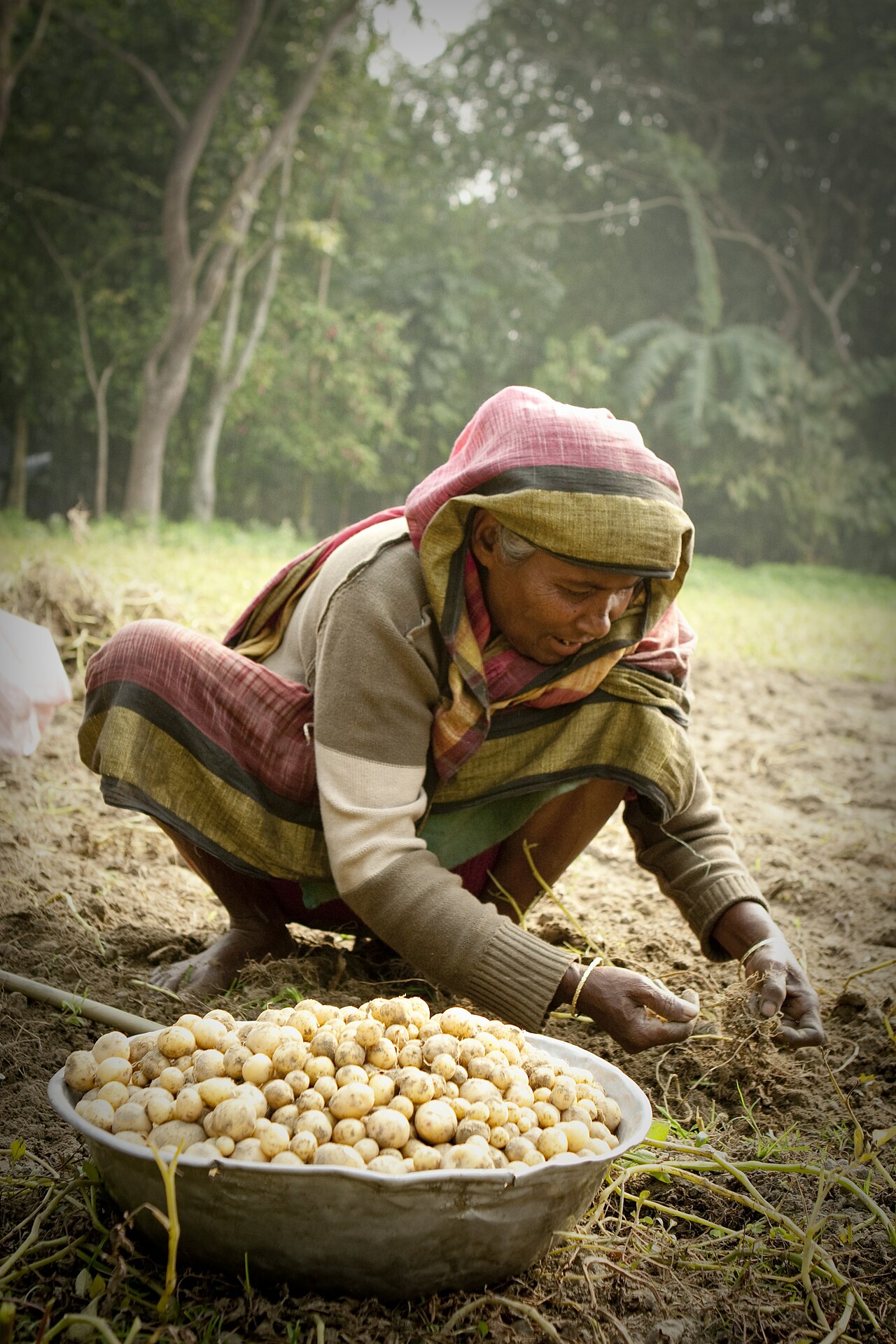
Green chillies, the costliest vegetable on the list, can be grown in summer as well as winter, Banglapedia says. In Khulna District the yearbook shows 366 acres of winter chilli giving 611 tonnes and 302 acres of summer chilli giving 525 tonnes in 2023-24. Onion is grown in every district, with Faridpur the largest producer, and is best transplanted in December or the first week of January. Khulna District had only 279 acres of it, giving 837 tonnes, while Khulna Division produced 427,554 tonnes, with Kushtia alone giving 157,712 tonnes and Jhenaidah 100,830 tonnes. Garlic, planted in November and December, covered 127 acres in the district and gave 227 tonnes.
Broiler, Sonali and layer
The three kinds of chicken on sale are different birds. A broiler is a chicken bred and raised specifically for meat, and most commercial broilers reach slaughter weight at four to six weeks. Sonali is a cross of Rhode Island Red cocks and Fayoumi hens, and it looks much like a local chicken. It was introduced in northern Bangladesh between 1996 and 2000 through donor-funded projects, according to an FAO study summarised by The Poultry Site in 2015. The study said about 150.9 million Sonali day-old chicks were produced in 2010, roughly 35 percent of the country's commercial chick output, that Sonali meat sold for nearly twice the price of broiler meat, and that its price fluctuated less. Layers are hens kept for eggs, and Banglapedia names the White Leghorn as the country's most popular layer breed, laying nearly 230 eggs a year.
Feed costs were in dispute in the trade that autumn. The Financial Express reported on 24 September 2025 that poultry feed cost Tk 60-75 a kilogram even though maize had fallen to Tk 35-36 and soybean cake to Tk 47-48. The president of the Bangladesh Poultry Association said feed prices had not come down with those of the raw materials and alleged that companies were taking an extra Tk 10 a kilogram above their usual margin. Officials of the Feed Industries Association of Bangladesh pointed instead to a new 5 percent advance income tax on imports, a rising dollar and higher bank interest. A farmer at Keraniganj told the paper that farm-level prices were held at about Tk 160 a kilogram, and the paper put the retail price of broiler at Tk 190-200 at that time.
Khulna's fish and the end of the hilsa ban
The Khulna region produces fish on a large scale. The Department of Fisheries' Yearbook of Fisheries Statistics of Bangladesh 2023-24, published in December 2024, records 131,709 tonnes of fish from Khulna District's inland waters in that year. Shrimp and prawn farms accounted for 81,198 tonnes of it, ponds for 21,521 tonnes and rivers for 4,209 tonnes. Khulna Division as a whole gave 822,361 tonnes. Nationally, fish production stood at 50.18 lakh tonnes, 59.34 percent of it from aquaculture, and fish supplied about 60 percent of the animal protein in the country's diet.
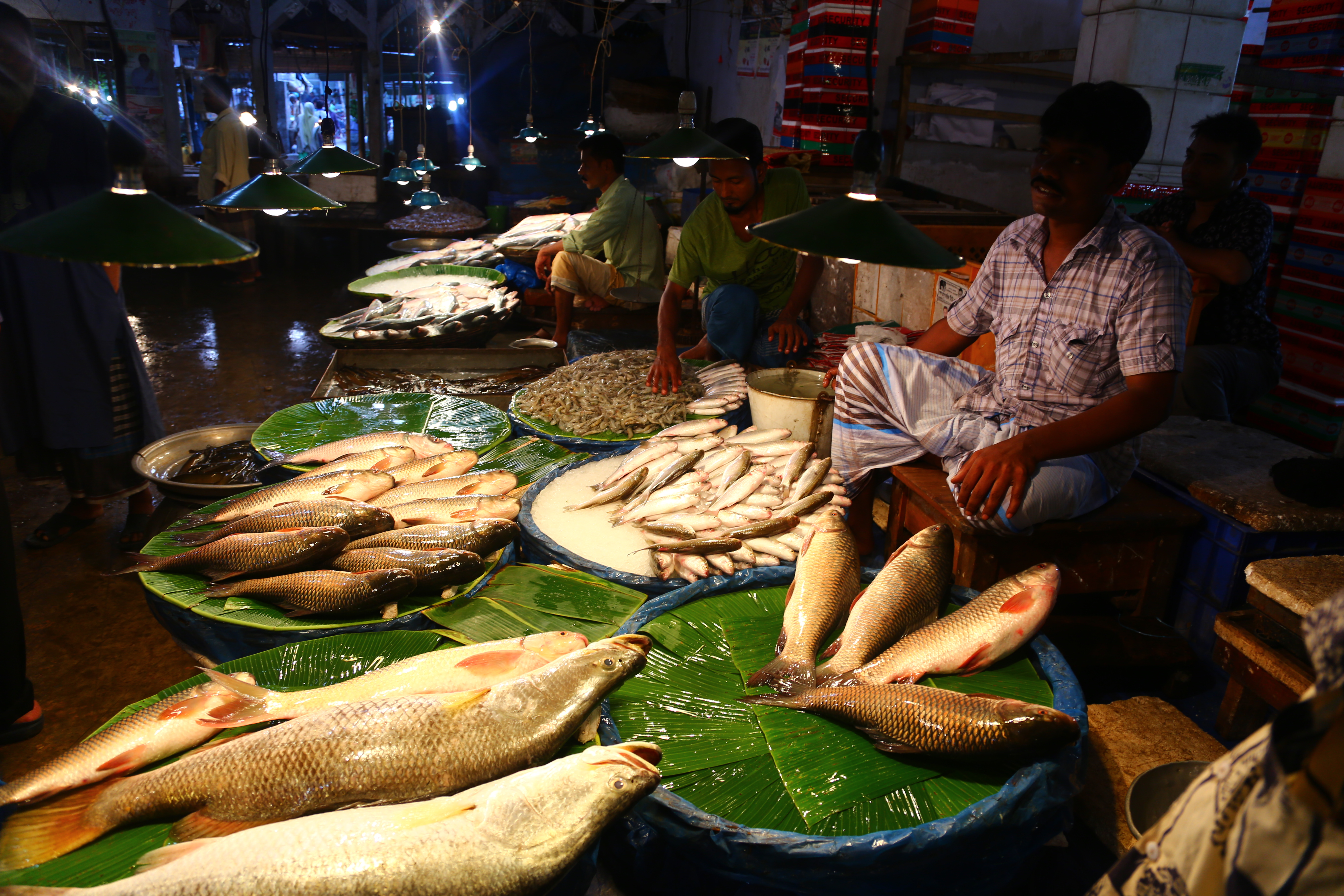
Several of the fish on the Khulna list are pond-farmed. The yearbook names pangas, tilapia, rui, silver carp, mrigal, catla, common carp and koi as the top eight pond species. In Khulna's ponds, tilapia led with 4,612 tonnes, followed by rui with 3,940 tonnes, and pangas gave 973 tonnes. Rui, or rohu, is one of the country's common freshwater carps. Tilapia is not native: Banglapedia says Mozambique tilapia came from Thailand in 1954, Nile tilapia from Thailand in 1974, and the improved GIFT strain from the Philippines in 1994. It adds that Thai pangas was imported from Thailand in 1989. By the yearbook's count, national output in 2023-24 reached 439,678 tonnes of tilapia and 418,629 tonnes of pangas, and it cites FAO in ranking Bangladesh fourth in the world and third in Asia for tilapia.
The dearer fish on the list have stronger local ties. Bhetki, the Asian sea bass or barramundi (Lates calcarifer), lives in rivers, moves down to estuaries and tidal flats to spawn, and tolerates both salt and fresh water. Pabda (Ompok pabda) is a native catfish of rivers, streams, ponds and lakes that grows to 30 centimetres, and the yearbook says it draws special attention among farmers, along with koi, shingi, magur, gulsha and mola. Banglapedia counts 56 kinds of shrimp and prawn in Bangladesh and names Satkhira, Khulna, Bagerhat and Cox's Bazar as the main areas for black tiger shrimp (bagda), with Bagerhat and Khulna among the main areas for giant freshwater prawn (galda).
The trader's remark about sea fish came days after a major closure ended. The government had banned catching, transporting, storing, marketing, buying and selling hilsa from 4 to 25 October 2025 across rivers, coastal waters, estuaries and the sea, so that mature fish could lay eggs, The Business Standard reported on 29 September. The Jagonews24 report from Khulna did not list hilsa among the prices it recorded.
Photo: Leocadio Sebastian / Wikimedia Commons (CC BY 2.0). The top picture shows a vegetable seller at a market in Khulna, as background; it was not taken for this report.
Sources: Jagonews24, Banglapedia, Bangladesh Bureau of Statistics (Yearbook of Agricultural Statistics 2024), Department of Fisheries (Yearbook of Fisheries Statistics of Bangladesh 2023-24), UNB via Dhaka Tribune, Dhaka Tribune, The Business Standard, The Financial Express, The Daily Star, The Poultry Site, FishBase, Wikipedia
Comments
(0)