
The district agriculture office in Katihar, in the Indian state of Bihar, plans to grow tomatoes on the upper part of a plant and potatoes below the ground by grafting. Another graft gives both tomatoes and brinjals from the same plant. The first is called the pomato, the second the brimato.
In a pomato, a tomato shoot is joined to a potato plant, so tomatoes form above and potatoes form underground. In a brimato, the tomato shoot is joined to a brinjal plant. The vegetable research institute of the Indian Council of Agricultural Research (ICAR) in Varanasi ran a successful field trial of the brimato in 2020-21, getting about 2.38 kilograms of tomatoes and 2.68 kilograms of brinjals from one plant. A research paper on the pomato says a potted plant can give 1.5 to 2 kilograms of tomatoes and 500 to 800 grams of potatoes, though yields depend on conditions and care.
According to a Bihar agriculture department report of 10 November, district agriculture officer Rajeev Kumar, acting on the instructions of Katihar's district magistrate Ashutosh Dwivedi, has written to the Varanasi institute asking for pomato and brimato seedlings and for advice on how well they would suit Katihar's soil and climate. The plants will first be grown as trials on farmers' land.
ICAR says the institute produced 36,000 brimato and 28,000 pomato seedlings between 2023-24 and 2025-26 and showed them in 41 districts across eight states. Experts caution that disease risks and profitability need to be checked before large-scale commercial planting.
The technique is not new. Work on growing potatoes and tomatoes on one plant began in the early twentieth century, a successful pomato was reported in Germany in the 1970s, and such plants went on sale in Britain and New Zealand in 2013. Grafting vegetables has been practised in Japan and Korea since the 1920s and later spread to China and the rest of East Asia.
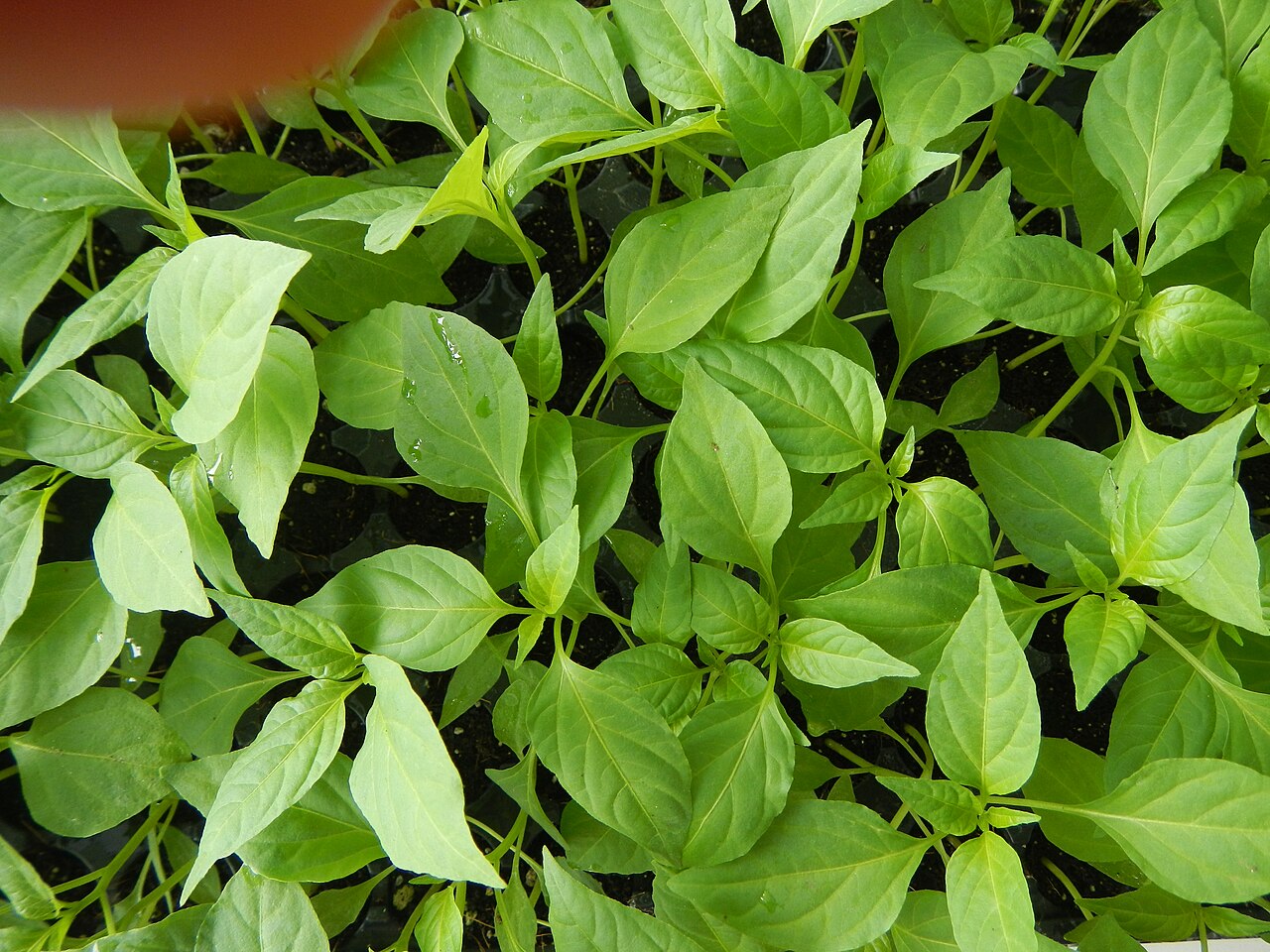
Photo: Judgefloro / Wikimedia Commons (CC BY-SA 4.0)
Source: Krishi Shomoy



Comments
(0)