
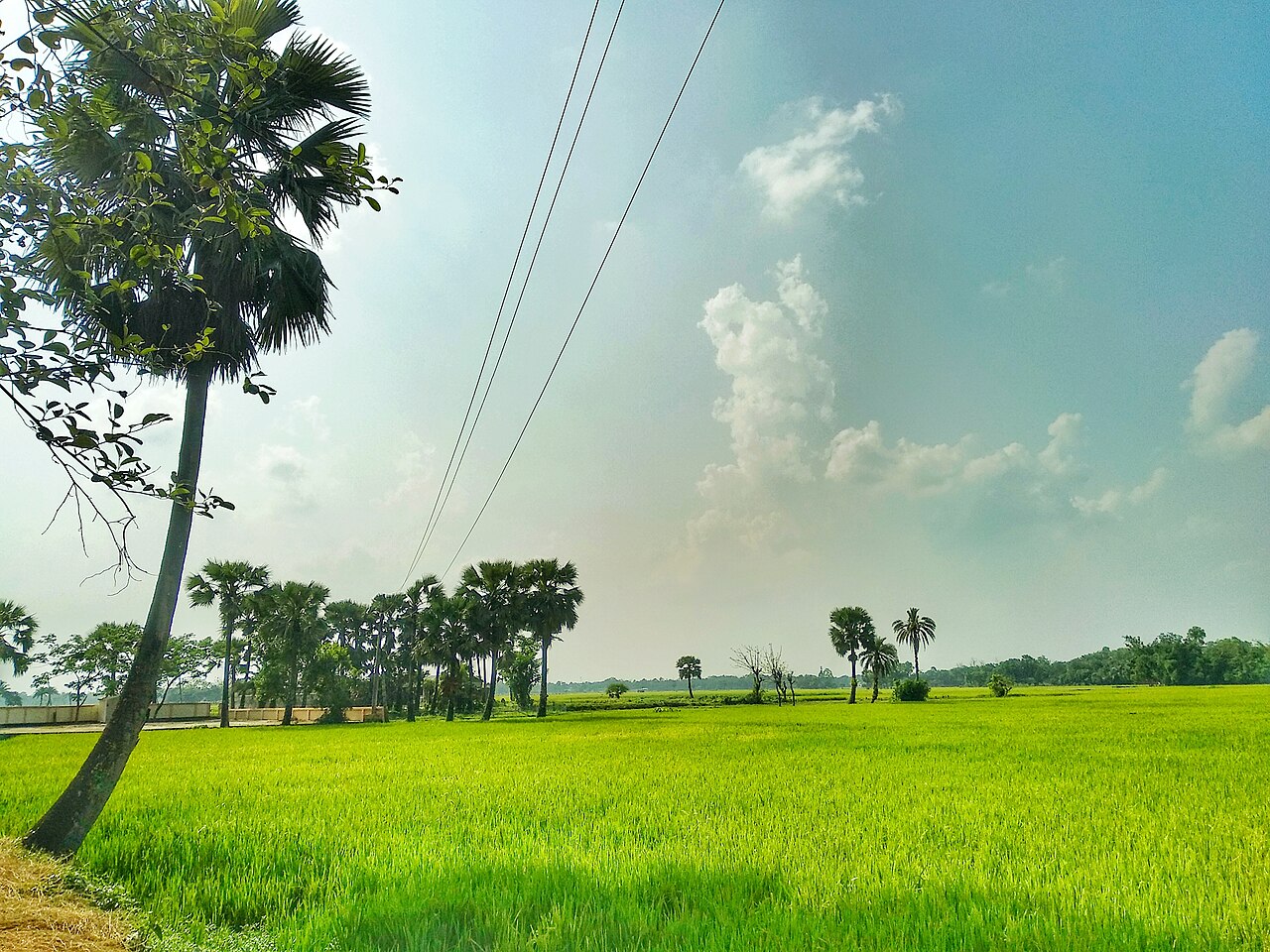
Nur Mohammad, a farmer in Tanore upazila of Rajshahi, says seven years of crossing local rice varieties have produced a new drought-tolerant rice. Farmers in the Barind region, where groundwater keeps falling, see a chance to grow rice with less water.
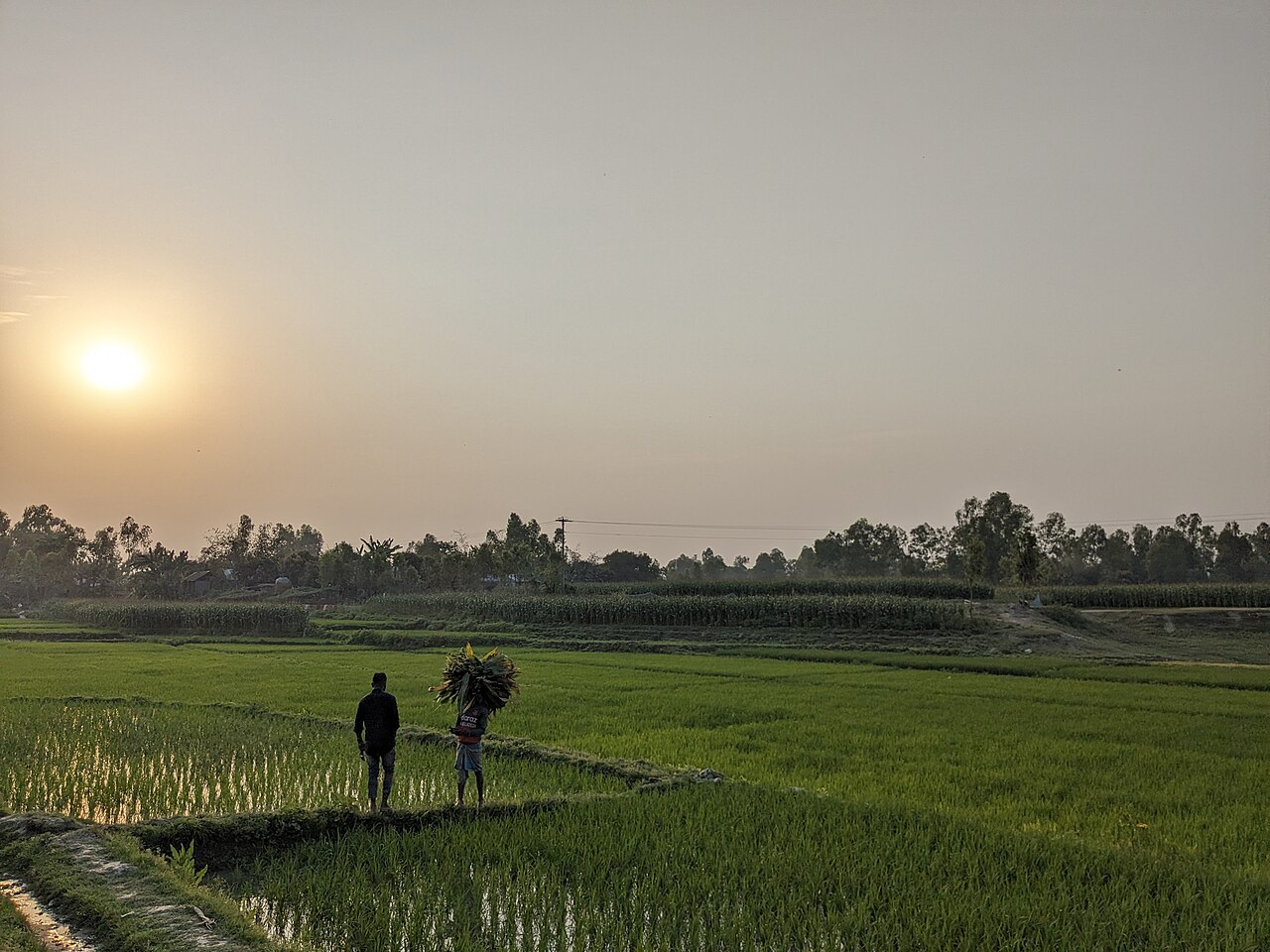
A field day on his trial plot in the Gollapara East field was organised by the development research organisation BARCIK (Bangladesh Resource Centre for Indigenous Knowledge) and Nur Mohammad Krishi Parisheba. Farmers, agriculture officials and BARCIK staff looked at the rice on 15 decimals of land, discussed its traits, cultivation, diseases and likely yield, and then joined the harvest.
By Nur Mohammad's own observations, the rice takes 115 to 120 days and could yield 21 to 22 maunds on a 33-decimal bigha. Disease and insect attacks were relatively low. He says he used no chemical fertiliser, pesticide or irrigation this season. He has earlier developed two other lines, Nur-1 and Nur-2.
Nirmal Chandra, a farmer in Tatiapara village who has worked with him from the start, said the rice can withstand drought. He has taken five kilograms of seed to plant on his own land next season.
BARCIK regional coordinator Md Shahidul Islam called it a notable example of farmer-led research. Local agriculture officials said falling groundwater in the Barind makes low-water varieties a pressing need, and the department will discuss the work and offer support. The yield and drought-tolerance figures so far come from the farmer's own trial observations.
Photo: Shahidul Hasan Roman / Wikimedia Commons (CC BY-SA 4.0)
Source: Krishi Shomoy

Comments
(0)