
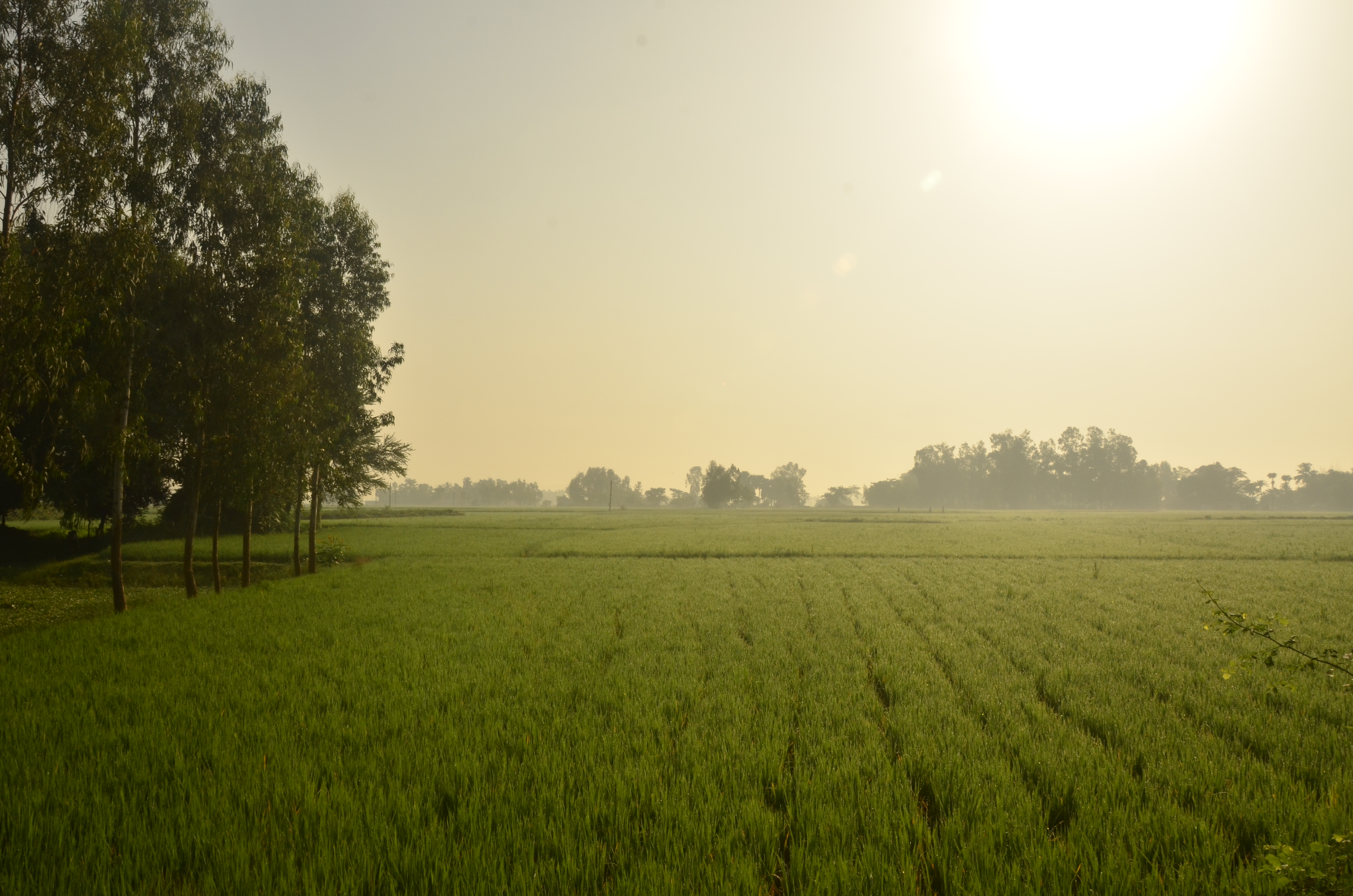
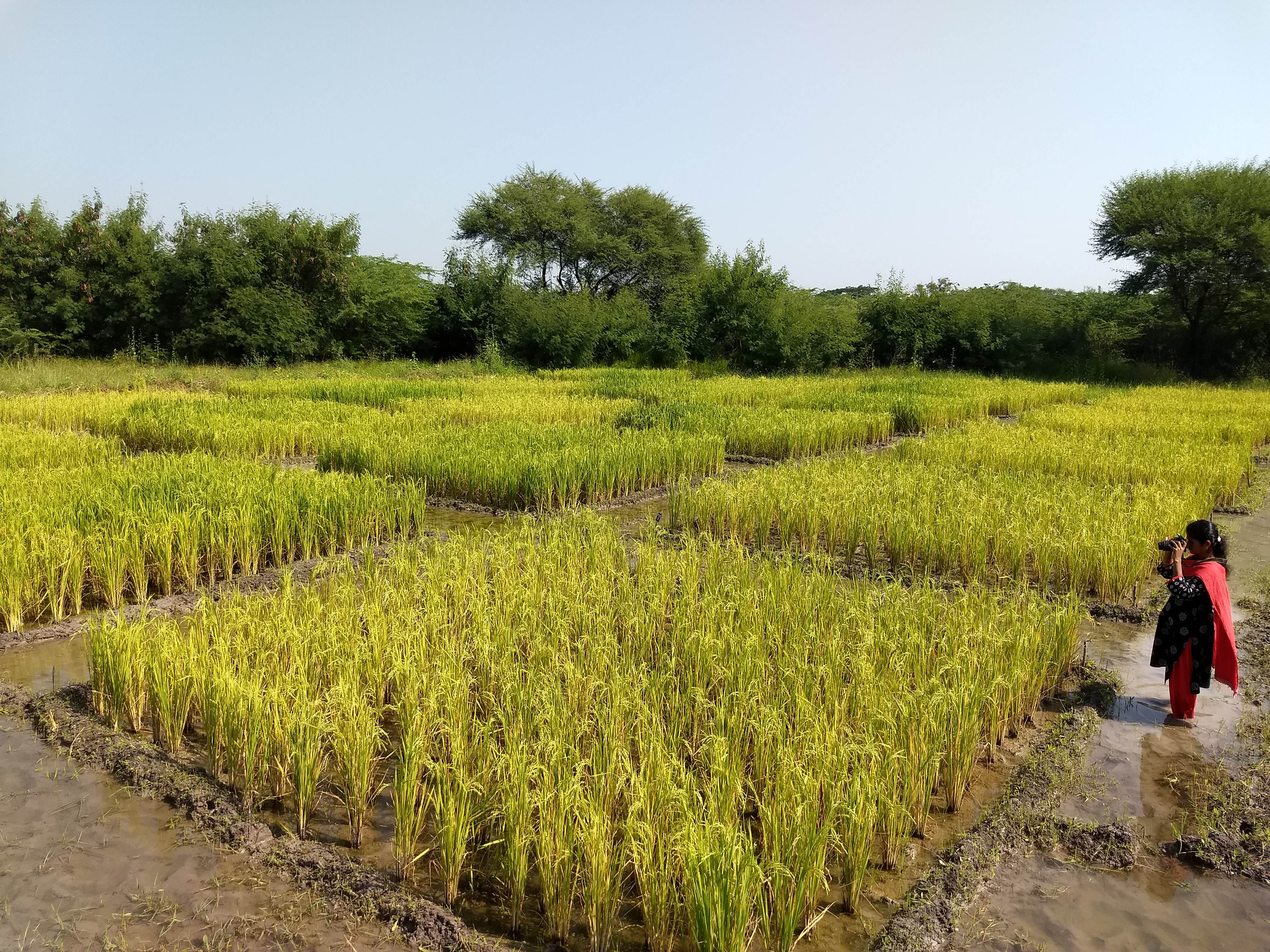
Agriculture officials in Kalna, a subdivision of Purba Bardhaman district in the Indian state of West Bengal, began field trials of 21 rice varieties in September 2019 in search of alternatives to Lalswarna, the paddy variety most farmers in the district had grown for many years. The Kolkata daily Anandabazar Patrika reported that at the Kalna subdivision agriculture farm, experts had divided about two bighas of land into a large number of small plots, each sown with a different kind of rice seed.
The farm said the trials had two aims: to find varieties that keep their nutritional value while yielding well, and to find shorter-duration paddy that leaves farmers time to sow potatoes, mustard and other winter crops on schedule. One more variety, Ranidhan, which looks like Lalswarna, was under study at the same farm.
Why officials wanted an alternative to Lalswarna
According to the report, because most farmers in the district had grown Lalswarna for a long time, pest and disease attacks on the crop were increasing and yields were falling. The variety also takes long to mature: agriculture experts said Lalswarna needs 135 to 140 days. That late harvest meant farmers could not start potatoes, mustard and other crops of the rabi (winter) season on time. When those crops went in late they suffered more pest and disease attacks, and the cost of cultivation rose.
Subrata Ghosh, the assistant agriculture officer (agricultural research) in Kalna, told the newspaper: "Growing the same variety of paddy for many years causes various problems. This is happening with Lalswarna too. Trials of different varieties are being run at the agriculture farm so that farmers can be given a range of rice varieties as alternatives."
Officials also acknowledged the pull of habit. Farmers, they said, had a long-standing attachment to Lalswarna.
Plant protection advice from rice agencies points the same way. Thailand's Bureau of Rice Research and Development, in guidance on sheath rot reproduced in the CABI Plantwise factsheets for farmers, recommends using disease-free seed and plants, regular monitoring of fields and avoiding monocropping with any one rice variety, suggesting that at least two varieties be planted in the same field.
India's own rice programmes also favoured newer seed. The operational guidelines of the central government's Bringing Green Revolution to Eastern India programme, issued in January 2015, allowed assistance on high-yielding rice and wheat seed only for varieties "not older than 10 years". The assistance was set at Rs 10 per kg or 50 per cent of the cost, whichever was less, and Rs 50 per kg or 50 per cent of the cost for hybrid rice, with a limit of 2 hectares for each farmer.
Seven varieties chosen for their nutritional value
The farm explained that the first purpose of the trials was to see how well varieties with good nutritional value would yield. The state agriculture department said the rice then commonly grown lost much of its nutritional value because the outer layer of the grain was removed in milling.
Seven of the varieties on trial were chosen for their nutritional qualities, among them Pushpa, Kaushalya and BPT 5204. Agriculture officials told the newspaper that Pushpa and Kaushalya were rich in iron and that BPT 5204 was rich in zinc. They said these three varieties were as high-yielding as Lalswarna, giving about five and a half tonnes of paddy per hectare.
BPT 5204 is better known in India as Samba Mahsuri. It was developed in the 1980s at the Agricultural Research Station in Bapatla, Andhra Pradesh, part of Acharya N G Ranga Agricultural University, and is a medium-duration rice with medium slender grains and good cooking quality, popular with farmers in southern India. Because it is susceptible to bacterial leaf blight, scientists of the Centre for Cellular and Molecular Biology and the Indian Institute of Rice Research bred Improved Samba Mahsuri, which carries three bacterial blight resistance genes (Xa21, Xa13 and Xa5); in 2009 frontline demonstrations of that improved version were held in West Godavari district of Andhra Pradesh, where BPT 5204 was the popular variety.
What milling takes out of the grain
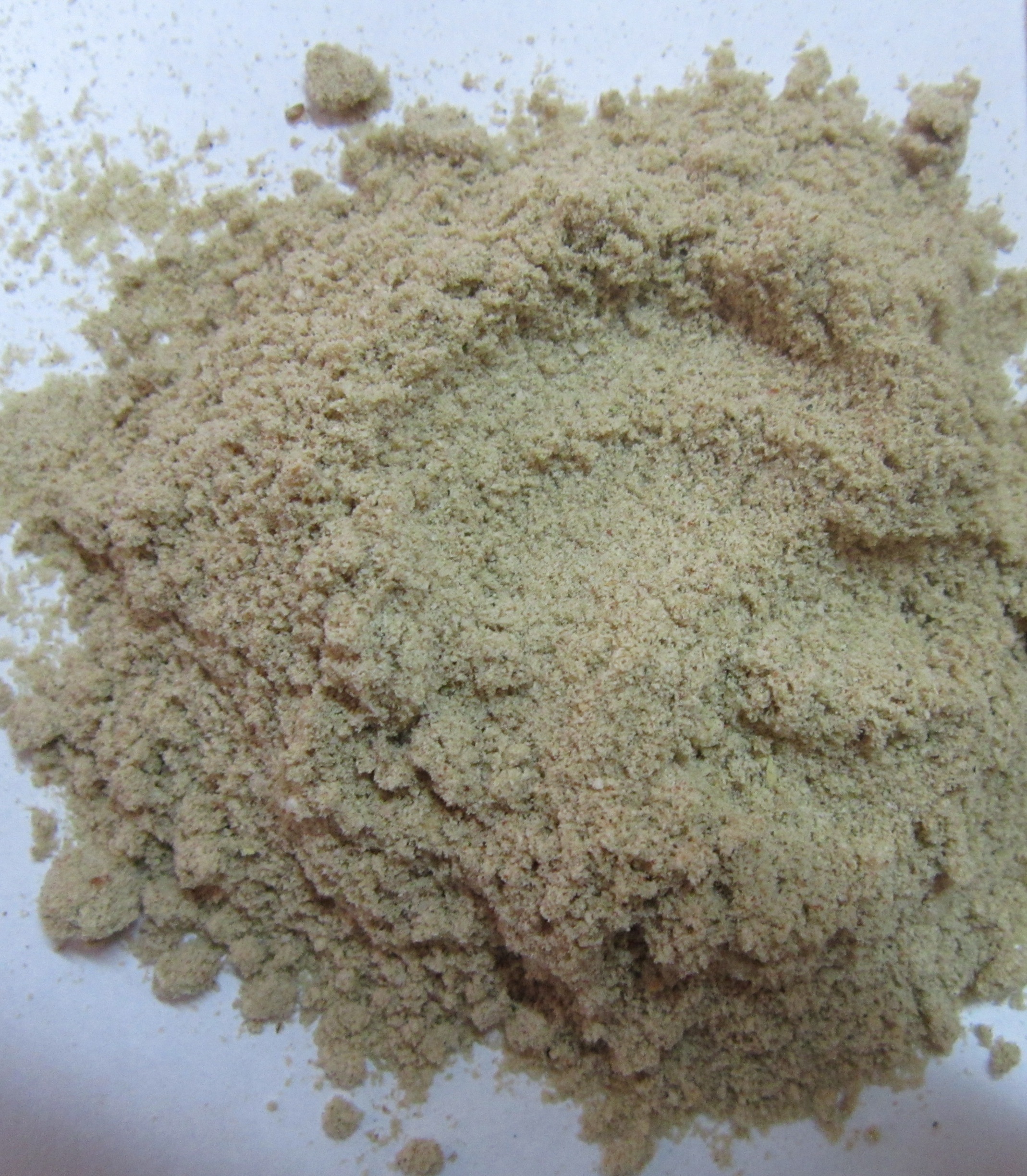
The department's point about milling is well documented. In Rice in Human Nutrition, the Food and Agriculture Organization of the United Nations explains that milling to remove the pericarp, seed coat, aleurone layer and embryo causes losses of fat, protein, ash, thiamine, riboflavin and niacin. The B vitamins are concentrated in the bran layers, as is vitamin E, and the minerals are also concentrated in the outer layers of brown rice and in the bran.
The FAO book gives the figures. By calculation, 65 per cent of the thiamine (vitamin B1) of brown rice is in the bran, 13 per cent in the polish and 22 per cent in the milled rice. For riboflavin the shares are 39, 8 and 53 per cent, and for niacin 54, 13 and 33 per cent. The ash, or mineral matter, of brown rice is 51 per cent in the bran, 10 per cent in the germ, 10 per cent in the polish and 28 per cent in the milled rice, and iron, phosphorus and potassium show a similar distribution. Some minerals are spread more evenly: milled rice keeps 63 per cent of the sodium and 74 per cent of the calcium of brown rice.
In the FAO's table of milling fractions, at 14 per cent moisture, brown rice contains 0.2 to 5.2 mg of iron and 0.6 to 2.8 mg of zinc per 100 g, milled rice 0.2 to 2.8 mg of iron and 0.6 to 2.3 mg of zinc, and rice bran 8.6 to 43.0 mg of iron and 4.3 to 25.8 mg of zinc.
Why iron and zinc matter in West Bengal
The search for nutrient-rich rice came against a background of widespread anaemia in the state. A policy note on West Bengal published in November 2017 by POSHAN, a nutrition research initiative led by the International Food Policy Research Institute, used the National Family Health Survey-4 (2015-16) fact sheets to compare a decade of data. It found that anaemia among women of reproductive age had decreased only slightly, from 63.2 per cent in 2006 to 62.5 per cent in 2016.
The same note found that anaemia among women varied widely across districts, from 46.4 per cent in Kolkata to 80 per cent in Puruliya, and that 12 of the 19 districts covered had very high prevalence, above 60 per cent. Stunting among children under five in the state fell from 44.6 per cent to 32.5 per cent over the decade, while wasting rose from 16.9 per cent to 20.3 per cent.
The Kalna officials did not present the trial varieties as a treatment for any condition, and anyone concerned about anaemia should consult a doctor.
Short-duration paddy to free the fields for winter crops
The second group of varieties on trial was chosen for speed. Agriculture experts said that while Lalswarna takes 135 to 140 days, several other varieties, including Muktashri, Sukumar, Manisha, Bhupesh, Ajit and Purulia 1, can be harvested at least 20 days earlier. If farmers grew such short-duration paddy, the experts said, they would be able to start the rabi season on time.
The agriculture department said a number of farmers had already grown Ajit under the Bringing Green Revolution to Eastern India programme, and Muktashri in Manteswar block. Further trials on these short-duration varieties had also begun.
Muktashri (IET 21845) was developed by the Rice Research Station at Chinsurah, which works under West Bengal's agriculture department, together with the National Botanical Research Institute in Lucknow. It has been shown to take up a lower amount of arsenic from soil and groundwater than other rice varieties.
The timing matters because the district's farming calendar is built around rice. In Purba Bardhaman, rice is grown in three seasons, as aus in autumn, aman in winter and boro in summer, and cash crops such as mustard, til (sesame), jute and potatoes are grown alongside cereals and pulses. In the undivided Bardhaman district, aman made up 64.32 per cent of the area under paddy, boro 32.87 per cent and aus 2.81 per cent, according to district agricultural statistics.
Potatoes are a major crop in Kalna too. In 2013-14, the Kalna I block produced 36,365 tonnes of aman paddy, the main winter crop, from 11,875 hectares, 20,786 tonnes of boro paddy from 5,285 hectares, 23,084 tonnes of jute from 1,045 hectares and 23,876 tonnes of potatoes from 2,376 hectares, as well as pulses and oilseeds. As the Kalna experts explained, a long-duration paddy crop delays the sowing of potatoes and mustard, the problem the short-duration trials were meant to address.
The programme behind the Ajit plots
Bringing Green Revolution to Eastern India, known as BGREI, grew out of a task force the Government of India set up after a meeting of the Committee of Secretaries on 29 November 2009. The programme began in 2010-11 to address the constraints limiting the productivity of rice-based cropping systems in seven states: Assam, Bihar, Chhattisgarh, Jharkhand, Odisha, eastern Uttar Pradesh and West Bengal. Its stated goal was to harness eastern India's underused water potential to raise rice production.
The 2015 guidelines list four objectives: to raise rice and wheat production and productivity through the latest crop production technologies; to promote cultivation in rice fallow areas to increase cropping intensity and farmers' incomes; to create water harvesting structures and use water efficiently; and to promote post-harvest technology and marketing support. Among its strategies were popularising newly released high-yielding cultivars and hybrids, bringing rice fallows under cultivation through a cropping-system approach, and popularising stress-tolerant rice varieties.
The programme's main tool was the cluster demonstration. Each rice or wheat cluster was to cover at least 100 hectares, or sub-clusters of at least 50 hectares in one village where a contiguous block was not available, with at least 0.4 hectare and not more than 2 hectares of each farmer's land included. Thirty per cent of the funds earmarked for rice demonstrations were reserved for stress-tolerant varieties, and at least 30 per cent of rice demonstrations were to follow a cropping-system approach, with a second crop such as wheat, coarse cereals, pulses or oilseeds grown on the same plot after rice. The Central Rice Research Institute in Cuttack was the nodal agency for technical backstopping and monitoring. Because BGREI followed a cropping-system approach, its farmer training was organised in four sessions: one at the beginning of each of the kharif and rabi seasons and one during each season, given by crop specialists of agricultural universities, Krishi Vigyan Kendras and ICAR institutes to groups of 30 farmers.
Ranidhan, a lookalike that tolerates sheath rot
Alongside the 21 varieties, research was under way at the Kalna farm on a variety called Ranidhan. Officials said Ranidhan looks like Lalswarna. Unlike Lalswarna, they said, Ranidhan is tolerant of sheath rot (in Bengali, kholapocha) and also yields well. Farmers in the Kankuria panchayat area of the Kalna I block had already grown it on about a hundred bighas.
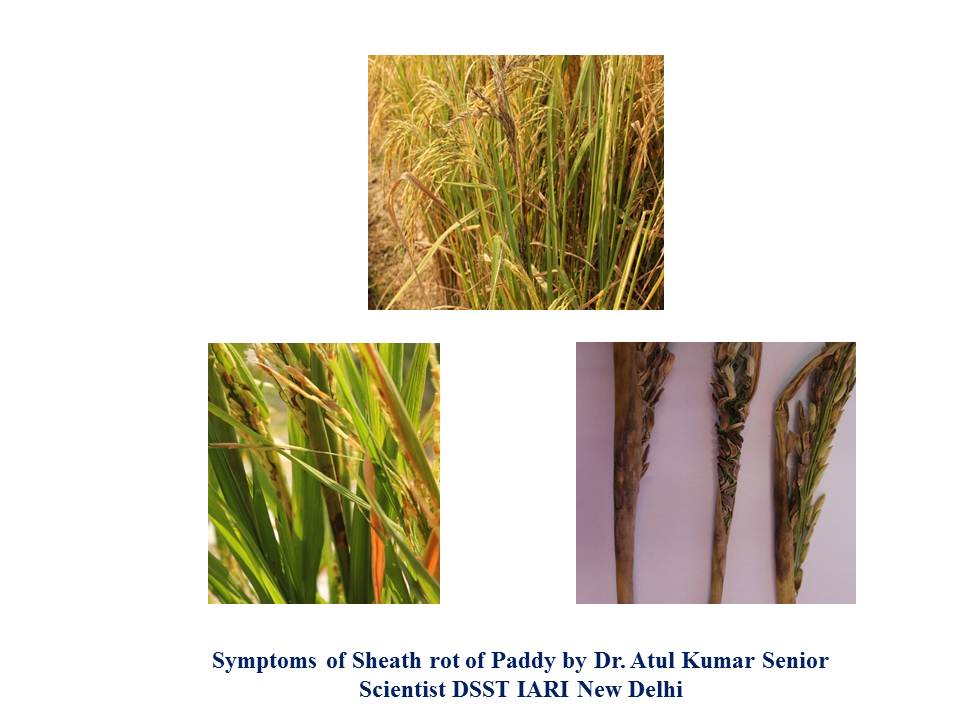
Sheath rot is a fungal disease of rice. The pathogen most often reported, Sarocladium oryzae, attacks the uppermost leaf sheath that encloses the young panicle. A 2015 review in the journal Frontiers in Plant Science described it as an important emerging threat to rice production and reported that yield losses from S. oryzae can range from 20 to 85 per cent. The rot causes oblong spots that often merge; the young panicles may stay inside the sheath or emerge only partly, and the grains that form are chaffy and discoloured. The fungus is most destructive after the booting stage. A rice disease marked mainly by rotting of the sheaths was first reported in Taiwan around a century before the review was written.
The review's authors wrote that breeding for resistance seems the best option, though it is limited by the disease's multiple causal agents, and that control should follow an integrated pest management approach: using healthy seed, since the disease is described as seed-borne, keeping insect numbers down, avoiding dense planting and heavy nitrogen use, and managing crop residues and weeds. Farmers who suspect the disease in their crop should consult their block agriculture office for local advice.
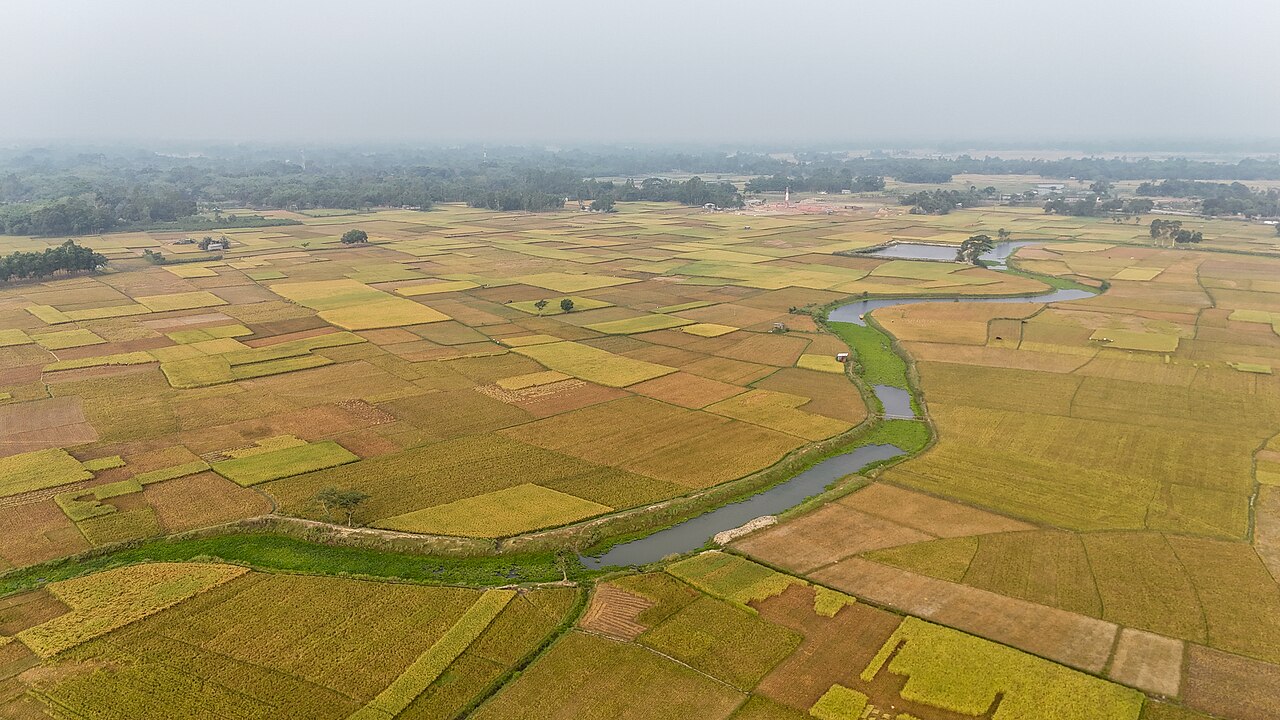
Kalna and its farmland
Kalna, also called Ambika Kalna, is a town on the western bank of the Bhagirathi river, about 60 kilometres from Bardhaman and 81 km by rail from Howrah. It is the headquarters of the Kalna subdivision and is known for its historic monuments, among them the Rajbari (palace) and a group of 108 Shiva temples; the town reached its height in the late 18th century under the patronage of the Maharajas of Bardhaman, who built several temples with terracotta ornamentation. At the 2011 census the town had a population of 56,722.
The subdivision lies mostly in the Bhagirathi basin, with its western part reaching into the Bardhaman plain. It has five community development blocks, Kalna I, Kalna II, Manteswar, Purbasthali I and Purbasthali II, with 47 gram panchayats. Its population at the 2011 census, counted for the area as it stood after the district was divided in 2017, was 1,087,732.
Kankuria, where Ranidhan was being grown, is one of the nine gram panchayats of the Kalna I block. The block covers 169.08 square kilometres along the Bhagirathi, which forms its eastern boundary; its soil, mainly silt deposits, is fertile, and the area has many swamps and waterlogged patches. In 2011 its population was 206,945, and among its workers 15.15 per cent were cultivators and 47.03 per cent agricultural labourers. In 2013-14, 11,050.53 hectares of the block were irrigated, 6,489 hectares of them by canal water. In 2003-04 the net cropped area of the Kalna I block was 14,068 hectares, and more than one crop was grown on 11,348 hectares of it.
Manteswar, where farmers had grown Muktashri, lies in the Bardhaman plain, between the Bhagirathi to the east, the Ajay to the north-west and the Damodar to the west and south, and has recent alluvial soils. The block covers 305.19 square kilometres and had a population of 237,398 in 2011, all of it rural.
Purba Bardhaman district itself was formed on 7 April 2017, when the old Bardhaman district was divided. The undivided district was the largest producer of rice in West Bengal, and most of that rice came from what became Purba Bardhaman. Irrigation from the Damodar Valley Corporation's projects, introduced in 1953, turned a largely monsoon-dependent agriculture into intensive cropping, and the undivided district had the most irrigated land of any in the state.
West Bengal's rice in figures
The Reserve Bank of India's Handbook of Statistics on Indian States, released in March 2019 with figures from the Ministry of Agriculture and Farmers Welfare, recorded West Bengal's rice production at 15,302.5 thousand tonnes in 2016-17, the highest of any state in the table, against 13,754.0 thousand tonnes in Uttar Pradesh and 11,586.2 thousand tonnes in Punjab. India's total that year was 109,698.4 thousand tonnes. The state's output had been 15,953.9 thousand tonnes in 2015-16 and 15,370.7 thousand tonnes in 2013-14.
The same handbook shows how intensively West Bengal's land is used: the state's cropping intensity stood at 188.5 in 2015-16, compared with 162.4 in 1990-91. Cropping intensity is the gross cropped area expressed as a percentage of the net sown area, so a figure above 100 shows land being cropped more than once in a year.
Photo: Sohom data / Wikimedia Commons (CC BY-SA 4.0)
Sources: Anandabazar Patrika, Department of Agriculture and Cooperation (Government of India), Reserve Bank of India, Food and Agriculture Organization of the United Nations, Frontiers in Plant Science, POSHAN (International Food Policy Research Institute), IRRI Rice Today, Wikipedia
Comments
(0)