
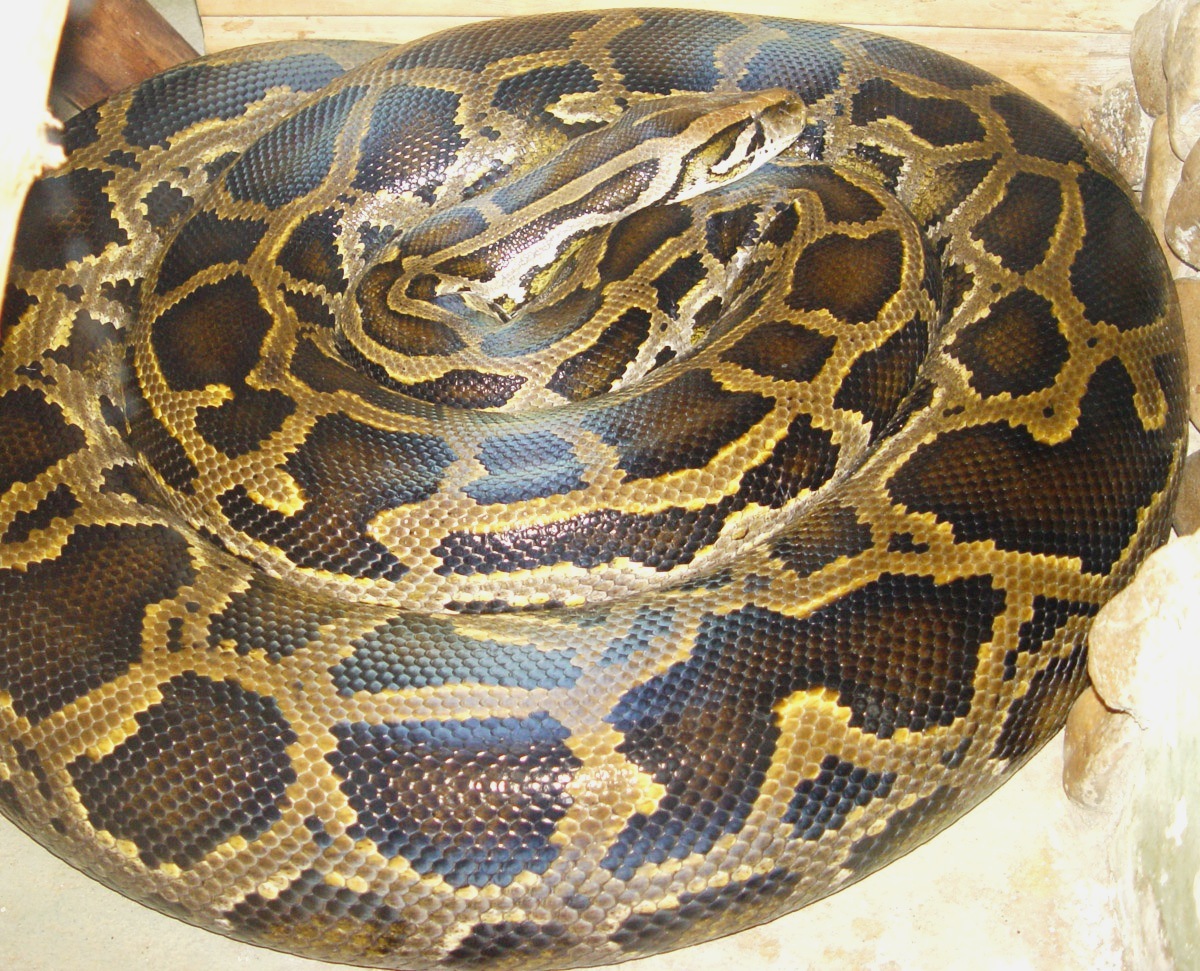
A python that became entangled in a fishing net in Kalmakanda upazila of Netrokona was rescued and released into the forest by the Forest Department in July 2026. According to a Jagonews24 report of 16 July, the snake was caught in fishermen's net on the afternoon of Wednesday, 15 July, near Senpara Government Primary School in Kharnoi union. It was about 8 feet long and weighed 11 kg.
Rescue and release
Citing local sources, the report said Forest Department staff led by Md Samiul Islam Siam, officer of the Lengura forest beat, reached the spot on Thursday morning and rescued the snake. It was then released into the Kanthalbari forest near the Lengura border.
Siam said at the time that killing wild animals is a punishable offence, and urged people who find a wild animal near their homes not to kill it but to inform the Forest Department quickly.
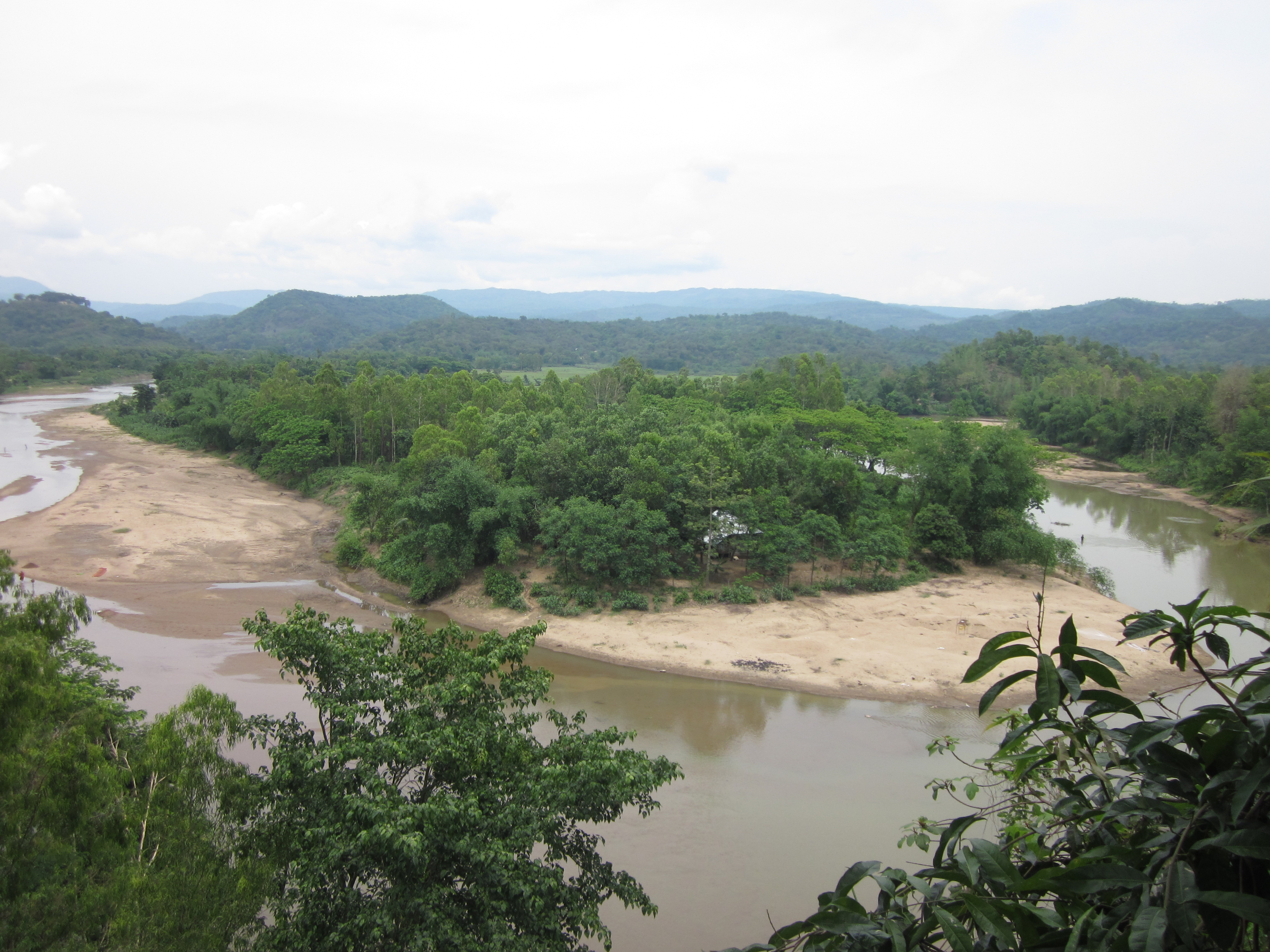
Kalmakanda, a border upazila
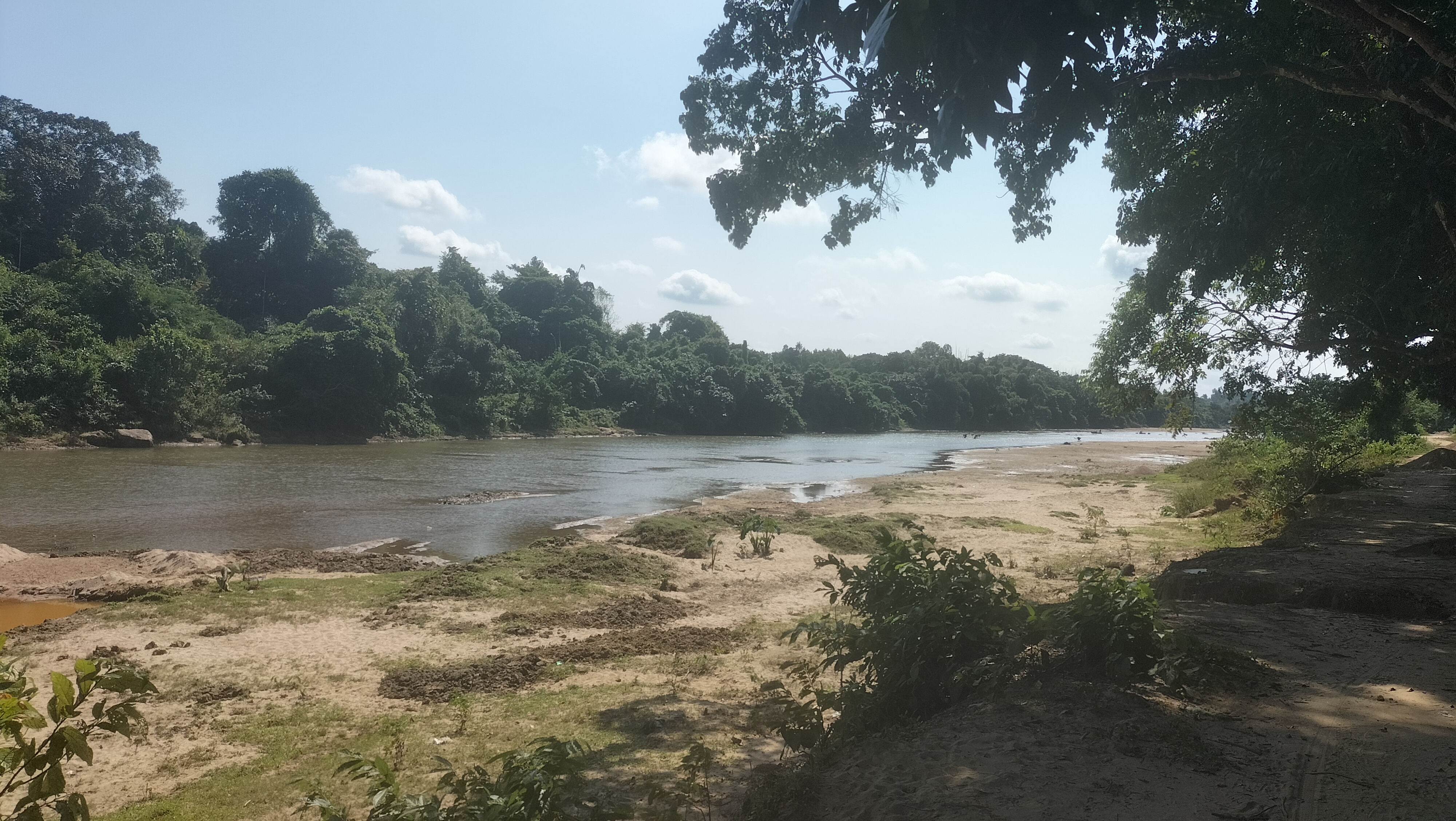
Kalmakanda is an upazila of Netrokona district in Mymensingh division, covering 377.41 square kilometres. It borders the Indian state of Meghalaya to the north, Barhatta and Netrokona Sadar to the south, Dharmapasha to the east and Durgapur to the west. Kharnoi and Lengura are two of its eight unions, and rivers including the Ganeshwari, Someshwari, Mahadev, Mangaleshwari and Updakhali run through the area. The 2022 census counted 271,348 people in the upazila.
What kind of snake a python is
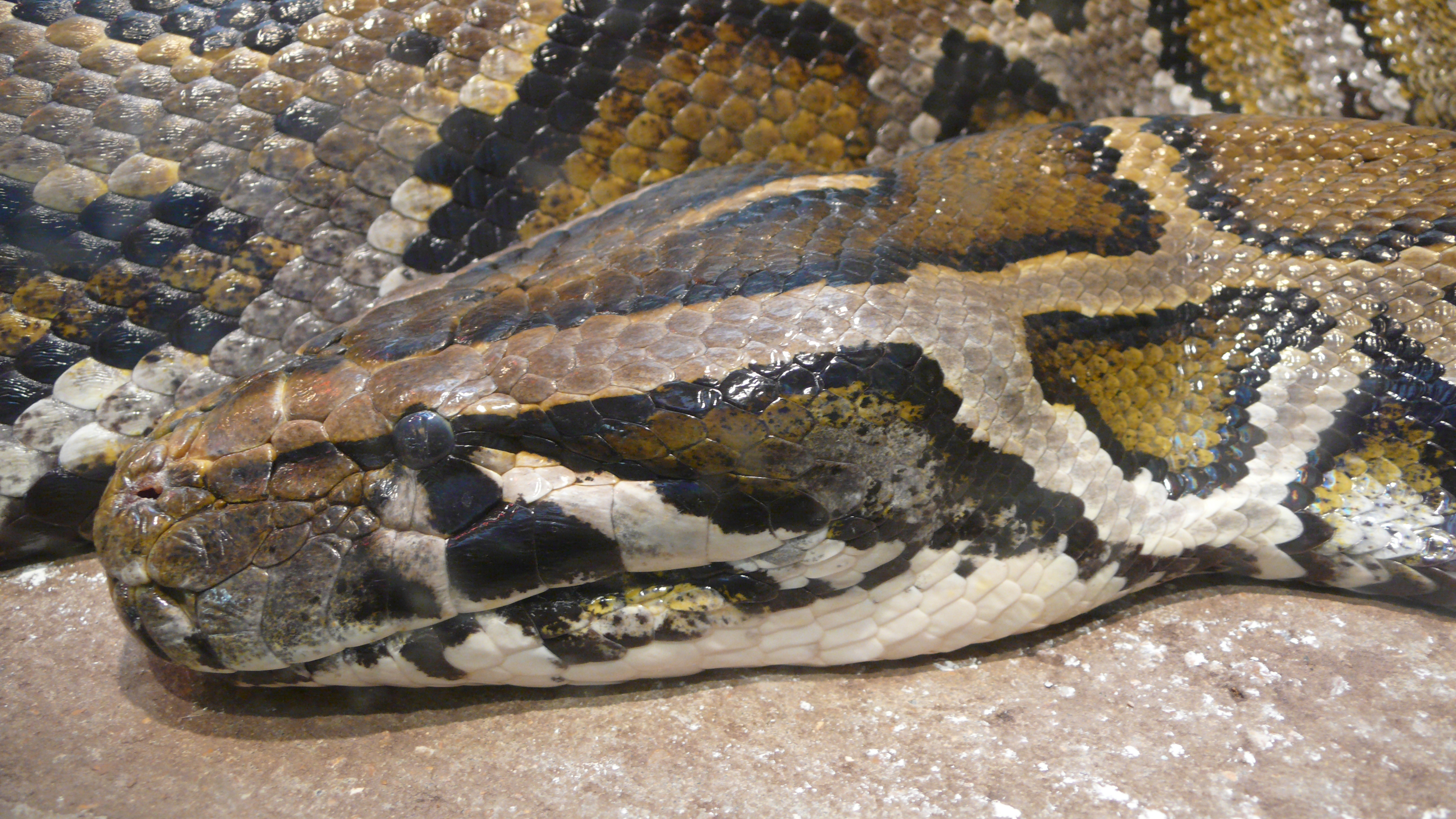
The report did not name the species of the rescued snake. One python native to Bangladesh is the Burmese python (Python bivittatus); the IUCN Global Invasive Species Database (GISD) lists Bangladesh within its native range. It kills its prey by constriction and swallows it whole. Its diet is mainly birds and mammals, though it also takes amphibians and reptiles.
The species lives in forests, grasslands, marshes, swamps, river valleys and rocky foothills and needs a permanent source of water. The GISD describes it as an excellent swimmer and climber that can stay underwater without breathing for as long as half an hour. In the wild it typically grows to 5 metres (16 feet). It is listed as Vulnerable on the IUCN Red List, threatened mainly by habitat loss and over-harvesting for the skin trade.
What the law says
Under section 6 of Bangladesh's Wildlife (Conservation and Security) Act, 2012, no one may hunt a wild animal without a licence or permit. Section 39 sets the penalty for breaching that provision at up to one year in prison, a fine of up to 50,000 taka, or both, with heavier penalties for a repeat offence.
The Forest Department's Wildlife Crime Control Unit (WCCU) runs a hotline for reporting the illegal capture, killing, eating, sale, trafficking or possession of wildlife, and says callers' identities are kept confidential.
Photo: Mariluna / Wikimedia Commons (CC BY-SA 3.0). The lead picture shows a Burmese python for illustration, not the snake rescued in Kalmakanda.
Sources: Jagonews24, Wikipedia (Kalmakanda Upazila and Burmese python), IUCN Global Invasive Species Database, Wildlife (Conservation and Security) Act 2012 (Legislative and Parliamentary Affairs Division), Bangladesh Forest Department
Comments
(0)