
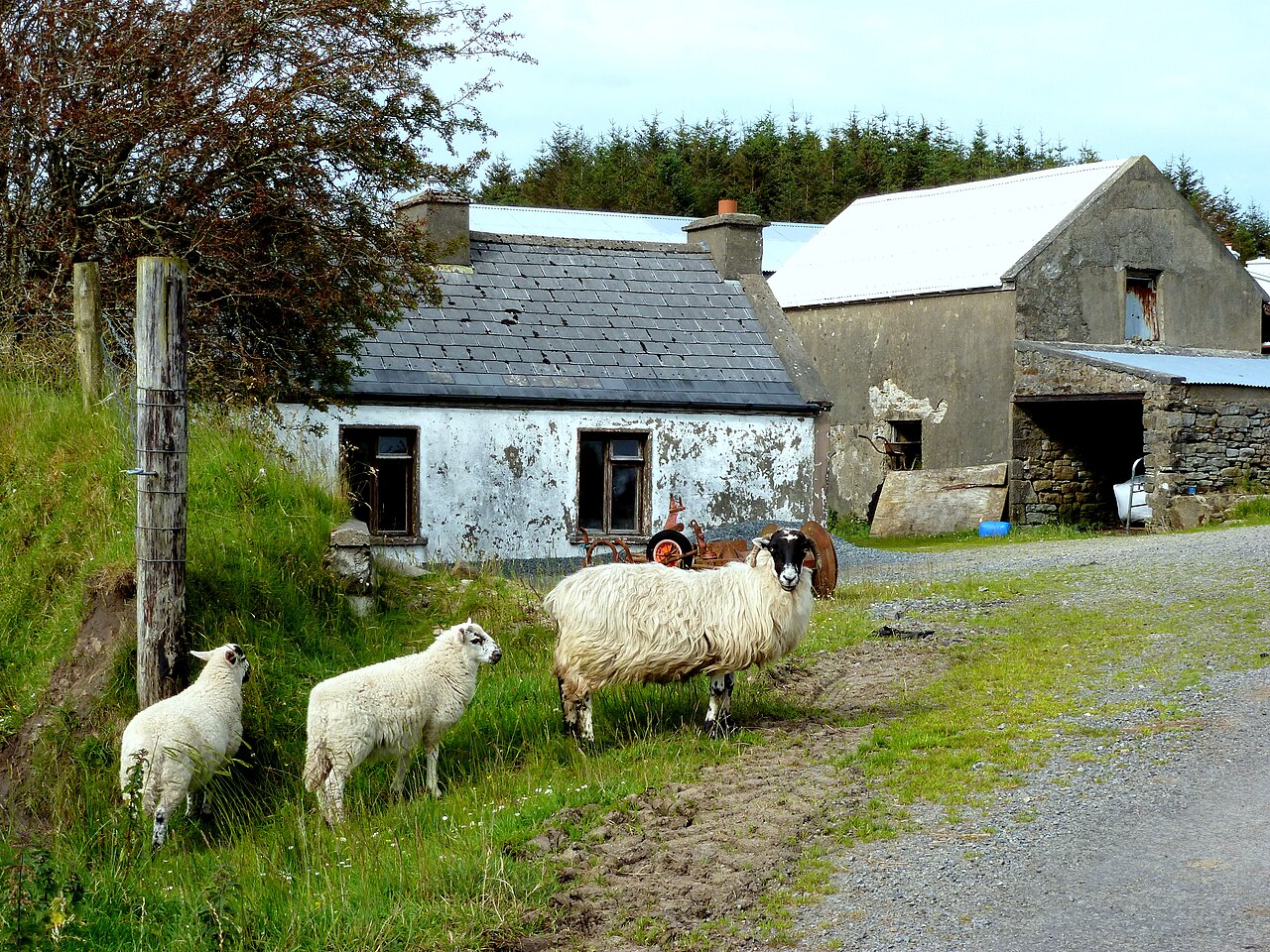
Low incomes and a negative public image are the main reasons farming fails to attract young people in Ireland, according to a report by the European Commission's Joint Research Centre (JRC), "Who is willing to take up farming in Ireland?", based on a survey of 885 people aged 18 to 40.
Ireland's farm population is ageing as in the rest of the EU: less than 1% of farms are managed by people under 25 and 14% by people under 40 (12% across the EU), while 31% of farmers are over 65. Among the young respondents, 93% said farming is important to society today and 46% said they would like to belong to the farming world, but only 42% believe farmers enjoy a good quality of life.
Some 52% think farmers earn a low income and 42% see farming as worse paid than their other options; 46% think farmers have a worse public image than workers in other sectors. Large majorities said farming should take account of environmental protection (81%) and ethical concerns such as animal welfare (85%).
Only 5.5% have concrete plans to become farmers, rising to 10.5% among those with a farming family and falling to 2.3% for those without; 15.8% have considered farming as a career. Those considering it were drawn by a passion for nature (55%), outdoor work (39%) and self-sufficiency (36%), and half of them would farm part time; livestock was the most common planned activity (45%). High start-up costs (36%) were the main deterrent for those not interested.
The authors said people from farming families are nearly five times more likely to pursue farming, and that rural areas, though they show the highest actual transition into farming, do not show the highest interest, suggesting proximity alone does not drive it. They called for systemic change to make the sector more accessible, rewarding and aligned with modern aspirations.
Photo: louise price / Wikimedia Commons (CC BY-SA 2.0)
Source: Agriland

Comments
(0)