
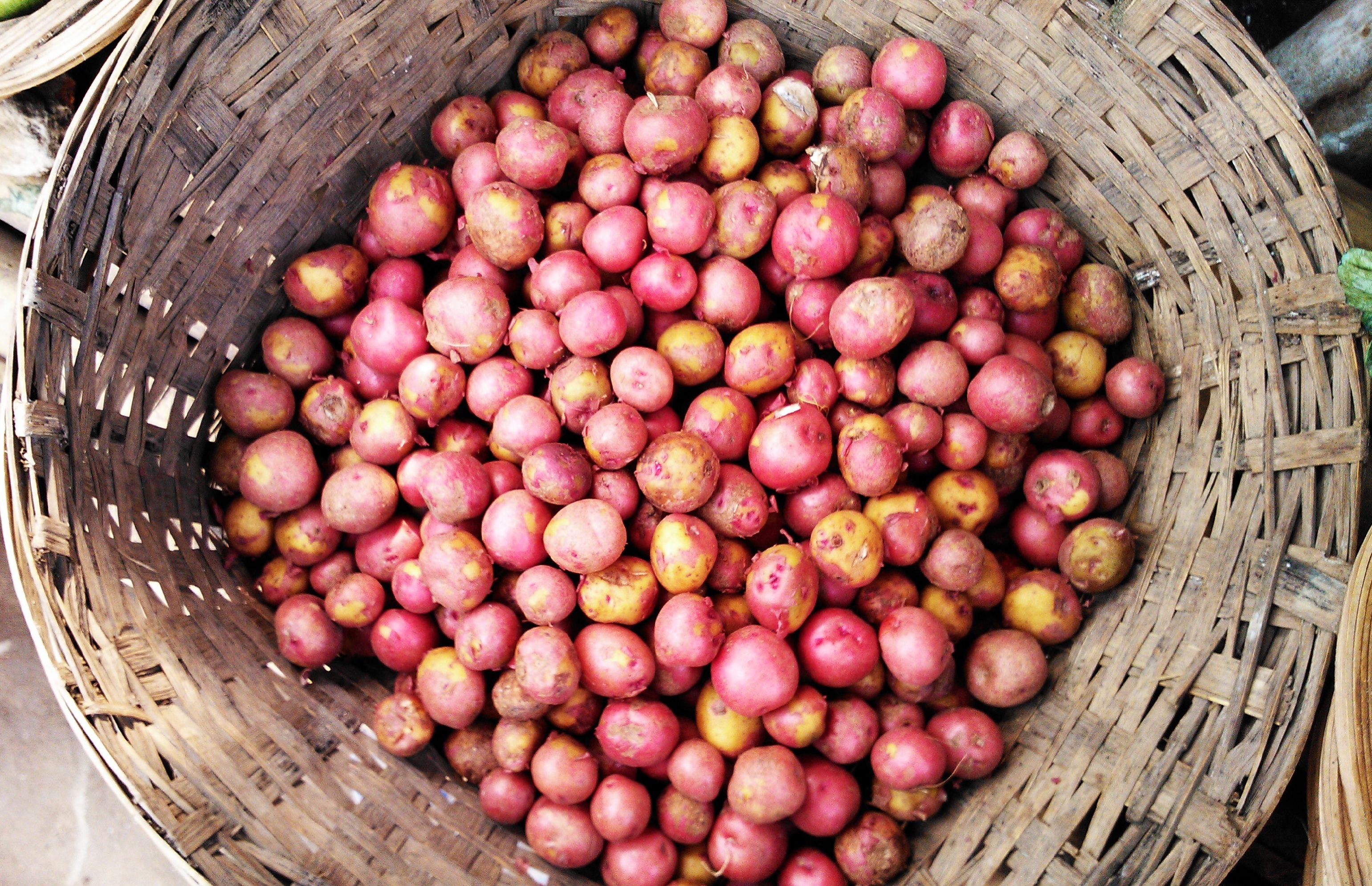
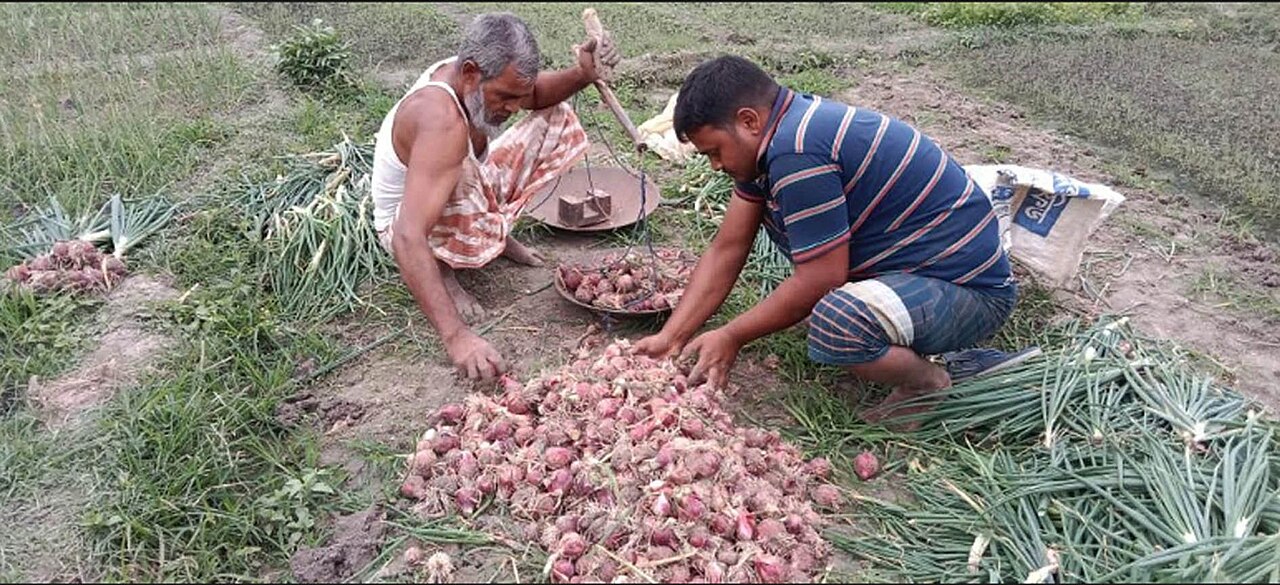
Potato growers in Joypurhat, one of Bangladesh's leading potato districts, had begun boiling their unsold potatoes and feeding them to their cattle by mid-April 2025, because the price in the market had fallen below what it cost them to grow the crop. Jagonews24's Joypurhat correspondent reported on 15 April 2025 that the practice had spread to all five upazilas of the district. A government livestock officer warned in the same report that feeding cattle large amounts of potato, especially raw potato, could make the animals ill.
The story was the local face of a national problem. Bangladesh planted a record area of potatoes for the 2024-25 season after the high prices of the previous year, the harvest was large, cold stores filled up early, and the price that farmers received fell well below the cost of production through February, March and April 2025.
Joypurhat's potato season in figures
Joypurhat's land and climate are especially suited to potatoes, and as a farming district it grows a great deal of them, the report said. According to the district office of the Department of Agricultural Extension (DAE), the target for the 2024-25 season was 40,000 hectares of potatoes. Farmers actually planted 43,470 hectares, more than the target.
The DAE figures broke the area down by upazila:
- Kalai: 10,905 hectares
- Khetlal: 9,220 hectares
- Panchbibi: 8,945 hectares
- Joypurhat Sadar: 7,800 hectares
- Akkelpur: 6,600 hectares
The district's production target for the season was 956,000 tonnes. Agriculturist Rahela Parvin, deputy director of the DAE in Joypurhat, told Jagonews24 why the area had grown: "Farmers got a good price for potatoes last year, so more land was planted this time. With no major natural disaster, there has been a bumper potato crop."
Joypurhat was not alone in that. The Daily Star, reporting on 12 February 2025, said farmers in Rangpur, Dinajpur, Thakurgaon, Bogura and Joypurhat had been lured by the high prices during the planting season in November 2024 and had expanded cultivation at an unprecedented rate. A DAE field-services director told the paper that so much land had never before been given to potato farming in the country, and the DAE's crops director put the large output down to favourable weather and the absence of late blight, a fungal disease of the crop.
Cold stores that cannot hold the crop
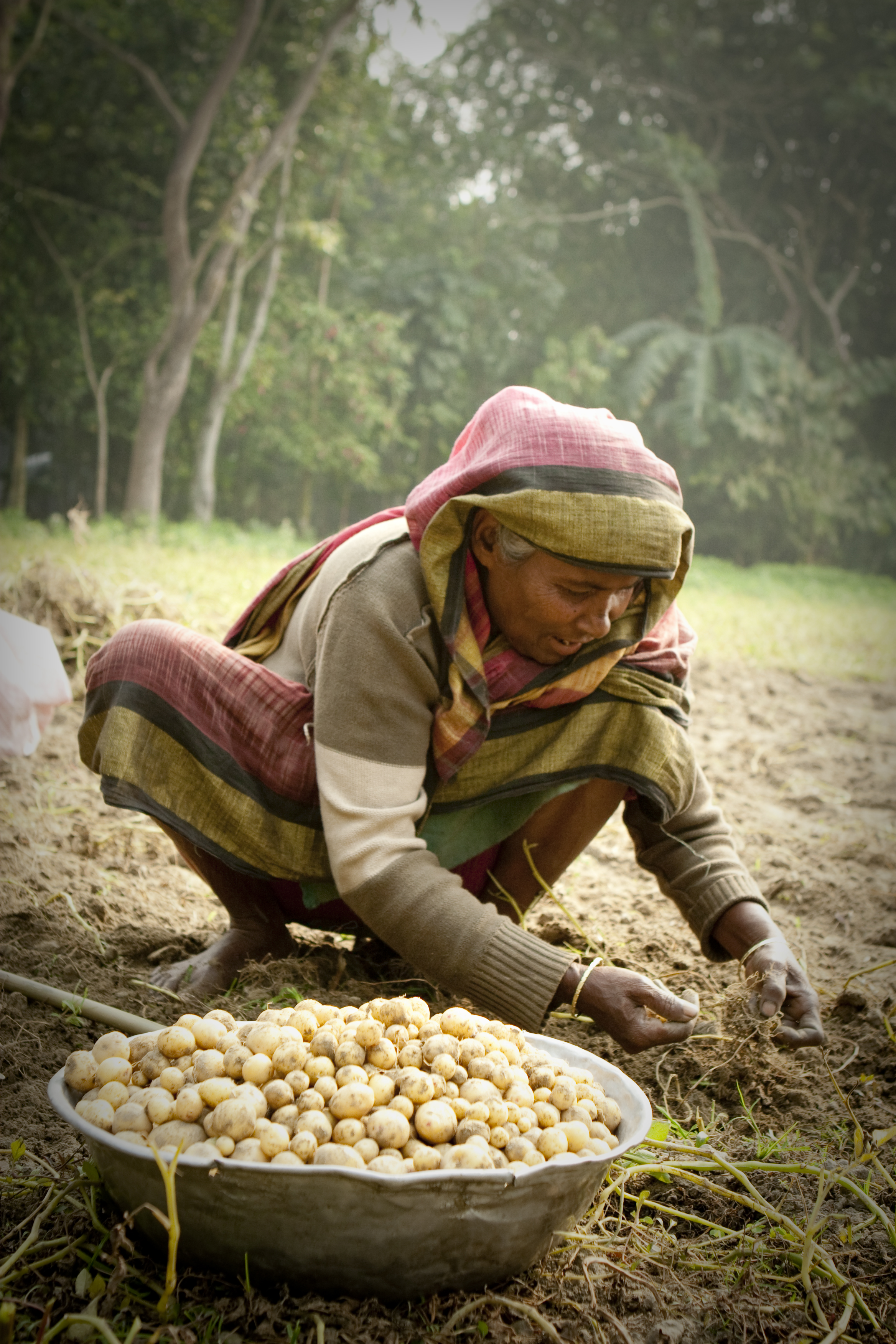
A potato harvested in February and March has to be sold quickly or kept cool until prices recover later in the year. In Joypurhat the room to keep it was far smaller than the crop. The district has 19 cold stores, large and small, and all of them store potatoes. Together they can hold only 192,000 tonnes: 130,000 tonnes of table potatoes and 62,000 tonnes of seed potatoes, the Jagonews24 report said, while the district's output had passed 900,000 tonnes.
The district itself needs about 60,000 tonnes of seed potatoes and about 40,000 tonnes of table potatoes, the report said. The rest of the crop has to leave the district or be stored, and growers could not store the surplus. The business daily Bonik Barta, in a report of 16 March 2025, likewise put Joypurhat's available cold storage capacity at about 200,000 tonnes.
The squeeze was regional. In a report published on 9 April 2025, The Business Standard's Bengali edition said cold storage owners counted 55 cold stores in Bogura and Joypurhat together, with a combined capacity of about 750,000 tonnes, and that farmers in Rangpur, Thakurgaon, Bogura and Joypurhat said about two-thirds of the potatoes grown in their areas had no place in cold storage. Some farmers were keeping potatoes at home instead; in Bogura the district administration had set up 67 bamboo and wooden platforms (machans), each able to hold 35 tonnes, to try traditional storage, the paper reported.
In the northern Rangpur division, The Daily Star said in an editorial on 11 March 2025, there were 101 cold storage facilities with a total capacity of 1.1 million tonnes, not enough for the demand for space. Hundreds of potato-laden trucks had been stranded on highways for days outside cold stores, especially in Dinajpur and Syedpur, and transporters had nearly doubled their charge from Tk 35 to Tk 65 a sack because of the waiting. Farmers alleged that storage operators gave preference to traders, while the operators blamed overwhelming demand for space, the editorial said.
Farmers turn to their cattle
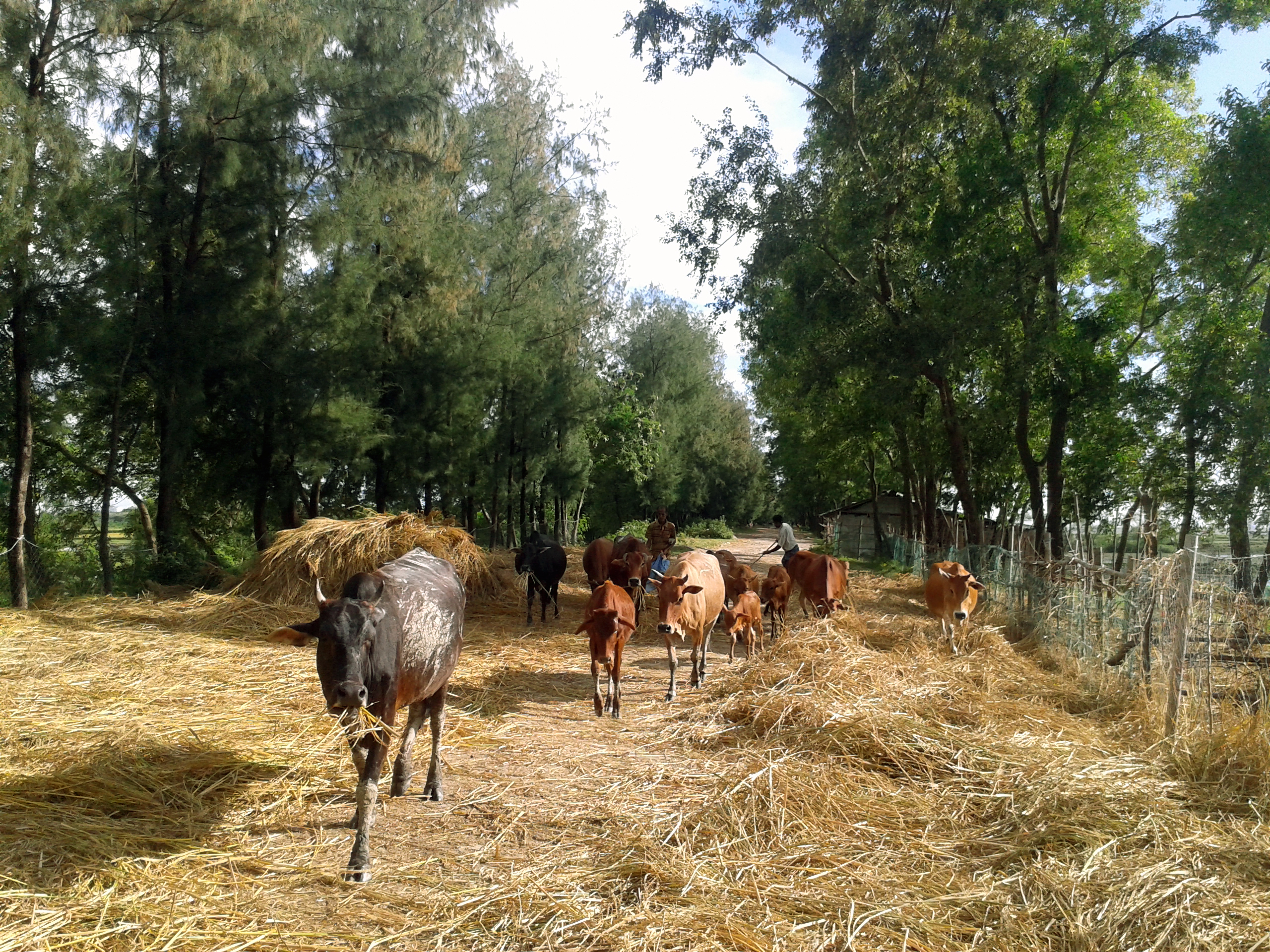
Rasel Hossain of Pathanpara village in Khetlal upazila told Jagonews24 that he had grown potatoes on 6 bighas. Because he could not book space in time, he had not been able to keep many of them in cold storage. Potatoes were then selling for Tk 8 to Tk 9 a kilogram, while his own cost of production was more than Tk 15 a kilogram, he said. So he was boiling potatoes and feeding them to his cattle, giving the animals more potatoes and less of their other feed.
In Barail village of Kalai upazila, Rozina Akter had made boiled potatoes part of the daily feed of her five cows, the report said. When she was short of time, she sometimes gave them raw potatoes instead.
Her husband, Mofidul Islam, said: "This time I grew the Stick variety of potato on 4 bighas (33 decimals to a bigha). It cost Tk 75,000. Because potato prices are low in the market, we are using them as alternative cattle feed."
It was not only Kalai and Khetlal, the correspondent wrote: potatoes were being used as cattle feed in all five upazilas of Joypurhat. Veterinarians, however, advised farmers not to use potatoes as cattle feed.
The prices those farmers quoted matched what other papers were finding across the north. The Daily Star's February report quoted a Joypurhat grower who had broken even by selling at Tk 10 a kilogram and described him as luckier than many, since farmers in several northern districts were getting as little as Tk 11 a kilogram against a DAE-estimated production cost of Tk 15. The Business Standard's April report put the production cost at Tk 14 to Tk 16 a kilogram and the price in the field at Tk 10 to Tk 12.
What the livestock and agriculture officers said
Dr Ziaur Rahman, livestock officer of Joypurhat Sadar upazila, explained the risk to Jagonews24. "Potato is a carbohydrate food. Feeding a lot of it can cause bloat in cattle, and feeding too many raw potatoes can cause other illnesses too," he said. "Pesticides are used on potatoes, so feeding raw potatoes to cattle can cause poisoning."
The upazila livestock officer, who works for the Department of Livestock Services (DLS), is the official a farmer can consult about feeding and animal health at upazila level, and farmers who want to use surplus potatoes as feed should ask that office how much their own animals can safely take.
Potatoes as cattle feed: what the FAO-backed feed reference says
Feeding potatoes to livestock is an old practice in potato-growing countries, and the Feedipedia animal feed information system, a programme run by the French research bodies INRAE and CIRAD, the French feed association AFZ and the Food and Agriculture Organization of the United Nations (FAO), has a datasheet on potato tubers as feed, last updated in June 2018. Its points help explain the officer's warning.
Feed-grade potatoes, the datasheet says, are usually culled tubers that did not meet market requirements because of size, appearance, disease or damage, or that were in oversupply, which is the situation Joypurhat's farmers were in. Potatoes are mainly a source of starch and have been compared with good maize silage as an energy feed for cattle, but they are low in protein and fibre. The datasheet therefore treats them as a replacement for part of the grain in a ration, not as roughage, and says they should be given with protein-rich feeds and roughage. Culled potatoes contain only about 16 to 25 percent dry matter, so most of their weight is water.
The same reference lists the risks:
- Choking: cattle can choke on whole potatoes, particularly small ones; chopping, slicing or crushing them, and keeping the animals' heads down while they eat, lowers the risk.
- Digestive upsets: feeding large amounts can send starch past the rumen to the lower gut, and because potatoes contain almost no fibre, a high share in a ration without enough fibre can upset the rumen.
- Loose dung: raw potatoes, with their high water content, may have a laxative effect, so they should be introduced gradually.
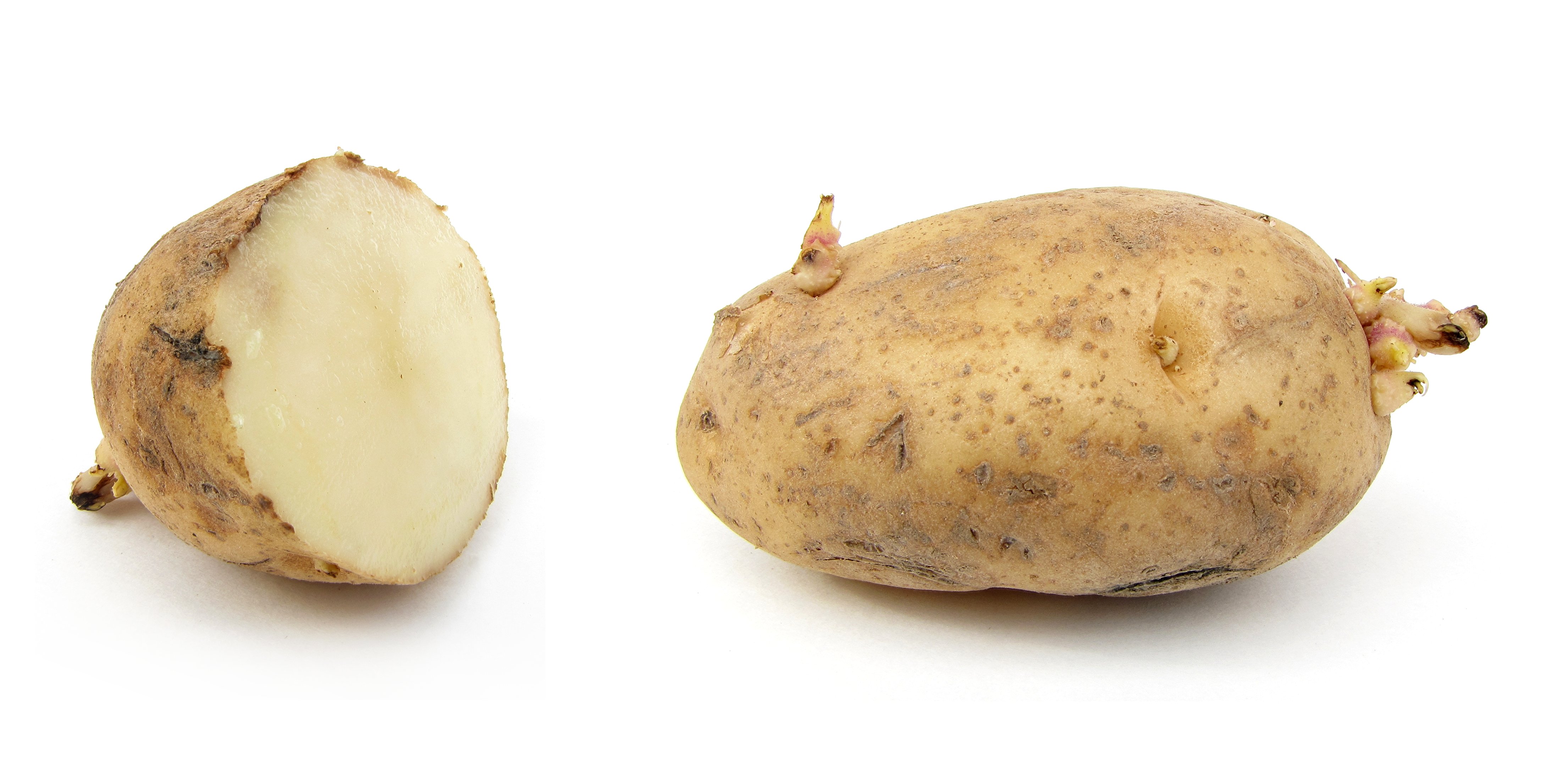
- Green and sprouted potatoes: like other members of the nightshade family, potatoes contain toxic glycoalkaloids, mainly solanine and chaconine; the levels rise sharply in sprouts and in peel turned green by light, so sprouts should be removed and green potatoes avoided or not fed in large amounts.
- Spoiled stock: frozen, dirty, rotten or decayed potatoes should not be fed to livestock at all.
On cooking, the datasheet says surplus potatoes, raw or cooked, suit most classes of livestock, that boiling or steaming gets the most value from the starch, and that the cooking water should be thrown away. It also notes that cooking greatly increases the speed at which the starch ferments in the rumen. Cattle are reported to learn to eat raw potatoes after an adaptation period of about two weeks. The datasheet cites a recommendation to keep potatoes to no more than 30 percent of a cattle ration on a dry-matter basis for the best performance. These are general findings from research abroad; the right amount for a particular cow depends on its size, its other feed and whether it is in milk, which is why the upazila livestock office is the place to ask.
A record national crop and falling prices
The national figures behind the slump were set out in The Daily Star's report of 12 February 2025. According to the DAE, potatoes were planted on 524,000 hectares in the 2024-25 season, 15 percent more than a year earlier. The Bangladesh Cold Storage Association (BCSA) projected output of 12 million tonnes, the Bangladesh Bureau of Statistics (BBS) estimated 10.6 million tonnes, and the DAE said the previous season's output had been close to 10.9 million tonnes. Annual national demand is about 9 million tonnes, the paper said.
The cost of growing the crop had also risen. The DAE estimated the production cost at Tk 15 a kilogram for the season, up by Tk 2 from the year before. Seed potatoes that had cost Tk 35 to Tk 40 a kilogram the previous season sold for as much as Tk 80 at planting time in October and November 2024, and cold storage charges were about Tk 4 a kilogram higher than the previous season, the paper reported.
The previous year's prices were the reason for the rush. Retail potato prices had reached as high as Tk 80 a kilogram in 2024, The Daily Star said, while in February 2025 the state-run Trading Corporation of Bangladesh (TCB) recorded Dhaka retail prices of Tk 20 to Tk 30 a kilogram. The government estimated that about 30 percent of the potato crop was lost because of inadequate storage facilities, the paper added. The DAE's crops director described the price fall as temporary at that time.
The Business Standard's Bengali edition, on 9 April 2025, cited the BBS figure of 10.431 million tonnes for the previous fiscal year's production and an annual need, including post-harvest losses, of about 9 million tonnes, and said the Bangladesh Cold Storage Association put the season's output about 40 percent above the year before.
The cold storage rent dispute
The glut arrived alongside a fight over what cold stores could charge. The Financial Express reported on 4 February 2025 that the Bangladesh Cold Storage Association had told its members to charge Tk 8 a kilogram, with a limit of 50 kilograms a sack. Previously sacks of up to 70 kilograms had been charged a flat Tk 350 each. Farmers said the rent had doubled from Tk 4 to Tk 8 a kilogram; the association said the rate had been Tk 7 the previous year. The association represented 405 cold stores, of which 365 were operating, with a maximum capacity of 4.5 million tonnes, compared with 2.5 million tonnes stored the previous year, the paper said.
After protests by farmers, the Department of Agricultural Marketing cut the rate by Tk 1.25 to Tk 6.75 a kilogram, Bonik Barta reported on 16 March 2025. The paper noted that under the Agricultural Marketing Act 2018 any change in storage fees must be made through a government gazette on the advice of the Director General of the Department of Agricultural Marketing, whereas the association had announced its increase at a press conference on 8 February. Farmers rejected the new rate and continued to protest, it reported.
The Daily Star's editorial of 11 March 2025 described the Tk 6.75 a kilogram limit as a government-imposed fee cap and said farmers wanted it cut to Tk 5. It also called for storage operators to keep the government-mandated 60:40 ratio of space for farmers and traders, and for more public and private cold storage capacity.
For a grower like those in Kalai and Khetlal, the dispute mattered directly: without a booking, the only choices were to sell at the field price, store at home or, as the April report found, feed the potatoes to the cattle.
Joypurhat and the potato in Bangladesh
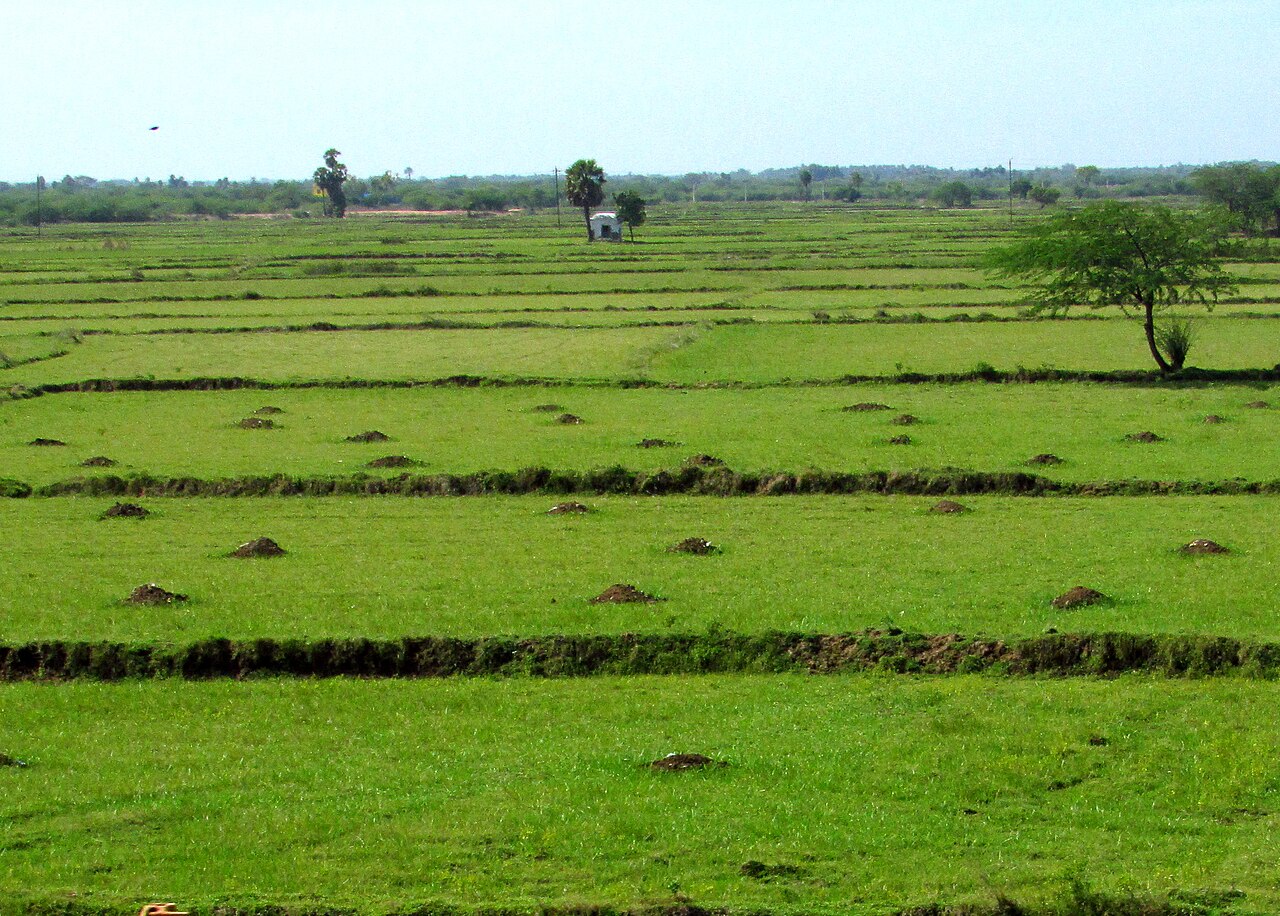
Joypurhat is a district in north-western Bangladesh, covering 1,012.41 square kilometres, according to Banglapedia, the national encyclopedia published by the Asiatic Society of Bangladesh. It borders Dinajpur to the north, Naogaon and Bogura to the south, Bogura and Gaibandha to the east, and Naogaon and the Indian state of West Bengal to the west. Its five upazilas are Akkelpur, Kalai, Khetlal, Joypurhat Sadar and Panchbibi, and its main rivers are the Little Jamuna, the Tulsi Ganga and the Harabati. A sub-division of Bogura district from 1971, it became a district in 1984. Agriculture is the main occupation of 69.51 percent of its workforce, and the 2011 census counted 913,768 people there, the encyclopedia says.
The potato (Solanum tuberosum) belongs to the nightshade family and was a major crop of the original peoples of the Americas; Spanish explorers are believed to have taken it from Peru to Spain in the 16th century, Banglapedia says. In Bangladesh it is grown as a winter crop in every district. The best planting time is the first half of November, though some farmers in the north-west plant in October for an early harvest, and most varieties are lifted in February and March, when the leaves turn yellow and brown and the plants die.
Banglapedia lists about 27 local varieties, among them Lal Sheel of Bogura, also called Lal Madda or Bograi, and Lal Pakri of Dinajpur, Bogura and Sirajganj, and names Cardinal and Diamant among the popular high-yielding varieties. In Bangladesh the potato is eaten mainly as a vegetable, in curries with fish, meat or eggs, and as boiled, fried and mashed potato, chops, singara and chips; in Europe large quantities also go to starch, alcohol, flour and livestock feed, the encyclopedia notes. Most small farmers store their potatoes at home by traditional methods, with substantial losses from drying out, pests and disease, which is why access to cold storage decides so much of a grower's income in a year of plenty like 2025.
Photo: NahidSultan / Wikimedia Commons (CC BY-SA 3.0)
Sources: Jagonews24, The Daily Star, The Business Standard, The Financial Express, Bonik Barta, Feedipedia (INRAE, CIRAD, AFZ and FAO), Banglapedia (Asiatic Society of Bangladesh)
Comments
(0)