
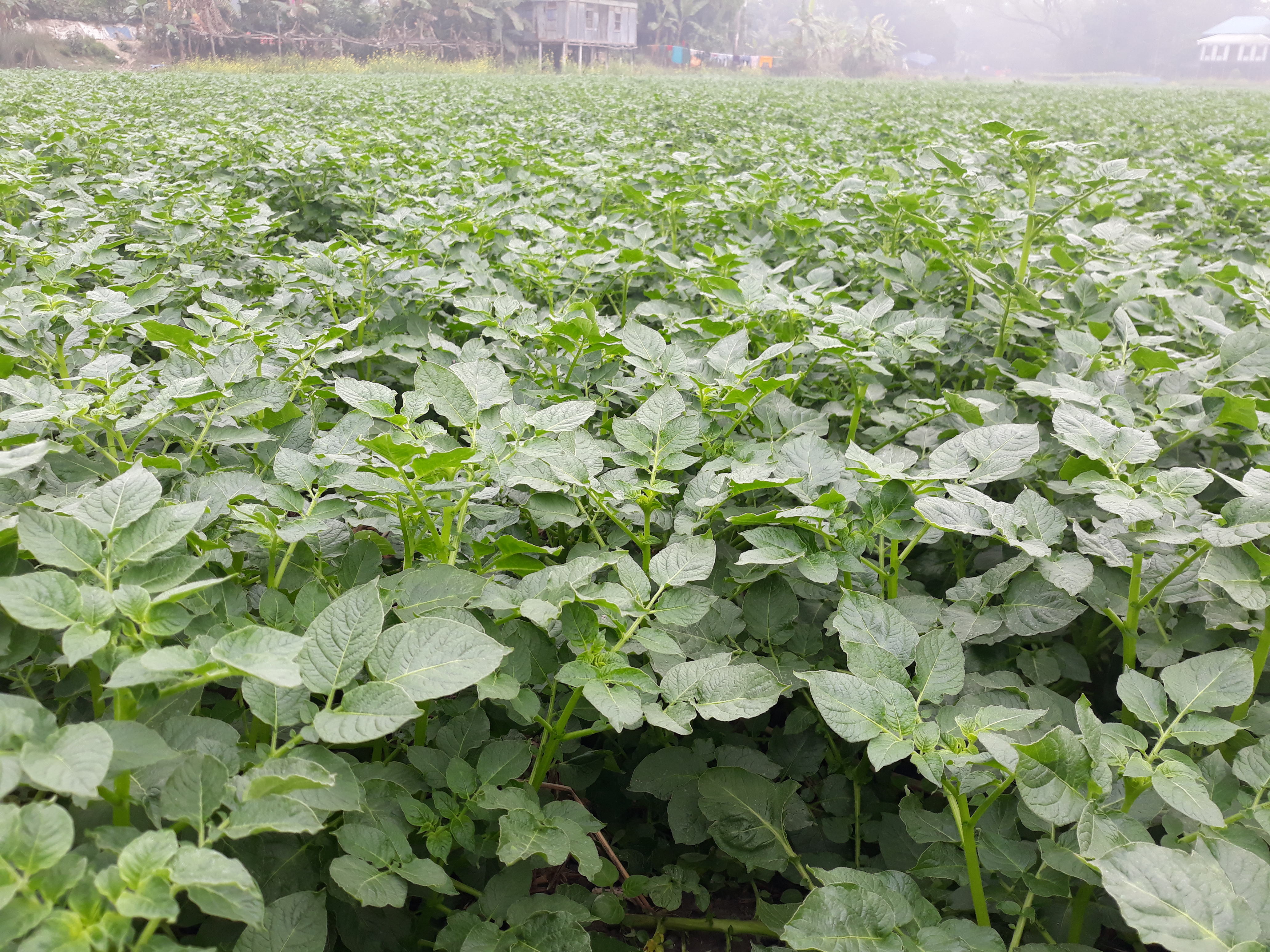
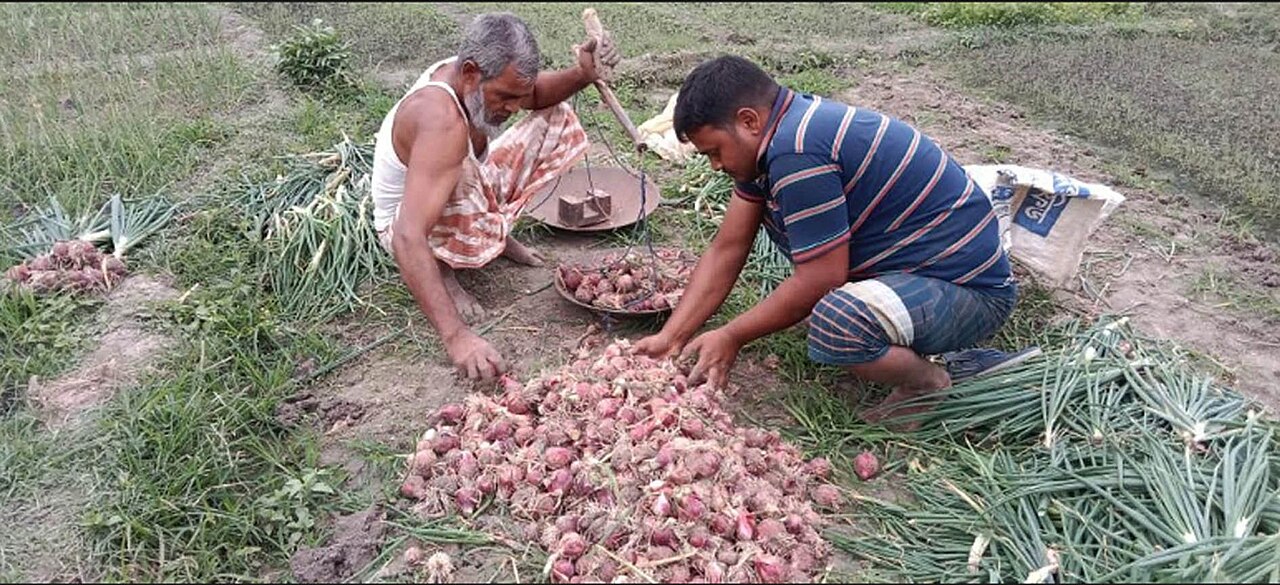
In the middle of February 2026 the potato harvest was in full swing across Joypurhat, in northern Bangladesh, but the farmers lifting the crop were not celebrating. Jagonews24 reported from the district on 18 February 2026 that yields were good, yet prices in the local markets were falling by the day, and farmers said that at the prevailing rates they could not recover what they had spent on each bigha of land, let alone make a profit. The district office of the Department of Agricultural Extension (DAE) was also worried about the unstable prices, the report said.
According to AKM Sadikul Islam, deputy director of the DAE in Joypurhat, potatoes were grown on 39,300 hectares in the district in the 2025-26 season. The crop has long dominated the district's winter fields: the DAE had set Joypurhat a target of 38,815 hectares for the 2023-24 season, and in 2019-20 the district grew potatoes on 38,325 hectares.
What farmers were paid in February 2026
Farmers who spoke to Jagonews24 put their cost for the season, counting fertiliser, seed and labour, at about Tk 30,000 for each bigha of potatoes. At the prices on offer in mid-February, they said, the potatoes from a bigha were selling for only Tk 15,000 to Tk 20,000, which by their reckoning meant a loss of Tk 10,000 to Tk 15,000 on every bigha.
In the local markets, the report found white potatoes and a variety sold locally as "Sritik" fetching only Tk 220 to Tk 230 a maund, while the Granola variety sold for Tk 200 to Tk 210 a maund. The maund is the traditional unit of weight in which potatoes are traded in the district's markets.
Farmers did not know whether the sudden fall was the work of a syndicate of traders or the result of weak demand, and the uncertainty had made them angry, the report said. The suspicion of a syndicate was the farmers' own: the report named no trader and carried no response from one. Farmers said that if potatoes could be exported through government arrangements, they would not be facing such a crisis.
Joynal Hossain, a farmer who had come to sell potatoes at the field, said: "Only a few days ago I sold a maund of potatoes for Tk 550. Now the same potatoes are down to Tk 250 to 300. The price is falling by Tk 50 to 100 a maund every day in the market. Where do we farmers go now?"
Saiful Islam and other farmers told Jagonews24: "The present government must think of the marginal farmers and take quick, firm steps to control the potato market."
Calls for credit, exports and potato-based industry
Shams Matin, vice-president of the Joypurhat Chamber of Commerce and Industry, told Jagonews24 that cheaper credit would help: "If the government arranges loans for traders on easy terms and at low interest, many entrepreneurs will emerge here. That will make it easier to export potatoes, and farmers will be saved from losses."
The district's DAE deputy director, AKM Sadikul Islam, told Jagonews24: "Potatoes have been grown on 39,300 hectares in the district this year. Potato-based industries could be set up in the district. That would create jobs and let farmers get a fair price for their potatoes, and the government would also earn a large amount of revenue."
Neither proposal was new. Exports and processing had been argued for nationally through 2025, as prices fell after a record crop, and the government had already intervened once in the market in August 2025, as the sections below set out.
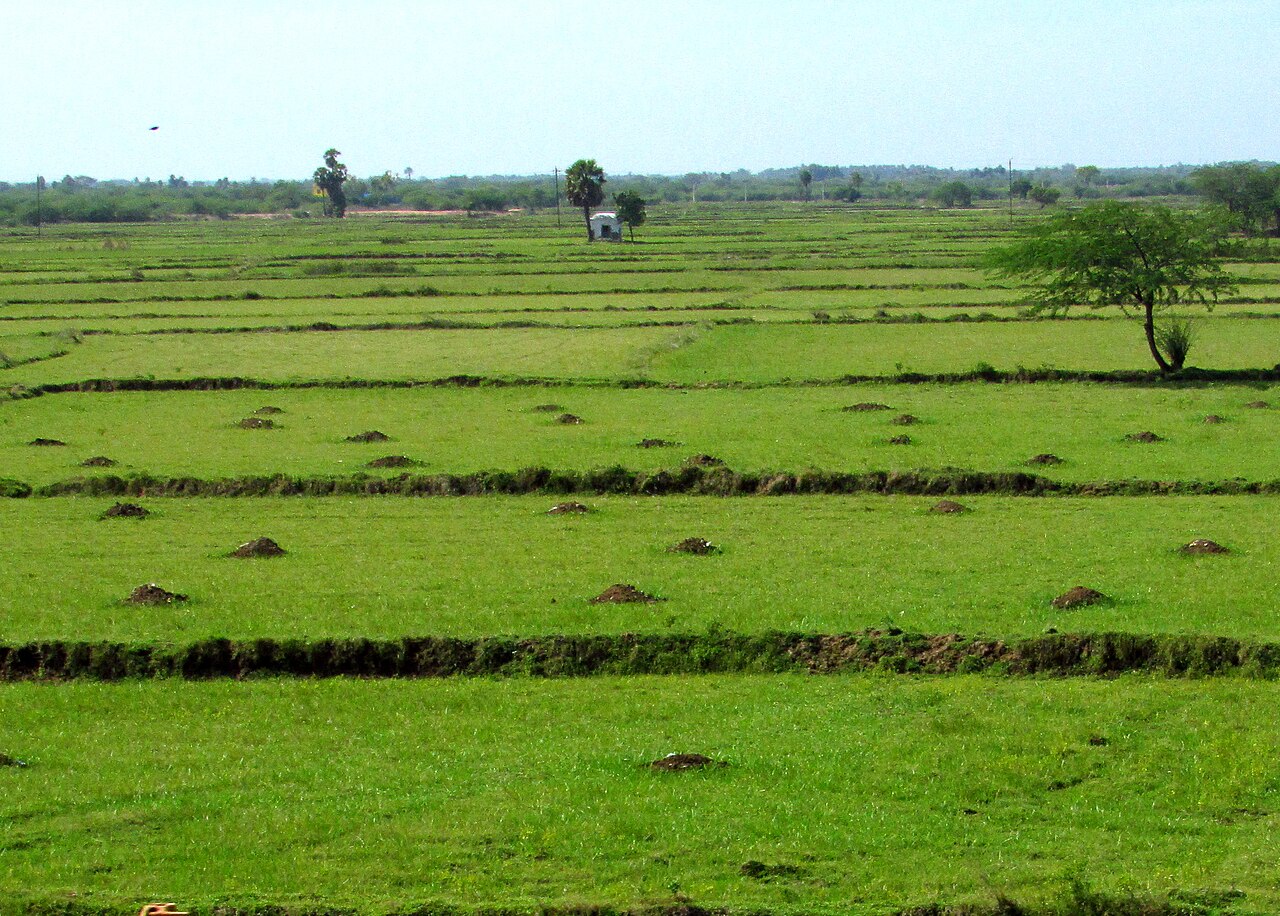
Joypurhat, a potato district of the old Barind
Joypurhat covers 1,012.41 square kilometres, according to Banglapedia, the national encyclopedia published by the Asiatic Society of Bangladesh. It has five upazilas: Akkelpur, Kalai, Khetlal, Joypurhat Sadar and Panchbibi, and its main rivers are the Chhoto Jamuna, the Tulsiganga and the Harabati. From 1971 to 1984 Joypurhat was a subdivision of Bogura district, and in 1984 it was upgraded to a district. Banglapedia records agriculture as the main source of income for 69.51 per cent of its people, against 1.18 per cent for industry.
The Daily Ittefaq described Joypurhat in April 2020 as a food-surplus district of the old Barind region. It reported that the district had grown potatoes on 38,325 hectares in the 2019-20 season, 408 hectares more than the target of 37,917 hectares, and had produced 946,700 tonnes. In the season before, potatoes had been grown on 42,530 hectares and 815,000 tonnes produced. The district then had 16 cold storages with a combined capacity of about 150,000 tonnes, and its potatoes had been exported to nine countries. The varieties grown there included Granola, Musica, Diamond, Asterix, Cardinal and Rosetta, the paper said.
Prothom Alo reported in December 2023 that the DAE had set a target of 38,815 hectares of potatoes for Joypurhat in the 2023-24 season, and that Kalai, Khetlal and Akkelpur were the upazilas that grew the most. The DAE estimated then that the cost of growing a bigha of potatoes had risen from Tk 29,000 the year before to Tk 41,000, while farmers put their own cost at Tk 42,000 to Tk 45,000. Seed of the Asterix and Diamond varieties from the Bangladesh Agricultural Development Corporation (BADC) had risen from Tk 48 to Tk 58 a kilogram, and private seed from ACI and BRAC from Tk 58-60 to Tk 68-70; planting wages had gone up from Tk 2,800 to Tk 3,500 a bigha, and tillage from Tk 800 to Tk 1,000 a bigha because of higher diesel prices. Harvesting was expected to begin in late January, the paper said.
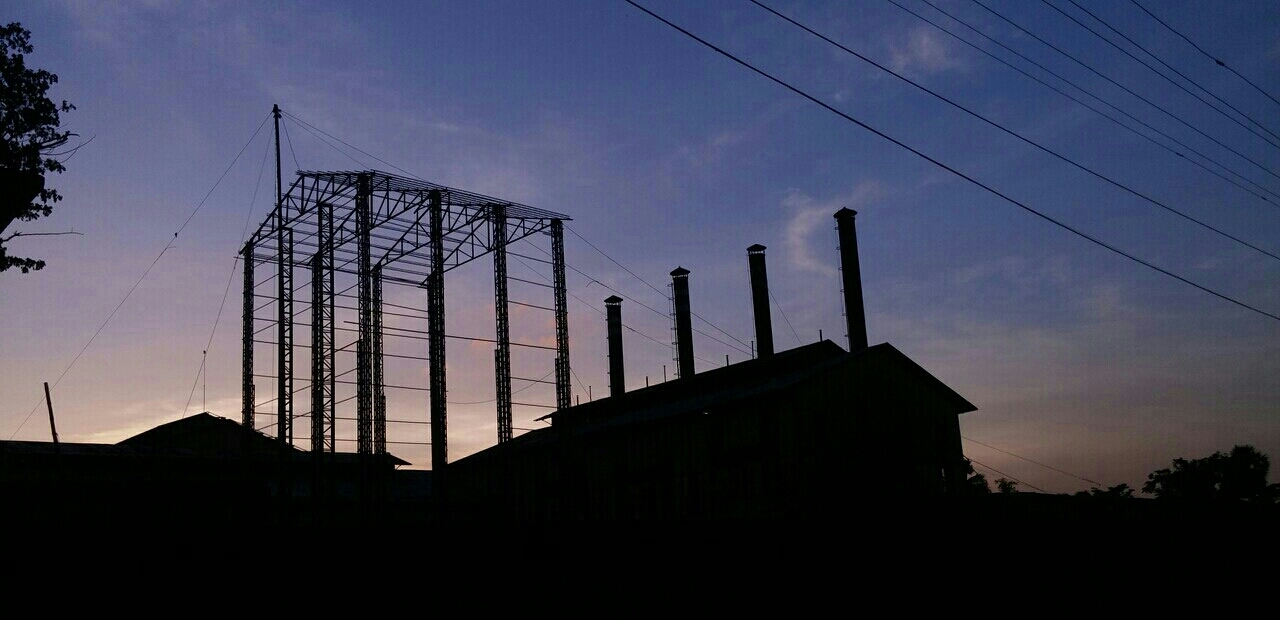
The potato crop in Bangladesh
The potato (Solanum tuberosum) belongs to the family Solanaceae and is probably native to the Americas. Spanish explorers took it from Peru to Spain in the 16th century, and from there it spread across Europe, according to Banglapedia. When it reached the Indian subcontinent is uncertain: Portuguese sailors are thought to have brought it in the early 17th century. Its cultivation spread first around Kolkata and later to Cherrapunji, and under Warren Hastings, governor from 1772 to 1785, it expanded to Bombay and other provinces.
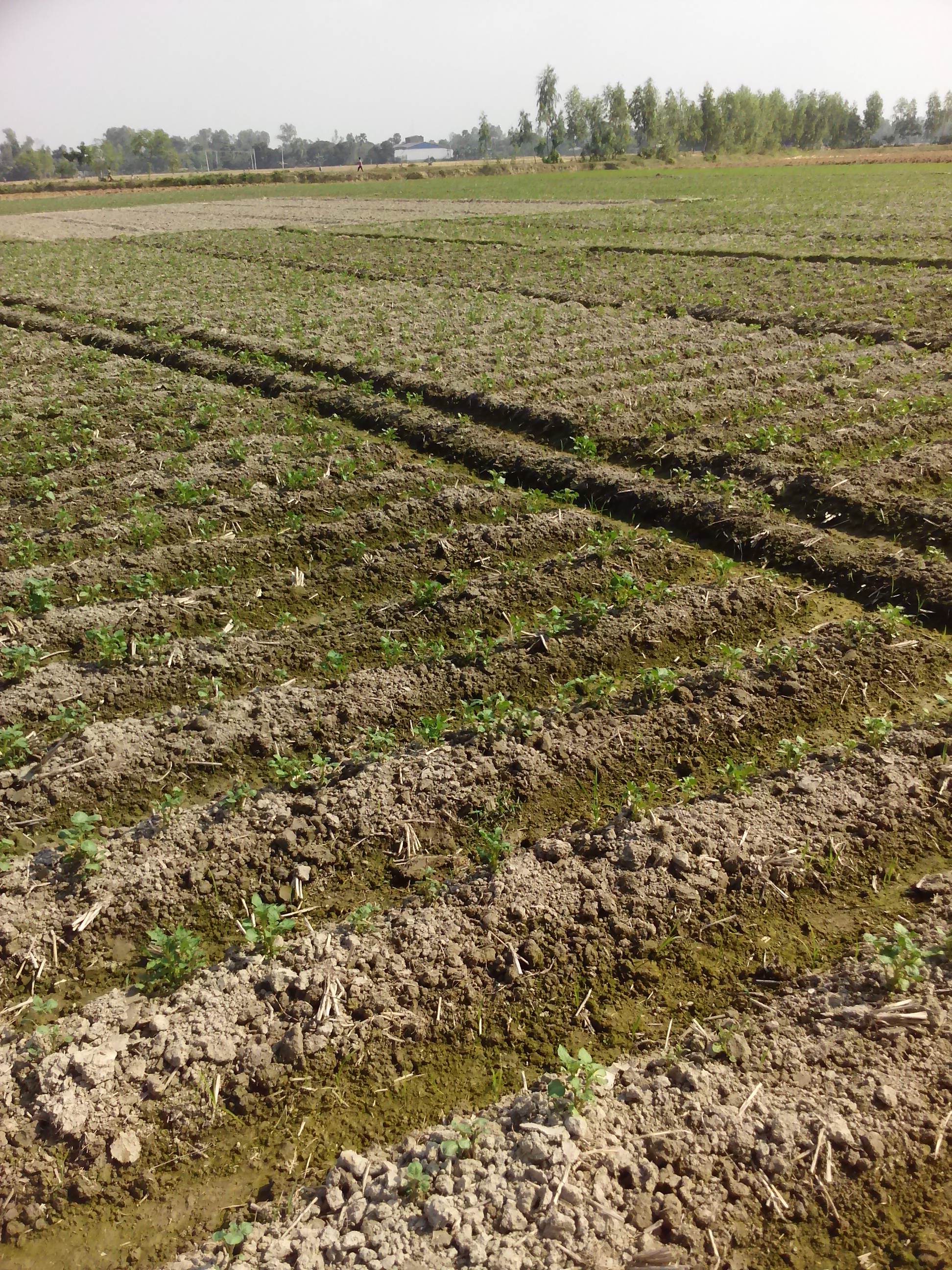
In Bangladesh the potato is mainly a winter crop. Planting usually takes place in the first half of November, though some farmers in the north-east plant in October, and most of the crop is harvested in February and March, Banglapedia says. The crop does best on sunny, well-fertilised land with adequate moisture. By mid-February 2026, as the Jagonews24 report shows, the Joypurhat harvest was well under way.
Potatoes are eaten in Bangladesh mainly as a vegetable, often cooked with fish, meat or eggs, and also as boiled and fried potatoes, chips, French fries and samosas. Elsewhere, especially in Europe, potatoes are also processed into starch, alcohol, flour and animal feed. The tuber is rich in starch and is a source of protein, vitamins C and B, potassium, phosphorus and iron; much of the protein and minerals lie just under the skin, which also provides dietary fibre.
Banglapedia lists about 27 local varieties, including Shilbilati, Lal Shil, Lal Pakri and Dohajari, and about 36 released high-yielding varieties, among them Cardinal, Diamant and Kufri Sindhuri. Research on the crop is led by the Tuber Crops Research Centre of the Bangladesh Agricultural Research Institute (BARI), set up in 1977, which has collected varieties from the International Potato Center in Peru and other sources, tested them in local fields, helped develop several high-yielding varieties and runs a breeder seed farm at Debiganj in Panchagarh. Many small farmers still store potatoes at home by traditional methods, which often leads to losses from moisture, pests and disease.
The 2025 glut and the government's response
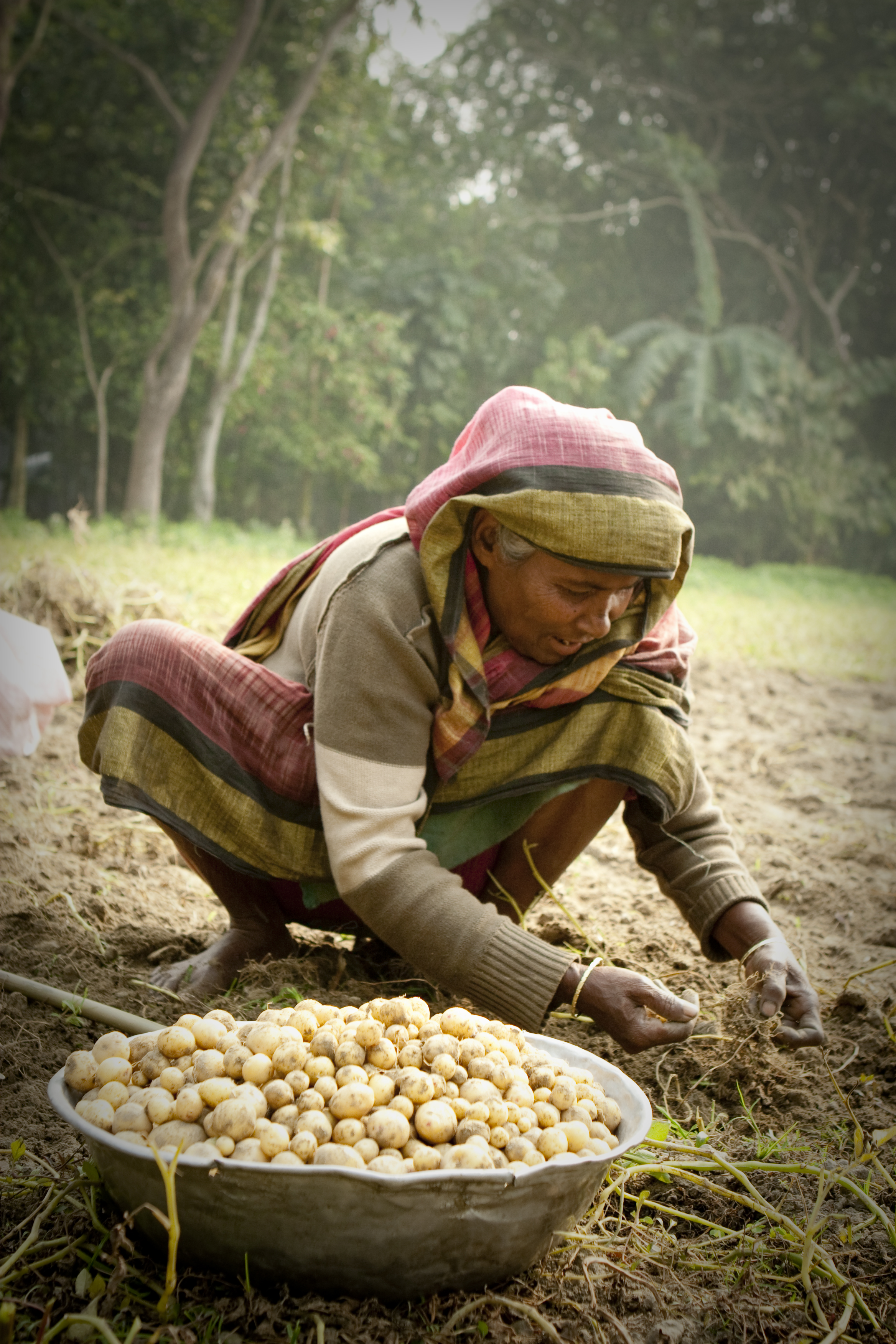
Joypurhat's farmers were selling into a market still shaped by the previous season. In March 2025 the Daily Ittefaq reported that potatoes had been grown on 365,000 hectares across the 16 districts of northern Bangladesh, with a production target of about 9.865 million tonnes, and that potatoes were selling at the field for Tk 10 to Tk 12 a kilogram. The 221 cold storages of the north could hold 2.375 million tonnes, about 23 per cent of the crop, the paper said. Many ordinary farmers complained that they could not get space because traders had booked it in advance; the general secretary of the Rajshahi cold storage owners' association denied any collusion and said bookings opened long before planting. A DAE additional director for Rajshahi division said good weather had produced a good crop, but that prices had fallen because there was no facility to store so much.
Nationally, the Bangladesh Bureau of Statistics (BBS) put the 2024-25 crop at a record 11.5 million tonnes, The Daily Star's Bangla edition reported in October 2025, against domestic demand of about 9 million tonnes. About 1 million tonnes is kept as seed, and exports in the 2024-25 fiscal year were 62,000 tonnes, the paper said. Prothom Alo reported in January 2026 that the DAE's target for that season had been 12.99 million tonnes and actual output 11.573 million tonnes, from 494,000 hectares. The Bangladesh Cold Storage Association put production higher, at about 13 million tonnes, some 4 million tonnes more than demand, in July 2025.
Prices fell through 2025. In July the association said potatoes were selling at cold-storage gates for Tk 13 to Tk 15 a kilogram, against an average farmer's cost that year of Tk 17, after mostly selling at Tk 60 to Tk 80 a kilogram in 2024. It asked the government to fix a minimum price of Tk 25 a kilogram at the cold-storage gate, to include potatoes in the government's food-friendly programme with 10 kg of potatoes for low-income families alongside their rice, and to sell potatoes through the truck sales of the Trading Corporation of Bangladesh (TCB). It warned that 20 to 30 per cent of the stored potatoes, some 0.7 to 1 million tonnes, might never be taken out of storage if prices did not improve.
On 27 August 2025 the government set a minimum price of Tk 22 a kilogram at the cold-storage gate and decided to buy 50,000 tonnes of potatoes, store them and release them in October and November. It also announced special incentives for potato farmers for the coming season. The decisions came from a four-member committee led by the agriculture secretary and formed on the chief adviser's instruction, with the secretaries of the commerce and food ministries and of the finance division as members, the Daily Ittefaq reported.
The measures had not lifted prices by early October 2025, according to traders quoted by The Daily Star's Bangla edition: retail prices had fallen below Tk 20 a kilogram, wholesale potatoes sold for Tk 11 to Tk 12, and the cold storage association's president said the price at cold storages was Tk 10 to Tk 11, with about 1.2 million tonnes still in store. The average cost of production was Tk 14 a kilogram nationally and about Tk 20 in the north, the paper reported. The TCB chairman said then that purchases would begin at the end of that month.
A smaller crop in 2025-26, and prices still low
The losses of 2025 shaped the season Joypurhat's farmers were harvesting in February 2026. Prothom Alo reported on 19 January 2026 that potatoes had been planted on 467,000 hectares across the country by the first week of January, about 24,000 hectares less than the 494,000 hectares of the previous season, and that the DAE had lowered its production target for 2025-26 to 11.365 million tonnes. A DAE deputy director told the paper that farmers were worried about prices and were turning to vegetables that gave quicker and better returns. In Taraganj in Rangpur some farmers were switching to tobacco, which had an assured market, and in Burichang in Cumilla the potato area had fallen by 751 hectares in a year, with farmers growing pumpkin and other vegetables instead.
The same report put farmers' production costs at Tk 15 to Tk 20 a kilogram, with cold-storage rent of Tk 6.75 a kilogram on top, while in early January the wholesale price at cold storages was only Tk 5 to Tk 8 a kilogram and consumers were paying about Tk 30. In the previous season 384 cold storages and 539 "model ghar" stores had held 3.161 million tonnes of potatoes; about 187,000 tonnes were still unsold in early January, and many farmers had left their potatoes in storage because selling them would not cover the rent. Annual national demand was about 10 million tonnes, the paper said, and 15 to 20 per cent of the crop was lost for want of proper storage and processing.
Thakurgaon, another northern potato district, showed how often the pattern had repeated. Prothom Alo reported on the same day that farmers there had lost money on potatoes in nine of the past 15 years, and that 2011, 2013, 2017 and 2025 had brought heavy losses to farmers, traders and cold storages alike. Thakurgaon had grown 34,725 hectares and produced 868,125 tonnes in 2024-25; its 17 cold storages could hold 145,532 tonnes. In 2025-26 it planted 28,285 hectares against a target of 28,000. Early potatoes there sold for Tk 12 a kilogram, and cold storages kept their cooling machines running about a month beyond the usual switch-off date of 15 November, the paper reported, as old potatoes lay unsold.
Cold-storage rent and the rules in force
For farmers who keep part of their harvest back in the hope of a better price, the cold-storage charge is a large part of the cost. In November 2024 the Bangladesh Cold Storage Association decided to raise the maximum rent for the 2025 season to Tk 8 a kilogram, from Tk 7 the year before, and to charge by the kilogram for sacks capped at 50 kg, so that a quantity that had cost a flat Tk 350 in a sack of up to 70 kg would cost Tk 400, The Financial Express reported in February 2025.
Farmers in Rajshahi protested by dumping potatoes on the road on 2 and 19 February 2025, and farmers in Kurigram, Dinajpur and Bogura held similar protests, bdnews24.com reported. On 2 March 2025 the same outlet reported that the Department of Agricultural Marketing (DAM), using its powers under the Agricultural Marketing Act, had fixed the maximum rent for storing potatoes at Tk 6.75 a kilogram, as announced in an information statement from the Ministry of Agriculture. The association's president, Mostafa Azad Chowdhury Babu, argued that bank interest alone came to Tk 5.86 a kilogram for a 10,000-tonne store, and Tk 6.96 with electricity, more than the rate set, and asked the commerce and agriculture ministries and the Tariff Commission to examine it.
That Tk 6.75 ceiling was the rent Prothom Alo cited for the 2025-26 season in January 2026. The Financial Express had put the country's cold-storage capacity at roughly 3 million tonnes, about a quarter of total production; the association represents 405 facilities, while around 350 were functional, the paper said.
Exports and processing, the remedies on the table
The two remedies raised in Joypurhat, exports and potato-based industry, had been debated nationally before the harvest. The agricultural economist Jahangir Alam Khan told Prothom Alo in January 2026 that while other countries export up to 10 per cent of their potato output, Bangladesh could not export even half of 1 per cent. He proposed that the government buy 10 per cent of production for direct storage, subsidise half of the cold-storage rent and invest in processing industries.
Photo: কুউ পুলক / Wikimedia Commons (CC BY-SA 4.0)
Sources: Jagonews24 (18 February 2026), Prothom Alo (16 December 2023; 23 July 2025; 19 January 2026), The Daily Ittefaq (18 April 2020; 18 March 2025; 27 August 2025), The Daily Star Bangla (3 October 2025), bdnews24.com (2 March 2025), The Financial Express (7 February 2025), Banglapedia (Asiatic Society of Bangladesh: Joypurhat District; Potato)
Comments
(0)