
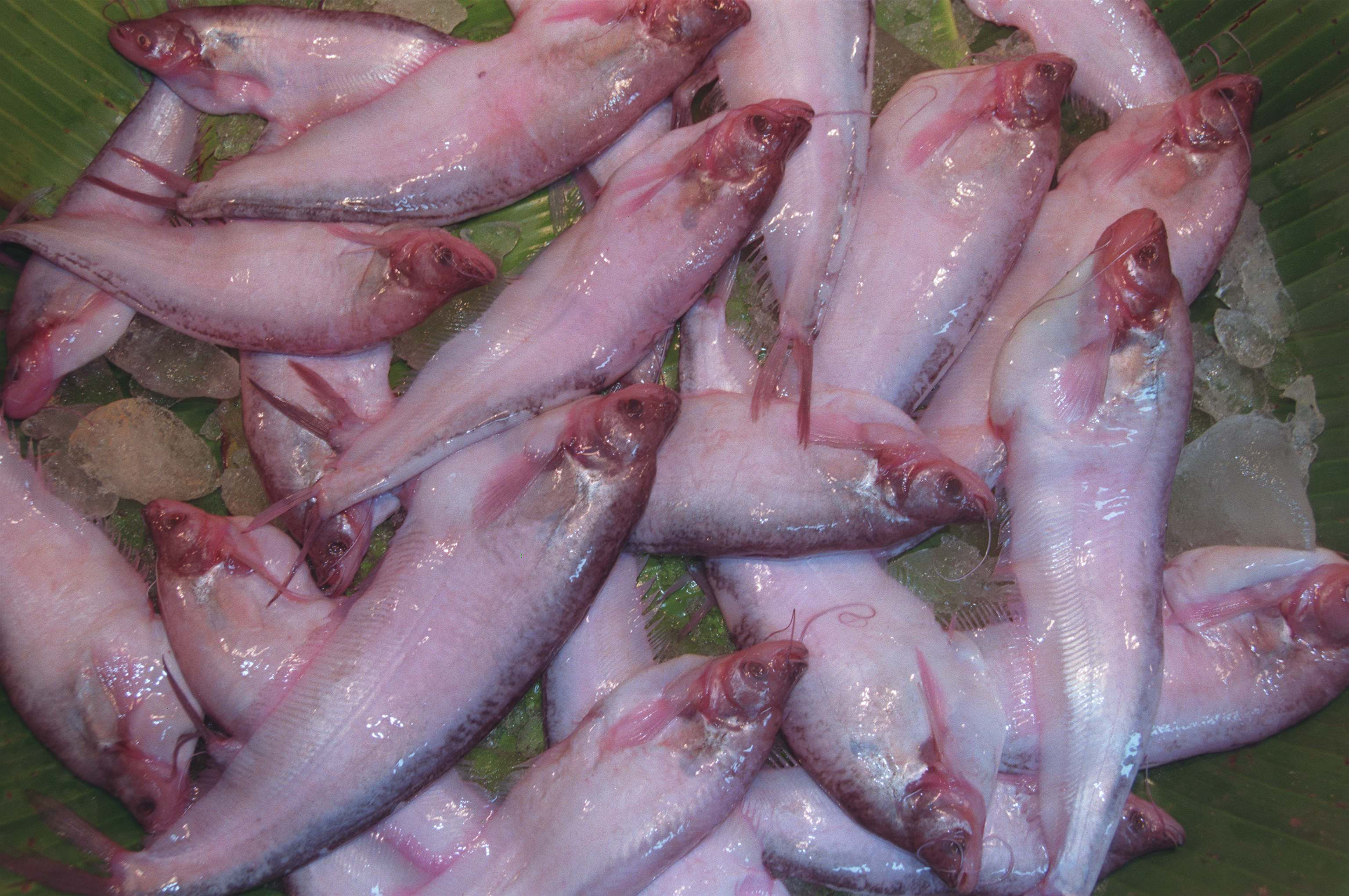
Fifteen farmers in Maheshpur upazila of Jhenaidah district had made a success of farming pabda, a small freshwater catfish, and more farmers had joined them, Jagonews24 reported from Maheshpur on 5 March 2020. The farmers said they had sold more than Tk 5 crore worth of pabda to India the year before and believed sales could pass Tk 8 crore in 2020. The fish was being raised in 25 hectares of ponds and other water bodies in Pantapara and Bashbaria unions, and, according to the report, the number of farmers had grown compared with the previous year as others saw the first growers' results.
Fifteen farmers on 25 hectares
The report named the farmers as Anwar Parvez, Akter and Salam of Pantapara union; Jahed Ali, Nayan, Khokon, Shahabuddin, Mosleme, Majnu and Osman of Bashbaria union; Nityapada of Nasti village, Saiful of Sreepur, Nur Hossain of Jagusa village and Rabindranath Haldar of Maheshpur.
Jahed Ali, of Bagan Math village, described how the venture began. "At first three of us farmed pabda," he told the reporter. "We export our fish to Bongaon and Barasat in India. Last year 15 of us farmed on 25 hectares of water, and from that we exported 130 tonnes of fish to India at Tk 360. With more farmers this year, it will be possible to export more than Tk 8 crore of fish to India."
These sales figures and the expected value for 2020 were the farmers' own account as given to Jagonews24; the report did not cite a customs, export or fisheries office record for them. Bongaon and Barasat, the two places Jahed Ali named, are towns in North 24 Parganas district of the Indian state of West Bengal. Bongaon is the headquarters of a subdivision close to the Petrapole crossing on the Bangladesh border, and Barasat is the headquarters of Barasat Sadar subdivision, inside the area covered by the Kolkata Metropolitan Development Authority.
Fry from Mymensingh, buyers at the pond
Anwar Parvez explained where the farmers' seed came from. "Pabda fry are bought from the fisheries research institute in Mymensingh at 90 paisa to Tk 1.20 each," he said. "The institute delivers them to our ponds in its own vehicles. With six to eight months of care the fish grow to market size." Mymensingh is the headquarters of the Bangladesh Fisheries Research Institute (BFRI), the government's fisheries research body, which also runs its freshwater research station there.
Selling, he said, was the easy part. "Fish traders from India come to our ponds and buy pabda at Tk 360 a kg. Selling the fish costs us no trouble or expense." The Tk 360 a kilogram price, like the volumes, was what the farmers reported to the newspaper; it was the price at the pond, paid by the traders who came to buy.
Alamgir Hossain, the Maheshpur upazila fisheries officer, confirmed the expansion in general terms. "Pabda is being farmed in more water bodies this year than last," he said. "We are giving full support. The number of fish farmers has grown this year, which will play an important role in reducing unemployment in the country." The upazila fisheries office is the Department of Fisheries' (DoF) local office, and it is where farmers in any upazila go for advice on ponds, fry and fish health.
Maheshpur and the waters of Jhenaidah
Maheshpur is one of the six upazilas of Jhenaidah district in Khulna division. According to Banglapedia, the national encyclopedia, it covers 417.85 square kilometres and is bounded by Jibannagar and Kotchandpur upazilas on the north, Chaugachha upazila and the Indian state of West Bengal on the south, Chaugachha on the east and West Bengal on the west. Its border with India helps explain how traders from across the frontier could come to the ponds themselves.
At the 2011 population census, as Banglapedia records, Maheshpur had 332,514 people living in one municipality, 12 unions, 144 mouzas and 196 villages. Maheshpur Thana became an upazila in 1983. Pantha Para union, the Pantapara of the Jagonews24 report, covers 6,599 acres and had 8,787 male and 9,068 female residents; Banshbaria (Bashbaria) union covers 9,159 acres and had 14,503 male and 14,717 female residents. Agriculture was the main source of income for 74.79 percent of households. The main crops listed are paddy, jute, wheat, sugarcane, cotton, onion, garlic, tomato, potato and vegetables, and the upazila's main exports to other areas are banana, jackfruit, date molasses, potato and vegetables. The main rivers are the Ichamati, Kodla, Betna and Bhairab, and the Ukhri, Purbapara, Bara, Kathgara and Dubli beels are the notable wetlands.
The district as a whole covers 1,964.77 square kilometres and had 1,771,304 people in 2011. Jhenaidah became a district in 1984 and has six upazilas. Its rivers include the Gorai, Kumar, Nabaganga, Chitra, Bhairab, Kobadak, Betna and Kaliganga, and Banglapedia lists the Baluhar, Marjat, Sarjat, Majdia and Barphar baors among its water bodies. A baor is the dead arm of a river in the moribund delta of the southwest, an oxbow lake that was cut off when the river changed course. Baors range from half a square kilometre to 13 square kilometres, are more stagnant than beels and generally hold water throughout the year, which makes them important wetlands for fish and other aquatic life. Agriculture was the main source of income for 67 percent of the district's households.
What pabda is
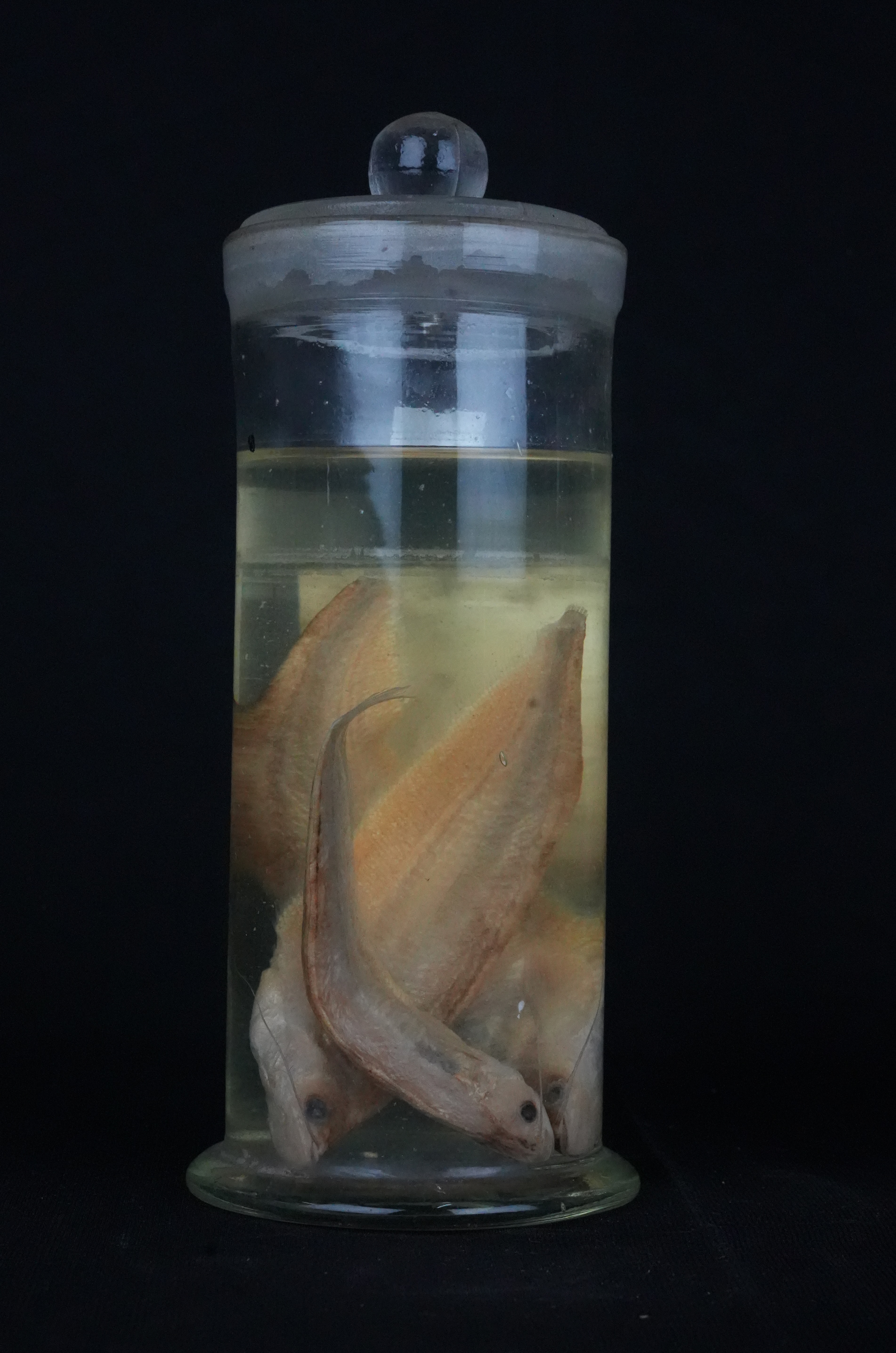
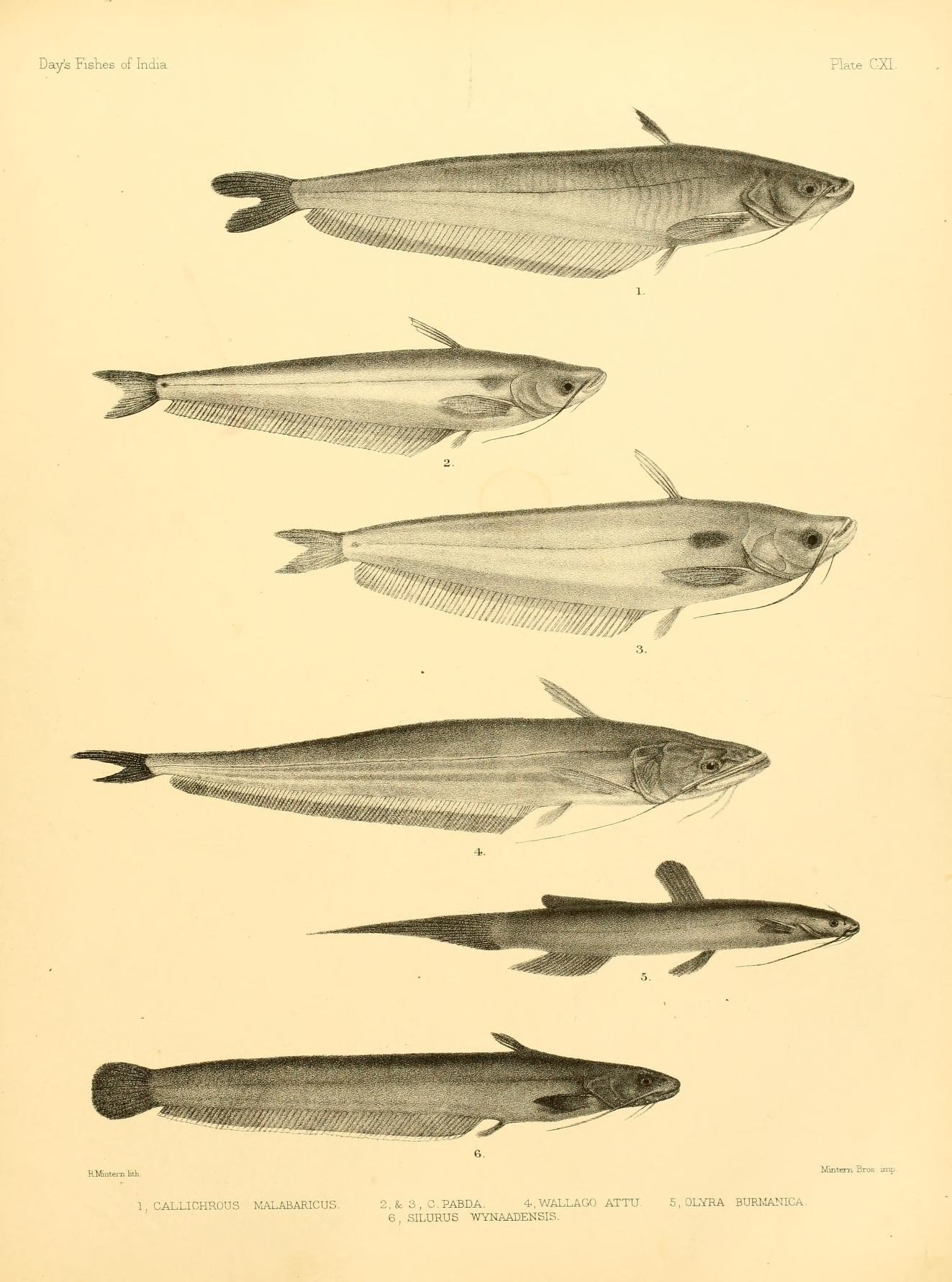
Pabda is the Bengali name for small catfishes of the genus Ompok, in the sheatfish family Siluridae. The best known is Ompok pabda, called madhu pabda, pabda or paibba in Bangladesh and the pabdah catfish in English. FishBase, the global database of fish species, describes it as a freshwater, bottom-living fish of rivers, streams, ponds and lakes with clear or muddy water, found in Afghanistan, Pakistan, India, Bangladesh and Myanmar and reported from Bhutan. It reaches a maximum length of about 30 centimetres. FishBase lists its human use as commercial fisheries: it is caught and sold for food.
The Red List of Bangladesh, Volume 5: Freshwater Fishes, published by IUCN Bangladesh and the Bangladesh Forest Department in 2015, lists three Ompok species that share the pabda name. Ompok pabda, the madhu pabda, was assessed as Endangered on 22 September 2014, the same category it had in the 2000 list. Ompok bimaculatus, known as kani pabda or boali pabda and in English the butter catfish, was also assessed as Endangered, on 10 August 2014. Ompok pabo, the kala pabda, was assessed as Critically Endangered. The assessment notes that Ompok pabda is sometimes confused with Ompok bimaculatus.
According to that assessment, Ompok pabda lives in both flowing and still water: rivers of all sizes, canals, beels, lakes, floodplains, ponds stocked by nature and even roadside ditches. It is usually a surface feeder and omnivorous, eating aquatic insects, crustaceans, moss and protozoa, and it also preys on fish fry and larvae. It has been reported from the Padma, Jamuna, Meghna, Surma, Kushiara, Manu, Ichamati, Turag, Mahananda, Titas and other rivers, and from Tanguar Haor, Hakaluki Haor, Chalan Beel and Medha Beel.
A fish that grew scarce in the wild
The IUCN Bangladesh assessors wrote that Ompok pabda was once fairly abundant throughout Bangladesh, but that habitat shrinkage caused by massive siltation and the conversion of wetlands, followed by overexploitation and water pollution, made its numbers fall drastically during the 1980s. It had disappeared from many water bodies, and recent surveys had recorded it as rare at almost all sites studied. Field experience and expert consultation suggested that its population had probably fallen by more than 60 percent over the previous ten years, and the threats were unlikely to stop in the near future. For the kani pabda, the assessors judged that numbers had probably fallen by more than 60 percent over two decades; for the kala pabda, that the wild population had fallen by about 80 percent over two decades.
Newspaper reports from the years before the Maheshpur story described the same decline at local level. In February 2018 Prothom Alo reported from Raiganj in Sirajganj that fishermen and fisheries officials there counted pabda among the local fish that had become rare, along with golsa, gojar, magur and others, and blamed the drying of rivers and water bodies in the dry season and the catching of brood fish and fry. In January 2018 The Daily Star quoted scientists at BFRI as saying that about 260 native freshwater fish varieties were known in Bangladesh, of which 64 had become extinct, and that some two decades earlier rivers met about 80 percent of the demand for freshwater fish, a share that had dropped to about 30 percent.
The scientists named several causes: the drying of open water bodies, damage to natural breeding and nursery grounds, and fishing before fish reach maturity. Research officials also told the paper that many farmers prepared ponds by draining them in the dry season and adding lime to the bottom to kill bacteria and unwanted fish, which also stopped the natural growth of many small native species. A professor of fisheries technology at Bangladesh Agricultural University told the paper that heavy use of chemical fertilisers and insecticides on farmland near rivers washed into the water with the rain and killed fish.
How BFRI brought pabda back to ponds
BFRI was set up in 1984 as the national institution for planning, coordinating and conducting fisheries research, and began working in 1986, according to Banglapedia. Its objectives include developing low-cost, environment-friendly fish culture technologies and training farmers. Its headquarters and its Freshwater Station are in Mymensingh, near the Bangladesh Agricultural University campus; the station covers about 40 hectares and has 118 experimental ponds and a carp hatchery. The institute also has a Riverine Station at Chandpur, a Brackishwater Station at Paikgacha in Khulna, a Marine Fisheries and Technology Station at Cox's Bazar, and sub-stations at Rangamati and Santahar.
The Daily Star reported in January 2018 that BFRI's aquaculture work in Mymensingh had helped preserve 16 endangered local fish varieties over the previous decade by developing breeding and culture technologies for them. Pabda headed the list, followed by gulsa, tengra, local koi, shingi, magur, foli, ayir, bata, gania, puti, chital, beda, mohashol, shorputi and titputi. Besides research, the institute ran farmer training and supplied juvenile fish for rearing, and its officials said more than 1,000 farmers in Mymensingh, Comilla, Moulvibazar, Narayanganj, Sirajganj, Gaibandha, Sunamganj, Narsingdi and other districts were involved in rearing these fish.
In July 2018, announcing that its Saidpur freshwater sub-station had bred the khalisha artificially for the first time, BFRI's director general told Jagonews24 that the institute had by then developed fry production and culture techniques for 18 threatened species, among them pabda, gulsha, tengra and mohashol. He said the availability of pabda, gulsha and tengra in the market had risen widely in recent times and that their prices were within reach of ordinary buyers. The Maheshpur farmers' account of buying pabda fry from the Mymensingh institute and having it delivered to their ponds fits this picture of hatchery seed replacing fish that were once caught wild.
How pabda is raised in ponds
Pabda is often grown together with carps rather than on its own. In April 2018 the fisheries officer of Kulaura upazila in Moulvibazar described to Jagonews24 the mixed culture of rui-type carps with pabda and gulsha. He said it could be done in seasonal ponds, year-round ponds and other water bodies; that it used the food available at every layer of the pond; and that carps as well as pabda and gulsha could be marketed within five to six months, earning more than carps alone because pabda and gulsha are tasty and fetch high prices.
The steps he described were these:
- In the dry season, clear aquatic weeds and repair the pond banks. For small fish the pond should not be dried out; instead, a fine-meshed net is pulled through repeatedly to remove predatory fish and other harmful animals.
- Apply lime, and then manure and fertiliser before stocking so that natural food grows in the water. The amount of lime depends on the soil, so the quantities are best set with the upazila fisheries officer. The water is ready for fry when it turns green or brownish green.
- Before release, let transported fry adjust to the temperature of the pond water and disinfect them in a short bath, as the fisheries office advises.
- Stock healthy fry of the right species in the right numbers: carps of 10 to 12 centimetres together with pabda or gulsha of 5 to 7 centimetres. He described three stocking models, one of catla, rui, mrigel, grass carp and pabda; one of silver carp, catla, mrigel, grass carp, sarputi and pabda; and one of catla, rui, mrigel, grass carp, pabda and gulsha.
- Keep up natural food with regular manuring, and give supplementary feed made from rice bran, wheat bran, mustard oilcake and fishmeal, or commercial pellets from an established company, adjusting the amount by monthly sampling and feeding less in winter.
- Rake the bottom with a weighted rope to release trapped gas, check some fish every month for health, top up the pond when water falls, and stop fertilising when the water turns too green.
- Harvest carps that pass 500 to 700 grams and restock the same number of fry, then harvest everything at the end of the year. Pabda reach a saleable 25 to 30 grams and gulsha 45 to 50 grams after eight to nine months.
He advised anyone interested to contact their upazila or district fisheries office for details. The doses of lime, fertiliser, disinfectant and feed that the 2018 report gave are not repeated here because a Department of Fisheries or BFRI publication confirming them could not be found; farmers should take them from the upazila fisheries officer, who can adjust them to the pond and soil.
Disease is the main risk in intensive culture. In March 2017 Dhaka Times reported an outbreak of ulcer disease in farmed pabda and gulsha in Muktagachha, Phulbaria, Phulpur, Tarakanda and Trishal upazilas of Mymensingh, with sores on the fish and many deaths. One farmer said lime, salt, potash, zeolite, disinfectants and antibiotics bought in the market had not helped, and the senior district fisheries officer advised removing diseased fish from the pond immediately and treating the pond under the fisheries office's guidance. Farmers who see sores or deaths should contact the upazila fisheries office before using any chemical or medicine.
Bangladesh's fisheries and pabda across the border
The Maheshpur farmers were part of one of the world's largest freshwater fisheries. The State of World Fisheries and Aquaculture 2018, the Food and Agriculture Organization's (FAO) biennial review, ranked Bangladesh third in the world for inland capture fisheries in 2016, after China and India, with 1,048,242 tonnes, and fifth among the major aquaculture producers that year. FAO also noted that in Bangladesh, as in Cambodia, the Gambia, Ghana, Indonesia, Sierra Leone and Sri Lanka, fish supplied 50 percent or more of the animal protein people ate.
Across the border in West Bengal, where the Maheshpur farmers said their fish was sold, pabda is a prized fish and its wild stocks had been falling too. In August 2016 the Hindustan Times reported that the West Bengal Biodiversity Board planned to breed small native fish such as kani pabda, which it said had gone missing from Bengali plates, in ponds for village communities to culture, because these varieties were in high demand in the fish market. The paper said state fisheries scientists had listed about 39 native varieties that could vanish from the state's waters unless conserved, and experts blamed over-exploitation, pesticides and water pollution, disease, exotic fish and habitat change.
In January 2020 Nature India reported that researchers at the All India Institute of Medical Sciences in New Delhi had sequenced the genome of Ompok bimaculatus, the Indian butter catfish commonly called pabda, using fish caught from the Ganges. They found 21,371 genes and said the draft genome could help the conservation and captive breeding of a fish whose numbers had been cut by overfishing, habitat loss and pesticide use, and which was hugely popular in eastern India as a delicacy.
Photo: Biswarup Ganguly / Wikimedia Commons (CC BY 3.0)
Sources: Jagonews24 (5 March 2020), Banglapedia (Maheshpur Upazila, Jhenaidah District, Baor, Bangladesh Fisheries Research Institute), IUCN Bangladesh, Red List of Bangladesh Volume 5: Freshwater Fishes (2015), FishBase (Ompok pabda), FAO, The State of World Fisheries and Aquaculture 2018, The Daily Star (28 January 2018), Prothom Alo (17 February 2018), Jagonews24 (8 April 2018 and 22 July 2018), Dhaka Times (17 March 2017), Hindustan Times (25 August 2016), Nature India (13 January 2020)
Comments
(0)