

Interest in growing vegetables, leafy greens and gourds at household level is rising in Jhalakathi after several natural disasters and bad weather last year. With low demand from buyers in the market, farmers growing vegetables commercially are not getting fair prices, and they are expressing frustration.
People in 36 villages of Gabharamchandrapur and Nabagram unions in Jhalakathi Sadar upazila make their living growing vegetables all year round. There are also many professional farmers in the remaining 435 villages across the district's four upazilas, and vegetables are their cash crop. Vegetables were grown widely again this year. Produce from here meets local demand and is sent to Dhaka and other parts of the country.
Crops rotting in the fields
But vegetable prices are now very low. Farmers are disheartened at not getting the prices they hoped for; sales do not even cover transport and labour costs. With few buyers, most of the vegetables are rotting in the fields. Farmers say there is no price in the market and wholesalers are not coming. Cabbage and cauliflower are going to waste on the land.
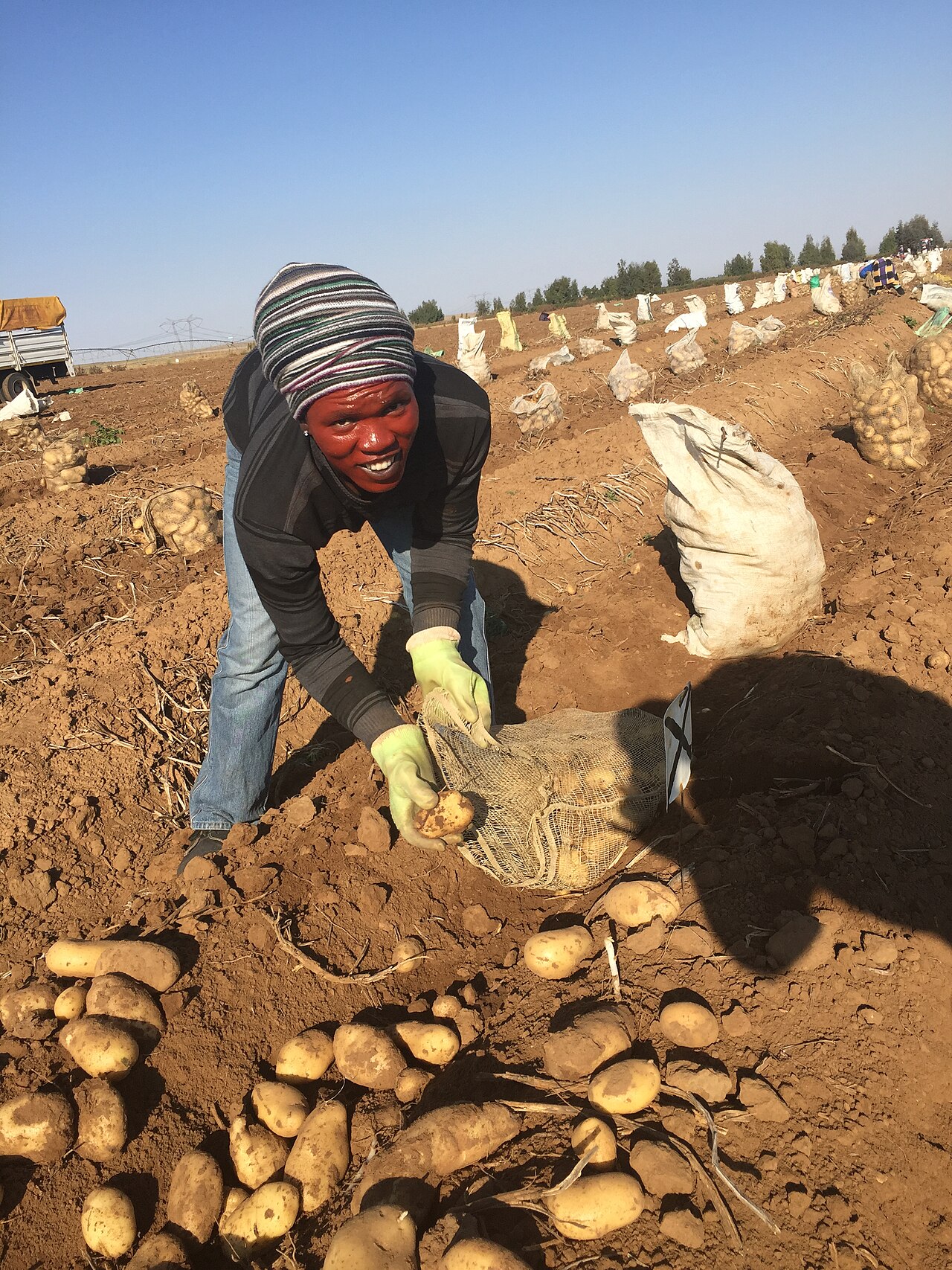
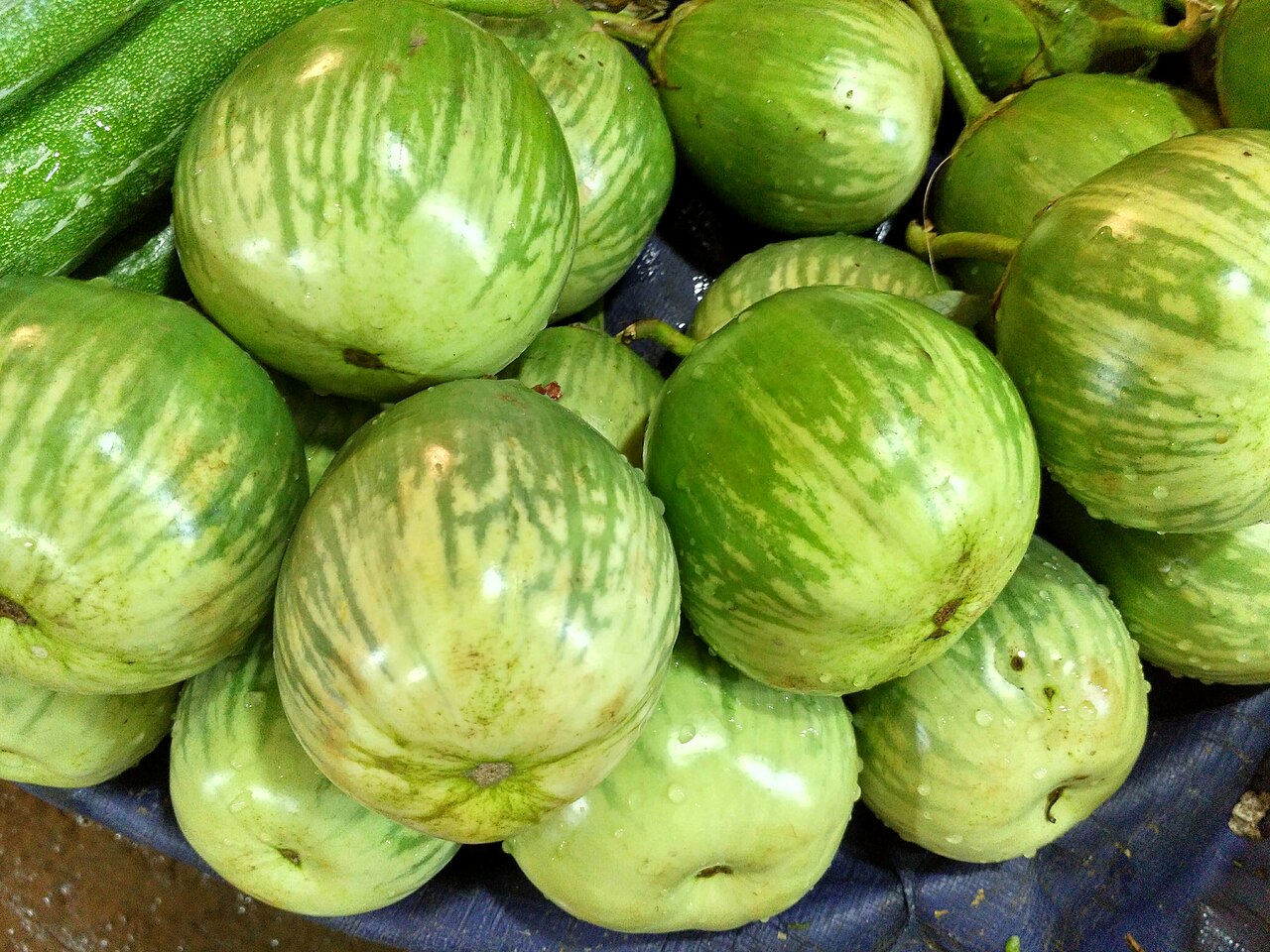
Checks at several markets in Jhalakathi found them full of cabbage and cauliflower. The fields hold plenty of snake gourd, bitter gourd, tomato, aubergine, okra, potato, gourd and sweet pumpkin. There are fewer buyers than vegetables, so most of the produce spoils and sellers are losing money. Several vegetable sellers at Bagri bazar said they have to trade from morning to evening; prices have fallen and so has the number of buyers, so vegetables are going to waste and traders and farmers are counting losses.
Vegetable farmers in Shimuleshwar village of Sadar upazila said growing cauliflower on one bigha cost Tk 25,000, plus labour and transport. Cauliflower from one bigha is now selling for Tk 15,000 to 20,000, which does not cover truck hire and labour.
Cauliflower farmers Idris Ali, Ruhul Amin, Joydeb, Narayan and Samiul Alam said they grew cauliflower and cabbage with high hopes, and the yield was good. The fields are covered in cabbage and cauliflower, each head weighing one and a half to two kilograms. They have still not been able to sell them. Many cauliflowers are blooming and spoiling in the field, and with no other option they are forced to sell them at the local market for Tk 4-5 apiece.
They said sending the crop to Jhalakathi town and Barishal barely covers truck hire, and labour has to be paid from their own pockets. They grew the crops on credit from fertiliser and pesticide shops, planning to repay after selling, but that hope has faded. To repay large debts they will have to take loans from samitis.
Farmers and traders speak
Farmer Solaiman Hossain said: "Cabbage can be kept for a few weeks, but cauliflower has to be sold as soon as it is ready. Otherwise the curd opens and it becomes unsellable. Cauliflower from one bigha of my land is rotting in the field because I could not sell it."
Parvez, a farmer from Bhimruli village in Sadar upazila, said: "About 50 bottle gourds in my field are ready to sell. There are no buyers at the local market, and I cannot send them to outside markets because it does not cover transport. Many gourds have over-ripened. All the cost and labour have been in vain."
Wholesalers Abul Bashar, Aub Ali and Ziaul Islam said: "At first we estimated demand and bought cabbage at Tk 60,000 and cauliflower at Tk 70,000 per bigha. Now we cannot sell. Even when we send consignments to Jhalakathi town and Barishal, we cannot recover the money."
The Department of Agricultural Extension (DAE) said a target of 7,704 hectares of winter vegetables had been set for the district this year.
Monirul Islam, deputy director of the DAE in Jhalakathi, said: "Every winter, vegetables, leafy greens and gourds are grown widely on a commercial basis in Jhalakathi district. Many fields were damaged by repeated floods and natural disasters, and farmers replanted."
He said: "Fearing there could be a shortage of vegetables, many people grew vegetables, greens and gourds at household level. At the start of the season supply was low, so farmers got somewhat better prices. But now, with vegetables being produced in everyone's yards and fields, prices have suddenly fallen."
Source: Jagonews24. First published in Bengali on The Agro News.

Comments
(0)