

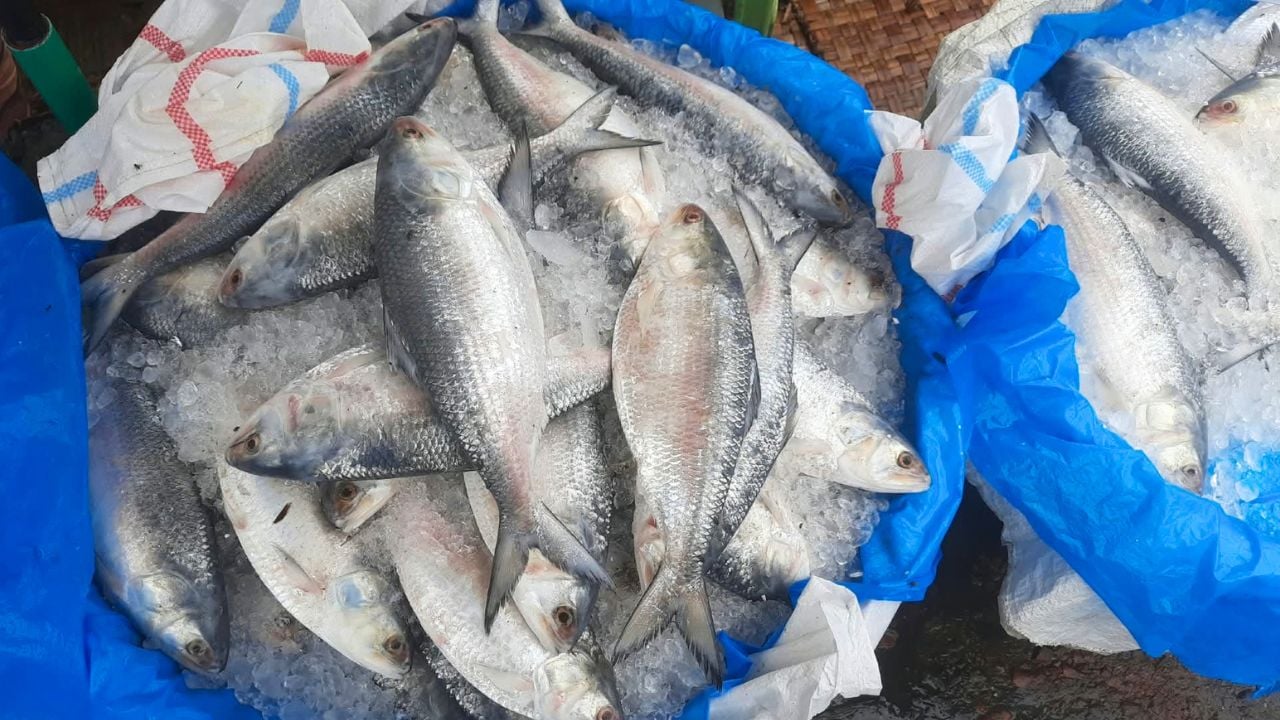
To protect mother hilsa in their breeding season, the government has banned all catching, transport, storage and sale of fish in rivers from midnight on Friday (3 October) until 25 October. To enforce the ban in Jhalakathi, the district fisheries office has identified 18 spots within an 18km stretch of the Sugandha and Bishkhali rivers as risky.
The office said hilsa move through these spots in large numbers, so fishermen are more tempted to act illegally and cast nets secretly there. There are fears that fishermen could band together and launch surprise attacks on enforcement teams at these places, and attacks have happened at several of them in the past.
District Fisheries Officer Jaydev Pal said the office would be on special alert at these spots this time. Drives will be carried out with executive magistrates, police, Ansar battalion, river police and the army, and joint drives will be run with neighbouring districts where the rivers meet.
The 18 spots
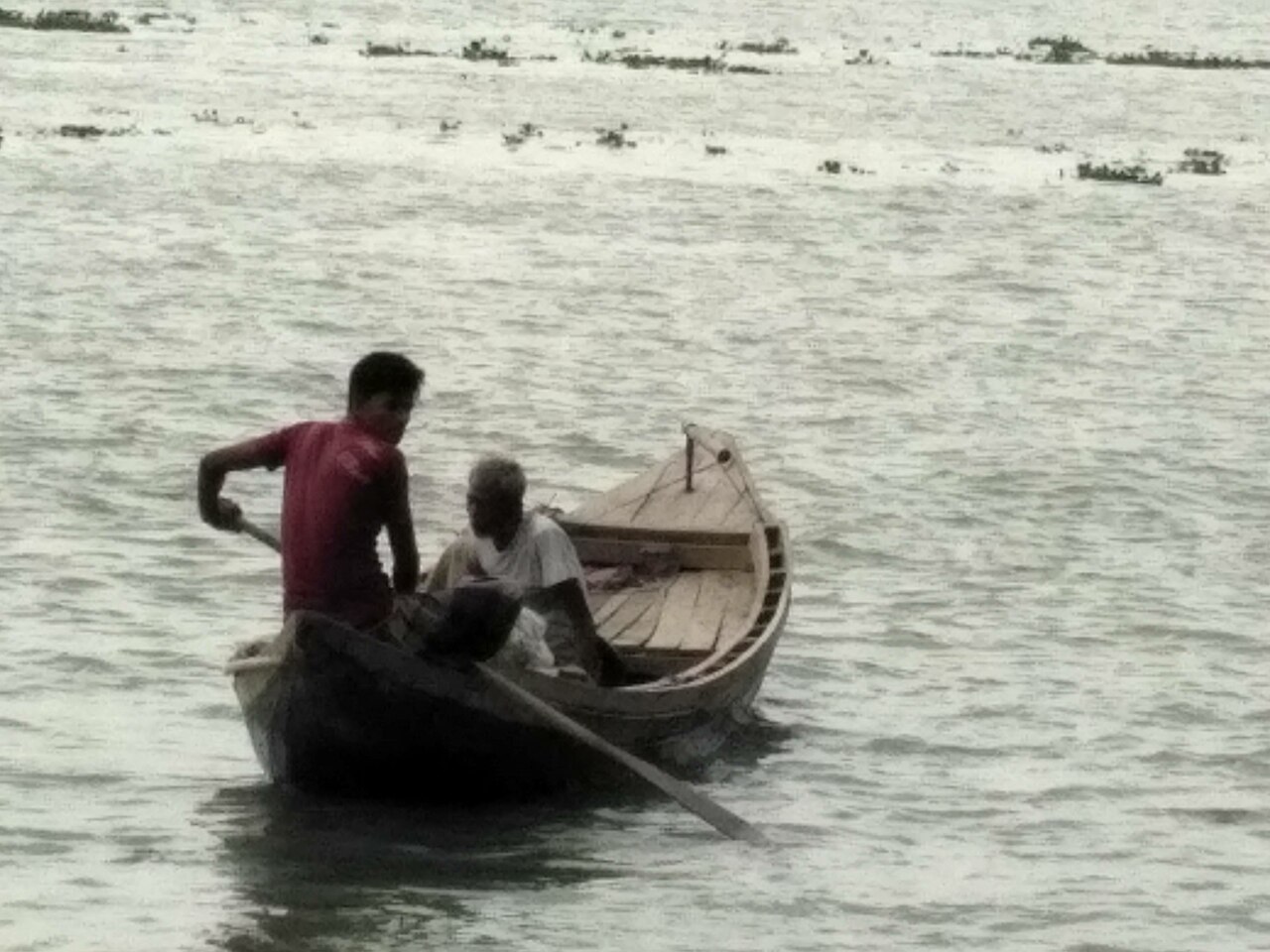
Jaydev said the Jhalakathi district fisheries department covers 27km of waters, 18km of which are hilsa breeding grounds. The risky spots on the Bishkhali are Deuri, Diakul and Kistakathi in Sadar upazila; Napiterhat, Badurtala, Uttar Palat, Dakshin Palat and Chollish Kahonia in Rajapur; Awrabunia, Jangalia and Chingiakhali in Kathalia; and Hadua and Bhabani in Nalchity. In the same upazila, the spots on the Sugandha are Matibhanga, Sardal, Sarai, Magar and Kalijira.
The dangerous routes also include 14–15km of the Bishkhali around Deuri, Napiterhat, Bhabanipur and Nalbunia in Sadar, Rajapur and Nalchity upazilas, and 2–3km of the Sugandha around Magar and Kalijira in Nalchity upazila.
These areas have many fishermen, along with seasonal fishermen, and it is the seasonal fishermen who attack during drives. For this reason the areas have been marked as risky and drives there will be specially stepped up.
Patrols and production
Jaydev said hilsa production in Jhalakathi was gradually increasing, putting it at 1,080 tonnes in the 2023-24 fiscal year and 1,055 tonnes in 2024-25.
The district fisheries officer said four enforcement teams from each upazila would patrol during the ban to protect mother hilsa, with a striking force kept in reserve to launch drives as soon as information comes in. Each team will be led by an executive magistrate. Hilsa come from the salty sea into the fresh water of the rivers to spawn, especially on moonlit nights, which may fall around 7–8 October, when special drives and awareness exercises will be held. Strict laws will be applied to protect the country's hilsa resources, he said.
Source: Jagonews24. First published in Bengali on The Agro News.
Comments
(0)