
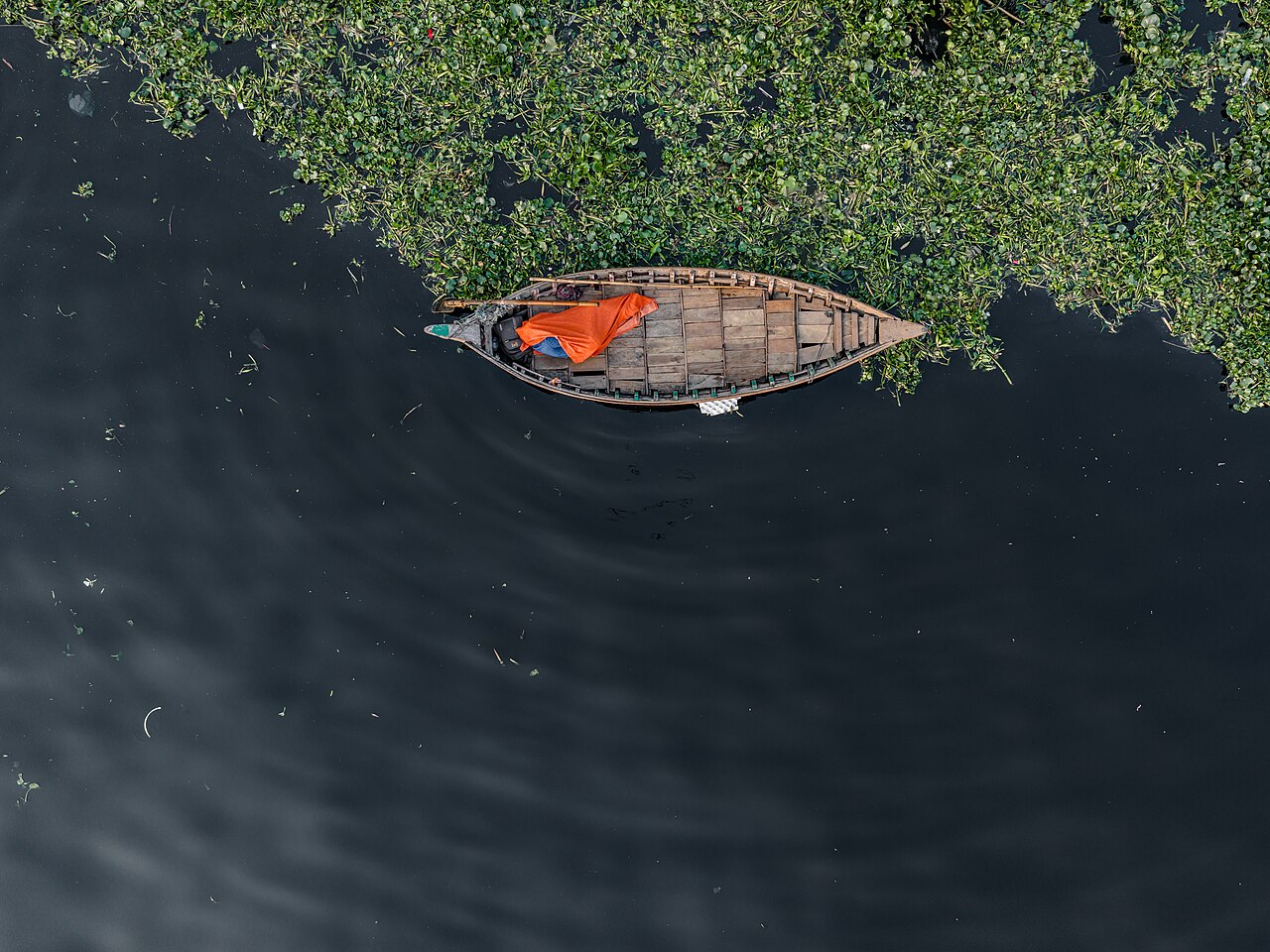
More than 52 beels across five upazilas, Monirampur, Keshabpur and Abhaynagar in Jashore and Dumuria and Phultala in Khulna, are permanently waterlogged. Tides once drained them into the rivers, but dams and gates at the river mouths let silt settle on the river beds, which now sit 6-7 feet above the floor of the beels, Desh Rupantor's Monirampur correspondent reports.
Water hyacinth has spread over the standing water year after year and stopped the flow. With the Bhabodah sluice gate the only outlet, the waterlogging has become permanent. In the Bhabodah beels, including Dakatia, the country's second largest, paddy has given way to hyacinth, water lilies and other aquatic weeds, and homesteads and yards are under water too.
The report traces the problem to the polders built in the south-west in 1960, which ended the natural tidal flow. A July 2011 study by Md Shahinur Rahman of BUET's Institute of Water and Flood Management named coastal embankments, reduced flow, high salinity and the spread of water hyacinth as causes of the silting.
That study estimated that waterlogging had cut average incomes in the area by about 15 percent and that a large share of farming families were becoming landless and financially ruined.
The Water Development Board and the army's 24 Engineer Construction Brigade are jointly re-excavating five connected rivers in Jashore and Khulna, 81.5 km in all, but the fast-spreading hyacinth is a major obstacle there too. Affected farmers want the weed cleared from the beels and rivers quickly so the land can be farmed again.
Photo: Amdadphoto / Wikimedia Commons (CC BY-SA 4.0)
Source: Desh Rupantor

Comments
(0)