
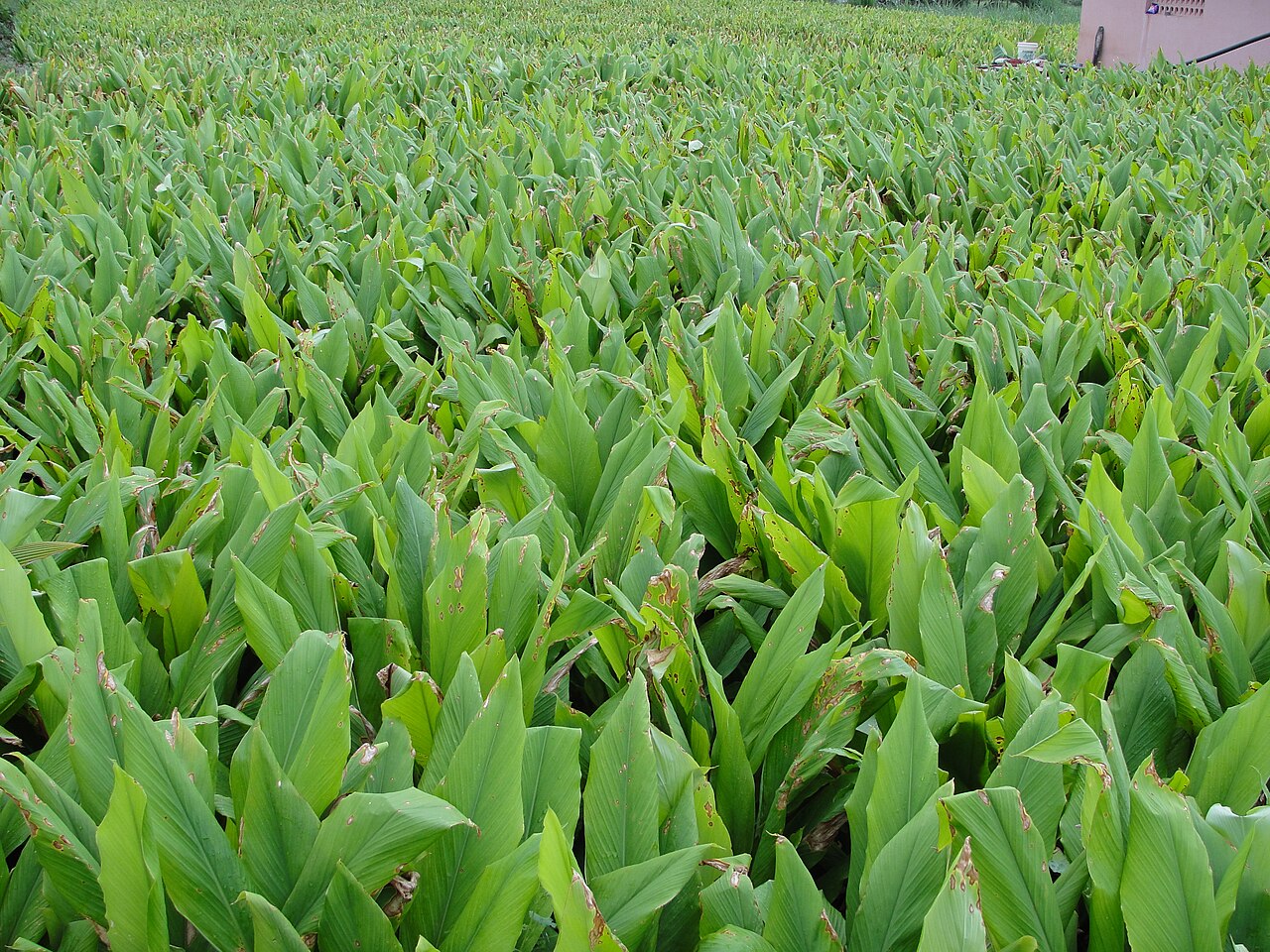
Farmers in Bhabanipur village of Ramjiban union, Sundarganj upazila, Gaibandha, are switching from paddy, jute and potato to turmeric. The spice needs little care, little fertiliser and no pesticide yet yields well, so it is spreading, Barta24's Gaibandha correspondent reports.
According to the upazila office of the Department of Agricultural Extension, 80 hectares are under turmeric in Sundarganj this year, with a production target of 480 tonnes of dried turmeric. Local demand is about 291 tonnes, and the surplus goes to markets around the country.
Farmer Abdur Razzak said turmeric needs no especially good land and little weeding. At land preparation he applies 10 kg of potash and 10 kg of phosphate per bigha, weeds once, and the crop grows on rainwater. A bigha gives 32-36 maunds of raw turmeric, which comes to 8-9 maunds after boiling and drying.
Raw turmeric sells at about Tk 2,000 a maund and dried at Tk 8,000, so a bigha earns Tk 64,000-72,000 and leaves at least Tk 50,000 after costs, he said. Another farmer, Delwar Hossain, said one neighbourhood of Bhabanipur alone has about 30 bighas under turmeric and the area grows every year.
Upazila agriculture officer Md Kaiyum Chowdhury said almost every homestead has unused, shaded corners, and farmers are being advised and encouraged to grow turmeric there. Bringing those corners into cultivation lets a family meet its own needs and sell the surplus.
Photo: Thamizhpparithi Maari / Wikimedia Commons (CC BY-SA 3.0)
Source: Barta24
Comments
(0)